Emergency Fire Alarm Power Backup for Outages in Australia
Quick Answer: During outages, fire alarm systems must stay powered so they can detect smoke, alert occupants, and support required signaling. Facilities can use emergency fire alarm power backup, battery-backed panels, supervised wiring, and routine load testing. Kord Fire Protection can help design, install, and maintain the right power solution so compliance and reliability hold under stress.
When the lights go out, life still needs to keep moving. And more importantly, fire alarm systems still need to do their job. That is where emergency fire alarm power backup comes in, because an outage should not turn a protected building into a silent, stubborn mystery. In the field, power loss is one of those problems that sounds rare until it ruins a test, stalls a response plan, or triggers an avoidable compliance issue.
To manage this properly, Kord Fire Protection can become a vital partner. They help facilities across Australia plan and verify uninterrupted alarm power, so the system stays alert-ready when the grid does not. Think of it as adding a safety net that actually catches people, not one that just looks nice in a binder. For facilities needing broader support near the top of that planning process, Kord Fire Protection also offers full fire protection services that fit naturally with long-term alarm power reliability planning.
How power loss threatens fire alarm reliability
Why utility failure becomes a life safety problem fast
Fire alarm systems rely on stable power to run control panels, supervise circuits, and drive notification devices. When utility power drops, the system must instantly shift to backup without delay, and it must maintain correct voltage and current for the full required standby time. If the backup is undersized, degraded, or improperly installed, the panel may start normal and then quietly falter later, which is the kind of problem that waits until everyone is busy.
In commercial and industrial environments, the risk grows because loads can change fast. Motors start, doors cycle, emergency lighting draws power, and some systems share infrastructure. Therefore, facilities need a power strategy that does not just react, but anticipates. That means designing for actual standby and alarm conditions, not guessing based on the label on a battery.
Additionally, many failures do not come from the battery alone. Poor terminations, corrosion, wrong charger settings, or faulty supervision can prevent the system from detecting faults early. As a result, the system may fail to communicate its own status. And if it cannot report trouble, the facility’s response plan becomes less of a plan and more of a hope.
What uninterrupted fire alarm power really requires
Power continuity is a system, not a single box
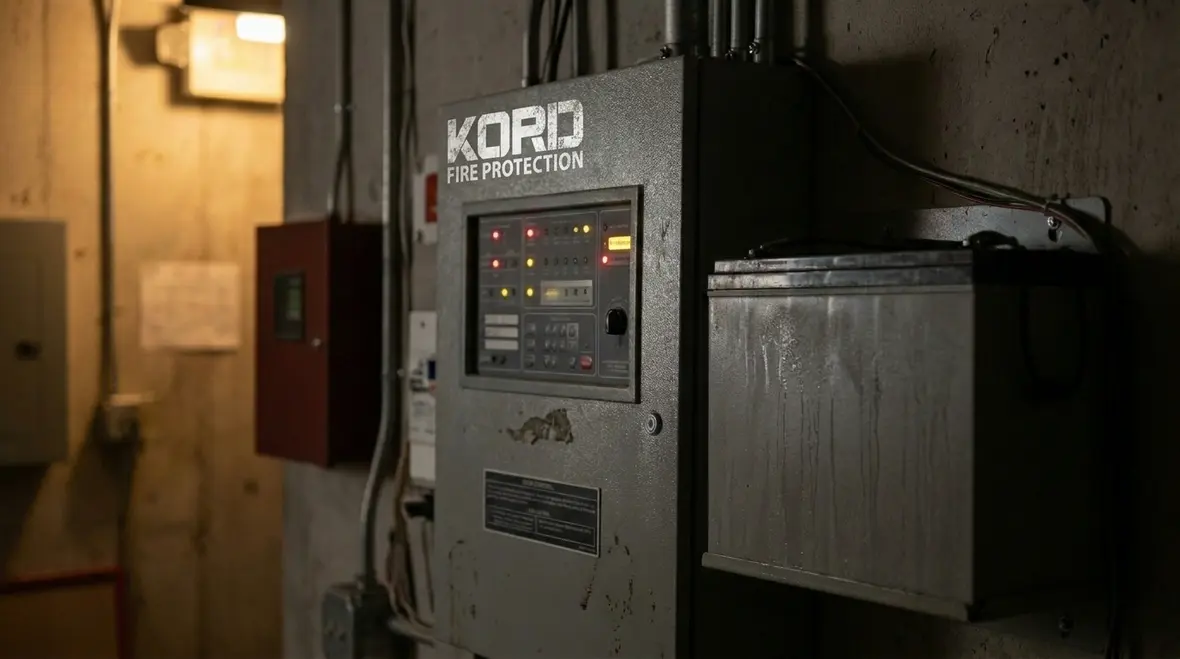
Uninterrupted power is not a single product. It is a set of coordinated safeguards that work together. First, the control panel must support supervised backup operation, including correct monitoring of batteries, charger output, and standby circuits. Next, the power system must be installed to meet Australian requirements and the site’s specific risk profile.
Then the facility needs operational discipline. That includes scheduled inspection, verification of charge and discharge performance, and confirmation that the system can run the required alarm duration. In other words, it needs proof. Not the “it should work” kind. The “it did work” kind.
When a facility handles these steps well, emergency signaling stays reliable. Staff receive clear notifications. Fire wardens can act with confidence. And the business avoids disruption that often comes from shutdowns, nuisance faults, or last-minute replacements.
For many teams, it is also about speed. If a test shows the battery capacity is drifting, the facility can act early. Otherwise, the issue may surface during an outage, when time is short and decisions must be instant. For a useful companion read, Kord Fire Protection’s article on fire alarm power requirements for reliable standby power adds context on the practical side of stable panel feed and standby readiness.
Battery systems, chargers, and supervision: the details that matter
Small electrical details create big reliability differences
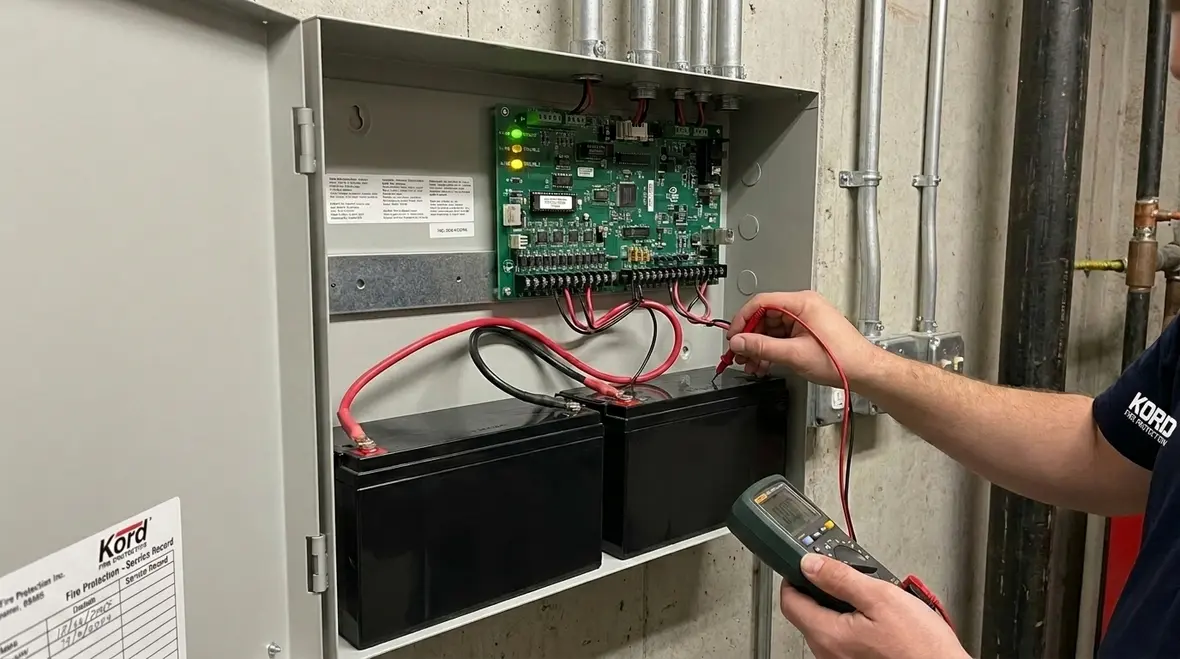
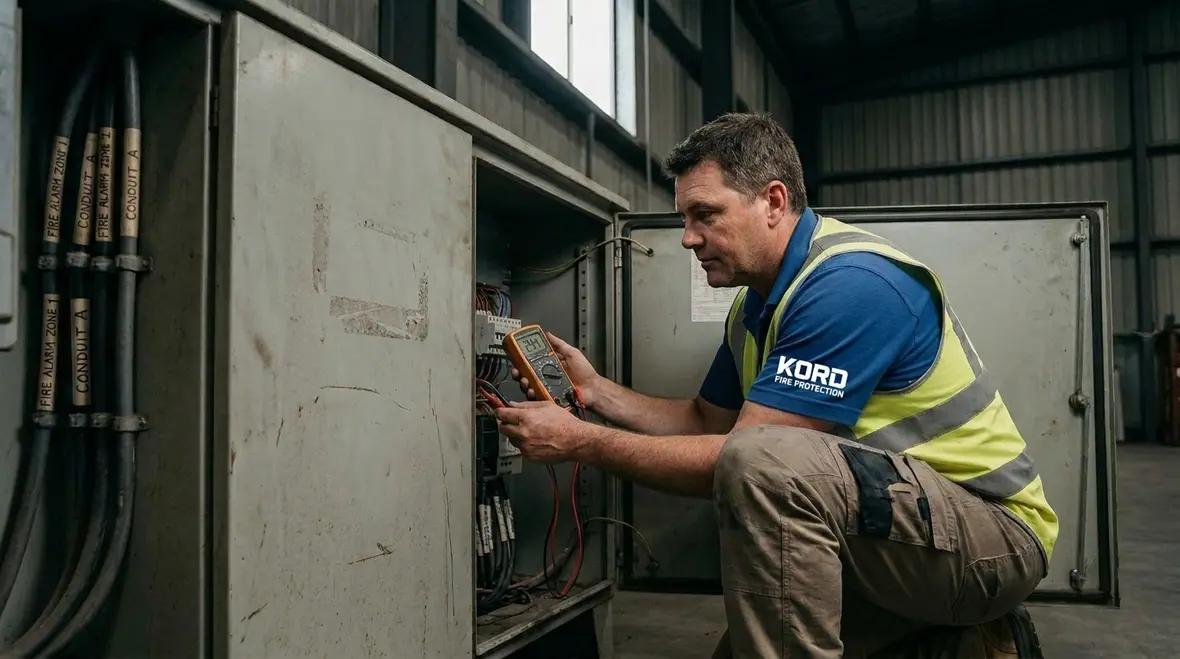
Backup power typically depends on batteries supported by a charger and monitored by the control panel. However, performance depends on the details. Batteries age. Charger output drifts. Connections loosen. Even temperature changes can reduce capacity over time.
So the facility should focus on three practical areas. First, battery sizing must match the panel’s actual draw during standby and alarm. That means counting the real loads at the site, such as strobes, sounders, relays, and any linked functions.
Second, charging control must remain correct. If the charger does not maintain proper voltage and temperature compensation, batteries degrade faster. Third, supervision must stay accurate. The system should detect trouble conditions and report them clearly so maintenance can respond before a failure.
Here is where a professional partner helps. Kord Fire Protection can review power budgets, check supervision design, and validate that the wiring and monitoring align with the required behavior during an outage. In facilities with multiple floors, warehouses, or high-ceiling retail spaces, small installation errors can have outsized effects.
Also, yes, batteries can be dramatic. They will behave fine right up until they do not. That is why planned verification beats surprise drama every time. If you want a related deep dive, Kord Fire Protection’s piece on fire alarm battery backup systems power reliability tips expands on how technicians evaluate recurring power issues before they turn into larger failures.
How to keep backup power online during real outages
Testing should match the strange ways real sites behave
Facilities need a process that handles both the expected and the weird. First, they should plan for outages that happen at different times. A system tested only at midday might behave differently at night if loads or environmental conditions shift.
Next, they should test under conditions that reflect the site. That includes verifying the standby period, confirming alarm operation, and checking for stable panel behavior during transfer. The goal is simple: when power fails, the system should switch cleanly and stay stable.
Then, they should manage how other building systems affect the environment. For example, if backup rooms or cabinets face heat from adjacent equipment, battery life can drop. Similarly, if fire alarm power shares pathways with other circuits, installation segregation and protection become important.
Finally, the facility must update its maintenance records and corrective actions. If a test flags a capacity issue, replacement timing should follow the findings, not the calendar. Otherwise, the backup becomes a gamble.
When Kord Fire Protection supports these steps, it helps facilities avoid the common trap of treating fire alarm power as a “set and forget” job. In practice, the job never stays still, and neither should the maintenance mindset.
Maintenance schedules that protect compliance and reduce downtime
Better records and better habits usually mean fewer surprises
Maintenance should do more than meet minimum checks. It should reduce unexpected downtime and keep the system trustworthy. That means combining visual checks with functional verification and performance testing at a frequency that matches the site’s risk and operating conditions.
For example, a retail strip mall might show different patterns than an industrial workshop with noisy machinery and greater vibration. Meanwhile, a logistics center can face seasonal temperature swings that affect battery output. Therefore, facilities should align inspection intervals with real conditions and past performance.
In addition, teams should record battery age, test results, and any observed trouble signals. When data builds over time, troubleshooting becomes faster and decisions become easier. It also helps the facility explain its actions to auditors and stakeholders with clear evidence.
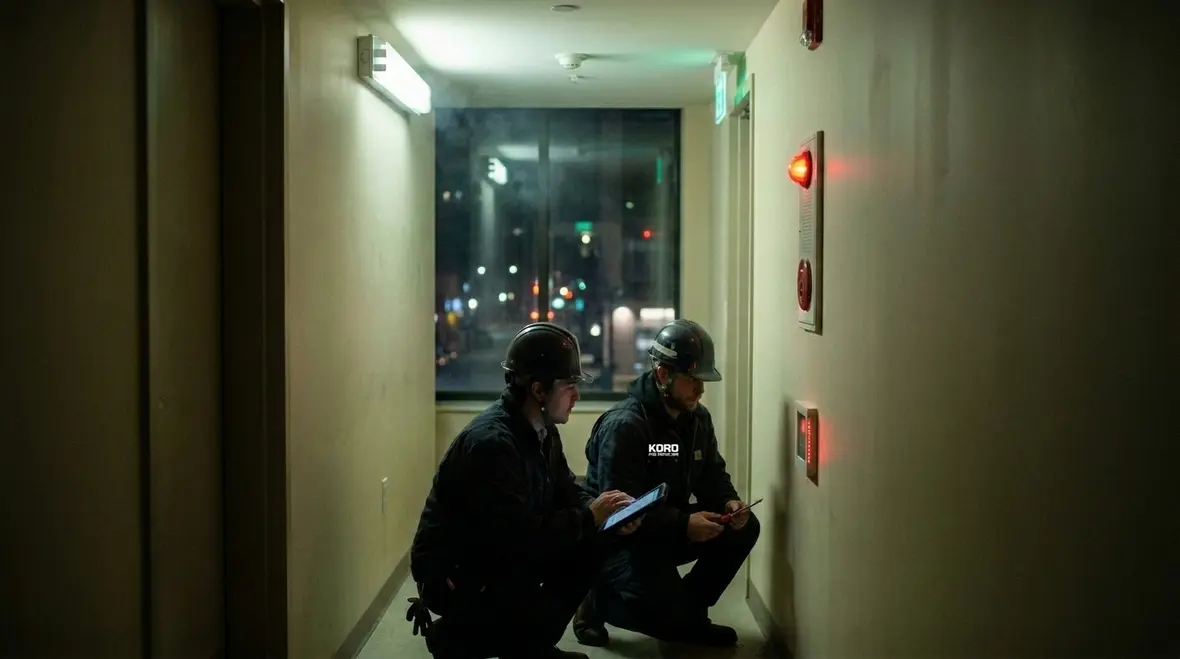
One more point that gets overlooked: staff training. If the site team knows how trouble signals appear during a transfer event, they can respond faster. And faster response means less confusion, fewer unnecessary callouts, and a smoother path to corrective work.
Kord Fire Protection can help facilities across Australia build these maintenance routines and support ongoing service so the emergency fire alarm power backup strategy stays current and effective. Related reading on backup power for fire protection redundancy and testing fits naturally here for teams comparing inspection habits with broader power resilience planning.
Why partnering with Kord Fire Protection strengthens the whole system
Reliability improves when technical and operational planning stay connected
Power continuity is not only technical, it is operational. A facility needs a plan that holds up when schedules slip, when contractors change, or when conditions shift. That is why Kord Fire Protection can act as a vital partner. They bring practical field experience, review system details, and support a service approach that keeps fire alarm power dependable.
They can help coordinate inspections, recommend corrective actions based on performance, and ensure the system remains correctly supervised and ready during outages. As a result, facilities gain confidence that their fire detection and alarm operation will not depend on luck.
Think about it this way. When the grid fails, the building does not stop working. It keeps loading, moving, and operating. So the fire alarm system must keep up too. Kord Fire Protection helps facilities treat backup power as a living part of fire safety, not a static checkbox.
Service scenarios across Australia: common challenges and fixes
The same issues keep showing up, just in different costumes
Across industrial, retail, and commercial sites, the same themes show up with different costumes. In warehouses and industrial plants, power issues often connect to heavy electrical noise, vibration, and sometimes long cable runs. In retail, the challenge can be phased upgrades, where power wiring and panel changes happen in stages and must remain consistent.
In multi tenant commercial spaces, shared infrastructure and coordination delays can also impact how quickly faults get resolved. Therefore, clear ownership and documentation matter. The facility must know what equipment supports emergency fire alarm power backup and what service responsibilities apply during and after outages.
Seasonal heat and humidity can accelerate battery aging, especially in cabinets that trap warmth. Meanwhile, poor ventilation around control panels can reduce battery life and increase charger stress. The fix often includes both corrective performance testing and better environmental handling so the system stays within its intended operating conditions.
With Kord Fire Protection involved, facilities can address these challenges with a structured approach that checks real conditions and reduces repeat problems. That saves time, reduces downtime, and keeps stakeholders calm. Well, as calm as a building can be right before a fire drill.
FAQ
Next steps to protect power continuity
Uninterrupted fire alarm power during outages does not happen by accident. Facilities should validate battery capacity, confirm charger performance, and test transfer behavior under realistic loads. Then they should keep records and maintain the system with a clear schedule.
If Kord Fire Protection supports the service, inspections, and verification, your emergency fire alarm power backup strategy stays reliable across industrial, retail, and commercial sites in Australia. Contact Kord Fire Protection to review your current setup and tighten power continuity before the next outage surprises anyone.

Join Our Newsletter!
Get the latest fire safety tips delivered straight to your inbox From our Newsletter.