Dry Standpipe System Maintenance in Cold Climates
In the world of fire protection, few systems work harder behind the scenes than our dry standpipe system. It waits quietly inside stairwells and high rise shafts, empty of water yet full of purpose. When a fire crew connects their hose to the inlet outside a building, that network of pipes becomes a lifeline. However, in cold climates, that same lifeline can turn into a frozen liability if not maintained with care. Therefore, understanding when it is used and how to keep it from freezing is not just helpful. It is essential.
Kord Fire Protection technicians often explain it this way. A dry standpipe is like a reliable friend who shows up only when called. It does not carry water all the time. Instead, it waits for the fire department to pump water into it during an emergency. Simple in theory. Powerful in practice.
Understanding the Dry Standpipe System and Its Purpose
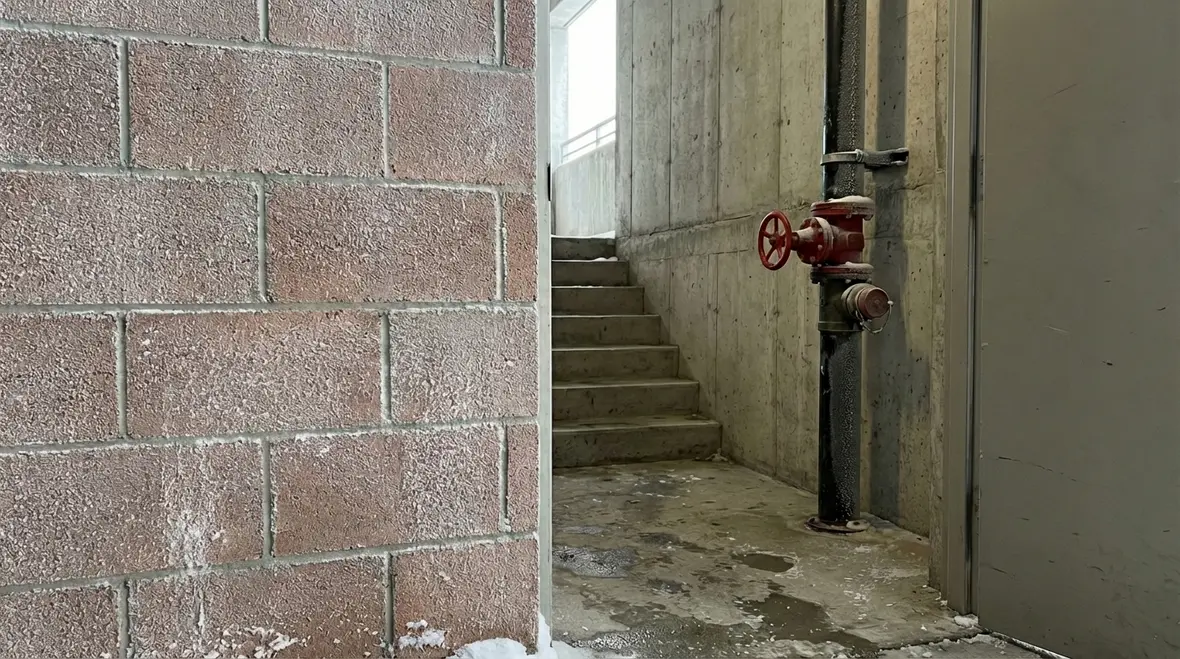
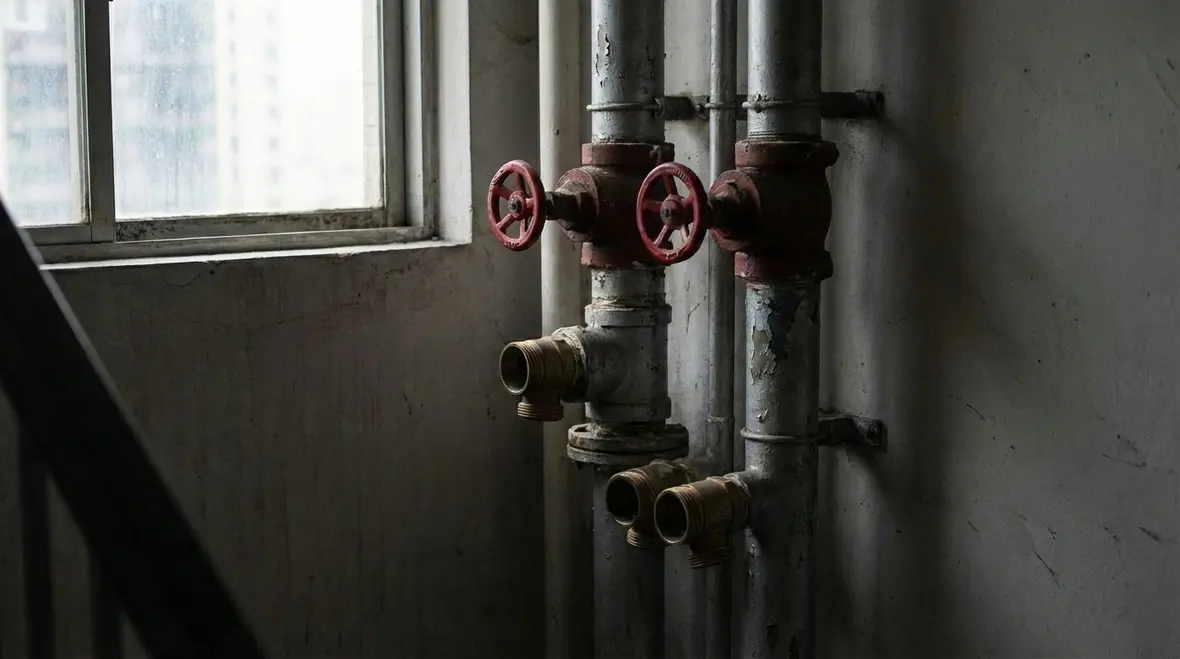
A dry standpipe system is a network of pipes installed vertically in buildings, usually in stairwells. Unlike wet systems that remain filled with water, these pipes stay dry until firefighters connect to the fire department connection outside the structure. Once connected, water flows up the riser and out through hose valves on each floor.
Because the pipes are empty under normal conditions, this setup works best in areas exposed to cold temperatures. Water left sitting in pipes during winter would freeze, expand, and damage the system. Therefore, engineers design dry standpipes to avoid that risk.
Kord Fire Protection technicians explain that this type of system is common in:
- Parking garages
- Unheated warehouses
- Open air stair towers
- Buildings in cold climates
- Structures under construction
In each case, freezing is a real threat. So, keeping water out of the pipes until it is needed makes practical sense. For facilities that also rely on fire sprinklers, coordinating standpipe design with systems like standpipe system Class I-III services keeps the entire fire protection strategy working together.
When Is a Dry Standpipe System Required?
Building codes typically require standpipes in structures above a certain height. However, whether the system is wet or dry depends on climate and building conditions. If temperatures can drop below 40 degrees Fahrenheit in areas where piping runs, designers often choose a dry configuration.
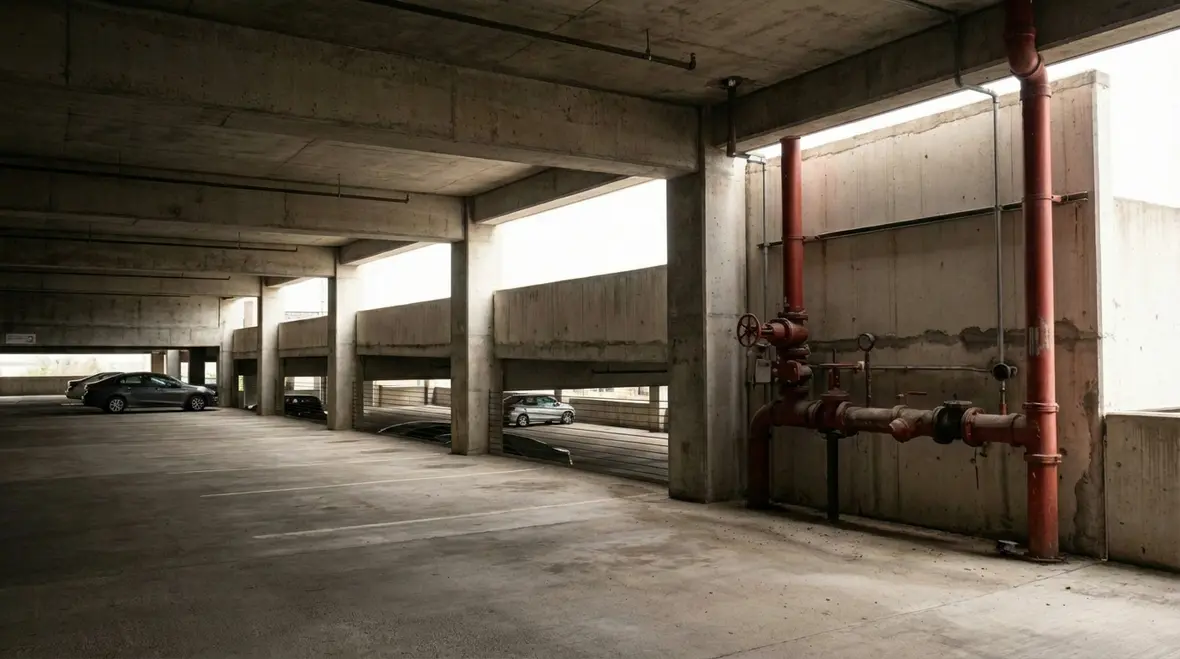
Additionally, parking structures frequently rely on this approach. Because they are open to the elements, wind and cold air can move freely through the levels. A water filled riser would freeze faster than a forgotten soda in a winter car.
Kord Fire Protection technicians often walk property managers through code requirements. They explain that local amendments may change the height threshold or design rules. Therefore, relying on a professional assessment prevents costly mistakes and helps align with related requirements such as Regulation 4 Class 1 standpipe testing where applicable.
Furthermore, buildings under construction often use temporary dry standpipes. Since heating systems may not yet operate, keeping pipes dry reduces the chance of cracked fittings and delays. In short, this system adapts well to unfinished or partially enclosed structures.
How Does It Actually Work During a Fire?
This is where things get interesting. Although the pipes sit empty most days, they are ready for action at a moment’s notice.
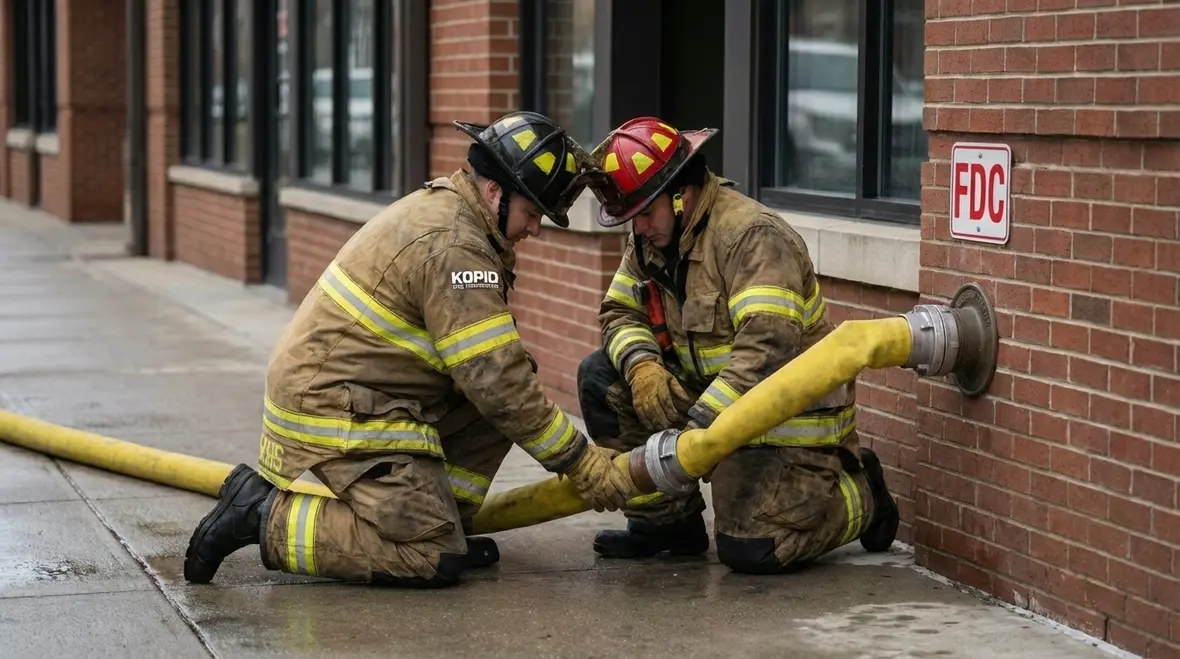
When firefighters arrive, they connect a hose from their truck to the fire department connection outside the building. Then, they pump water into the standpipe network. As a result, water travels vertically through the riser and reaches hose valves on each floor.
Fire crews connect their hoses to those interior valves. Consequently, they can attack the fire without dragging heavy lines up multiple flights of stairs. Anyone who has climbed stairs carrying groceries knows the struggle. Now imagine doing it in full gear with smoke in the air. The standpipe saves time, energy, and lives.
Kord Fire Protection technicians emphasize that pressure control is critical. Therefore, properly sized piping, pressure regulating devices, and clear valve labeling all matter. If the system fails to deliver adequate pressure, firefighting efforts suffer. If pressure is too high, equipment and personnel face danger. Balance is everything.
Preventing Freezing in Cold Climates
Although a dry standpipe system avoids constant water exposure, certain components still face freezing risk. For example, low points in piping can trap residual water after testing. Similarly, poorly sloped pipes may allow small amounts of water to collect.
To prevent freezing, professionals focus on several key practices.
Proper Pitch and Drainage
Pipes must slope toward drain points. After testing or incidental water entry, technicians open auxiliary drains to remove trapped water. Without proper drainage, even a small amount of water can freeze and expand.
Heated Enclosures
Where risers pass through vulnerable spaces, installing heat tracing or insulating enclosures reduces risk. However, heat tracing must be monitored. Otherwise, a failed cable can go unnoticed until winter damage appears.
Regular Inspections
Routine checks ensure caps, valves, and drains remain secure. Kord Fire Protection technicians often find that minor oversights, such as a missing cap, allow moisture intrusion. Over time, that moisture becomes ice.
Air Supervision
Some systems use air pressure monitoring to detect leaks. If air escapes, it may signal a compromised fitting that could admit water. Early detection prevents bigger problems.
In colder regions, technicians may also recommend seasonal checks before winter fully sets in. After all, January is not the ideal time to discover a frozen riser.
Inspection and Maintenance Best Practices
Although dry systems appear simple, they demand disciplined maintenance. Codes require periodic inspections, flow tests, and valve checks. Therefore, building owners must treat these systems as active life safety equipment, not decorative piping.
Kord Fire Protection technicians follow a structured approach. First, they visually inspect hose valves, caps, and signage. Next, they verify that the fire department connection remains accessible and undamaged. Then, they conduct flow testing to confirm water can move through the system at required rates.
During testing, technicians carefully drain all water afterward. This step is critical. Even a small amount left behind can freeze. Consequently, documentation becomes part of the protection strategy. Clear records show that the system was drained and returned to service properly.
Additionally, they check for corrosion. Although pipes remain dry most of the time, humidity can still cause internal rust. Over years, corrosion narrows pipe diameter and restricts flow. Therefore, periodic internal assessments help extend system life.
Common Mistakes That Lead to Frozen Standpipes
Even well designed systems can fail if overlooked. Several preventable errors show up again and again.
- Skipping post test drainage
- Ignoring missing caps on hose outlets
- Failing to repair small leaks promptly
- Blocking access to fire department connections
- Assuming dry means maintenance free
That last one deserves a slow head shake. Dry does not mean carefree. It simply means the water is not constantly present.
Kord Fire Protection technicians often share stories of buildings where minor neglect led to major repairs. In one case, a forgotten auxiliary drain allowed water to collect and freeze. The expansion cracked fittings inside a wall. When spring arrived, melting ice revealed the damage in the form of interior leaks. Not exactly the dramatic movie scene one hopes for, but expensive all the same.
Dry Standpipe System vs Wet Standpipe: Key Differences
Dry Configuration
Empty pipes under normal conditions
Activated by fire department pump
Ideal for unheated or exposed areas
Lower risk of freeze damage
Requires careful drainage after testing
Wet Configuration
Pipes filled with water at all times
Immediate water availability
Used in heated buildings
Higher freeze risk in cold zones
Ongoing water pressure supervision
Because each building presents unique challenges, designers evaluate climate, occupancy, and layout before selecting a type. Kord Fire Protection technicians often assist during planning stages to ensure the chosen system aligns with real world conditions and integrates smoothly with services like professional standpipe system design and testing.
What Building Owners Should Ask Their Fire Protection Provider
Building owners do not need to memorize code books. However, they should ask informed questions. For example, they might ask how the system is drained after testing. They might also ask whether vulnerable sections need insulation upgrades.
Furthermore, owners should confirm inspection frequency and documentation practices. Clear records support compliance and provide peace of mind. After all, when a fire crew connects to that inlet, no one wants surprises.
Kord Fire Protection technicians encourage proactive communication. They explain system conditions in plain language, avoiding jargon. That way, decision makers understand both risks and solutions. And yes, they sometimes compare frozen pipes to burst soda cans, because visual lessons stick.
FAQ About Dry Standpipe Systems
Conclusion: Protect the System Before It Is Needed
A dry standpipe system may rest quietly behind concrete walls, yet its role is anything but small. Therefore, building owners must treat it with respect and routine care. Kord Fire Protection technicians stand ready to inspect, explain, and maintain every valve and riser. Schedule a professional evaluation today, because when an emergency strikes, preparation should already be in place. Quiet systems save lives when they work exactly as designed.
If your property uses dry standpipes, or you are planning a new project in a cold climate, connect with the team that understands both design and ongoing care. Explore Kord Fire’s standpipe system services or contact us to schedule inspection, testing, or maintenance tailored to your building’s unique conditions.
Know Your Weapon Before You Fight the Flame
Kord Fire Protection is your go-to when it comes to all things fire protection. For over 20 years, we’ve been serving Southern California with the quality service and equipment to keep your home or business safe at all times. Our competitive prices reflect our unwavering commitment to protecting what matters most in the event of a fire emergency. Give us a call, send an email, or use that form!

Join Our Newsletter!
Get the latest fire safety tips delivered straight to your inbox From our Newsletter.