Advanced fire panel technology: the overview people actually need
In the first minutes after smoke or heat shows up, every second matters. That is where fire alarm control panel technology steps in, acting like the calm brain of the system. It monitors initiating devices, supervises wiring, and then coordinates outputs so occupants get clear signals and responders get the right alerts. In short, advanced panels do not just “beep.” They make fast, structured decisions using electronics designed for real buildings, real wiring, and real trouble.
At Kord Fire Protection, technicians explain how these systems work with patience. And yes, they still get asked the same question: “So… is it basically a fancy alarm?” Their answer is usually gentle and direct, like a sitcom character trying not to spoil the plot. The electronics are more than a buzzer. They are a decision engine.
How advanced electronics fire systems work in daily operation
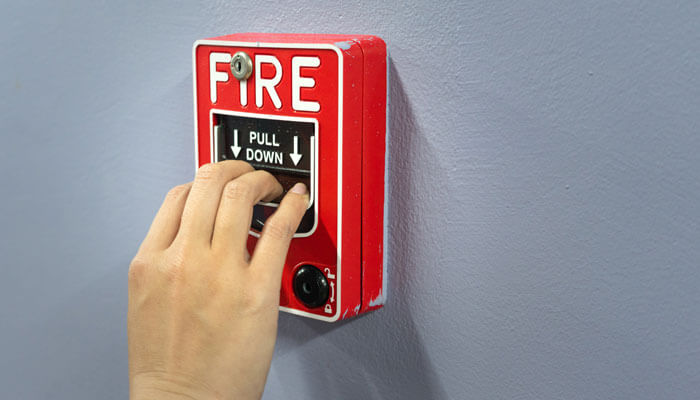
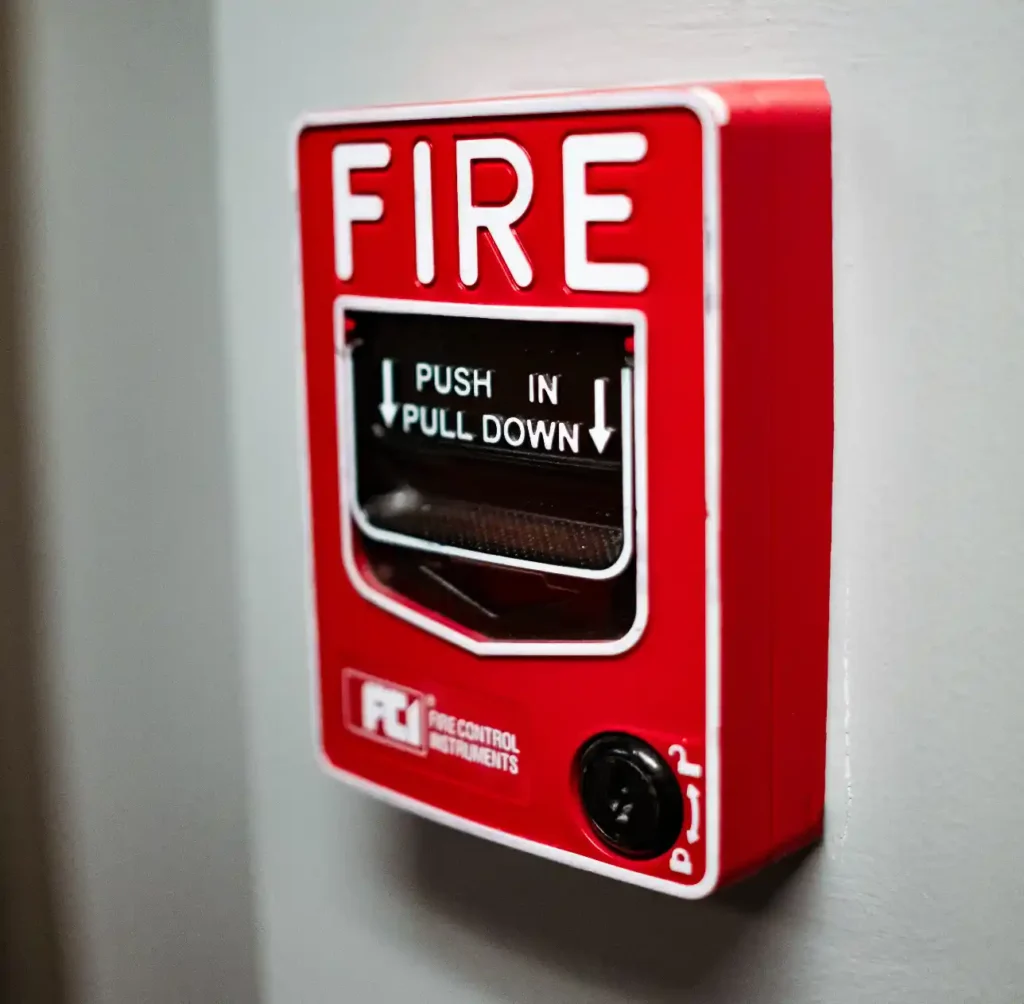
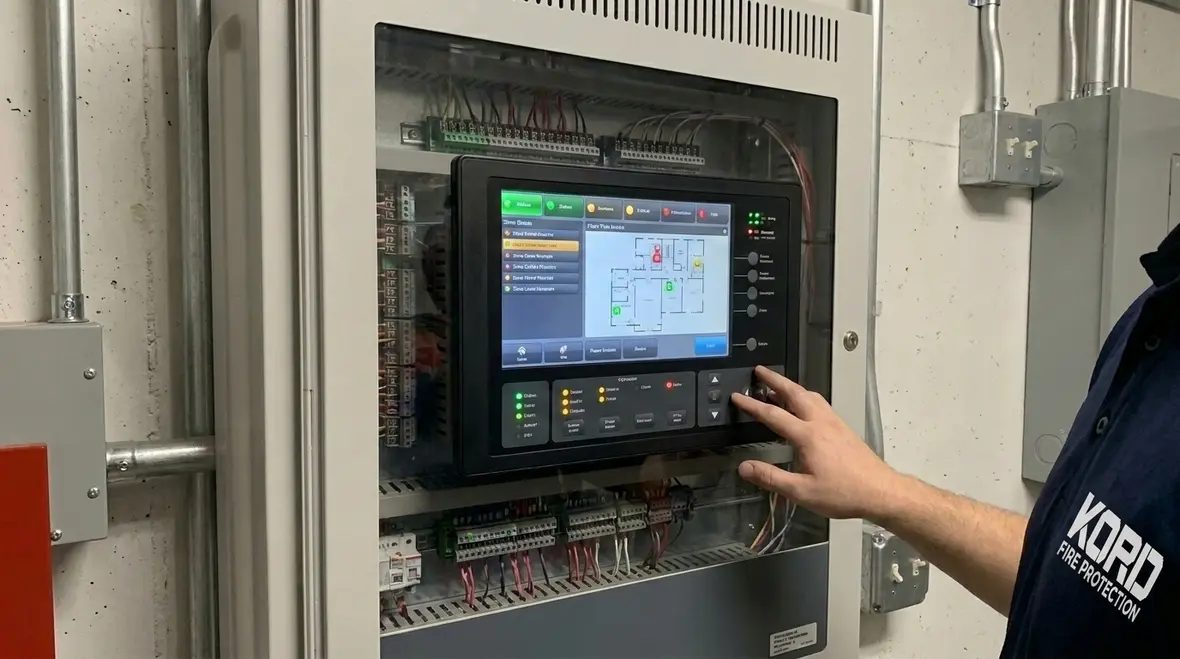
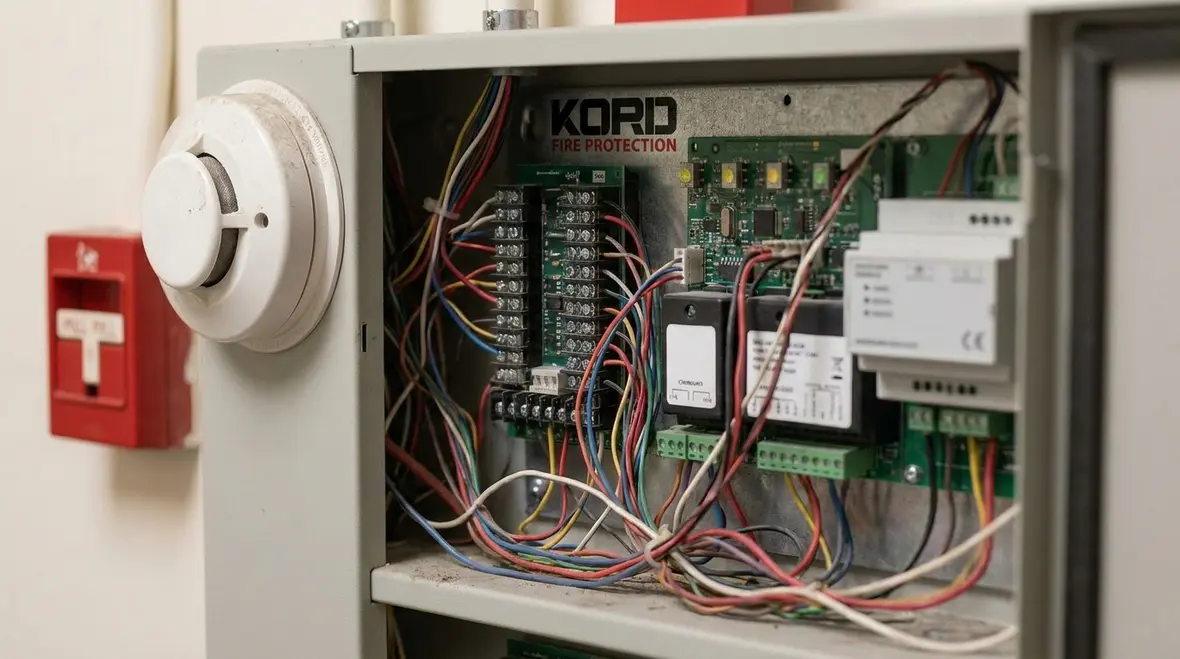
These systems use a loop-based or addressable design that tracks device status from the panel. Fire alarm control panel technology constantly polls smoke detectors, heat detectors, manual pull stations, and supervisory switches. When a device changes state, the panel checks the signal against its programmed logic. Then, it drives the right notification circuits and manages what happens next.
To keep that process dependable, modern panels handle several key tasks at once. First, they provide power and monitor for loss of signal or short conditions. Second, they supervise device circuits so a problem triggers an alert instead of staying hidden. Third, they coordinate zones and building phases so alarms do not collapse into chaos like a crowded group chat.
In practice, the electronics also handle timing rules. For example, the panel may delay certain outputs based on the building type, while still sending the correct trouble reports right away. Additionally, it can map events to outputs like horns, strobes, door holders, elevator recall, and related building controls. Therefore, the panel becomes the center of cause and effect, not just the center of noise.
Real world use cases where the panel earns its keep
In real buildings, advanced electronics fire systems prove their value in ways that spreadsheets do not capture. Consider these common scenarios.
Case 1: A high rise with multiple floors
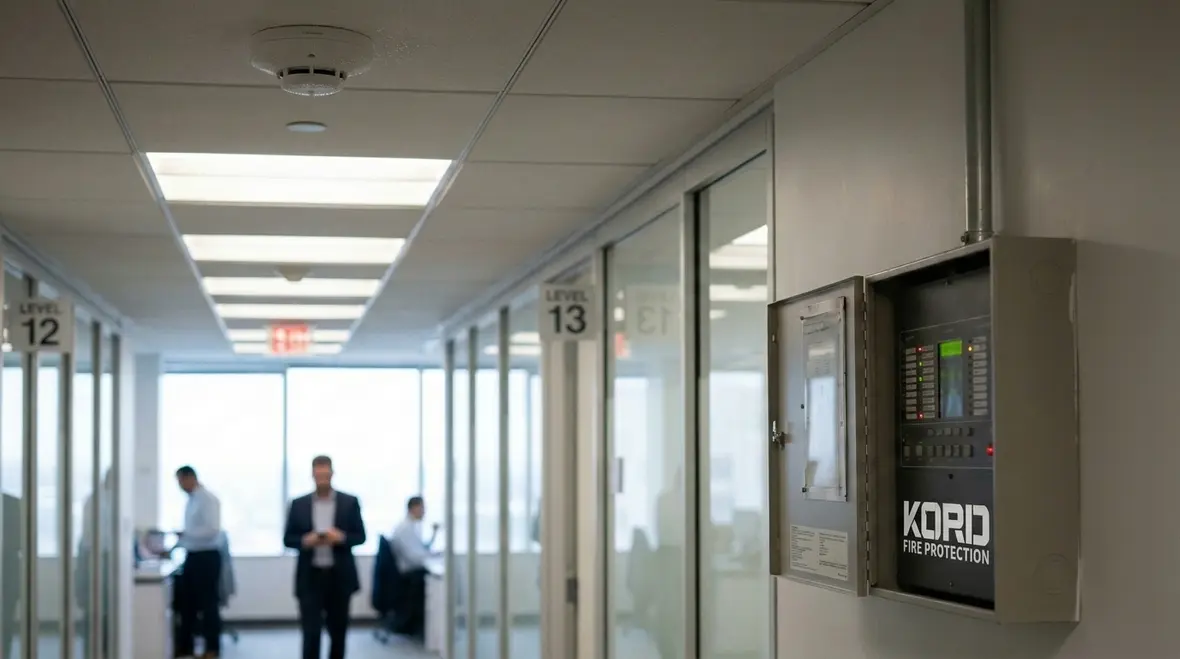
When a detector trips on a specific floor, the panel identifies the device location. Then it activates the correct audible and visual notification patterns for that area while also reporting the exact point to monitoring. As a result, responders do not wander. They move with confidence.
Case 2: A school during a normal day
During class changes, there is a lot happening. The panel supervises circuits so trouble events get logged early, which helps prevent full surprises. Meanwhile, notification appliances operate in a controlled sequence that supports evacuation without guesswork.
Case 3: A warehouse with different hazard zones
Warehouses often include loading areas, storage racks, and mechanical spaces. A well designed system separates these areas, so an event triggers the correct alarms and reports the right location. Furthermore, the panel can coordinate with other building actions so doors and shutdown functions occur as allowed by the local plans.
Technicians from Kord Fire Protection explain these workflows in plain language, because understanding beats panic. And besides, nobody wants to learn fire logic during an emergency. That is like learning the rules of baseball after someone already threw the ball.
Strengths and tradeoffs of advanced panel designs
Advanced electronics bring real advantages, but no system is magic. The strengths and weak points below help teams plan with realism.
- Strength: Device supervision Advanced panels monitor wiring integrity and device health, which reduces the chance of a silent failure.
- Strength: Precise reporting Addressable configurations pinpoint the source device and event type, which speeds troubleshooting.
- Strength: Faster system behavior Panel logic can respond quickly and consistently to multiple simultaneous events.
- Strength: Integration readiness Panels can support control interfaces for doors, HVAC shutdown, elevator recall, and other life safety actions where required.
Now the tradeoffs. First, more advanced configurations can mean more programming and more careful verification during commissioning. Second, the system depends on correct device placement and proper termination, so shortcuts at installation time get punished later. Third, panels still need reliable power and clean batteries, or the electronics will behave like a car with a low battery. It might start, but it never feels trustworthy.
Ongoing maintenance needs that keep the electronics honest
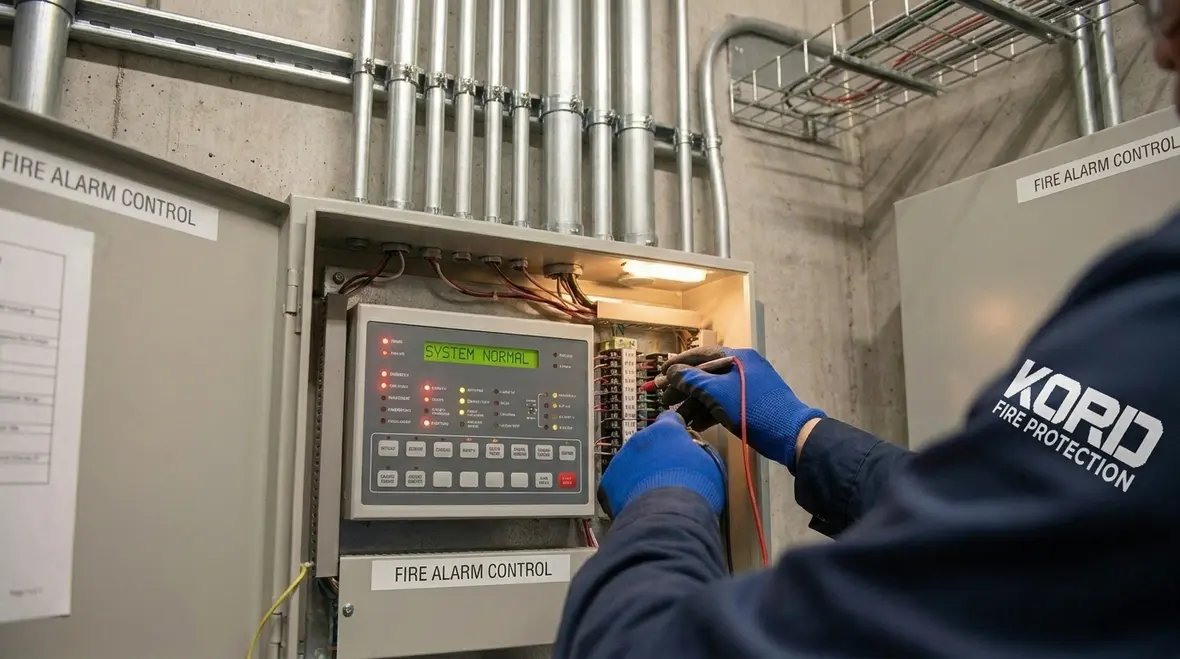
Even the best fire alarm control panel technology will not stay “set and forget.” It needs ongoing care to remain compliant and dependable. Maintenance should be scheduled and documented, and it should follow the approved inspection and testing plan.
Routine checks often include
- Verifying trouble reports and clearing issues correctly
- Testing initiating devices like smoke detectors and pull stations
- Testing notification appliances for audibility and visibility
- Inspecting panel power supplies and battery condition
- Confirming supervision signals and circuit health
Importantly, maintenance should also account for changes in the building. When tenants remodel, install new equipment, or change storage layouts, the fire alarm system may need updates. Therefore, the panel’s programmed logic and device mapping must stay accurate. Technicians at Kord Fire Protection typically emphasize that the fastest way to lose confidence in a system is to ignore small changes. A single forgotten relay or an unlabeled circuit can turn a routine event into a “wait, what does this do?” moment.
Also, record keeping matters. A strong maintenance program tracks what got tested, what passed, what failed, and what got corrected. That way, the next inspection becomes a review, not a mystery novel.
Relevant NFPA and local code requirements teams must follow
Fire alarm systems operate under a framework that exists for a reason: life safety. While local laws can vary, most jurisdictions rely on national standards and the adopted local fire code.
- NFPA 72 provides detailed requirements for installation, inspection, testing, and maintenance of fire alarm systems.
- NFPA 70 covers electrical safety, including proper wiring methods and power concerns.
- Local fire code amendments may add timing rules, spacing limits, signaling requirements, or documentation steps.
- Authority Having Jurisdiction oversees approvals, testing evidence, and final acceptance.
Because the electronic behavior of a system depends on the approved drawings and programming, code compliance often hinges on the details. In other words, it is not enough to have “a panel.” The installation must match the design, and the electronics must match the required operating plan.
Choosing and implementing fire panel technology without regrets
When a building owner or facilities team selects a system, they should look beyond marketing language. They should confirm that the panel supports the device types needed for the space and the level of reporting required by the project documents. Additionally, they should verify that the system includes the right supervision features and that it can integrate with other life safety controls when the plans call for it.
Then comes the implementation phase. Advanced electronics work best when commissioning teams test the system end to end, not just power it on and hope. During commissioning, the panel logic must match the intended evacuation strategy, and each initiating device must map to the correct signaling outputs.
As Kord Fire Protection technicians often explain, planning beats troubleshooting. And honestly, troubleshooting is like trying to fix a flat tire on a first date. You can do it, but you will wish you had prepared first.
Near the end of the process, training matters too. Staff should understand what the panel indicates during alarms, troubles, and supervisory events. When people know what to do, the building stays calm. It also prevents needless call outs and helps responders get the right facts quickly.
FAQ: quick featured answers on advanced electronics fire systems
Use these systems the right way, starting today
If the building needs a safer, more reliable life safety setup, it is time to put advanced electronics to work with a system design that fits the space. Kord Fire Protection technicians can help teams map devices, confirm code alignment, and verify that the panel’s logic drives the right outcomes. Then, during maintenance, they keep the electronics supervised, tested, and documented. Use these systems wisely by planning changes, training staff, and treating inspections like a business process, not a last minute chore.
Contact Kord Fire Protection for a detailed assessment and a clear path forward. This is the moment to make sure the electronics do what they are built to do, when it matters most.
Know Your Weapon Before You Fight the Flame
Kord Fire Protection is your go-to when it comes to all things fire protection. For over 20 years, we’ve been serving Southern California with the quality service and equipment to keep your home or business safe at all times. Our competitive prices reflect our unwavering commitment to protecting what matters most in the event of a fire emergency. Give us a call, send an email, or use that form!

Join Our Newsletter!
Get the latest fire safety tips delivered straight to your inbox From our Newsletter.