Data Center Power Cooling Efficiency With Fire Protection
Quick Answer: Data center teams can cut energy waste and stabilize cooling by tuning electrical distribution, load planning, and heat management together. They also reduce downtime risk by coordinating protection systems with the power and cooling design. A partner like Kord Fire Protection helps ensure life safety and property protection align with mission critical uptime goals.
In Australia, facilities teams increasingly chase better data center power cooling efficiency because every wasted watt turns into heat, cost, and headaches. And while the math looks intimidating, the winning approach stays practical: design the electrical infrastructure to deliver power cleanly, then match the cooling system so it actually removes that heat. Next, teams must protect the whole setup from electrical faults and fire hazards, because “mission critical” should never mean “mission reckless.” Fortunately, the right fire protection partner can step in early and make the job smoother. Yes, even if your spreadsheets look like they lost a fight.
Near the start of planning, it also helps to connect the efficiency discussion with a broader full fire protection services approach so power, cooling, detection, and suppression are not treated like separate projects that only meet each other during commissioning. For spaces with switchgear, controls, and critical electrical infrastructure, many teams also look at clean agent fire suppression for electrical rooms early, because protecting the room that supports the load is just common sense. After all, nobody wants to obsess over airflow while ignoring the room that could bring the whole operation to a dramatic and expensive halt.
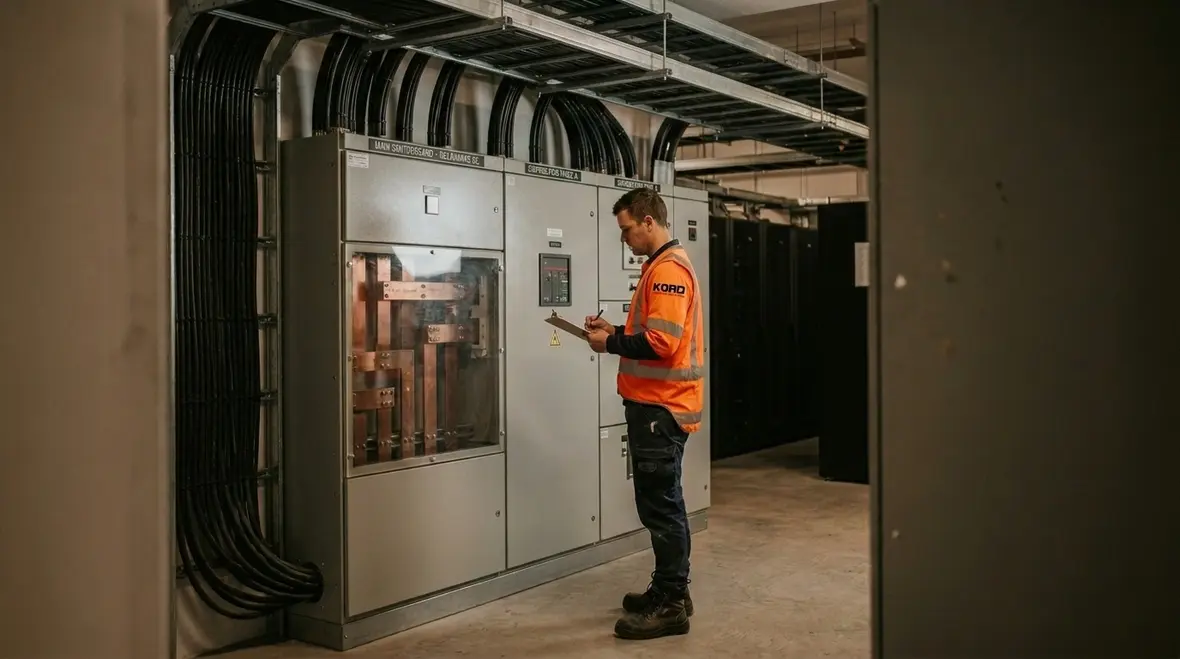
Why power and cooling efficiency starts at the switchboard
Most projects start with loads, racks, and the cooling plant. However, they should begin with how electricity moves through the building. When electrical infrastructure works with the cooling strategy, the site hits stronger data center power cooling efficiency, meaning less standby waste and less heat escalation from inefficiencies.
First, teams should map the critical loads and non critical loads, then plan redundancy so uptime targets stay realistic. After that, they should select distribution components based on expected harmonics, fault levels, and operating patterns. Finally, they should check that cable routes and busbar layouts avoid unnecessary voltage drop and thermal hotspots. In other words, stop making the power “walk uphill,” because the cooling system will pay the price.
What smart switchboard planning actually changes
This early planning stage shapes more than electrical efficiency. It affects rack density decisions, airflow assumptions, maintenance access, and how confidently teams can forecast expansion. If the switchboard strategy is sloppy, every downstream decision starts leaning on assumptions instead of proof. That is not a technical strategy. That is optimism in a hard hat.
How to optimize electrical distribution for stable heat removal
Electrical design affects cooling more than many people admit. Voltage drop, imbalance, and excessive harmonics increase losses, which create extra heat right where servers dislike it. Therefore, teams should optimize several areas in sequence.
- Right sizing and zoning keeps distribution losses under control. They should also segment loads so the cooling system can respond to actual heat density, not guesses.
- Transformer and UPS coordination matters. If the UPS runs inefficiently at partial loads, heat climbs and cooling must work harder. Then energy bills follow like an uninvited plus one.
- Quality of power should include harmonic analysis and monitoring plans. When harmonics rise, equipment draws more current than expected, which increases I squared R losses in cables and distribution. As a result, thermal management becomes a moving target.
For facilities across Australia, the environment also changes the equation. Humidity, outdoor ambient swings, and seasonal load shifts can push systems beyond assumptions. So, the design should include commissioning checks that verify performance under real operating conditions.
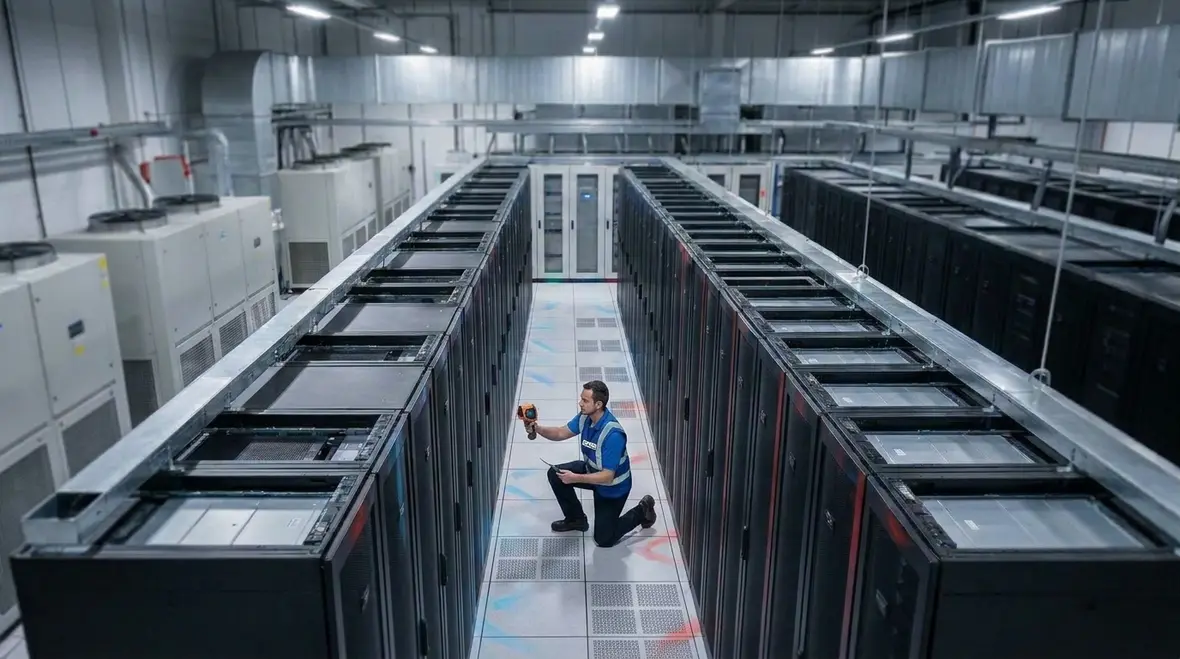
Distribution mistakes that quietly raise cooling demand
A surprising number of cooling complaints are really electrical complaints wearing a fake mustache. Poor phase balance, underperforming UPS operation, overloaded pathways, and weak monitoring create heat that teams later blame on airflow. By the time someone points a thermal camera at the problem, the energy waste has already become part of the monthly budget. That is why distribution review should happen before anyone starts giving the cooling plant a motivational speech.
Cooling design that matches electrical reality
Cooling cannot treat the electrical system like a mystery box. It needs data that reflects actual power behavior. Teams should use measured load profiles, not just nameplate ratings, then tune airflow and heat rejection accordingly.
They should also aim for containment where appropriate, because mixing hot and cold air forces fans to run harder. That, in turn, increases electrical demand and reduces overall data center power cooling efficiency. Next, they should consider control strategies that respond to inlet temperature, rack power density, and equipment occupancy.
For liquid and air cooled systems, balancing is critical. If valves, flow rates, or fan speeds do not match the distribution design, the cooling plant compensates by overshooting. Overshoot wastes energy and can destabilize temperatures. Therefore, teams should plan sensor placement early and include seasonal recalibration in commissioning.
And yes, sometimes the best optimization is removing blind assumptions. If the monitoring plan is vague, the “efficiency improvements” become a feel good story told at site meetings, like that movie everyone claims they loved but never remembers.
Containment, controls, and measured behavior
The best cooling systems do not simply move air harder. They move the right amount of air to the right place at the right time, based on real data. That requires sensor placement that actually tells the truth, controls that react without overcorrecting, and a layout that respects the physical behavior of heat. Fancy hardware cannot save a design that still relies on guesswork and crossed fingers.
Protection strategy: design fire safety into the power and cooling plan
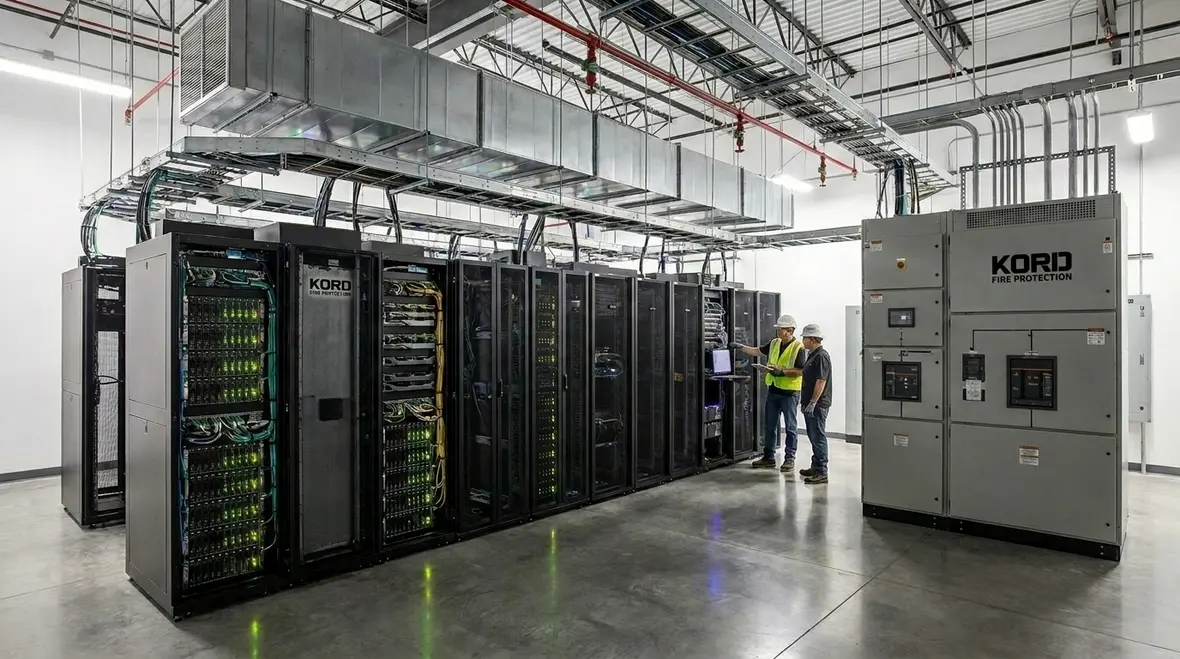
Electrical faults can escalate quickly, especially in environments packed with power electronics and high value assets. Therefore, protection does not belong as an afterthought. It must integrate with electrical distribution, cabling practices, detection strategy, and shutdown procedures.
This is where Kord Fire Protection can become a vital partner. While electrical and cooling teams focus on efficiency and uptime, fire protection teams focus on life safety and asset protection. When they coordinate from the early design stage, the result is smoother installation, fewer rework cycles, and clearer pathways for inspection and commissioning.
For example, Kord Fire Protection can align detection and suppression selection with the specific electrical rooms and cable pathways, then support layout decisions that maintain accessibility and comply with relevant Australian standards. Additionally, they can help ensure that protection systems interface cleanly with emergency response procedures, so teams do not discover conflicts during commissioning.
Teams working in sensitive server environments may also find it useful to review specialized fire protection for data centers with sensitive data or explore how clean agent systems for data center fire protection support critical equipment without turning the response into a cleanup disaster. Because if your fire strategy damages the thing you were trying to protect, that is less “solution” and more “plot twist.”
In short, they help keep the project from turning into a “who owns this interface” debate that drags on until the deadline sweats through the hard hats.
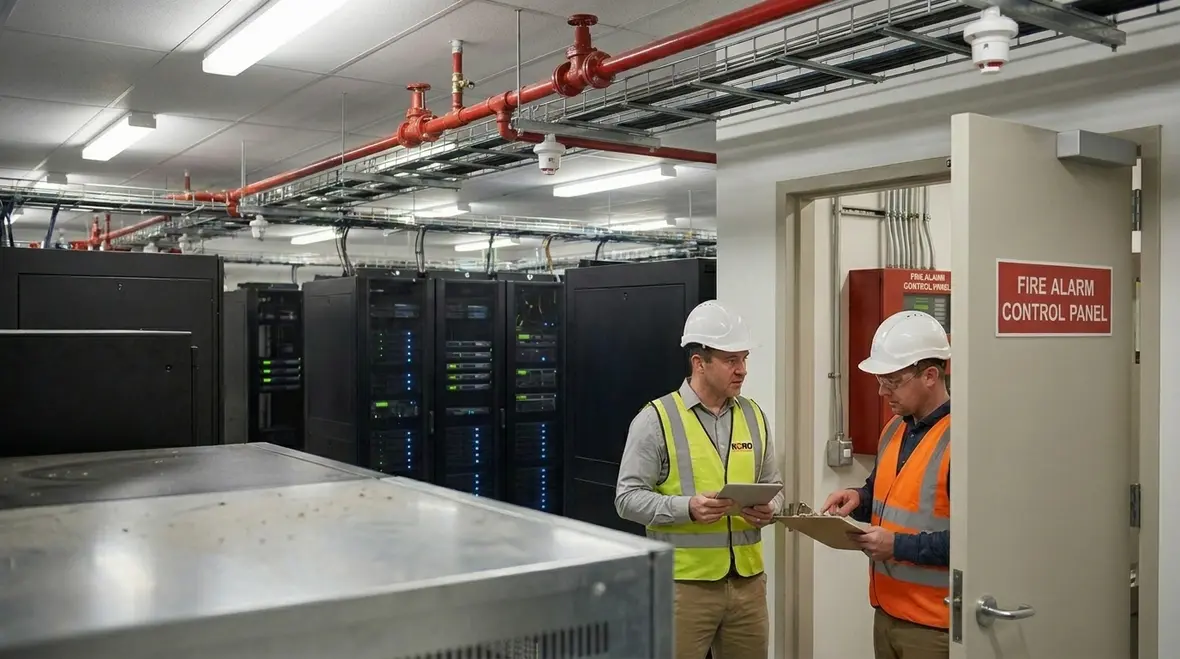
Commissioning and monitoring to keep efficiency from drifting
Even strong designs can drift after installation. Filters clog, sensors drift, setpoints get adjusted for comfort, and partial loads become the daily reality. So, commissioning should verify both electrical performance and cooling behavior, then monitoring should detect change early.
Teams should include tests for load balance, voltage stability, UPS efficiency, and thermal mapping across rows. Next, they should validate that cooling controls respond correctly to inlet and exhaust temperatures, and that airflow containment performs as designed. After that, they should confirm that fire protection systems integrate with site procedures and remain fully functional after electrical work.
Finally, they should establish an operating rhythm: scheduled calibration, trend reviews, and maintenance windows that match the critical load profile. When monitoring ties into work orders, faults stop becoming surprises. They become data, which is the closest thing to a superpower facilities teams can get without a cape.
Why post install discipline matters so much
A well commissioned site has a much better chance of staying efficient because it starts from verified performance instead of assumptions. But that edge disappears fast when nobody checks sensors, trendlines, control behavior, or protection interfaces after handover. Systems drift quietly. Bills rise politely. Then suddenly the facility has an “unexpected” problem that had actually been sending invitations for months.
Build an efficiency roadmap for industrial, retail, and commercial sites
Data centers can exist inside larger industrial, retail, and commercial footprints in Australia, and the approach should match the environment. A phased roadmap helps stakeholders avoid disruptions and keep budgets under control.
- Phase one should capture baseline energy use, current cooling effectiveness, and power quality indicators. This step also identifies where data center power cooling efficiency drops, such as inefficient operation at partial load or thermal short circuits.
- Phase two should tackle electrical improvements like distribution optimization, monitoring upgrades, and control coordination between UPS, switchgear, and cooling plant.
- Phase three should address protection and verification. Here, Kord Fire Protection fits naturally: they support the protection plan so it stays consistent with the electrical layout, detection zoning, and emergency procedures. That coordination reduces downtime risk during later stages.
- Phase four should keep the gains alive through tuning, training, and ongoing measurement.
What teams should ask before they start the upgrade
Before the first panel schedule is approved, facilities leaders should ask pointed, practical questions that lead to better outcomes. The goal is clarity, not paperwork.
- Does the electrical design address harmonics, voltage drop, and thermal limits under real load profiles?
- Does the cooling strategy align with the expected heat density and airflow patterns?
- Are the monitoring points placed to prove performance, not just to collect dust in a dashboard?
- Do shutdown and emergency procedures match the installed protection scheme?
- Will Kord Fire Protection coordinate the protection layout with cable pathways and electrical room design so commissioning stays clean?
If the answers cannot be verified, the project risks becoming an expensive guessing game. And nobody wants that. Least of all the person who has to sign off at 5 pm on a Friday.
FAQ
Conclusion and CTA
To optimize electrical infrastructure and sustain data center power cooling efficiency, teams should design power and cooling together, then prove performance through commissioning and monitoring. Just as importantly, they should integrate fire protection early so safety, compliance, and uptime do not fight each other.
Facilities across Australia can move faster and reduce rework by partnering with Kord Fire Protection at the planning stage. If the project matters, bring in the right protection partner early and keep the build calm, safe, and efficient.

Join Our Newsletter!
Get the latest fire safety tips delivered straight to your inbox From our Newsletter.