Compton Warehouse Fire Safety Guide
In the heart of Southern California’s industrial corridor, Compton warehouse fire safety is not just a checklist item. It is a living, breathing responsibility. Warehouses move fast. Forklifts hum. Pallets stack high. Products come and go like extras in a blockbuster film. Yet behind the movement lies a simple truth. One spark can rewrite the script. That is why local businesses lean on experienced professionals, including Kord Fire Protection technicians, to guide them through fire prevention, system design, and code compliance. This article explores how warehouse owners in Compton can protect people, property, and peace of mind with practical, proven steps.
Understanding Fire Risk in Compton Warehouses
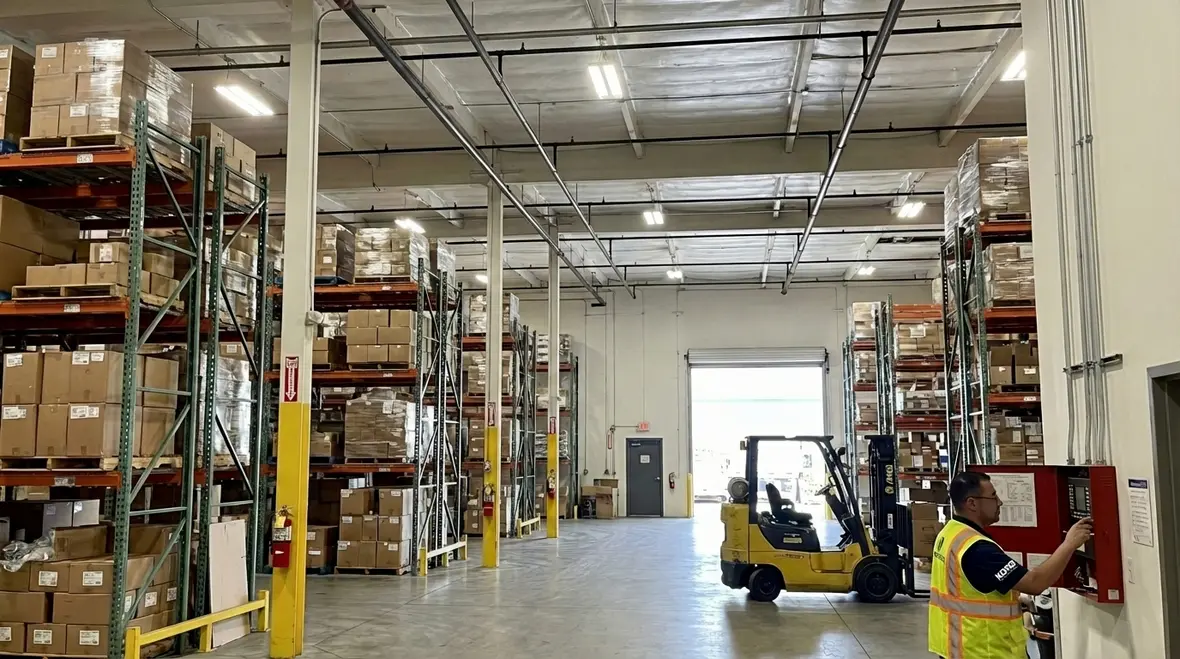
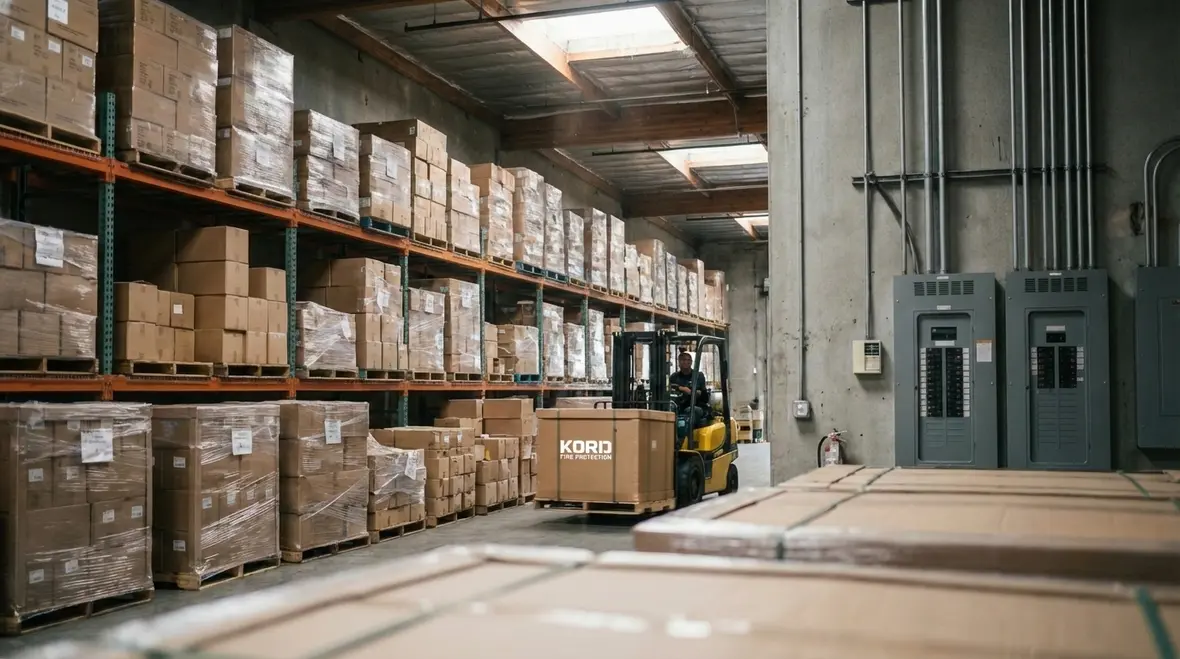
Warehouses carry a unique fire profile. First, they store large quantities of goods. Second, those goods often include cardboard, plastics, chemicals, or electronics. In other words, fuel sits neatly stacked from floor to ceiling. Add electrical panels, battery charging stations, and heavy equipment, and the risk multiplies.
Moreover, Compton’s warm climate can dry out materials and increase fire spread speed. While sunshine feels great on a lunch break, it does not do any favors for combustible storage. Therefore, warehouse managers must understand how quickly fire can travel through tightly packed racks.
Kord Fire Protection technicians often explain it this way. Fire behaves like a gossip rumor in high school. Give it one open path, and it spreads everywhere before anyone can stop it. Consequently, smart layout planning, proper sprinkler coverage, and clear aisle spacing make a measurable difference.
In addition, local fire codes require specific safety measures based on occupancy type and storage height. Ignoring those rules is not just risky. It can also lead to fines, shutdowns, and higher insurance premiums. No one wants their warehouse to become famous for the wrong reasons.
For a deeper dive into how storage configuration impacts protection choices, many Compton facilities review guidance like Kord Fire’s warehouse-focused extinguisher spacing article, which unpacks high pile storage and distance rules in plain language.
Building a Strong Fire Prevention Foundation
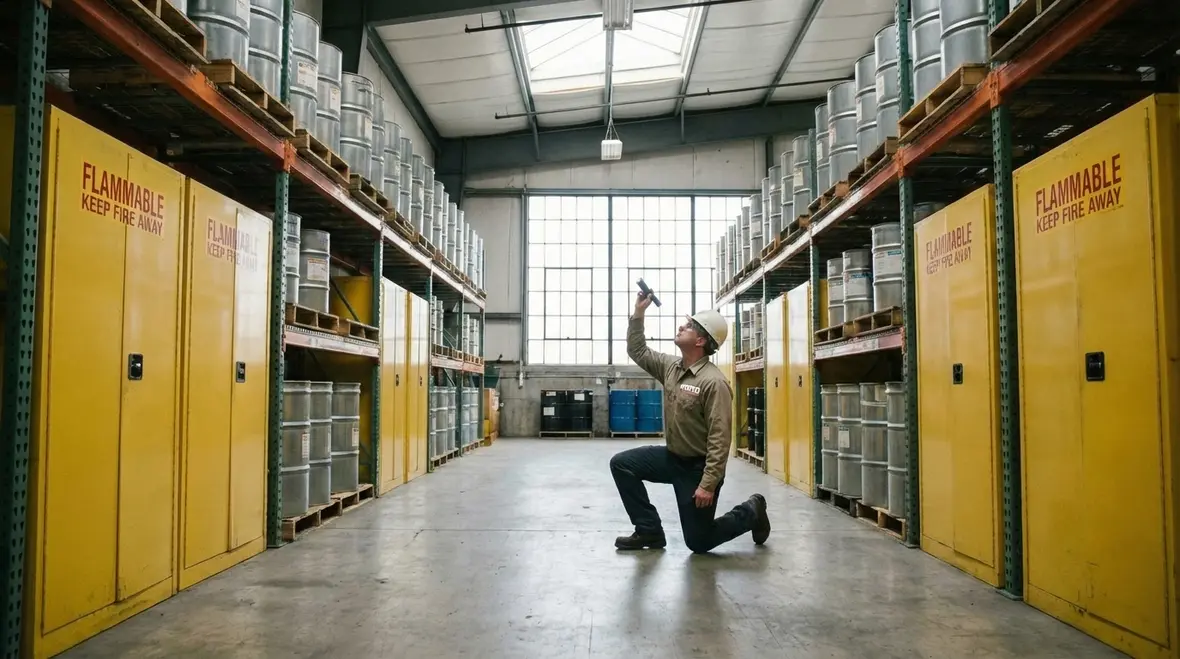
Fire prevention begins long before alarms sound. It starts with habits. Clean floors. Clear exits. Proper storage. Although that may sound simple, consistency turns basic steps into powerful protection.
For example, warehouses should:
- Keep aisles clear so fire crews can move quickly
- Store flammable materials in approved containers
- Maintain safe clearance below sprinkler heads
- Inspect electrical systems for worn wiring or overloaded circuits
- Separate battery charging areas from general storage
Furthermore, managers should schedule routine internal inspections. When teams walk the floor weekly, they catch small problems before they grow. A blocked exit today could become a serious hazard tomorrow.
Kord Fire Protection technicians often remind clients that prevention costs less than recovery. After all, replacing a frayed extension cord is far cheaper than rebuilding a 50,000 square foot facility. It is not exactly a thrilling Hollywood plot twist, but it is a wise business move.
Warehouse managers who want to go one layer deeper on extinguisher spacing and hazard levels often pair this guide with Kord’s breakdown of Los Angeles fire extinguisher requirements, which explains how distance, rating, and visibility work together across different occupancies.
Fire Sprinkler Systems That Match Storage Types
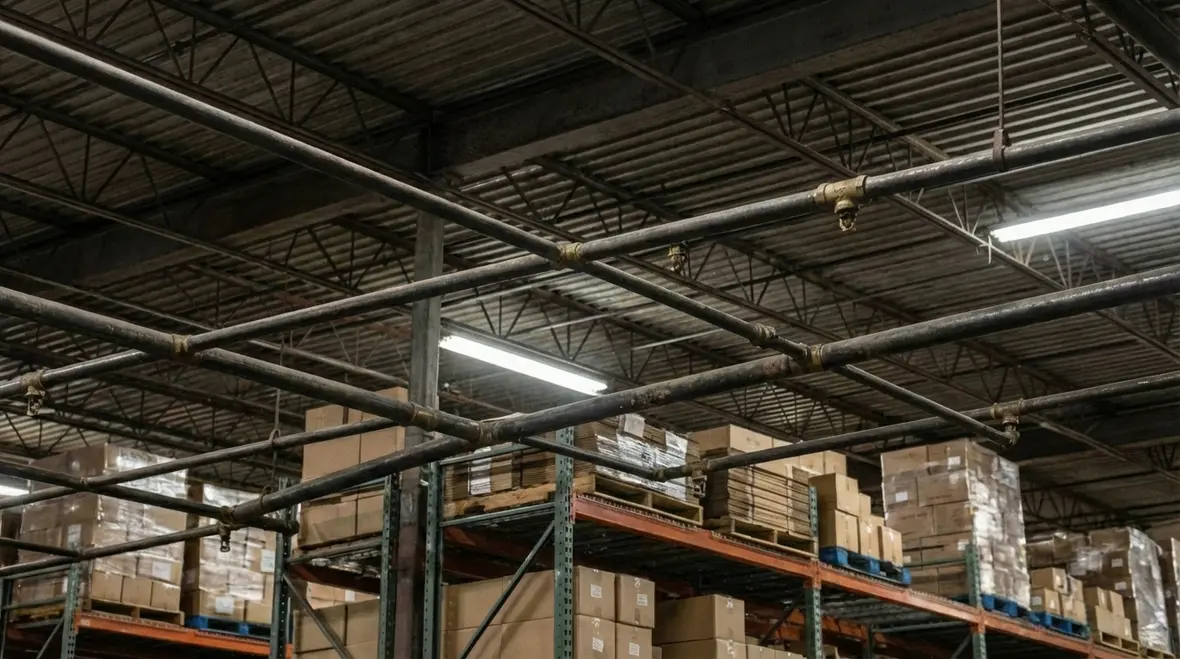
Not all sprinkler systems are created equal. In fact, the type of goods stored determines the correct system design. High piled storage, flammable liquids, and rack configurations each require specific calculations.
For Compton warehouse fire safety compliance, property owners must ensure that sprinkler density, water supply, and head placement match their hazard classification. Otherwise, a system may activate but fail to control the fire effectively.
Kord Fire Protection technicians evaluate several factors during inspections:
- Ceiling height and rack depth
- Commodity classification of stored goods
- Water pressure and flow rates
- Obstructions that could block spray patterns
Additionally, they test valves, alarms, and backflow devices to confirm everything functions as designed. Because warehouses evolve over time, changes in inventory can quietly alter fire risk. A space that once stored paper goods may now hold plastic components. That shift alone can require system upgrades.
Therefore, regular professional assessments keep systems aligned with current operations. Think of it like updating software. The hardware may look the same, but the risk profile has changed.
What Fire Code Requirements Apply to Compton Warehouse Fire Safety?
This is the question many owners type into search engines late at night. And understandably so. Fire codes can feel dense and technical. However, the core requirements focus on life safety and fire control.
In general, warehouses in Compton must comply with California Fire Code and local amendments. These regulations address:
- Automatic sprinkler installation
- Fire alarm and detection systems
- Exit signage and emergency lighting
- Fire department access and hydrant placement
- Hazardous material storage limits
Moreover, facilities must allow routine inspections by local authorities. Inspectors review documentation, test systems, and verify that storage heights remain within approved limits.
Kord Fire Protection technicians often walk clients through these requirements step by step. They translate code language into plain English. Instead of drowning owners in technical jargon, they explain what must happen, why it matters, and how to fix gaps quickly.
Consequently, businesses stay compliant while avoiding last minute surprises. Because let us be honest, surprise inspections rank somewhere between dental surgery and airport security on the fun scale.
Many Compton operators also coordinate with regional fire protection teams that understand Los Angeles County expectations, using resources such as Kord’s Compton fire protection services overview to align warehouse strategies with local enforcement trends.
Emergency Planning and Employee Training
Even the best equipment cannot replace trained people. When alarms activate, seconds matter. Employees must know exactly what to do.
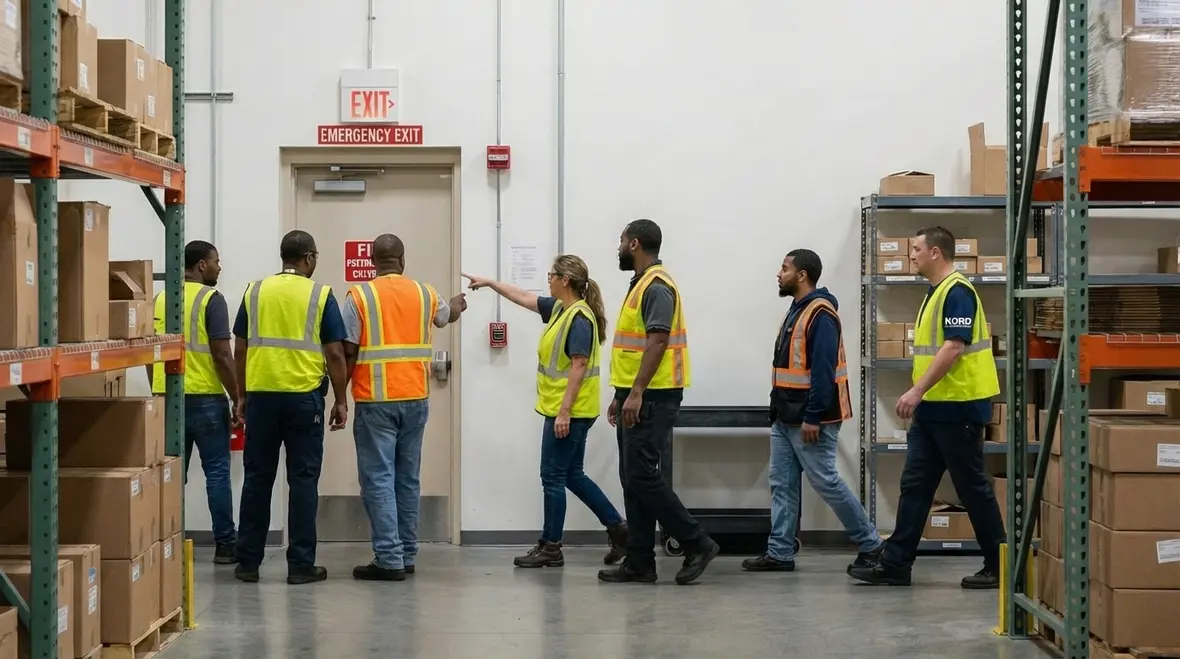
First, warehouses should develop a written emergency action plan. This document outlines evacuation routes, assembly points, and assigned responsibilities. Second, managers should conduct regular drills. Practice builds calm responses under pressure.
Training should cover:
- How to recognize fire hazards
- How to report emergencies immediately
- When and how to use portable fire extinguishers
- Where primary and secondary exits are located
Additionally, supervisors should ensure new hires receive safety orientation before starting work on the floor. Warehouses often experience turnover. Therefore, ongoing training keeps everyone aligned.
Kord Fire Protection technicians sometimes participate in walkthroughs, pointing out real world examples during sessions. They show staff how sprinkler heads activate and why stacking boxes too high creates danger. When employees see the mechanics behind the system, they respect it more.
And while no one expects warehouse staff to transform into action heroes, clear instruction can prevent panic. In emergencies, calm beats chaos every time.
Inspection and Maintenance That Protects Operations
Systems installed today must still work five years from now. That is where inspection and maintenance programs come into play. Without them, even the best equipment can fail quietly.
Routine Inspection Focus
- Quarterly sprinkler valve checks
- Annual flow tests
- Fire alarm battery replacement
- Visual pipe inspections
- Extinguisher pressure verification
Operational Benefits
- Reduced system downtime
- Lower insurance risk ratings
- Fewer compliance violations
- Early detection of corrosion or leaks
- Greater confidence during audits
As shown above, maintenance supports both safety and business continuity. Furthermore, documented service records demonstrate due diligence to insurers and regulators.
Kord Fire Protection technicians provide detailed reports after each visit. They highlight deficiencies, recommend corrective action, and prioritize urgent repairs. Because in fire protection, guessing is never a strategy.
Regular servicing also extends equipment life. Instead of reacting to breakdowns, warehouse owners stay ahead of them. That proactive stance keeps operations running smoothly and protects revenue streams.
Adapting to Growth and Operational Changes
Warehouses rarely stay the same. Businesses expand. Inventory shifts. Racking systems rise higher. While growth signals success, it also changes fire dynamics.
For example, increasing storage height can block sprinkler discharge patterns. Similarly, introducing lithium ion batteries adds new hazards that require special precautions. Therefore, each operational shift should trigger a fire risk review.
Kord Fire Protection technicians often conduct re evaluations when facilities modify layouts. They assess ceiling clearance, water supply adequacy, and alarm coverage. If needed, they recommend system upgrades or design adjustments.
In addition, warehouse managers should communicate planned changes early. Waiting until after construction can complicate compliance. It is far easier to design safety into a project than to retrofit it later.
Compton warehouse fire safety depends on this forward thinking mindset. Growth should never outpace protection. Otherwise, success can unintentionally raise exposure.
Frequently Asked Questions
Protecting Your Warehouse Starts Now
Fire safety is not dramatic until it needs to be. By then, it is too late. Warehouse owners in Compton who invest in prevention, training, and professional support build resilience into their operations. Kord Fire Protection technicians stand ready to assess systems, explain requirements, and guide improvements with clarity and care.
From extinguisher layout to sprinkler performance and alarm testing, a single coordinated plan reduces guesswork and keeps day to day operations running smoothly. That blend of technical detail and practical communication is what helps busy facilities stay safe without losing momentum.
Schedule an evaluation today and turn smart planning into lasting protection for people, property, and progress. If your facility operates across Los Angeles County, consider pairing this guide with a full service partner who understands regional codes and warehouse realities.
To get started, connect with Kord’s dedicated Compton fire protection services team and request a comprehensive warehouse assessment. A short walkthrough now can prevent a long recovery later.
Know Your Weapon Before You Fight the Flame
Kord Fire Protection is your go-to when it comes to all things fire protection. For over 20 years, we’ve been serving Southern California with the quality service and equipment to keep your home or business safe at all times. Our competitive prices reflect our unwavering commitment to protecting what matters most in the event of a fire emergency. Give us a call, send an email, or use that form!

Join Our Newsletter!
Get the latest fire safety tips delivered straight to your inbox From our Newsletter.