Commercial Standpipe System Flow Testing and Maintenance
In many buildings, the commercial standpipe system flow is not a “set it and forget it” number. It is a living performance target that changes with water demand, valve position, fire pump health, and even small shifts in building use. So, when kord fire protection technicians walk a site, they do not just measure pressure and call it a day. They confirm that the standpipe system flow stays within design needs long before an emergency ever shows up. And yes, if the flow behaves like a stubborn playlist that skips every third song, the technicians find out why.
What the Commercial Standpipe System Flow Should Do During an Event
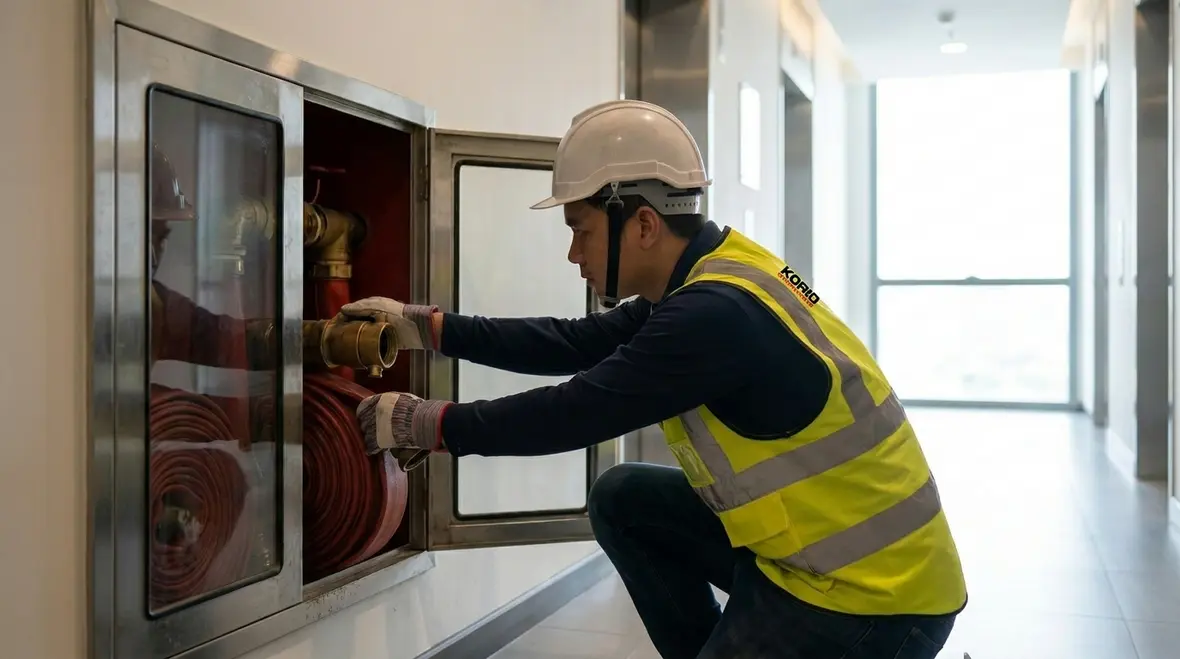
Commercial standpipe systems move water to interior hose stations so firefighters can attack fires quickly, without wasting precious time. However, the system must deliver the right volume under real conditions, not ideal lab conditions. That is why maintaining optimal flow rates matters so much. Water that arrives too slowly delays cooling and fire control. Water that arrives too fast can also create operational problems, including hose strain and unstable flow patterns.
Therefore, kord fire protection technicians focus on the system’s intended performance curve. They verify that pressure, flow, and hose friction losses work together as the fire attack evolves. If one piece drifts, the whole story changes. In real scenarios, firefighters depend on predictable output. A system that behaves inconsistently forces crews to adjust tactics mid-operation, which is not ideal when every second matters.
Why Flow Rates Drift Over Time in Commercial Buildings
Even a well designed system can drift. First, buildings change. Tenants expand, manufacturing shifts, sprinkler zones get modified, and sometimes old plumbing gets “updated” with parts that do not match original intent. Next, water demand outside the standpipes changes. City pressure can vary with time of day, and pump schedules can shift after maintenance. Meanwhile, internal components age.
Common causes of flow drift include partially closed valves, accumulated debris, worn pump impellers, leaking check valves, and misaligned controller settings. Also, hose lengths and adapters can vary from what the system was tested with. When crews grab hoses that differ slightly, friction losses change, and the system flow response changes too. As a result, kord fire protection technicians treat flow rate like a trend, not a single snapshot.
How Technicians Measure and Verify Standpipe Performance
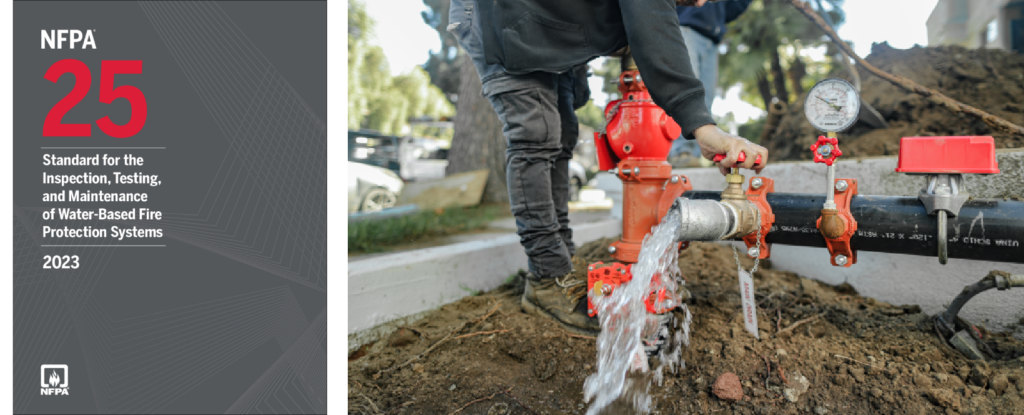
Maintenance starts with good measurement. Technicians use calibrated test equipment to confirm both flow and pressure at required points. They also check supply conditions upstream, because the standpipe system flow depends on what the fire pump, riser piping, and supply mains can actually deliver.
During testing, kord fire protection technicians analyze the whole path. They do not only look at one gauge. They account for hose friction, elevation differences, and any fittings that create extra resistance. Then they compare results to the design targets and previous records. Over time, this builds a performance history that helps predict issues before they become critical failures.
Control the Variables That Affect Flow, Not Just the Pressure
- Valves: Technicians confirm correct valve position, identify stuck valves, and ensure supervisory switches report properly.
- Pump operation: They verify pump curves, check suction conditions, and confirm the pump starts and ramps as designed.
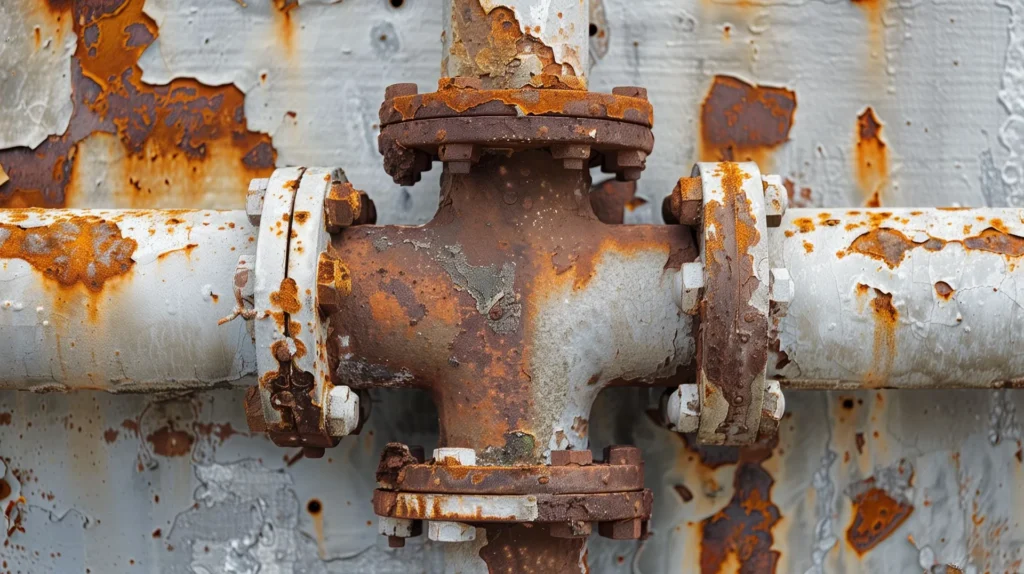
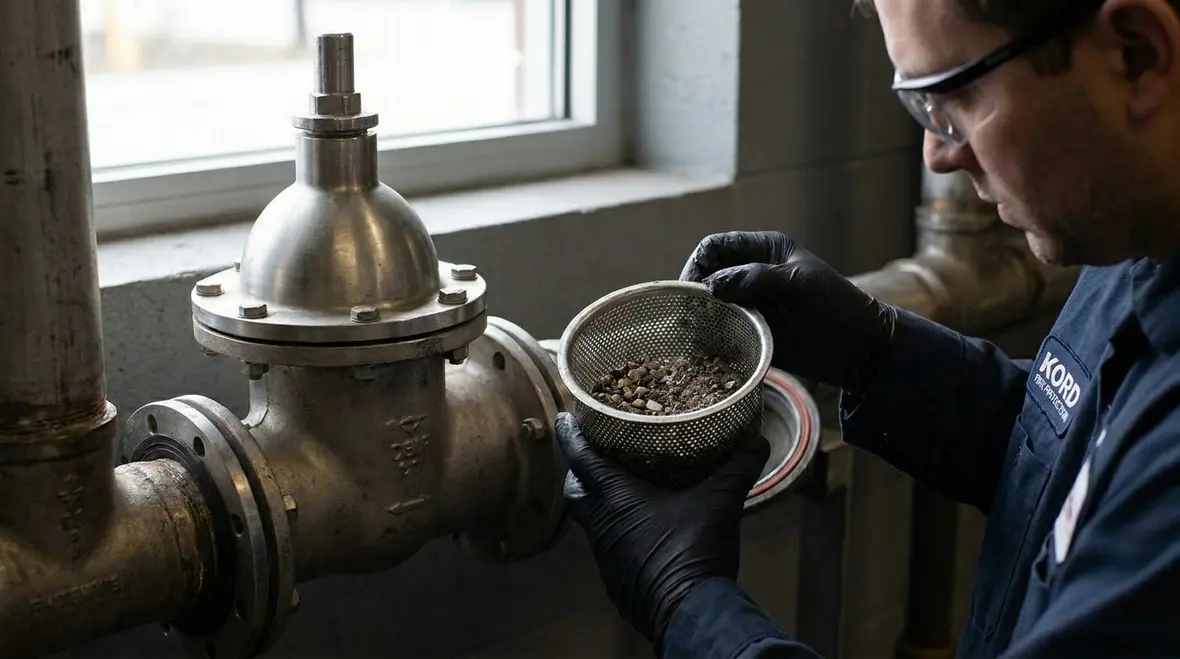
- Riser condition: They inspect strainers, check for debris, and watch for internal corrosion or scale that restricts passage.
- Fire hose compatibility: They verify that the tested hose and nozzles match what is stored and used in the building.
- Controller settings: They confirm logic and alarms align with the system’s design and inspection records.
Consequently, the system delivers stable water at the point of use, where it matters most. Focusing only on pressure is like judging a movie by a single frame. Flow provides the full context, ensuring that performance holds steady when it counts.
Maintenance Steps That Keep Flow Rates Steady Between Inspections
Formal testing matters, yet daily care keeps performance from sliding between visits. Kord fire protection technicians often recommend a routine that reduces surprises. First, they review building activity. If tenant use changes water draw or adds processes that affect plumbing, they schedule a flow trending review.
Next, they check documentation. They confirm that drawings match the actual installed system, including valve labels and configuration notes. Then they perform targeted checks during service visits. They verify that standpipe connections remain unobstructed, that access panels allow quick service, and that hoses and couplings remain in good condition.
Common Issues That Reduce Flow and How to Fix Them
- Partially closed valves: Even a small change can restrict water and reduce the system’s ability to hit the target flow.
- Blocked strainers: Debris collects over time and increases friction, lowering effective flow.
- Worn pump components: Impellers and seals wear, and performance shifts away from the design curve.
- Check valve problems: Leaks or stuck components can affect flow stability and cause unwanted pressure behavior.
- Incorrect hose setups: Differences in hose length, fittings, or nozzle types can raise friction losses.
FAQ About Standpipe Flow Rate Maintenance
Schedule Flow Testing With Kord Fire Protection Technicians
Maintaining optimal flow rates in commercial standpipe water systems protects people and supports firefighters with dependable water delivery. Kord fire protection technicians help building owners track performance, correct hidden restrictions, and confirm the system meets the design targets under real conditions.
If flow stability feels like a guessing game, that is your sign to test and trend, not to hope. Schedule a flow verification visit today and keep your standpipe system ready, consistent, and code confident.

Join Our Newsletter!
Get the latest fire safety tips delivered straight to your inbox From our Newsletter.