Smart Fire Monitoring Systems for Safer Response
When fire risk rises, modern buildings need answers, not alarms that only react after the damage starts. That is where Smart fire monitoring systems step in. They help detect warning signs earlier, share clear event details, and guide teams to the right action. Kord Fire Protection technicians often explain that the goal is simple: prevent problems before they grow, and keep people safe without turning your whole facility into a siren factory. And honestly, nobody wants the “Captain Kirk lights up the ship” experience every time a dust bunny sets off a sensor.
What smart monitoring adds to modern fire protection
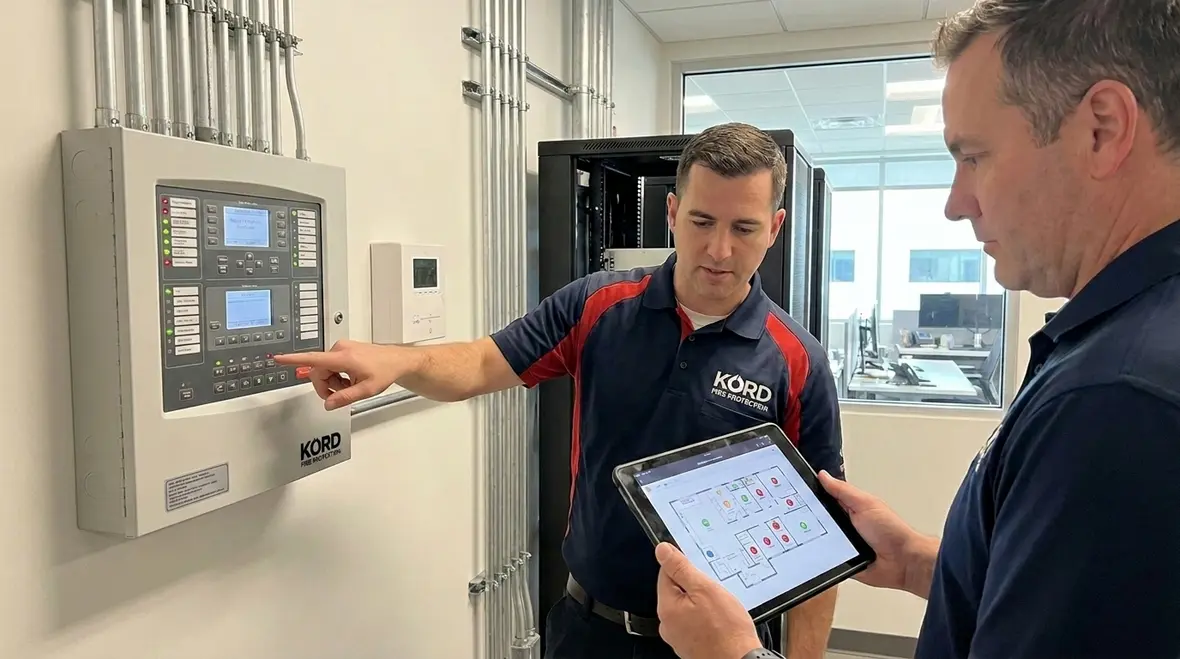
Smart monitoring takes traditional fire protection and adds a steady stream of usable information. It does this by tracking device status, signal patterns, and alarm context so technicians can tell the difference between a real fire event and a nuisance condition. For example, a sensor that reports smoke with the right timing and rate of change acts differently than one that spikes and drops like it is having a dramatic day.
Additionally, smart platforms can show trends. As a result, a facility manager can spot recurring detector issues, airflow problems, or wiring changes before they turn into service calls that ruin schedules. Kord Fire Protection technicians typically say that early data is not just helpful, it is cost control. Yet it also improves safety by reducing delays in investigation.
Why better context changes the outcome
A standard alarm can tell occupants that something needs attention. A smart system goes further by helping operators understand what kind of attention is needed. Instead of treating every alert like the same emergency, staff can review a fuller picture, including device behavior, nearby activity, and system health. That means less confusion, fewer wasted steps, and a faster path to the right response when every minute feels suspiciously shorter than usual.
How intelligent sensors reduce false alarms and improve response
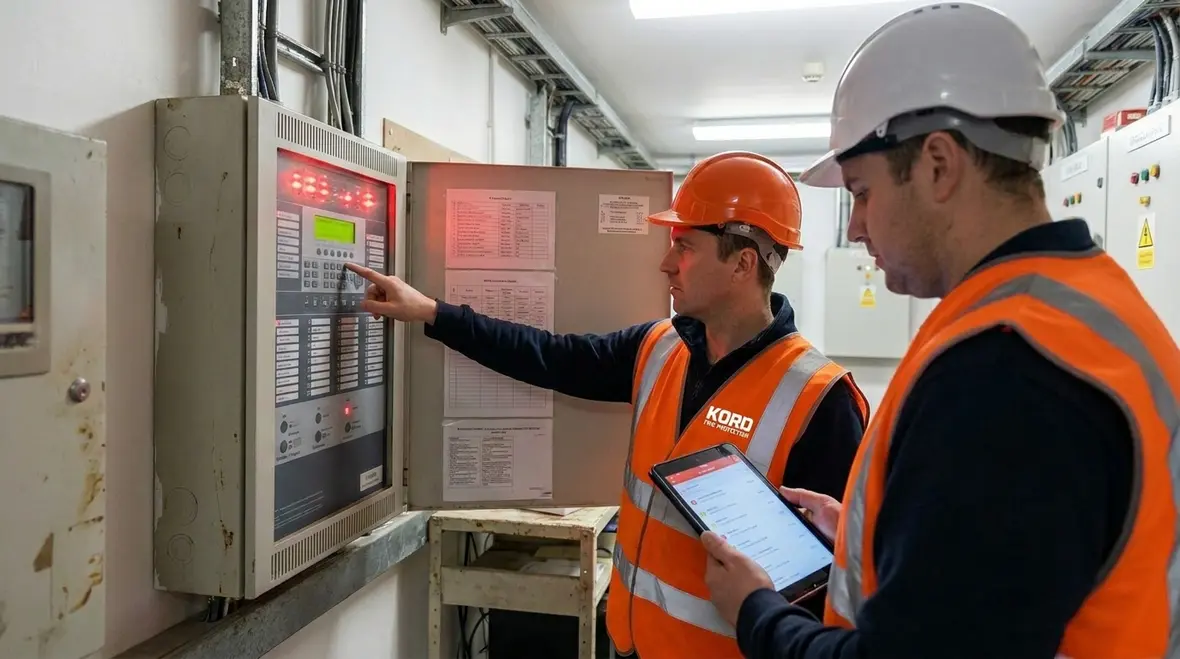
Smart monitoring systems use more than a yes or no trigger. They evaluate signals with context, such as where the alarm comes from, which device types report, and how the readings evolve. Therefore, response teams can handle events in a calmer, more targeted way.
When a detector sends an alert, the system can guide action based on event type. For instance, it may recommend checking the associated area for cooking activity, recent construction dust, or HVAC cycling. Then it can log that guidance for the next incident. In other words, the system builds institutional knowledge over time instead of starting from scratch each month.
Kord Fire Protection technicians often explain this plainly during installs. They tell customers that a properly tuned system acts like a good dispatcher. It does not just shout “alarm,” it helps decide what to do next. And when response decisions get clearer, the facility runs smoother.
A practical example of smarter triage
Picture a busy commercial space during a seasonal maintenance cycle. Dust, airflow shifts, and temporary equipment movement can all stir up conditions that confuse basic detection. A smart platform can compare multiple inputs and help staff verify whether they are dealing with a true fire condition or a maintenance-related nuisance. That does not mean anyone ignores an alarm. It means the response becomes more informed, more disciplined, and a lot less theatrical.
This same layered logic supports cleaner documentation too. Teams can record what happened, how the system interpreted the event, and what corrective action solved the issue. Over time, that history becomes a valuable operating tool instead of a pile of notes nobody wants to read unless coffee is involved.
Wireless integration and network reliability for real buildings
Many modern sites mix existing panels with newer devices. Smart monitoring must handle that reality. It should integrate with fire alarm control equipment, access control systems, and building management tools when needed. However, integration should not depend on unstable connections. If the network drops, the safety layer must still work.
That is why smart monitoring solutions focus on reliable communication and proper supervision. They watch device health, battery levels, signal strength, and tamper conditions. Then they alert the right person quickly. Also, they support maintenance workflows so technicians can test devices with less guesswork.
In practice, the strongest setups include clear labeling, correct zone mapping, and documented communication paths. This means when an event happens, the system points to the right area fast. Kord Fire Protection technicians often stress that network reliability is not a “nice to have.” It is part of code compliant design and everyday safety operations.
For facilities that want a stronger grasp of routine system performance, Kord Fire Protection also covers the inspection side in Fire Alarm Inspection and Testing for Commercial Buildings. That kind of regular testing pairs naturally with smart monitoring because useful data only stays useful when the devices generating it are verified and maintained.
Cloud dashboards and event analytics that staff can actually use
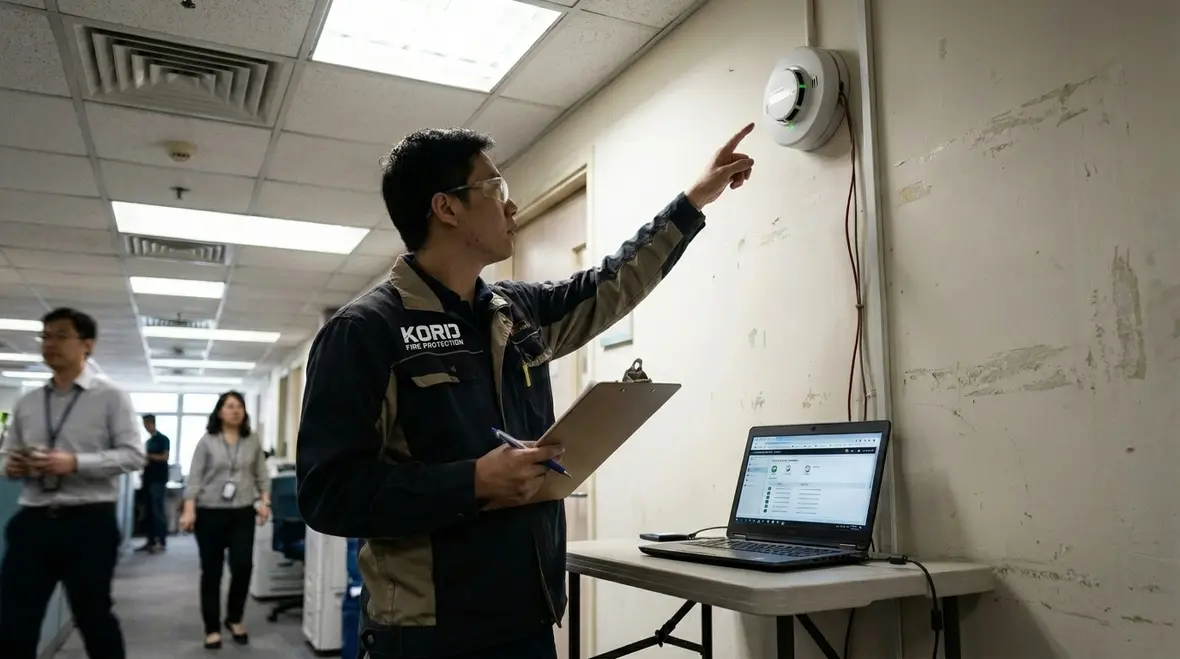
Dashboards are only useful if staff understand them under pressure. Smart fire monitoring systems present event details in a clear format, such as device location, alarm type, timestamp, and device state before the event. Moreover, they can include notes from prior inspections and service history. That way, a technician is not forced to play detective like it is a mystery novel where the “suspect” is a dirty detector head.
Event analytics also help identify patterns. For example, if one zone alarms more often than others, the system can highlight probable causes. It can show whether the trend aligns with seasonal HVAC changes or with a specific workflow in that space. Consequently, the facility can reduce disruptions and plan service at the right time instead of reacting to each alarm as it appears.
Kord Fire Protection technicians often recommend setting up role based access too. That means managers see what they need, technicians see what they need, and everyone avoids guessing. And yes, that reduces the kind of chaos where three departments open the same ticket and still ask the same question.
Turning analytics into maintenance strategy
One of the biggest benefits of smart monitoring is that it helps facilities stop treating every issue like a surprise. Analytics can reveal recurring trouble spots, identify device patterns, and support better scheduling for testing or cleaning. Instead of reacting after another unwanted alarm interrupts the day, teams can prioritize work where it actually matters. That is easier on staff, easier on operations, and probably easier on everybody’s blood pressure too.
Implementation plan: steps Kord Fire Protection technicians recommend
Smart monitoring succeeds when it gets installed with discipline. Kord Fire Protection technicians typically follow an approach that balances safety, usability, and long term support. First, they evaluate the site. They confirm coverage areas, existing equipment compatibility, and the paths people use during emergencies.
Next, they design the system logic. This includes mapping zones, confirming detector selection, and setting alarm and supervision thresholds. Then they verify integration points so the monitoring platform receives accurate device health data. After that, they commission the system using proper tests and documentation.
Finally, they train staff. They explain how alerts appear, what the first response steps look like, and who handles which alarm categories. Training matters because even the best technology fails when people do not trust the process.
To keep the solution smooth, they also plan maintenance schedules. They outline how often to test devices, how to review analytics, and how to update settings when changes occur in the building. This is where smart monitoring systems deliver value beyond installation day. Businesses that want a clearer overview of ongoing monitoring can also explore What Is Fire Alarm Monitoring and How It Works for more context on how signals are handled after detection.
Cyber safety, access control, and protecting the monitoring layer
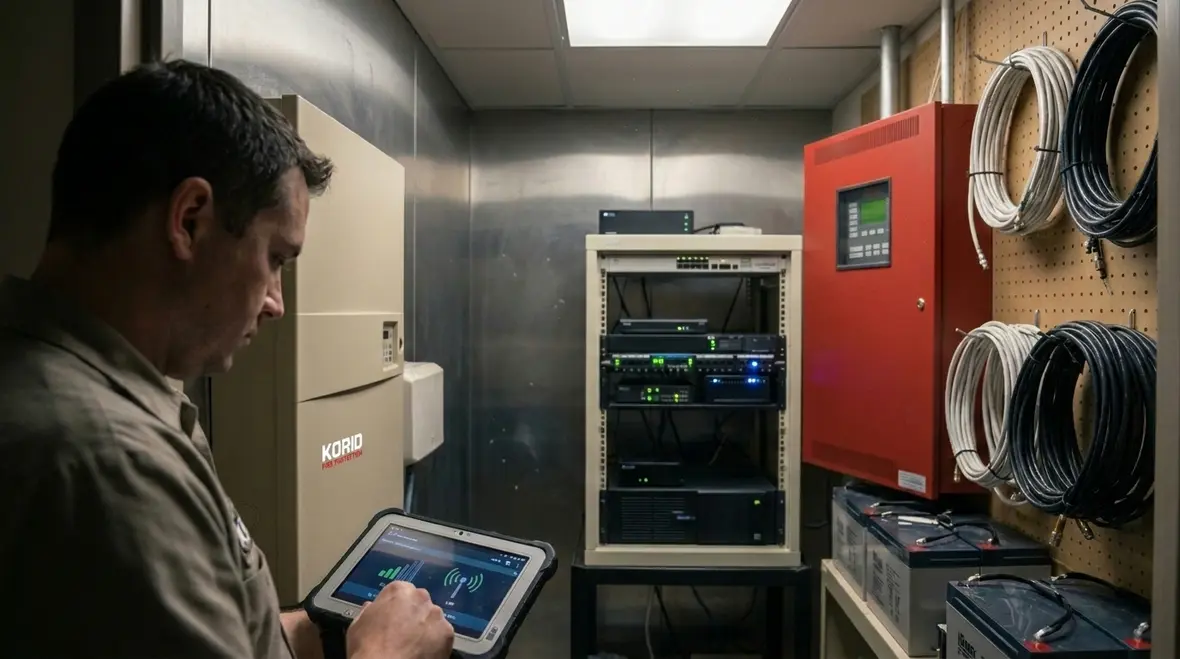
Fire systems must stay safe from tampering and from cyber risks. Smart monitoring involves network connections, so it needs protective steps. That includes secure authentication, strong access controls, and encrypted communication where appropriate. Also, teams should limit who can modify settings and keep audit logs of system changes.
Because smart monitoring systems can alert remote teams, it must also control how notifications work. The system should route alerts to the correct contacts and prevent noisy, unclear messages. When notifications are controlled, response teams focus on life safety rather than chasing rumors.
Kord Fire Protection technicians often advise customers to treat the monitoring layer like critical infrastructure. They recommend regular reviews of access permissions and periodic checks of configuration. In addition, they suggest backups and clear recovery steps so a system can keep operating even during faults.
Security habits that support reliability
Good cyber hygiene is not separate from fire safety anymore. Access reviews, documented user roles, and careful configuration management all support better response outcomes. If the wrong people can change settings or if alert paths become messy, the system loses clarity right when clarity matters most. Smart monitoring works best when technical security and life safety planning act like teammates instead of strangers at the same meeting.
Featured FAQ: Smart monitoring for fire protection
Conclusion and call to action
Smart fire monitoring systems help facilities detect issues earlier, reduce confusion during events, and build a smarter maintenance routine. And while the technology matters, the real advantage comes from good design, correct setup, and ongoing support by trained professionals. Kord Fire Protection technicians can help your team choose the right approach, integrate it cleanly, and train staff so everyone acts fast with confidence.
If you want monitoring that performs in the real world, contact Kord Fire Protection to plan your next upgrade. For a broader look at support options, visit Fire Alarm Services or explore Full Fire Protection Services to connect smart monitoring with a complete life safety strategy.

Join Our Newsletter!
Get the latest fire safety tips delivered straight to your inbox From our Newsletter.