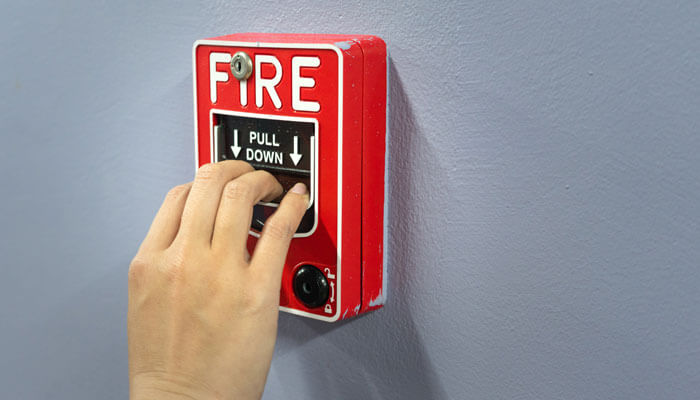
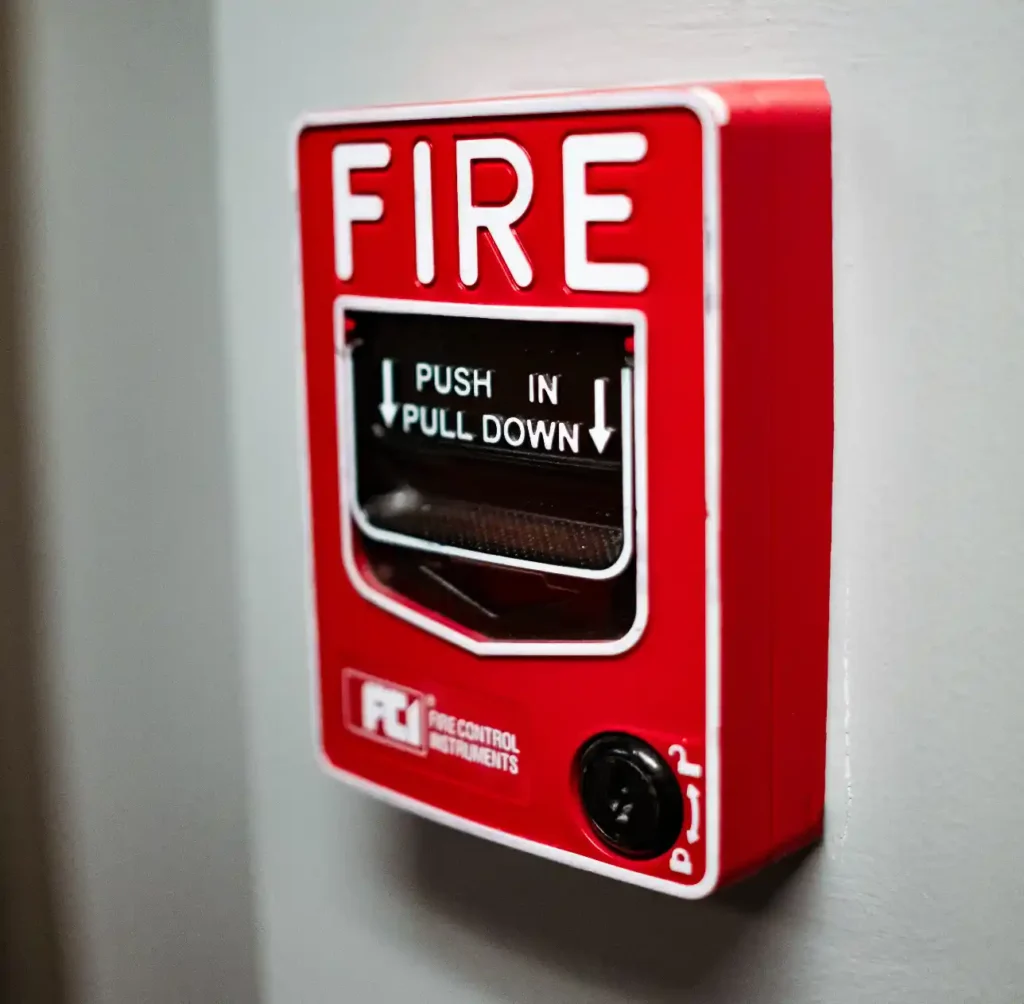
When people ask about commercial fire alarm work, they usually start with the flashing lights and the pull stations. However, the real foundation sits far earlier in the process: fire alarm power requirements. These requirements drive how systems stay on duty during fires, power outages, and those “unexpected events” that always show up right on schedule. In this guide, a team of kord fire protection technicians explains what power a commercial fire alarm system actually needs, where that power comes from, and how installers should prove the design is safe. Along the way, they break down batteries, AC power, and system loads in plain language, so the conversation stays calm even when the stakes are high.
Why commercial systems need clear power planning
A commercial fire alarm system does not run on hope and good vibes. Instead, it depends on power that stays stable and available when conditions change. So, before anyone installs a control panel, they must identify the device count, the device types, and the current each one draws.
To make sense of this, kord fire protection technicians typically start with a simple idea: power equals current times time, plus the losses created by wiring runs. Then they factor in standby time, alarm time, and how the system behaves in the real world. That includes trouble signals, supervision circuits, and notification appliances operating during evacuation.
And yes, power planning can feel like reading a phone book, except the phone book never tells you what happens when the lights go out. Even so, this step prevents expensive changes later. It also avoids the most common failure scenario: a system that works on day one but struggles when it must perform under load.

What counts as load in a fire alarm design
Every fire alarm panel measures and expects specific loads. Therefore, designers and contractors must list the loads clearly, then add them up correctly. Kord fire protection technicians often see teams underestimate what “small” devices really add, especially when they ignore supervision and signaling behavior.
Typical load categories include the following:
- Alarm notification appliances like horns, strobes, and speakers
- Control and signaling devices such as control relays and signaling circuits
- Initiating devices including smoke detectors, heat detectors, and pull stations
- Auxiliary outputs that power door holders, fan controls, or interface modules
- Supervision and trouble circuits that monitor wiring and signal integrity
Next, technicians apply a realistic approach to duty cycles. For example, some systems may sit in standby for long periods, but once an alarm starts, multiple devices activate at once. That means instantaneous current can jump far higher than the standby number. As a result, accurate calculations matter more than guesswork.
AC power, standby time, and why batteries still matter
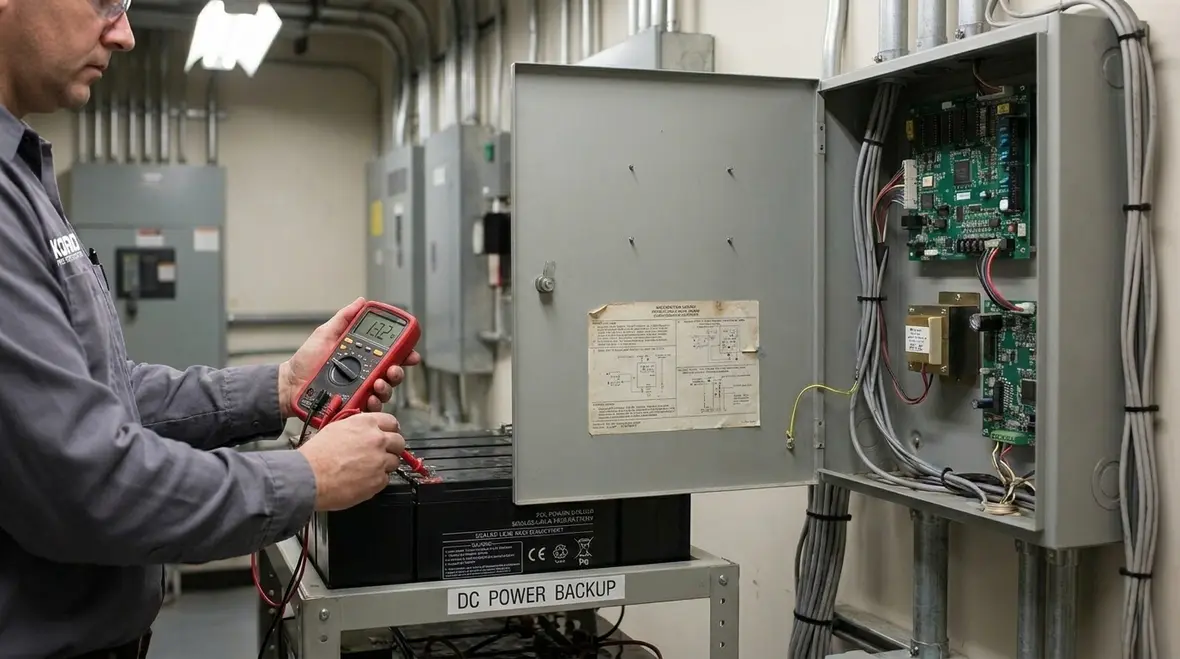
Most commercial sites rely on AC power first. However, code and good engineering require the system to keep working during AC failure. Therefore, the standby period becomes a key part of the fire alarm power requirements plan, because it determines battery capacity.
In practice, kord fire protection technicians treat battery sizing like a safety margin, not a checkbox. They calculate current draw in standby, then estimate how long the system must remain powered. After that, they include alarm draw for the required alarm duration.
Here is the practical way to think about it. If the system sits quietly for hours, it still pulls a constant background current. Then, during an alarm, it pulls a higher current to run notification devices. Batteries must handle both conditions without dropping below required voltage thresholds. Otherwise, the system can reset, brown out, or fail to transmit the right signals.
And if that sounds dramatic, it should. Fire alarm systems do not get a “second chance” once the building fills with smoke. Power stability is the difference between a warning that helps and a failure that delays help.
Voltage drops and wiring effects that installers cannot ignore
Even when batteries and panels provide the right power rating on paper, wiring changes the real outcome. Therefore, kord fire protection technicians focus on voltage drop, cable resistance, and circuit length. Longer runs increase losses, and those losses reduce available voltage at the far end of the device circuit.
This matters for both initiating circuits and notification appliance circuits. If voltage at the end of the line drops too far, detectors may not signal properly, and strobes may not meet the required output. In other words, the building does not care about the spreadsheet. It cares about electrons arriving where they need to go.
Technicians often address this with careful circuit planning. They may adjust wire gauge, reduce excessive runs, redistribute devices across circuits, or revise the design to keep voltage within acceptable limits. This work protects performance and helps the system pass acceptance testing without the dreaded “we need to rework the whole thing” conversation.
Calculating power requirements for common commercial components
To keep calculations accurate, fire alarm power requirements must reflect the specific components used in the project. Generic assumptions can mislead teams, so technicians rely on manufacturer data for current draw and device behavior.
In typical commercial designs, the key calculations include:
- Standby current for the control panel, detectors, and supervision circuits
- Alarm current for notification appliances during the required signaling duration
- Total system current that adds standby and alarm loads, then applies safety margins as required
- Battery sizing that accounts for end of life voltage and temperature effects where applicable
- Charging capacity that confirms the charger can replenish the batteries within the required time
Moreover, technicians consider how the system responds to events. For example, a panel may activate relays for HVAC shutdown, elevator recall, or door release. Those outputs may draw additional current, even though they look simple on the wiring diagram.
At this stage, kord fire protection technicians also verify that the control panel’s power budget supports the design. They then document calculations so the project team can explain the design clearly to inspectors, owners, and anyone who asks, “So, how do we know it will work?” In business terms, clear documentation prevents delays, disputes, and that slow-moving headache called change orders.
Codes, testing, and how professionals prove compliance
Power requirements do not live in isolation. They tie into system performance and inspection outcomes. Therefore, a good plan includes the paperwork and the field proof.
Kord fire protection technicians typically verify compliance by combining the design calculations with acceptance testing. They check that the system meets requirements under standby conditions, then confirm behavior when alarms activate. They also verify that battery voltage and charging performance match the expected values.
Next, professionals review device compatibility and placement. A panel powered correctly cannot compensate for incorrectly programmed zones or incompatible appliance ratings. Thus, the verification process includes configuration checks, device sensitivity and addressing checks, and wiring verification.
Here is a truth that never goes out of style. Testing exposes what math missed. Sometimes math is right but the field install changes things. Sometimes the field install follows instructions, but the design needs an update. Either way, testing keeps the building honest. It also keeps teams from learning lessons the hard way, like a sitcom character who insists the stove will work “next time.”
Common mistakes that cause power problems
Power issues usually come from predictable mistakes, which means they are preventable. Kord fire protection technicians see the same culprits across many commercial projects, and they address them early to avoid surprises.
Common mistakes include:
- Underestimating notification load by forgetting the full number of appliances that operate together
- Ignoring auxiliary outputs that draw current during alarm or supervisory states
- Overlooking voltage drop from long circuit lengths or undersized conductors
- Skipping battery end of life considerations and temperature impacts
- Misreading manufacturer current ratings by using the wrong operating mode
- Not documenting calculations so the team cannot defend the design during review
To stay ahead, teams should treat power calculations like project management: review them, verify assumptions, and keep communication tight. When teams do this, they avoid the “it passed before, so it should pass now” trap, which is about as reliable as a GPS that refuses to update. You might still drive, but you will not like where you end up.
FAQ
Ready to confirm your commercial system’s power plan?
Commercial fire alarm systems work only when power design and installation match reality. If your project needs dependable performance, the team at kord fire protection technicians can review the system loads, standby and alarm calculations, battery sizing, and voltage drop risks. Then they help you move forward with clear documentation and practical field verification, so approval feels less like a thriller and more like a routine step. Contact us today to schedule a power requirements review and keep your system ready for the moment it matters.
Book a Fire Alarm Power Requirements Review
Bonus tip: If your project also involves power continuity planning (generators, pumps, and standby equipment coordination), you will want the team’s power-focused approach to match everything else on site.

Commercial Fire Alarm Power Requirements Explained
Know Your Weapon Before You Fight the Flame
Kord Fire Protection is your go-to when it comes to all things fire protection. For over 20 years, we’ve been serving Southern California with the quality service and equipment to keep your home or business safe at all times. Our competitive prices reflect our unwavering commitment to protecting what matters most in the event of a fire emergency. Give us a call, send an email, or use that form!

Join Our Newsletter!
Get the latest fire safety tips delivered straight to your inbox From our Newsletter.