Sprinkler System Water Damage Prevention by Kord
How kord fire protection technicians prevent water loss before it starts
Sprinkler systems save lives, but they can also create a mess if water escapes where it should not. That is why sprinkler system water damage prevention matters long before a fire ever shows up. When pipes sweat, valves drift out of adjustment, drains clog, or freeze protection fails, the result is often costly ceiling stains, damaged stock, and disruptive cleanup. Fortunately, kord fire protection technicians approach prevention with the steady mindset of people who have seen “minor leaks” turn into full projects. In this article, they explain practical steps facilities can take to stop water damage in fire sprinkler systems while keeping compliance and reliability on track. And yes, they even address the tiny details that most folks treat like background noise until the bill arrives.
Prevention begins with the boring stuff that works. First, kord fire protection technicians treat water damage as a system problem, not a single equipment problem. In other words, they do not just look for leaks. They also look for conditions that allow moisture to move, collect, and cause harm. Then they confirm that the system stays ready without wasting water.
To guide that process, technicians usually focus on three ideas. Control where water can go, keep it from forming where it should not, and make sure it releases safely only when needed. Next, they document every finding and create a plan that matches the building’s layout and risk level. After all, a warehouse is not a hospital, and a mechanical room is not a quiet office hallway.
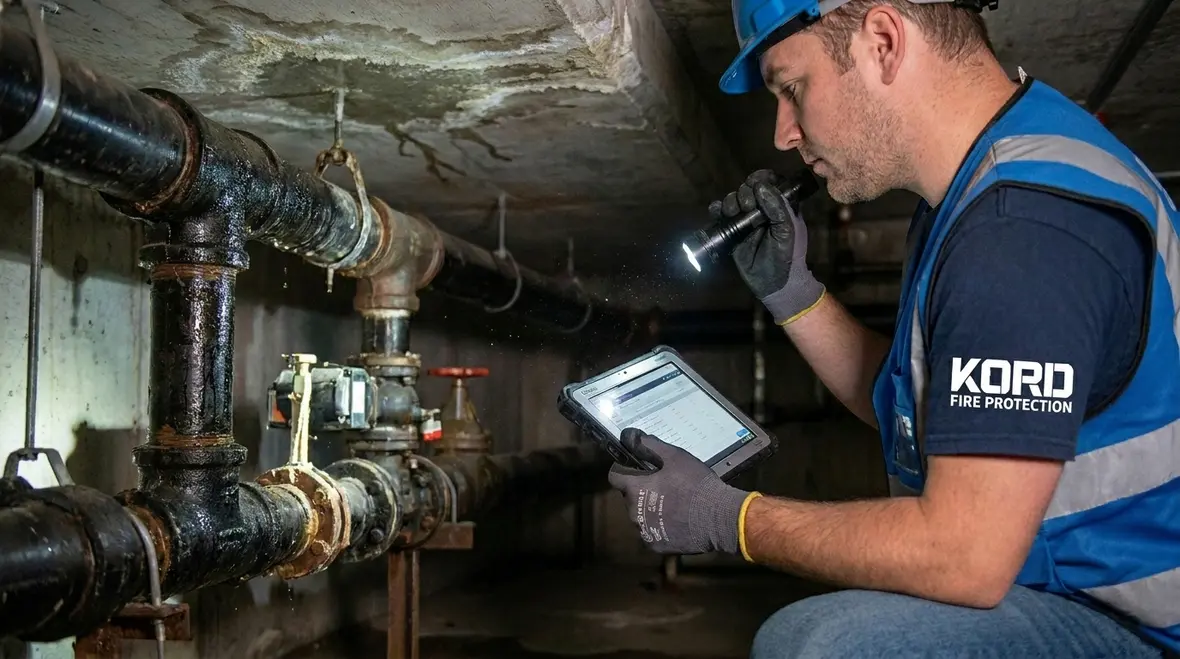
Where leaks hide: common failure points in sprinkler piping
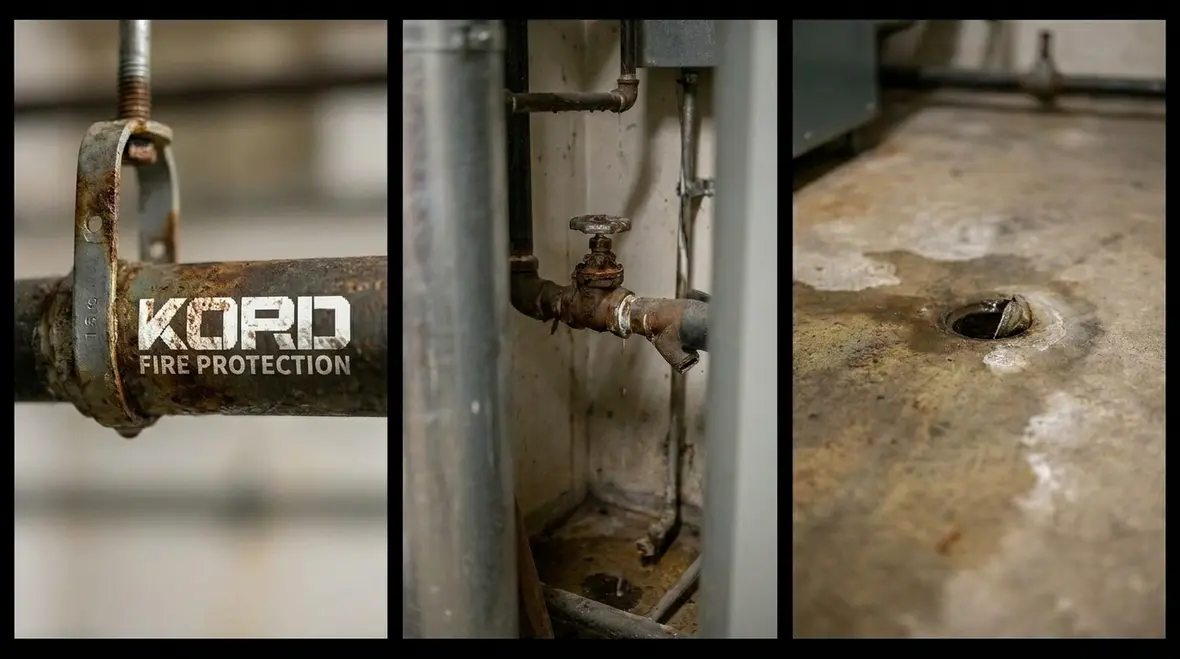
Water damage rarely announces itself with a neon sign. Instead, it shows up as recurring dampness, unexplained corrosion, or floors that never fully dry after inspections. Therefore, technicians start with the likely hiding spots.
- Mechanical room connections where fittings vibrate, seals age, or maintenance work introduces stress
- Valve assemblies including check valves and inspectors test connections that can drip after testing or during supply changes
- Pipe hangers and supports where alignment shifts and small gaps allow moisture to travel
- Drains and weep systems that clog with debris, then back up or spill
- Concealed spaces like above ceilings, attics, and chases where a small leak can soak insulation before anyone notices
Even so, the leak itself might not be the whole story. Sometimes the system stays intact, but the surrounding environment creates a second problem. For example, HVAC condensation can wet surfaces near sprinkler piping. Then the water damage looks “sprinkler related,” even when the fire system is innocent. That is why kord fire protection technicians pair inspection checks with area observations. They look for condensation patterns, staining lines, and moisture that follows airflow.
Moisture control for wet systems and hidden condensation risks
Moisture control often decides whether a building stays clean between emergencies. For wet systems, sprinkler piping holds water under pressure, so any weakness can leak continuously, slowly, or after temperature shifts. Meanwhile, cold surfaces can create condensation. As a result, the goal is to reduce both unintended flow and unwanted water on nearby materials.
Technicians typically recommend these steps:
- Check pipe insulation and sealing at joints, transitions, and penetrations, especially in attics and exterior walls
- Control airflow around piping so warm humid air does not condense on colder metal
- Maintain proper support spacing to prevent sagging that can pull fittings out of alignment
- Use leak monitoring where appropriate, such as trays or sensors in high risk concealed areas
In some buildings, the fix is simple: re-seal a penetration, improve insulation coverage, or correct a draft. In others, the fix requires a small redesign of how the space handles air. Either way, the work should stay professional, consistent, and documented. After all, “we think it’s fine” is a great phrase for movies, but a terrible phrase for sprinkler system water damage prevention.
Prevent freeze damage and burst failures in cold areas
Frozen pipes cause major harm, and the damage can show up as burst lines, displaced fittings, and water damage that spreads far beyond the original location. Therefore, kord fire protection technicians treat freezing risk as a design and maintenance priority, not an afterthought.
They often start by confirming the right protection method for the building’s climate and occupancy. Then they verify that it stays functional year round. Common approaches include:
- Properly designed antifreeze or dry systems where water is not stored in the piping for long periods
- Heat tracing and power checks for sprinkler piping in areas that require supplemental protection
- Insulated enclosures that reduce temperature swings
- Maintenance of heaters and controllers so the system does not “look on” while it quietly fails
Next, they verify that heat tracing does not get damaged during repairs, seasonal work, or housekeeping. Finally, they confirm that freeze protection set points match the real conditions, not last year’s guess. Because if winter shows up early, it does not care about human scheduling. Freeze damage does not respect calendars.
Keep test water contained: smarter inspection practices
Inspections and testing support life safety, yet testing can also create water damage if the process sends water into wrong areas or overwhelms drains. So technicians focus on containment and timing.
During testing, they often ensure:
- Drains and discharge piping flow correctly without overflowing nearby ceilings or walls
- Catch systems stay in place where needed, especially above suspended ceilings
- Access panels remain clear so crews can verify results quickly
- Valves and connections re-seat properly after inspections so small drips do not persist
Also, they coordinate with building staff. For example, a quick test can become a flood if the area drain is blocked by construction debris or if someone shut a valve without telling anyone. Therefore, kord fire protection technicians use a simple communication loop: plan, perform, observe, document. That method keeps the testing safe and reduces the “mystery wet ceiling” surprise that no one wants.
Best practices for reducing corrosion and pressure-related leaks
Corrosion and pressure problems often act like slow motion villains. They do not break the system in a day, but they weaken it over time. Then, during a test or a temperature change, water finds the path of least resistance. That is why sprinkler system water damage prevention includes long term system health checks.
Technicians typically address these areas:
- Water quality and residue that accelerates corrosion inside pipes
- Air and trapped moisture that can worsen scaling and internal wear
- Pressure stability so valves do not “hunt” and create repeated micro leaks
- Seal condition around threaded joints, flanges, and maintenance connections
Next, they examine how the building uses water. If the supply pressure swings frequently due to other systems, the sprinkler components may respond. Then the risk rises that tiny leaks start after a pressure change. With a steady maintenance plan, technicians can identify patterns early. And they can recommend repairs before the system produces water damage that spreads into drywall, insulation, and ceiling tiles.
Maintenance scheduling and documentation that actually works
A prevention plan is only as good as its follow through. Many facilities try to handle sprinkler inspections like a once a year checkbox. However, water damage prevention benefits from a schedule that matches building usage and local risk. So kord fire protection technicians often build maintenance around both time and observation.
They also document details in a way that helps the next team. That includes what they tested, what they observed, what they repaired, and what they recommended. Then it becomes easier to connect dots between service events and later moisture findings.
To keep the schedule practical, facilities can do this:
- Track recurring moisture zones and check them more often if they appear after heat or storms
- Coordinate seasonal readiness for freeze risk, humidity shifts, and HVAC changes
- Review prior water damage reports to identify weak links in access areas
- Confirm repairs for return to service so a fix does not fail during normal operation
When documentation stays clear, decision making gets easier. And if anyone ever says, “We never had an issue,” the file can gently prove otherwise. That is not a threat. It is just good business. Like checking your smoke alarm batteries, except it involves less chaos and more control.

FAQ: sprinkler water damage prevention
Yes. Warm humid air can condense on cooler pipes and fittings. Proper insulation, sealing, and airflow control reduce this risk.
Crews should confirm drains flow correctly, verify valves and connections re-seat properly, and check ceilings, walls, and below area discharge points for early signs of moisture.
Freezing can crack piping and break seals. Cold areas often need dry system design, antifreeze strategy, heat tracing, and strict monitoring before winter weather intensifies.
Ready to reduce water damage risk with a clear plan
Sprinkler system water damage prevention is a smart, practical way to protect property and keep life safety systems dependable. Kord fire protection technicians can help facilities identify hidden leak points, manage condensation and freeze risk, and refine testing practices to keep discharge contained. If moisture issues keep returning or you want a stronger plan before the next season, request an assessment today. You will reduce cleanup surprises, control costs, and keep your building running like it means it.
Keep compliance and reliability aligned
Prevention is not just about stopping leaks. It is about keeping the system trustworthy so when you test, inspect, or respond, the results are controlled—not messy.
Want another life-safety systems perspective? You can also explore Fire Alarm Service Systems for related best practices.
Schedule a prevention-focused assessment
If moisture keeps showing up in the same areas, or you are planning seasonal readiness, Kord can help identify the real cause and recommend practical fixes that stick.
Know Your Weapon Before You Fight the Flame
Kord Fire Protection is your go-to when it comes to all things fire protection. For over 20 years, we’ve been serving Southern California with the quality service and equipment to keep your home or business safe at all times. Our competitive prices reflect our unwavering commitment to protecting what matters most in the event of a fire emergency. Give us a call, send an email, or use that form!

Join Our Newsletter!
Get the latest fire safety tips delivered straight to your inbox From our Newsletter.