Fire Sprinkler System Seismic Bracing in Australia
Quick Answer (50 words)
Fire sprinkler systems must stay put during earthquakes and strong tremors. Fire sprinkler system seismic bracing helps protect pipe runs, hangers, and valves so water delivery stays reliable when it matters most. Kord Fire Protection can support these upgrades with compliant design, installation, and ongoing service across Australian facilities.
In Australia, facilities face real risks from shaking ground, heavy machinery vibrations, and the daily chaos of operations that never quite “clock out.” That is exactly why fire sprinkler system seismic bracing earns its place in the integrity conversation. It helps keep sprinkler piping aligned, reduces unwanted movement, and supports dependable water flow during seismic events. For facilities already planning broader fire sprinkler system service, this kind of upgrade fits naturally into a smarter reliability strategy. And while some people treat bracing like an optional extra, Kord Fire Protection can become a vital partner to make sure the work is planned, installed, and maintained with real-world reliability in mind.
Why system integrity matters when the ground starts moving
When an earthquake hits, the biggest threat is not just damage to the ceiling or ducts. It is the chain reaction that follows: pipe stress, misalignment, and loss of designed hydraulic conditions. Then, even if sprinklers themselves remain intact, shifted piping can interfere with discharge patterns, delay flow, or create leaks that drain pressure.
Therefore, fire systems need more than “it looks secured.” They need engineered restraint that matches movement expectations and local installation conditions. Think of it like keeping a business presentation together during a surprise power outage. You cannot rely on hope and sticky notes. You need proper support that performs under stress.
Movement does not need to be dramatic to cause trouble
One of the easy mistakes is assuming seismic concerns only matter in a massive, headline-making earthquake. In reality, sprinkler systems can suffer when motion combines with poor support, awkward pipe routing, aging anchors, or crowded ceiling spaces. A little movement in the wrong location can become a lot of stress at the elbow, branch line, or valve assembly. That is how a minor shake turns into a very annoying and very expensive reliability problem.

How fire sprinkler system seismic bracing protects pipes, hangers, and valves
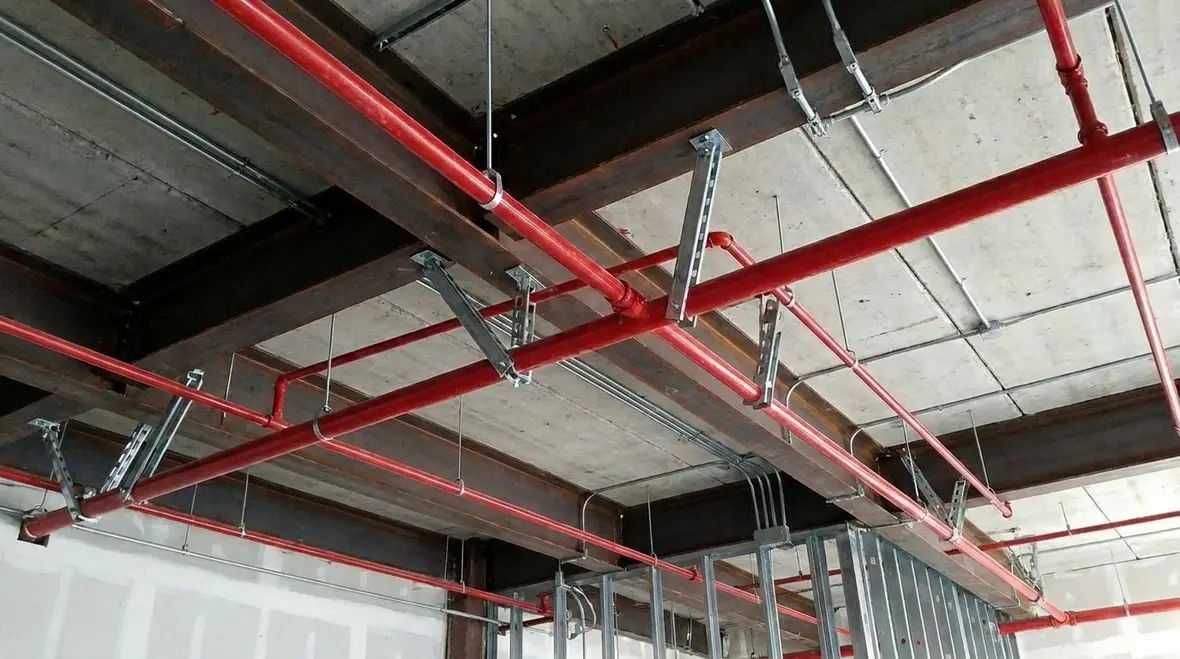
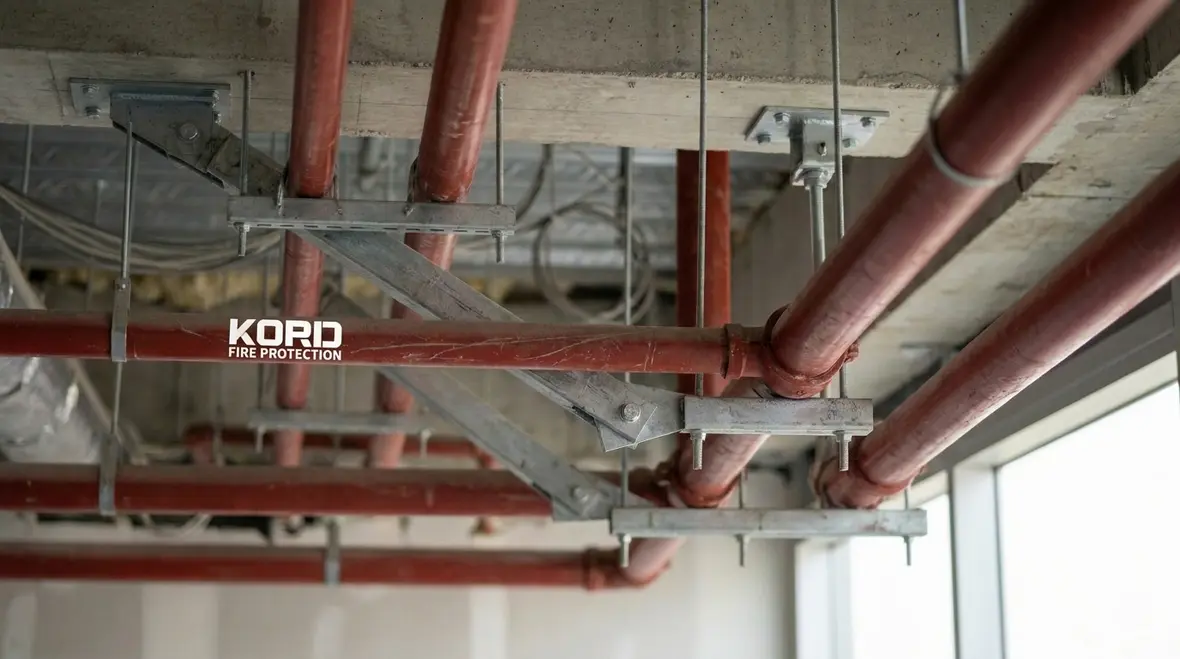
Proper restraint works on multiple levels. First, it limits pipe swing and rotation. Next, it reduces stress at hangers, supports, and connection points. Then it helps preserve the spacing and alignment needed for sprinklers to operate as intended.
To do this effectively, crews install engineered braces and restraints at the right locations, with the correct hardware and fastening method. This includes bracing between supports, stabilising vertical and horizontal runs, and addressing where pipes change direction. Because those elbows and offsets experience higher stress, they often need additional restraint rather than generic “one size fits all” support.
Also, bracing supports system stability for more than earthquakes. It can help with vibration from plant equipment, traffic-induced building sway, and the subtle movement caused by thermal cycling. In other words, seismic bracing is like good office security. You notice it most when things go wrong, and you are grateful when they do not.
The goal is controlled movement, not zero movement
A well-braced sprinkler system is not frozen in place like a museum exhibit that nobody is allowed to breathe near. The aim is to control movement so loads transfer safely, pipe geometry stays within acceptable limits, and critical components are not forced into awkward positions. That balance matters because over-restraining the wrong area can create a new problem while trying to solve the old one.
Where failures usually start and how to prevent them
Most problems begin long before a major event. Over time, installation tolerances drift, supports loosen, and penetrations interact with different building materials. Additionally, modifications made during refurbishments can unintentionally alter load paths, leaving sections of pipe under-restrained.
Then, during a strong shake, those weak points can become stress concentrators. For example, a pipe segment that once moved “a little” can start oscillating more, because the building frame shifts and the pipe tries to lag behind. As a result, hangers experience higher loads and connections can loosen.
To prevent this, teams should verify support spacing, confirm restraint locations, and review any recent structural changes. They should also inspect for corrosion, damaged fasteners, and missing hardware. And when renovations added cable trays or ductwork, crews must confirm there is still safe clearance and that the fire piping remains properly supported.
Small service changes can create big hidden consequences
This is where facilities get caught out. Someone moves a tray, adds plant, reroutes a service, or trims access around a valve, and suddenly the original support logic no longer makes sense. Nothing looks dramatic at first glance, which is exactly why these issues linger. A careful review helps catch the quiet little changes before they become loud expensive ones.
What an Australian facility should check before bracing upgrades
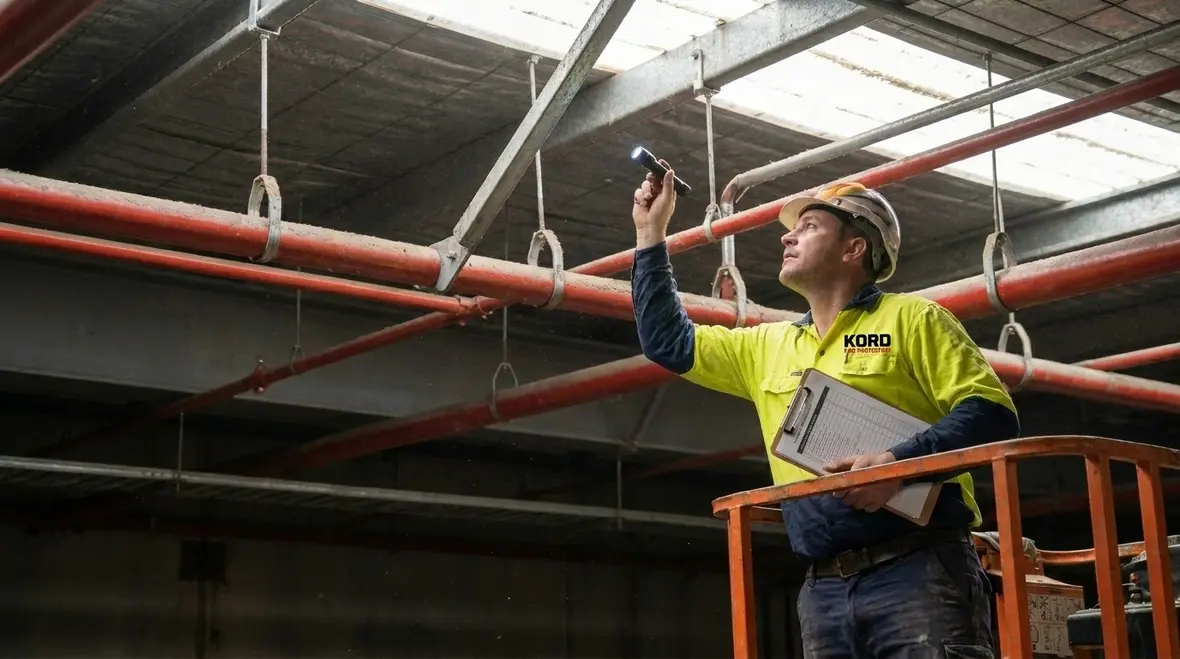
Facilities across Australia operate under different constraints, so a careful starting point matters. Kord Fire Protection can help coordinate field realities with compliant installation. Before upgrades begin, the team typically assesses:
- Pipe routing and geometry: straight runs, offsets, and changes in direction that affect load and movement
- Support details: hanger types, spacing, and condition of existing brackets and anchors
- Valves and critical components: protecting areas where misalignment can affect function
- Building movement patterns: how the structure responds in different zones and heights
- Interface with other services: ensuring there is no conflict with mechanical, electrical, or access requirements
Moreover, a strong plan considers downtime. Industrial and retail sites cannot always shut down for long periods, so scheduling should align with operations, access routes, and fire watch requirements when needed. Finally, documentation should be clear, so the facility can prove what was installed, where, and why it meets the intent of safety standards.
That paperwork also makes future service easier. When teams know what has been installed and how it was intended to perform, later inspections become more useful and less detective novel. Everyone enjoys less detective novel when dealing with overhead pipework.
Design, installation, and commissioning that actually holds up
Bracing does not succeed by accident. First, engineers must determine restraint requirements for the piping system, taking into account the type of sprinkler piping, pipe size, and the likely movement of the building. Then installers apply the engineered layout with correct materials and torque or fastening practices.
However, even good designs can fail during installation if crews miss field conditions. Therefore, teams should verify anchor points, confirm that restraints attach to capable structure, and ensure that the bracing does not create new stress. After installation, commissioning matters. It verifies that the system is still aligned, that components move as expected without creating binding, and that there are no leaks or damage that would undermine performance.
In short, this is not “bolt it and forget it.” It is a controlled process. And yes, sometimes that means paperwork. Paperwork is the price of sleep at night. Like not having to Google “how to tell if a pipe is stressed” at 2 a.m.
Commissioning is where confidence gets earned
A finished install can look tidy and still hide a problem. Commissioning helps confirm the upgrade works as intended in the real building, not just on paper. That includes verifying alignment, checking for clashes, and making sure critical sprinkler components remain accessible for future servicing. Pretty is nice. Proven is better.

Why Kord Fire Protection helps as a vital partner
When a facility needs seismic upgrades, coordination becomes the differentiator. Kord Fire Protection can support fire system work end to end, from assessment and documentation through installation and service. Because many sites already have complex service layouts, the ability to plan around real access constraints and operational needs becomes critical.
In addition, working with a partner helps reduce rework. Teams can align sprinkler system requirements with the realities of the ceiling void, the structural anchor points available, and the timing needed to keep disruption low. And when projects involve multiple stakeholders, Kord Fire Protection can help keep communication clean and action focused.
For facilities across industrial, retail, and commercial sectors, that partnership also extends beyond the first job. Ongoing inspection and maintenance help confirm that restraints remain secure, corrosion does not creep in, and modifications do not weaken the original intent. For a related look at how thorough fire safety testing should be documented and carried through properly, see Emergency Lighting Service: What a Proper Test Includes.
FAQ about seismic bracing for sprinkler systems
Protect your operation with a safer, engineered approach
Facilities that invest in fire sprinkler system seismic bracing protect people, assets, and business continuity. When restraint is engineered, installed, and commissioned properly, the sprinkler system stays reliable under stress. Kord Fire Protection can help assess your setup, plan the upgrade, and deliver compliant workmanship across industrial, retail, and commercial sites in Australia.
Contact Kord Fire Protection today to schedule an on-site review and next-step plan. The goal is simple: keep the system where it belongs, keep water delivery dependable, and avoid learning about structural movement the hard way. Nobody needs that kind of excitement from the ceiling.

Join Our Newsletter!
Get the latest fire safety tips delivered straight to your inbox From our Newsletter.