
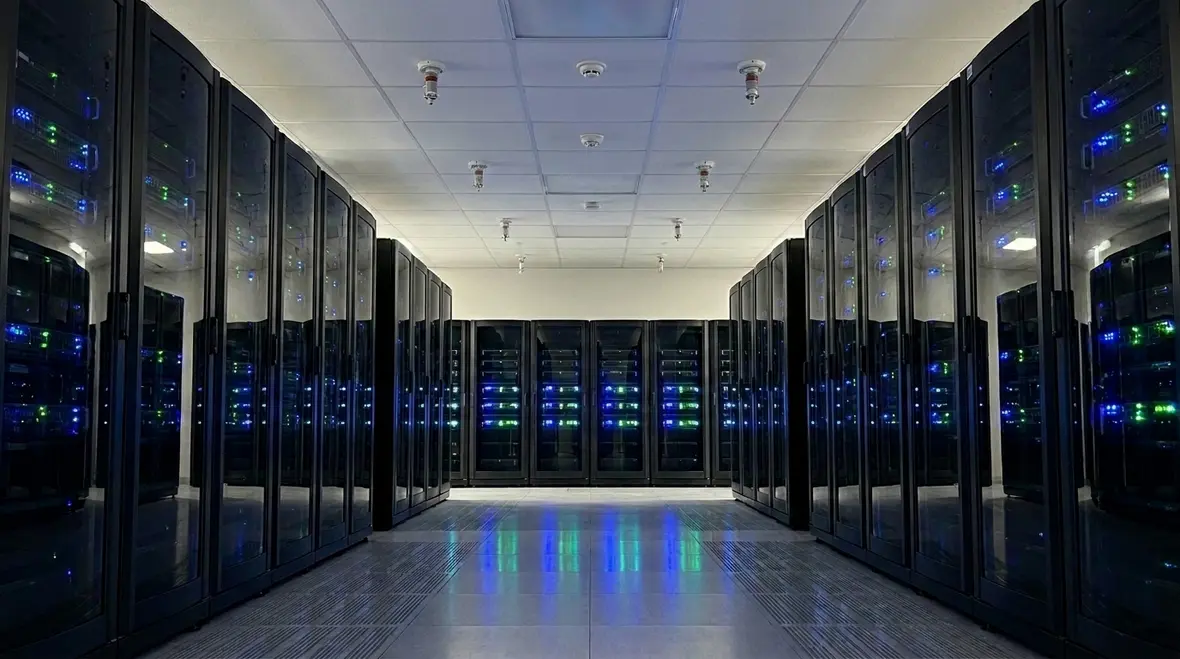
Clean Agent Fire Suppression for Data Centers
Clean Agent Fire Suppression for Data Centers: Reliable Protection Without the Mess
Clean agent fire suppression for data centers helps protect mission critical equipment using systems that extinguish fire while leaving minimal residue. In other words, it aims to stop the flames and then keep the servers alive, not draped in powder like a CSI prop. When a data hall runs hot, runs nonstop, and runs on business uptime, fire risk becomes a top leadership topic, not just a facilities checkbox.
That is where a well designed clean agent system earns its keep. And then, to make it truly effective, Kord Fire Protection can become a vital partner. After all, even the best system fails if it is not installed correctly, tested on time, and supported during real world conditions.
How clean agent systems protect servers and uptime
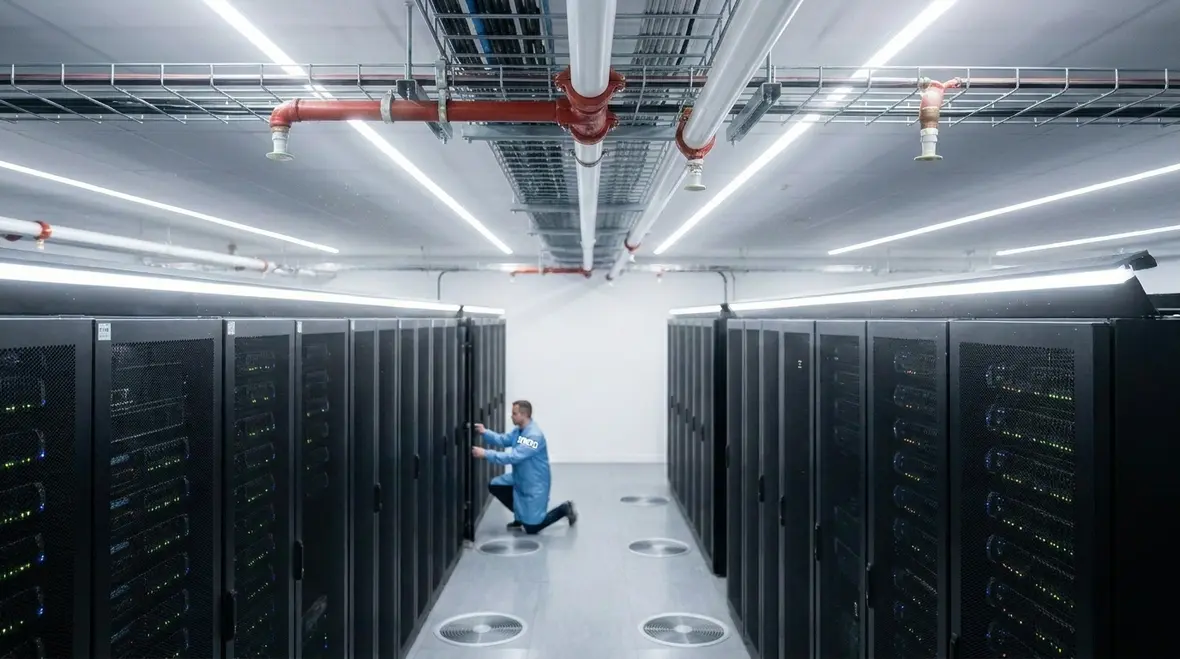
Clean agent systems use controlled release of an extinguishing agent that interrupts the fire process. Instead of drowning an area or covering it with heavy residue, these agents work to stop combustion quickly while reducing cleanup demands. As a result, the protected space often returns to service faster than it would after a traditional approach.
First, the system detects smoke, heat, or other early signals. Then it triggers alarms and initiates agent release only when the conditions meet the design criteria. Additionally, the system holds a suitable concentration long enough to prevent re ignition.
Finally, the design targets the hazards inside a data center, such as electrical cabinets, cabling, raised floor voids, and switched power equipment. Therefore, the job is not just “install a canister and hope.” It is matching detection strategy, enclosure design, and agent discharge performance to the actual layout.
Yes, it is a serious topic. But still, fire safety planning should not feel like a horror movie where someone says, “We will check that later.” Later is where downtime bills come from.
Why clean agent systems fit data center conditions so well
Data centers are loaded with equipment that hates water, dust, and unnecessary chaos. That is exactly why many operators look at clean agent fire suppression system services when planning protection for server rooms, telecom spaces, and other high value environments. Kord Fire notes these systems are commonly used in data centers and computer rooms where sensitive electronics need fast suppression without residue heavy cleanup.
Fire detection and zoning that actually match the space
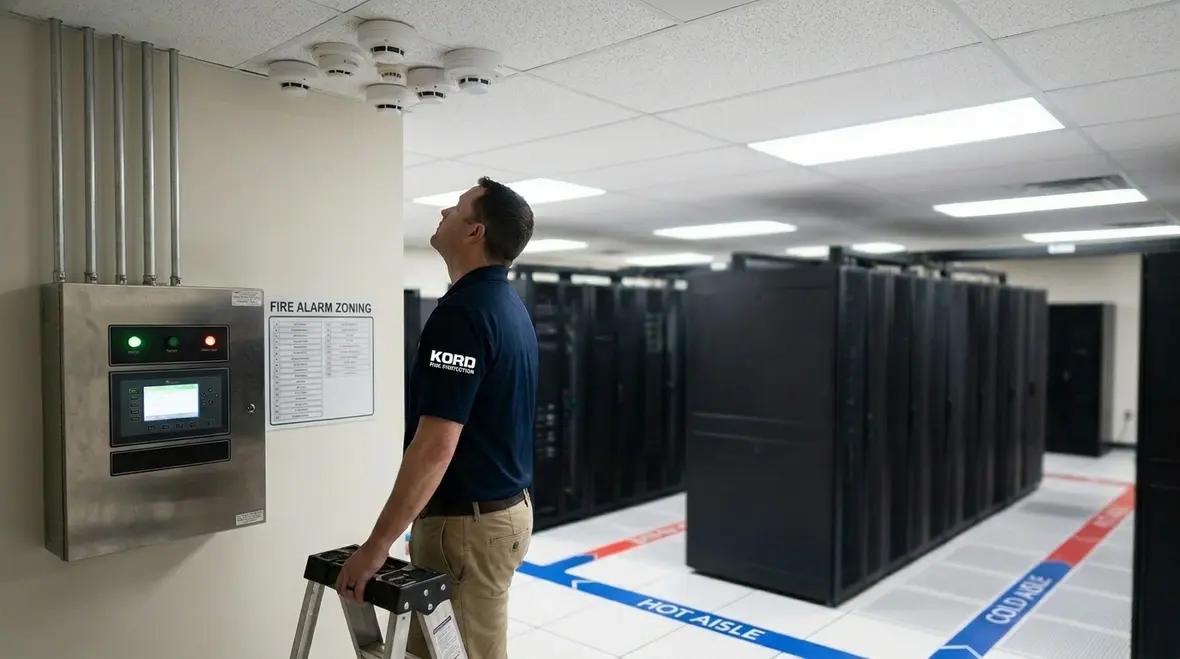
A data center is not a single room. It behaves like a set of connected zones: hot aisles and cold aisles, equipment rows, containment where needed, and void spaces under raised floors. Therefore, clean agent fire suppression works best when the detection and zoning decisions reflect how the building actually operates.
Effective projects start with hazard assessment. Then they map detection points to airflow patterns and equipment density. After that, they define protected zones so agent release targets the right area and avoids unnecessary discharge elsewhere.
In addition, professionals consider airflow management. Many modern facilities use sophisticated cooling strategies, and these can affect smoke movement. If the detection layout ignores airflow, the system may detect too late, too early, or inconsistently.
Consequently, the design should coordinate with operational realities. A system that looks perfect on paper can underperform if it does not account for where people work, how doors open, and how the space holds pressure during discharge.
Design mistakes teams should avoid before they become expensive lessons
Kord Fire’s Data Center Clean Agent Fire Suppression Guide highlights a few recurring trouble spots that deserve respect. Ignoring airflow dynamics can move agent away from the hazard. Overlooking underfloor and ceiling voids can leave hidden spaces underprotected. Insufficient room sealing can allow concentration to drop too quickly. Poor maintenance planning can quietly chip away at reliability until the system is needed most. In other words, the little details are not little when uptime is paying the bills.
What “clean” means for operations, compliance, and cleanup
Clean agent does not mean “harmless” or “magic.” It means the extinguishing agent leaves low residue compared with many alternatives. As a result, after a discharge event, the building team typically spends less time on broad debris removal. That matters for data centers, where every hour of downtime can feel like a leak in a rocket engine, only slower and more expensive.
From an operations standpoint, the key is planning for post discharge steps. Facilities teams need clear procedures for re entry, ventilation, inspection, and system reset. Compliance also matters, because documentation and inspection records support ongoing readiness.
Here is the practical truth: even clean agent systems still require careful commissioning, maintenance, and periodic testing. Therefore, the “clean” part is not a replacement for a real maintenance plan. It is an advantage that improves recovery, if the system stays in top shape.
Kord Fire’s overview of the clean agent standard for fire suppression systems reinforces that point by focusing on design, installation, testing, and maintenance requirements. So no, “clean” is not code for “set it and forget it.” If only fire protection worked like a coffee maker.
Commissioning, testing, and maintenance that prevent surprises
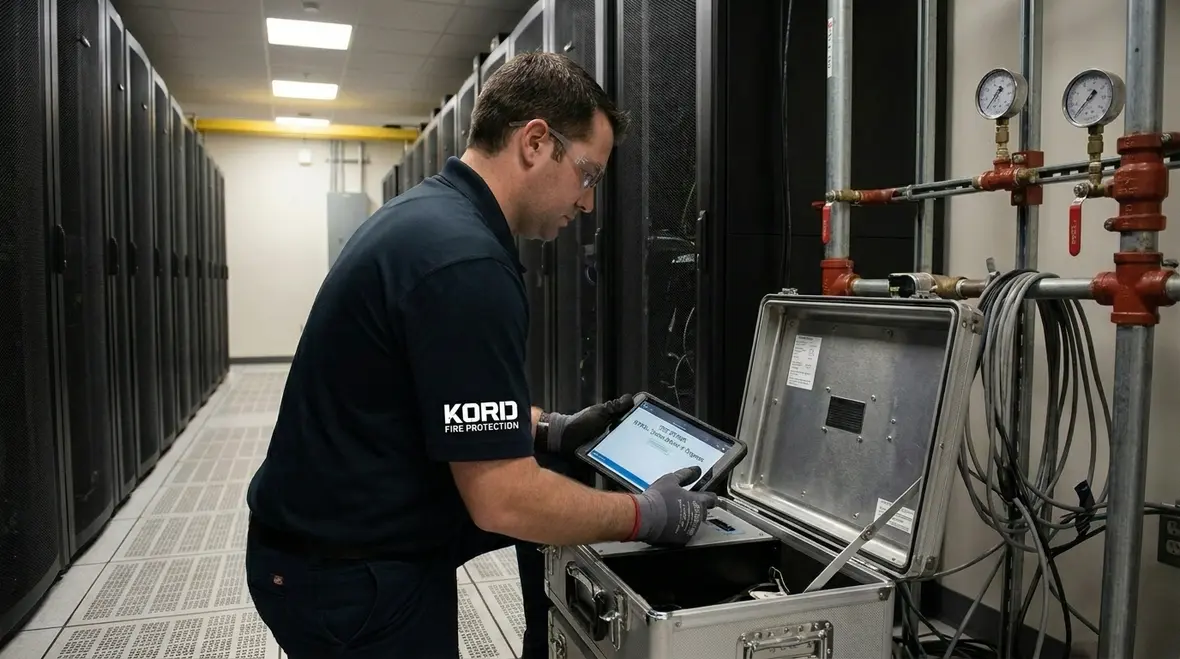
Clean agent fire suppression only earns trust after commissioning. During commissioning, technicians verify detection response, verify actuation sequence timing, check agent cylinder condition, and confirm correct control panel behavior. Then they validate alarm signaling and coordinated actions, such as door control, HVAC shutdown, and emergency response workflows where applicable.
After installation, the system requires routine inspections and service. That includes checking nozzles, verifying no obstructions, confirming correct pressures, and testing initiating devices per schedule. Additionally, the maintenance plan should include performance reviews, because sensors age and environments change.
To keep a data center safe, the team should treat maintenance like scheduled backups. Missing it once may not break everything, but missing it repeatedly invites avoidable risk.
And if someone says they can “handle it later,” that is the moment to remember that fire does not respect calendars.
Room integrity testing is not optional just because the cylinders look impressive
A clean agent system still depends on the room holding the right concentration long enough to do its job. That is why clean agent suppression system and room integrity testing matters so much in critical spaces. If the enclosure leaks too much, the discharge may look dramatic for a few seconds and then politely wander off before the risk is actually controlled.
Why Kord Fire Protection becomes a vital partner on the job
Many organizations buy equipment and then struggle with implementation, documentation, and long term support. That is where Kord Fire Protection can become a vital partner with clean agent fire suppression projects. Their value typically shows up across the full lifecycle: planning support, installation coordination, commissioning assistance, and ongoing service that keeps the system ready for action.
First, they help align the fire protection approach with the data center’s needs. That means translating hazard assessment into a practical design, so the system matches the space instead of fighting it. Next, they support acceptance and inspection readiness by maintaining accurate records, test reports, and service logs.
Then, during the operational life of the facility, they help teams stay ahead of maintenance and compliance requirements. In a business where change is constant, this support reduces the chance that a system becomes outdated while the building upgrades its racks, airflow strategy, or layout.
In short, they bring the human part of fire safety: experience, responsiveness, and accountability. Machines are precise, but people make sure precision stays relevant.
A simple decision path for data center teams
Leaders often ask how to proceed without getting lost in technical details. A clean, workable path usually looks like this.
| Step | What the team does |
| Assess | Review layout, hazards, airflow, and occupancy patterns, then set protection goals. |
| Design | Define agent type, zones, detection strategy, and release sequencing. |
| Plan | Schedule commissioning windows, shutdown coordination, and documentation needs. |
| Commission | Verify actuation sequence, signals, and system performance against design intent. |
| Maintain | Run inspections, servicing, and testing to keep readiness consistent. |
Finally, bring in experienced partners so execution stays clean, and so the system stays dependable when it matters.
FAQ: Clean agent fire suppression for data centers
Final call: Make clean agent protection a dependable part of your uptime plan
A strong fire safety program protects more than equipment. It protects revenue, employee confidence, and the timeline your leadership team cares about. Clean agent fire suppression can deliver fast control with low cleanup, but success depends on smart design, correct commissioning, and consistent service. If your data center needs an upgrade or a new system, Kord Fire Protection can help turn a technical project into a dependable protection plan.
For teams ready to move from “we should probably handle this” to an actual plan, explore Kord Fire’s fire suppression services and their dedicated clean agent fire suppression page. Reach out today to discuss your site needs, next steps, and the kind of protection strategy that keeps your servers working instead of auditioning for a disaster documentary.

Join Our Newsletter!
Get the latest fire safety tips delivered straight to your inbox From our Newsletter.



