Clean Agent Discharge: Recharge and Recommissioning Steps
What happens after a clean agent fire suppression system discharges is not just a technical question, it is a real-world test of readiness. First, teams often focus on immediate safety, then they move to reset steps. At Kord Fire Protection, the process starts with a plan and ends with a system that can protect again. In that spirit, many owners schedule a clean agent system recharge right after the discharge, because waiting too long can leave coverage gaps when you least need them.
Now, let’s walk through what happens after the agent releases, what building staff should expect, and where Kord Fire Protection becomes the vital partner that keeps the job from turning into a long, expensive “we’ll figure it out later” situation. And yes, while fire alarms are dramatic, the cleanup and restoration should not be.

Immediate safety steps after the discharge
When a clean agent system discharges, it releases a fire extinguishing agent that works fast by reducing the ability of fire to keep burning. However, the building does not magically “return to normal” the moment the horn stops. Therefore, the first steps focus on people, not paperwork.
- Clear the area according to the site evacuation plan and any posted instructions.
- Confirm ventilation status and follow the control panel guidance to avoid pulling agent out too early or spreading smoke.
- Have trained personnel assess conditions, including heat, smoke, and any lingering fire behavior.
- Verify alarms and control panel events so the team knows what triggered the discharge.
Also, if the discharge occurred without visible fire, the team still treats it as a real event. A false alarm might happen, but the building cannot assume it was nothing. In the same way that a “check engine” light deserves attention even if the car still drives, a discharge deserves verification.
Why those first minutes matter
The immediate response sets the tone for everything that follows. If staff rushes to “get back to work” before the space is properly assessed, they can create a second problem on top of the first one. That could mean confusion about whether the system operated correctly, uncertainty about whether the hazard is gone, or missed clues about what actually triggered the release. Slow is smooth, smooth is fast, and in fire protection that is more than a cool phrase. It is survival dressed up as common sense.
What the clean agent leaves behind
Clean agents are called “clean” for a reason: they do not rely on messy residue like wet chemical systems. However, they still create a controlled after-effect that technicians must handle carefully.
Typically, the agent is a gas or liquefied gas that changes state during release. After discharge, three things matter most.
- Agent concentration drops over time while ventilation restores normal air.
- Air handling may need coordination to ensure the space returns to safe breathing conditions.
- Sensors and nozzles may require inspection to confirm nothing jammed or misaligned.
Importantly, the space should never be treated like a harmless prank. Even though many clean agents are designed for limited residue, occupants can still face irritation or discomfort depending on concentration, ventilation, and any byproducts from a real fire.
That is one reason facilities using clean agent fire suppression services treat post-discharge recovery as part of the system’s full life cycle, not as an awkward epilogue nobody wants to read.

System inspection and cause verification
Once safety clears, the real work begins: the system must prove it did what it was designed to do, and the trigger must make sense. This is where a good partner earns their paycheck.
Inspectors typically review:
- Control panel event history to see which detection zones initiated release.
- Detection device condition such as smoke detectors, heat detectors, or other initiating components.
- Actuation devices including valves and any release hardware.
- Abort and pre-discharge timing to confirm proper sequence and compliance.
- Environmental factors like dust, airflow changes, construction activity, or equipment heat loads.
Then comes the cause report. Without cause verification, teams risk repeat incidents. That is like resetting your router after every drop without ever checking the network cable that is failing. Sooner or later, the problem returns.
Documentation is part of the repair
A cause report is not paperwork for paperwork’s sake. It tells the facility whether the discharge was tied to heat, smoke, equipment malfunction, environmental interference, or human error. That matters for future planning, insurance questions, and maintenance strategy. It also gives operations staff a straight answer when leadership asks, “Why did this happen, and how do we stop the sequel?”
How clean agent system recharge works
After a discharge, the system typically needs a recharge so it can protect again. This is not just “refill and go.” A proper clean agent system recharge involves more than placing agent back into storage.
Technicians usually perform these tasks:
- Confirm system status and verify that the discharge pathway is ready for service.
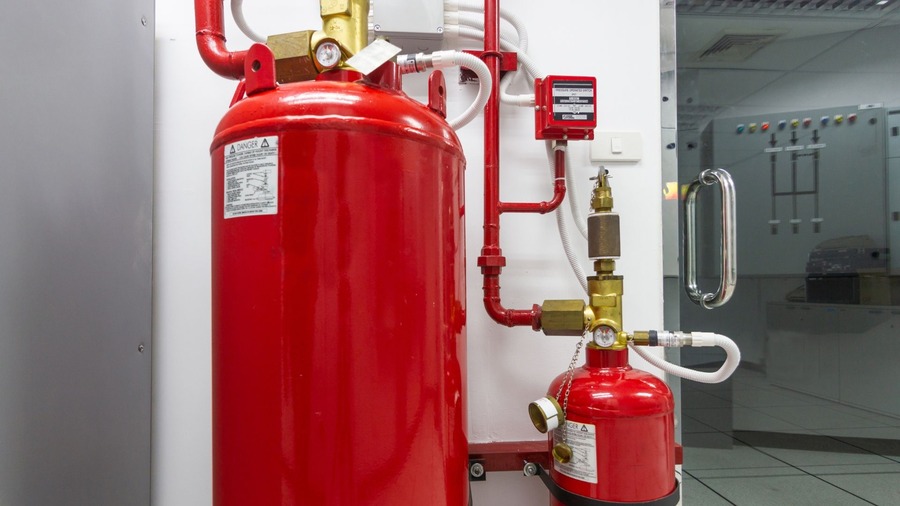
- Inspect cylinders and components for correct labeling, integrity, and condition.
- Restore agent charge to the required level based on the system design.
- Recheck pressure and configuration to match the manufacturer and code requirements.
- Test detection and control functions without triggering an actual discharge.
- Document the service so the facility can maintain compliance records.
In many buildings, this is where downtime becomes costly. If the facility supports servers, clean rooms, labs, or other mission critical work, delays can pile up fast. Therefore, teams schedule recharge quickly while still completing every required verification step.
And yes, some folks treat recharge like a coffee run. It is not. A clean agent system recharge connects safety, compliance, and operational continuity. When done right, it feels boring. When done wrong, it feels like a horror movie trailer you cannot pause.
For facilities protecting critical rooms, the recharge phase often connects closely with broader system performance planning, including enclosure readiness and follow-up evaluation tied to room integrity testing.

Re-commissioning and return to service
After recharge and component checks, the system must return to “protected” status through re-commissioning. This phase ensures everything functions as a system, not as a collection of parts that survived an incident.
At this point, Kord Fire Protection often supports the full sequence, because the right order matters. Technicians typically confirm:
- Alarm and supervisory circuits report correctly
- Release logic and timing stays within required limits
- Manual and automatic activation behave correctly
- Interlocks with doors and ventilation respond as intended
- All labels and signage reflect the updated condition and service
Then they schedule the final proof step. Whether the system discharges from real heat or an alarm trigger, the return to service must be clean, confirmed, and documented. If the facility has strict operational demands, this planning step helps reduce the time between “incident cleared” and “coverage restored.”
Why recommissioning deserves respect
This is the moment where confidence becomes evidence. A system that looks fine is not the same as a system that has been checked, reset, and verified for future operation. The room, the controls, the devices, and the release sequence all need to work together again. That is why smart facility teams do not stop at “the cylinders are back.” They keep going until the entire chain of protection is ready to perform.
Why Kord Fire Protection becomes a vital partner
Many owners think the job ends when the discharge event ends. In reality, the event only ends the “emergency” portion. The system still needs evaluation, restoration, and compliance support. That is where Kord Fire Protection becomes a vital partner.
Kord Fire Protection supports facilities by aligning three priorities that are hard to balance alone:
- Speed with accuracy so recharge and service happen without cutting corners
- Clear communication so staff know what to expect during restoration and re-commissioning
- Documentation and code alignment so the facility maintains proper records for audits and insurance needs
Because, let’s be honest, fire protection paperwork is not fun. But it is the difference between “we think it’s fine” and “we can prove it’s fine.” And in business, proof beats hope every time. Like Batman says, being prepared is the whole point, even if the villains here are delays and incomplete service logs.
If your site relies on sensitive equipment, server rooms, or other high-value spaces, Kord Fire’s broader fire suppression services and dedicated clean agent fire suppression solutions make a strong next step for planning, maintenance, and rapid restoration.
FAQ
Conclusion: restore protection with Kord Fire Protection
After a clean agent discharge, safety checks, cause verification, inspection, and a proper clean agent system recharge must happen in the right order. Then re-commissioning confirms the system truly returns to service, ready for the next real emergency. Kord Fire Protection helps facilities move from event to restored coverage with accurate documentation and dependable support.
If your system discharged today or you are planning for the next inspection cycle, connect with Kord Fire Protection and keep your protection strategy from turning into a waiting game. Explore the dedicated clean agent fire suppression page or review the full fire suppression services offering to plan your next step with confidence.

Join Our Newsletter!
Get the latest fire safety tips delivered straight to your inbox From our Newsletter.