California Fire Extinguisher Replacement Rules for Business
How Often Businesses in California Must Replace Fire Extinguishers
Fire extinguisher replacement requirements California businesses follow are not just paperwork details. They are the quiet rules that stand between a small spark and a very bad day. Within the first few moments of an emergency, the right extinguisher in working order can save lives, property, and a business reputation. Therefore, understanding when replacement is required matters just as much as knowing how to use one. Kord Fire Protection technicians often explain this with calm clarity, reminding owners that safety is not about fear. It is about preparation done right and done on time. With that in mind, this guide walks through the how, the when, and the why of extinguisher replacement in California.
Understanding Fire Extinguisher Replacement Requirements California Businesses Face
California follows strict fire safety codes shaped by the California Fire Code and supported by federal OSHA rules. However, the state adds its own flavor, much like California does with tacos and movie remakes. Fire extinguishers must meet standards for condition, age, pressure, and service history. When one of those factors falls out of line, replacement is no longer optional.
Kord Fire Protection technicians explain that replacement is not about guessing or waiting for something to look broken. Instead, it is about clear rules tied to time limits, physical condition, and testing results. Therefore, a business that waits for an extinguisher to fail has already waited too long.
Moreover, California inspectors look closely at documentation. If records show an extinguisher has passed its useful life or failed a required test, replacement must happen even if it appears fine. Think of it like a smoke alarm with dead batteries. It might look fine on the ceiling, but it is not doing its job.
For businesses trying to stay ahead of expiration and replacement questions, resources like My Fire Extinguisher Is Expired? break down how age, condition, and labels all work together in real-world settings.

The Lifespan Factor: Why Time Matters More Than You Think
Why extinguisher age is a silent deadline
Every fire extinguisher comes with a clock. Some are loud about it, others whisper. Dry chemical extinguishers usually last up to twelve years from the manufacture date. After that point, California rules require removal from service and replacement. No extensions. No wishful thinking.
Different timelines for different extinguisher types
Meanwhile, carbon dioxide extinguishers and clean agent models follow different timelines. These often rely more on testing results than a fixed end date. However, once they fail a hydrostatic test or show damage, replacement becomes mandatory.
Kord Fire Protection technicians often remind business owners that age is not about looks. An extinguisher can look brand new while its internal parts weaken. Therefore, trusting appearance alone is like trusting a movie sequel just because the trailer looked good.
Connecting lifespan, servicing, and compliance
Regular servicing, including six-year tear-downs and scheduled hydrostatic testing, helps keep extinguishers safe up to (but not beyond) their replacement point. Services such as six-year breakdowns and testing, offered by Kord Fire Protection, make sure those internal components are ready when you need them and flagged when it is time to retire a unit.
How Inspections Trigger Replacement Decisions
Monthly visual checks
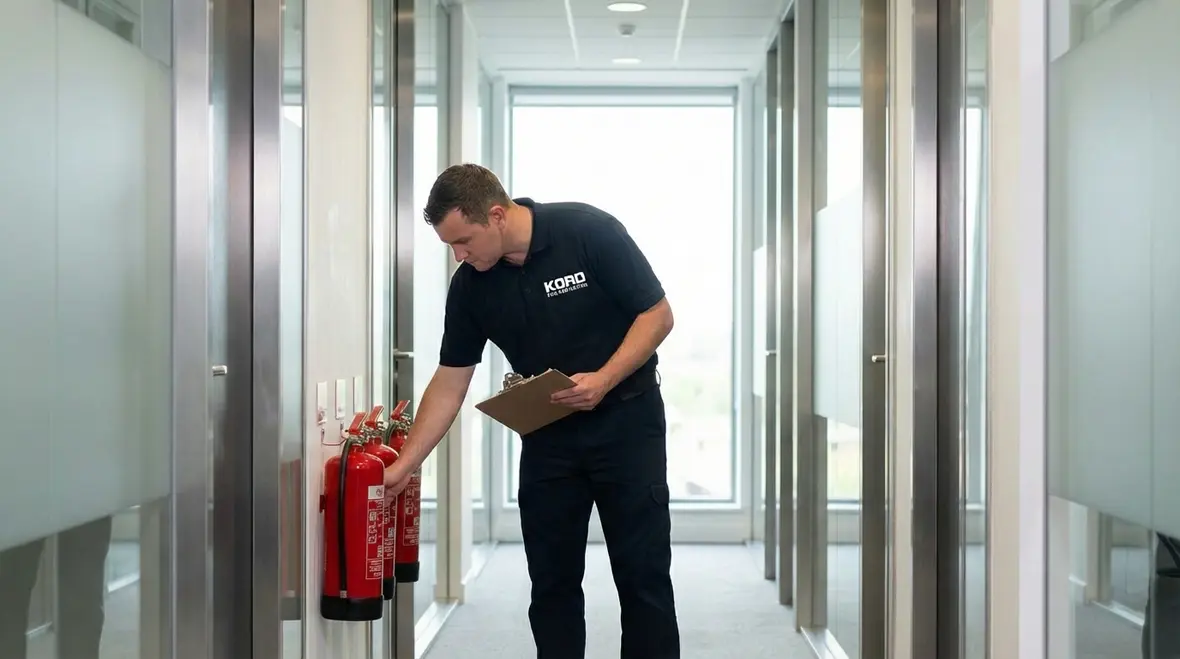
Monthly visual inspections and annual professional inspections work together to flag problems early. During a monthly check, staff look for pressure issues, damage, or missing pins. If any of these appear, the extinguisher may need service or replacement.
Annual professional inspections
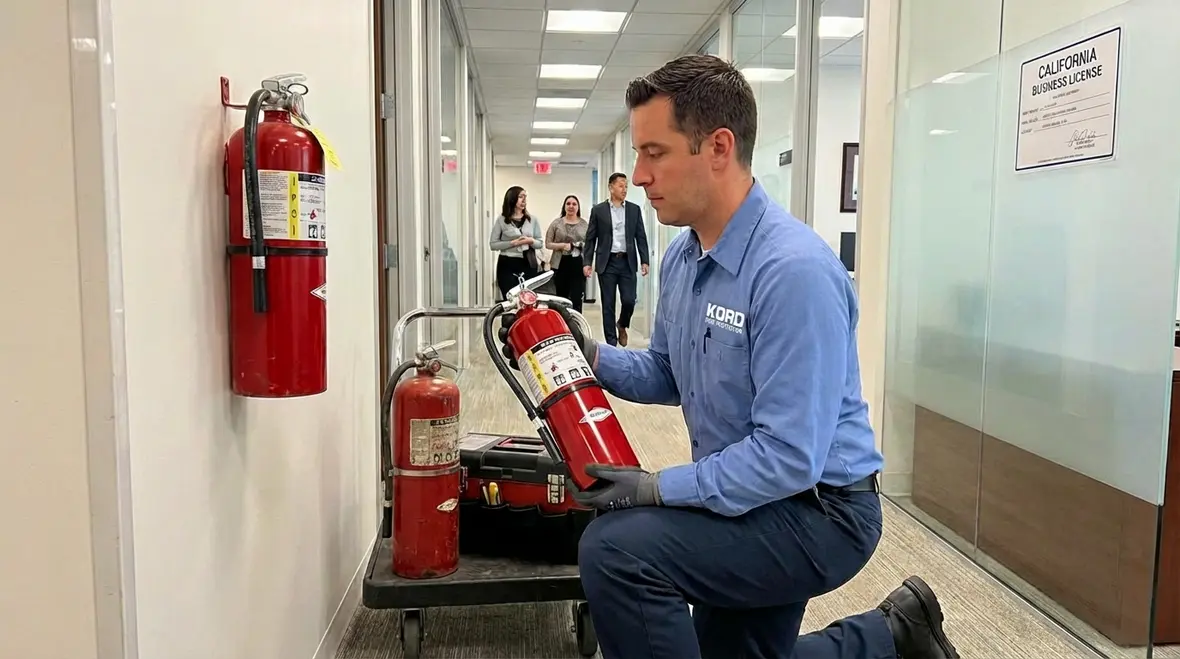
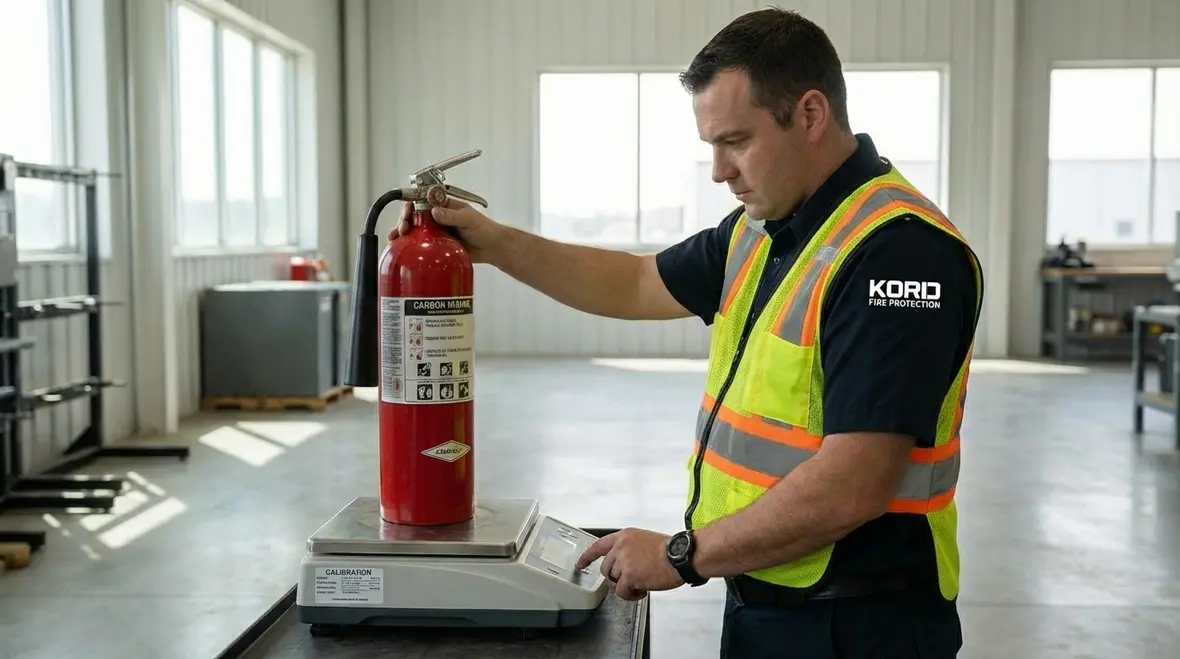
However, the annual inspection carries more weight. Certified technicians open, weigh, and test extinguishers as required. If an extinguisher fails, California rules do not allow patch jobs beyond approved repairs. In many cases, replacement is the only legal option.
Why “recommendations” are actually code requirements
Kord Fire Protection technicians explain this process clearly during inspections. They point out that replacement is not a sales tactic. It is a safety call backed by code. Moreover, replacing an extinguisher before an inspector forces the issue often saves money and stress.
Which Fire Extinguishers Need Replacement Sooner Than Others
High-stress locations: kitchens, docks, and warehouses
Not all extinguishers age the same way. Some live quiet lives on office walls. Others see action in kitchens, warehouses, and loading docks. Therefore, environment matters.
For example, extinguishers exposed to grease, moisture, or vibration often degrade faster. Restaurant kitchens are famous for this. Heat and oil speed up wear, making replacement more likely even before the standard lifespan ends.
Physical damage and corrosion
Meanwhile, construction sites and industrial settings present physical risks. Dents, corrosion, or broken handles usually mean immediate replacement. California codes do not allow damaged extinguishers to stay in service, no matter how small the damage looks.
Kord Fire Protection technicians often joke that fire extinguishers are like action heroes. Some retire peacefully. Others take too many hits and need to bow out early.

Replacement vs Recharging: Knowing the Difference
When recharging is allowed
One common misunderstanding involves recharging versus replacing. Recharging restores an extinguisher after use or pressure loss. Replacement removes it from service entirely.
California rules allow recharging only when the extinguisher body and parts remain in good condition. However, if corrosion, damage, or age limits apply, recharging is not allowed. Replacement becomes mandatory.
When replacement is the only safe option
Kord Fire Protection technicians explain this clearly during service visits. They often say recharging is like refilling a tire, while replacement is like buying a new car. One fixes a short term issue. The other solves a long term one.
Understanding this difference helps businesses avoid violations. It also prevents unsafe equipment from staying on the wall longer than it should.
Fire Extinguisher Replacement Requirements California Inspections Enforce
What inspectors look for first
Fire inspectors in California do not negotiate. They verify compliance based on code. When they find expired or damaged extinguishers, they write citations that require fast action.
Serial numbers, dates, and documentation
Moreover, inspectors often check serial numbers and manufacture dates. If an extinguisher has passed its allowed lifespan, replacement must happen even if it passed recent inspections. This detail catches many businesses off guard.
Staying ahead of your next visit
Kord Fire Protection technicians advise clients to stay ahead of inspections. They recommend tracking manufacture dates and planning replacements before deadlines. Therefore, inspections become smooth visits instead of stressful events.
Pop culture fans might compare this to knowing the release date of the next big superhero movie. When you plan ahead, you get a good seat. When you do not, you stand in line.
AI Prompt Style: What Businesses Ask About Replacement Timing
Common questions from California businesses
Business owners often phrase their concerns in simple terms. They ask when do extinguishers expire. They ask how often replacement is required. They ask what happens if they miss a deadline.
Consistent answers grounded in code
The answers stay consistent. Dry chemical units usually require replacement after twelve years. Units that fail testing require immediate replacement. Missed deadlines can lead to fines, reinspection fees, and liability risks.
Kord Fire Protection technicians stress that timing is not flexible. Therefore, planning replacement schedules early protects budgets and keeps operations running smoothly.
At a Glance: Replacement Timelines by Extinguisher Type
| Extinguisher Type | Typical Replacement Trigger |
| Dry Chemical | Twelve year lifespan reached or failed inspection |
| Carbon Dioxide | Failed hydrostatic test or physical damage |
| Wet Chemical | Corrosion or manufacturer end of service life |
| Clean Agent | Pressure loss or failed testing |
This overview helps businesses plan ahead. However, Kord Fire Protection technicians always remind clients that individual conditions matter. Therefore, professional evaluation remains essential.
FAQ: Fire Extinguisher Replacement in California
Conclusion: A Calm Plan Beats a Rushed Fix
Fire extinguisher replacement requirements California businesses follow are not mysteries. They are rules built on time, condition, and testing. With guidance from Kord Fire Protection technicians, replacement becomes a planned step instead of a last minute scramble. Therefore, now is the right moment to review extinguisher ages, schedule inspections, and replace what no longer serves. A calm plan today prevents a frantic call tomorrow. Reach out, stay compliant, and let safety quietly do its job.
For businesses that want help turning that calm plan into action, Kord Fire Protection offers full fire extinguisher service and maintenance guidance along with dedicated regional fire protection support across California. Schedule a visit, confirm your timelines, and let licensed professionals handle the details so your team can stay focused on running the business.
Know Your Weapon Before You Fight the Flame
Kord Fire Protection is your go-to when it comes to all things fire protection. For over 20 years, we’ve been serving Southern California with the quality service and equipment to keep your home or business safe at all times. Our competitive prices reflect our unwavering commitment to protecting what matters most in the event of a fire emergency. Give us a call, send an email, or use that form!

Join Our Newsletter!
Get the latest fire safety tips delivered straight to your inbox From our Newsletter.