CAFAA Fire Alarm Training for California Compliance
Fire alarm compliance in California can feel like trying to read a legal contract written by a caffeinated raccoon. And that is exactly why many teams rely on CAFAA Fire Alarm Training as a clear guide. In this article, kord fire protection technicians will explain what CAFAA means in practical terms, how it affects inspections and documentation, and what facility owners should expect during service. Most importantly, the article breaks the topic into steps that make sense on a real jobsite, not just in a training room. When compliance is handled the right way, everyone breathes easier. When it is not, alarms can become the most expensive smoke signals imaginable.
What CAFAA means for California fire alarm compliance
CAFAA refers to the California Fire Alarm and Automatic Alarm standards and related regulatory expectations that shape how systems get installed, tested, maintained, and documented. In plain terms, it sets the bar for keeping fire alarm systems ready to work when seconds matter.
Because California jurisdictions and AHJs often look for consistent proof, CAFAA Fire Alarm Training helps technicians and managers align their procedures with what inspectors expect. For example, kord fire protection technicians typically focus on the “show me” side of compliance. Inspectors often want to see test records, evidence of device operation, and verification that panels, initiating devices, notification appliances, and control equipment stay within required performance.
So, CAFAA compliance is not just a checkbox. It is a workflow. And yes, it can take more time upfront. However, it saves time later when the only thing you do not want to hear is “We need to redo that entire test.”
Why this matters on an actual jobsite
On a real service visit, nobody gets points for vague intentions. A crew needs a repeatable process that can stand up to inspection, tenant concerns, scheduling pressure, and the very normal chaos of occupied buildings. That is where training matters most. It turns compliance from a fuzzy idea into a sequence: confirm the system, test the system, document the system, restore the system, and verify the result. That order sounds simple because it should be. Good compliance systems usually do.
If your building team already manages multiple vendors, service windows, and operational restrictions, clear alarm procedures remove a lot of friction. They also make communication with your alarm contractor easier because everyone is working from the same playbook instead of five different interpretations and one suspiciously optimistic clipboard.
Why CAFAA documentation often becomes the real battleground
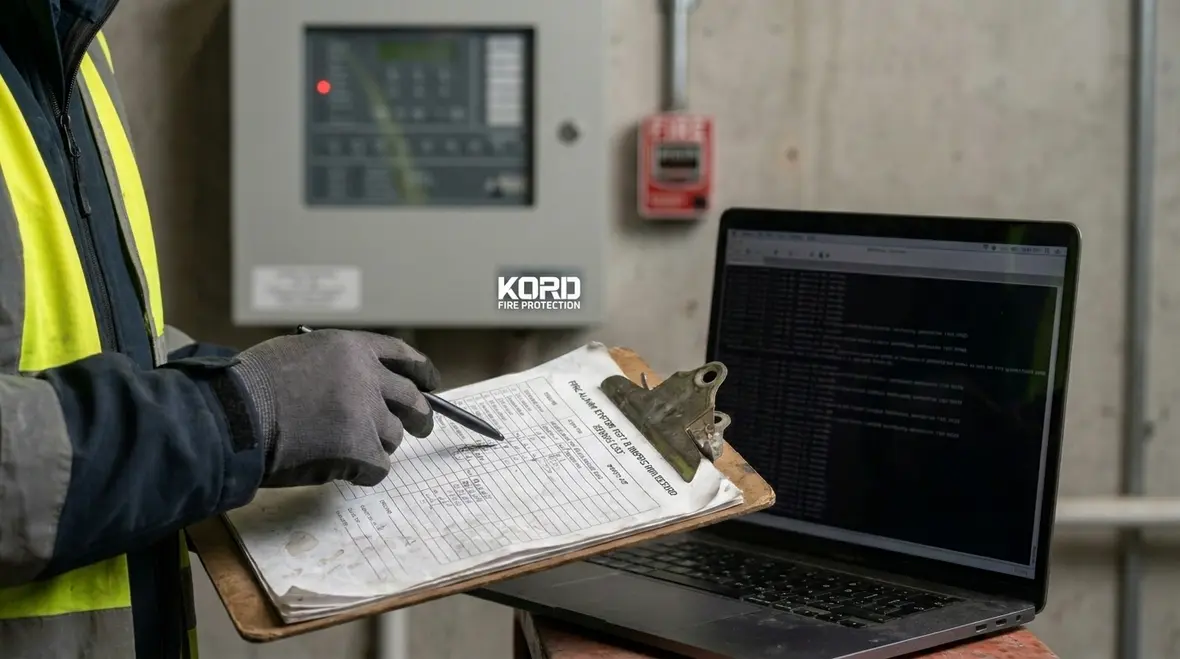
Many people think fire alarm compliance is only about physical equipment. Yet paperwork carries equal weight. During an inspection, the AHJ may ask for specific details such as device testing dates, results, impairment handling records, and completion signatures.
At this point, CAFAA Fire Alarm Training plays a key role. It teaches teams how to record the information in a way that holds up under review. kord fire protection technicians commonly explain that if documentation is unclear, even a properly working system can face delays. That is because inspectors must verify that the system received the correct testing method and met the required acceptance criteria.
To keep things organized, teams often create a simple compliance file that includes system information, test schedules, device lists, and trend notes from service. Then, when the inspector arrives, the facility does not scramble like someone searching for their keys while standing in front of the front door. The right file is already there.
This is also why many facilities benefit from pairing alarm records with broader inspection planning. Kord Fire Protection discusses the value of structured inspection, testing, and maintenance workflows so compliance history is easier to track over time. When your documentation tells a coherent story, the system looks managed instead of merely survived.
What strong records usually include
- Current system identification and panel details
- Recent inspection and testing dates
- Device lists tied to actual field locations
- Deficiency notes with repair follow-up
- Impairment handling and return-to-service confirmation
- Completed signatures and review-ready formatting
None of that is glamorous, but glamour has never been the goal. Passing inspection with less drama is the goal.
CAFAA Fire Alarm Training and the testing process
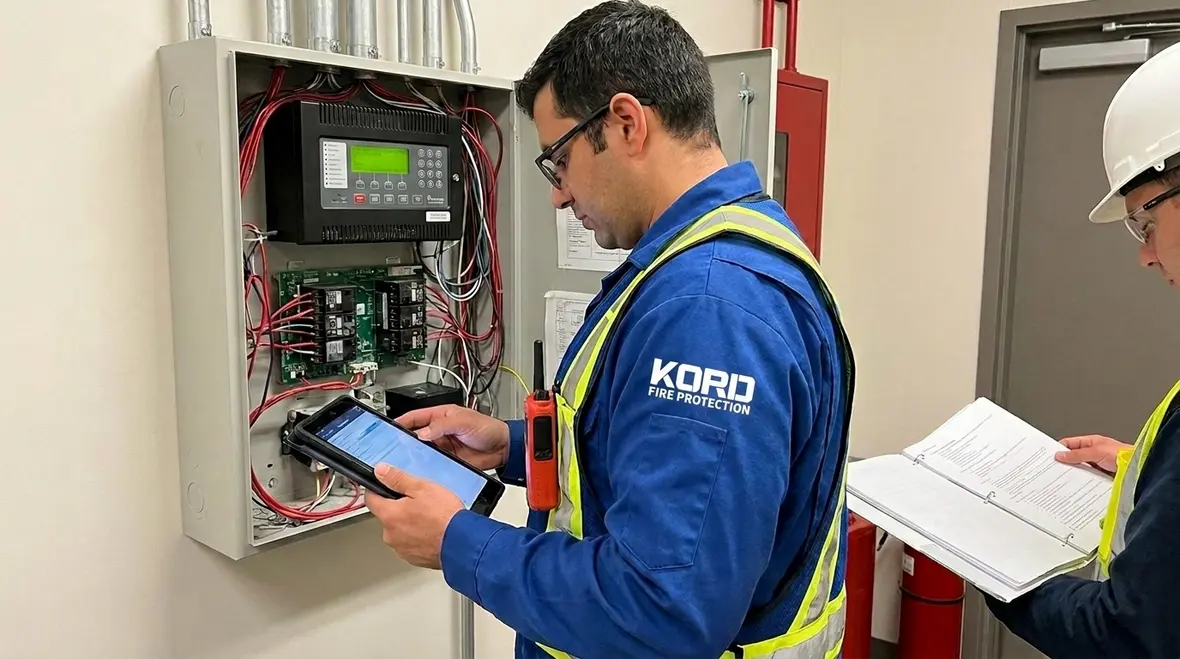
Testing under CAFAA expectations typically requires a planned approach. Technicians must verify system operation end to end. That means checking initiating devices, supervision, signaling circuits, alarm verification features where applicable, and control panel functions. Additionally, notification appliances must produce the required audibility or intelligibility based on system design and local requirements.
Meanwhile, kord fire protection technicians often stress that testing should not be a “hit and hope” routine. They use step by step methods. First, they confirm panel settings and system status. Next, they follow the test sequence that matches the system type and code requirements. Finally, they document results accurately, including any issues found and how they were resolved.
Also, the training supports how technicians handle common situations. For instance, temporarily disabling equipment requires careful control and return to service. If a facility changes operational schedules, maintenance records need to reflect that reality. Otherwise, service history can look like a mystery novel with missing pages.
A practical testing rhythm that keeps teams organized
A disciplined crew usually works in a rhythm. Confirm building contacts. Notify affected parties. Place the system in the proper test status if required. Verify field devices one by one. Confirm signal receipt and panel behavior. Restore the system. Review exceptions. Finalize records. That sequence protects the equipment, the occupants, and the sanity of everyone who has ever had to explain an unexpected alarm activation to an already busy property manager.
If you need direct support with panel service, inspections, monitoring, or repairs, Kord also offers dedicated fire alarm service and monitoring support for facilities that want a more structured compliance plan.
How facility owners should prepare before a fire alarm inspection
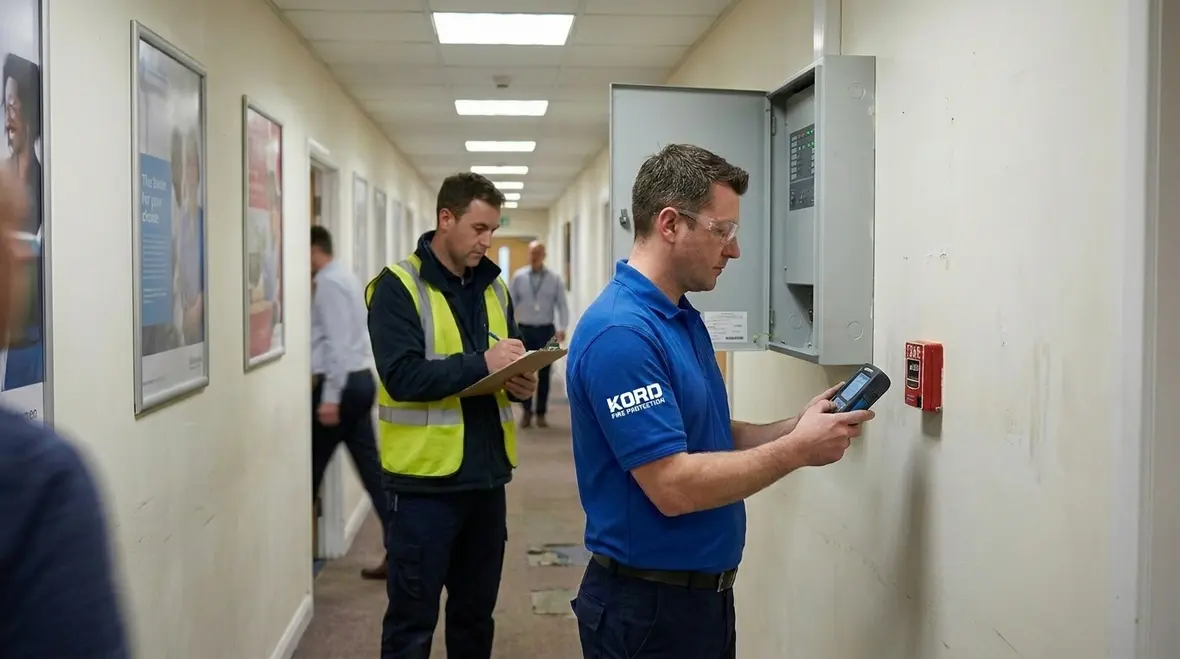
Preparation reduces downtime and stress. Facility owners and property managers should confirm that access is available to the control panel, device locations, and any required monitoring equipment. They should also ensure that building operations understand the timeline, because some tests can cause temporary alarms or system supervisory signals.
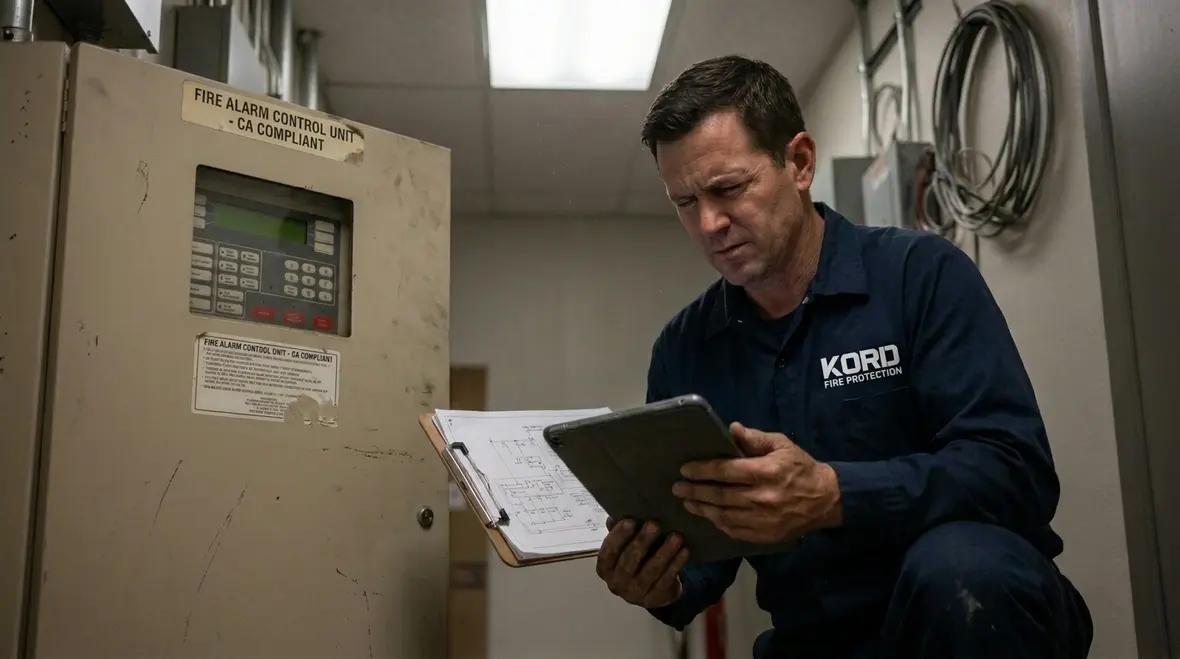
Then, they should review the most recent maintenance and test records. If the records show gaps or vague notes, the facility can address them before the AHJ shows up. kord fire protection technicians often recommend running an internal pre inspection review. This can catch mismatches between what the label says and what the system actually reports, which is a lot more common than people admit at parties.
Finally, owners should ask their service provider how they handle corrective actions. Will they retest after repairs? Will they update records immediately? When answers are clear, compliance becomes a process rather than a surprise.
A short pre-inspection checklist
- Confirm panel and riser room access
- Notify tenants, staff, and monitoring parties if needed
- Gather the latest service and testing records
- Review known deficiencies and repair status
- Coordinate escort access to restricted areas
- Ask how retesting and closeout documentation will be handled
Common CAFAA compliance pitfalls and how to avoid them
Even solid teams can hit trouble points. One common pitfall involves incomplete testing records. Another involves failing to verify device behavior after repairs. A third issue is inconsistent handling of trouble signals, especially when a system enters a supervisory state that gets overlooked.
To prevent these, kord fire protection technicians typically align training, field practice, and documentation. That means the same standards apply whether the crew is handling a routine service call or replacing a device. Also, it means technicians understand that labels, maps, and panel programming must match the installed equipment.
Another pitfall involves delayed follow up. If a technician notes an issue during a test, the building should address it on a realistic schedule and document the correction. Otherwise, the system can drift out of compliance, and the inspection day becomes a stressful rerun of the same problems. Nobody wants to watch the same scene twice, unless it is a sitcom. Fire safety is not a sitcom.
Small inconsistencies that become big headaches
A mislabeled device, an outdated map, an unresolved trouble note, or a panel programming change that never got reflected in the records can each look minor by themselves. Together, they create the exact kind of uncertainty inspectors dislike. The best way around that is boring consistency. Review changes after every visit. Update records immediately. Close the loop before the memory of the repair disappears into the fog of next week’s workload.
Role of kord fire protection technicians in staying audit ready
kord fire protection technicians help teams stay audit ready by translating compliance requirements into consistent field steps. They often explain the “why” behind each action, because understanding reduces shortcuts. It also reduces the chance of missing details that inspectors look for, such as device coverage, correct signal pathways, and proper verification after changes.
They also support clear communication with facility staff. For example, technicians can explain what will happen during testing, what areas may be affected, and what operational changes the facility should expect. When communication stays calm and direct, the job runs smoother, and the building team feels less like they are managing a surprise event.
In addition, audit ready service depends on continuity. When the same trained approach guides each visit, records become more consistent, and it becomes easier to track the system’s health over time. For facilities that want one provider across multiple life safety categories, Kord’s full fire protection services page shows how broader support can streamline scheduling, reporting, and corrective work near the end of the compliance cycle.
FAQ about CAFAA and fire alarm compliance in California
Final call to action for compliant fire alarm service
CAFAA compliance does not need to feel like a guessing game. With the right CAFAA Fire Alarm Training approach, facility teams can keep records clean, testing consistent, and systems ready for inspection. kord fire protection technicians can help map requirements to real jobsite steps so nothing slips through the cracks.
If your next inspection is coming up, or if your documentation needs tightening, connect with Kord through their fire alarm services team for a compliance focused review and a clear service plan. Protect lives, protect your schedule, and avoid the “we need to redo that” moment.

Join Our Newsletter!
Get the latest fire safety tips delivered straight to your inbox From our Newsletter.