NICET Fire Alarm Certification and NICET Level 1
When a building needs fire alarm protection, teams cannot rely on guesswork. That is why NICET Level 1 often comes up early in the conversation. In this article, Kord Fire Protection technicians explain what NICET Fire Alarm Certification is and why it matters for compliance, documentation, and safer systems. And yes, we will keep it practical. Because nobody wants fire protection paperwork that reads like a mystery novel. They want clarity, proof, and results.

What NICET fire alarm certification means in real terms
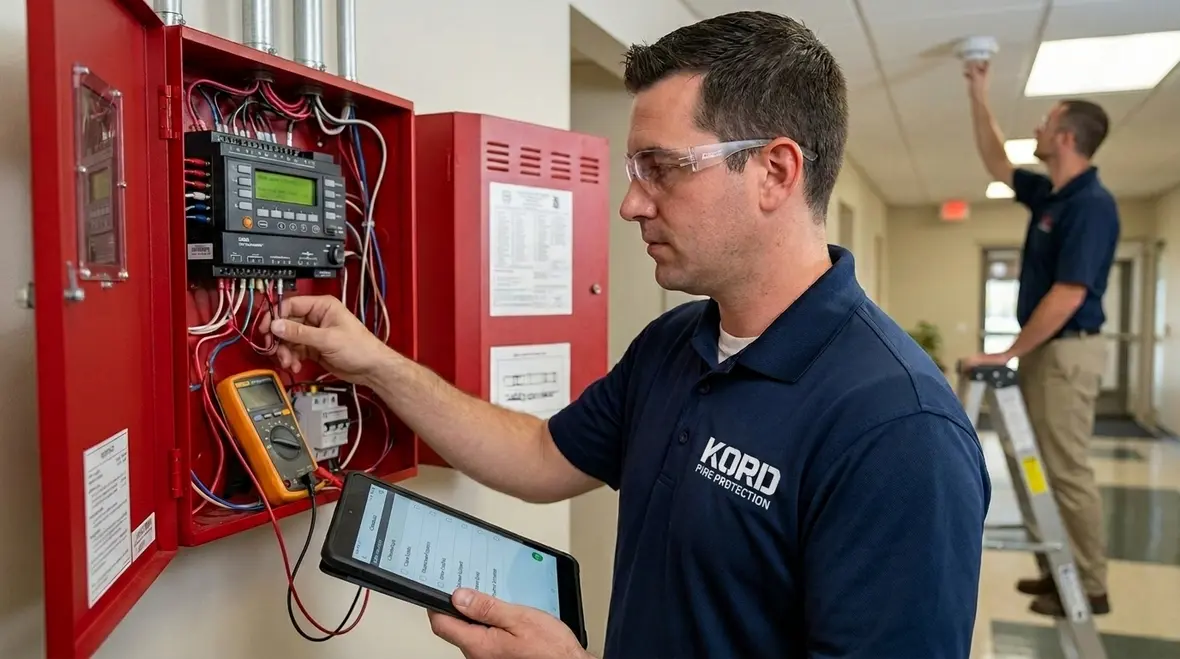
NICET Fire Alarm Certification refers to a recognized credential tied to fire alarm technology work. It helps demonstrate that a person has the right knowledge and can apply it on the job. In other words, it is not a “badge for the wall.” It is a way to show competence through testing and experience. When an inspector or a client asks, Kord Fire Protection technicians can point to documented qualifications that support how a system was designed, installed, or maintained.
In most projects, compliance does not come from one magic step. Instead, it comes from consistent decisions made at each phase, from layout and device placement to testing and recordkeeping. NICET helps support that chain of responsibility. And if someone tells a team that certification is optional, that person has clearly never watched a fire alarm panel during a real trouble event. It is never as calm as the movies.
Why compliance depends on more than good intentions
Compliance usually involves local code requirements, adopted standards, and the expectations of authorities that review projects. While rules differ by location, the same theme appears often: systems must work as intended, and documentation must match the work performed. NICET Level 1 helps reinforce that a technician understands key concepts tied to fire alarm systems, including proper installation practices and functional testing.
However, compliance is not only about passing an inspection day. After installation, systems must stay reliable through scheduled inspections, testing, and any necessary service. Therefore, certification matters because it reduces the odds of recurring errors that trigger repeat call backs. Kord Fire Protection technicians often stress that the goal is stable performance, not paperwork theater.
Why consistent documentation changes the whole picture
Good documentation is where a lot of projects either look sharp or unravel fast. Device lists, test results, panel records, as-built changes, and service notes all need to tell the same story. When they do not, inspections become slower, service visits become harder, and simple questions turn into scavenger hunts. That is one reason teams often pair trained technicians with reliable fire alarm services that keep records aligned with real field conditions.
Who benefits when teams hold NICET Level 1
Many people think certification mainly helps the technician. That part is true, but the ripple effect spreads further. Building owners benefit because qualified people usually deliver more consistent system behavior. Contractors benefit because the team spends less time reworking design mistakes. Inspectors and review bodies benefit because documentation and practices align with expectations.
Also, the risk profile shifts. When a team demonstrates baseline competency, it supports a safer environment for occupants. Meanwhile, technicians gain a structured path for learning and growth. When Kord Fire Protection technicians explain the process, they emphasize that NICET Fire Alarm Certification supports careful thinking, not just memorized steps.
The people behind the paperwork matter
A lot of compliance conversations sound like they are about forms, signatures, and due dates. Really, they are about whether the people touching the system understand what they are seeing. A certified technician is more likely to recognize patterns, flag inconsistencies, and avoid the kind of small oversights that snowball into expensive headaches. That does not mean certification replaces experience. It means experience has a stronger frame to work inside.
How NICET connects to system design, testing, and maintenance
A fire alarm system is a coordinated network of devices, panels, circuits, and procedures. If one link fails, the whole chain suffers. So, it helps to understand how certification ties into the work.
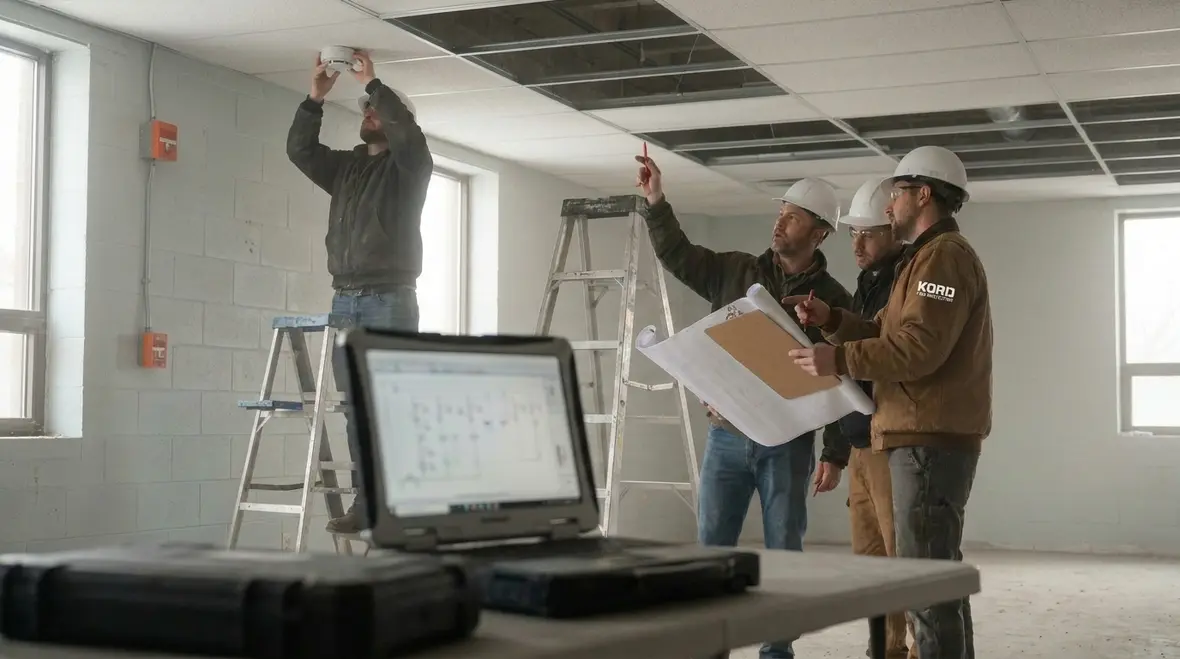
First, design and installation decisions should follow standards and project requirements. Next, testing must verify system performance under real conditions. Then, maintenance must keep the system within acceptable behavior over time. Certification supports these phases by encouraging technicians to follow known methods and correct procedures.
Here is how this shows up on the ground, in ways teams can feel immediately:
- Better device placement decisions that support reliable detection
- Clearer understanding of circuit behavior and proper documentation
- More consistent testing routines that catch issues before they escalate
- Stronger maintenance habits that reduce nuisance trouble events
Of course, no standard beats hands-on experience. Still, certification helps set the baseline. And unlike a random YouTube tutorial, it uses a structured approach. That structure matters when safety is on the line and timelines do not care about anyone’s learning curve.
Where teams usually feel the difference first
The first signs are rarely dramatic. Instead, they show up in smoother pre-tests, cleaner punch lists, fewer confusing service notes, and better coordination when a system needs follow-up. Over time, those small wins build trust with owners, general contractors, and inspectors. That trust matters because fire alarm work is not just technical. It is operational. People need to know the system was handled with care from the first device to the last record entry.
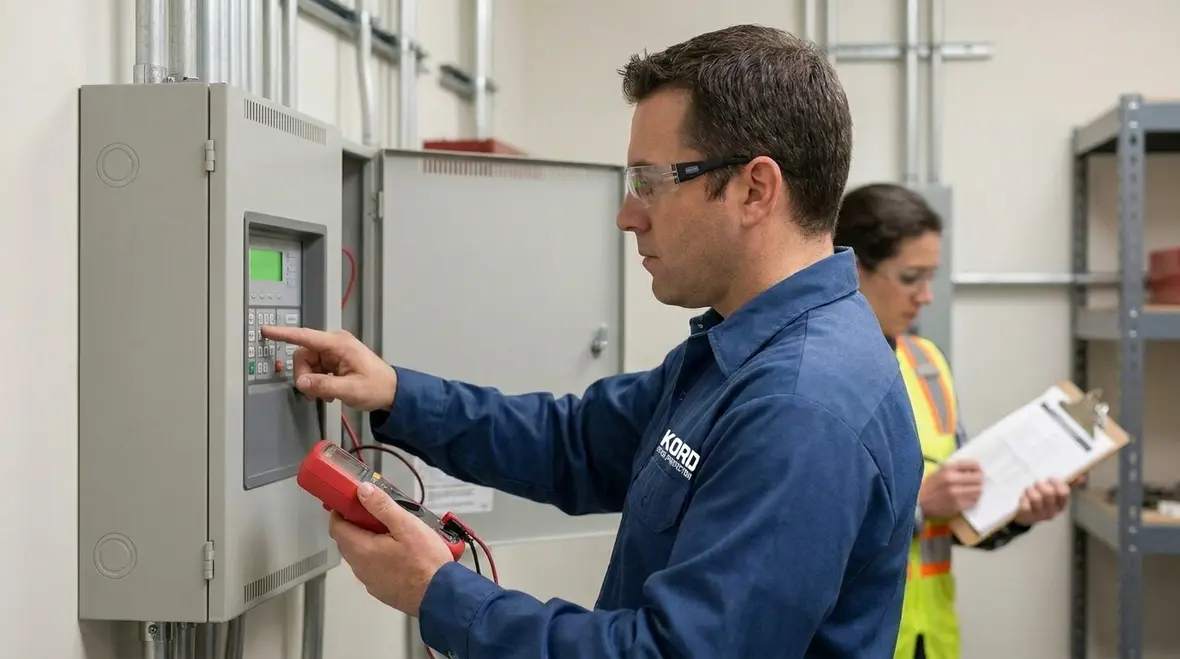
What Kord Fire Protection technicians typically explain during onboarding
During onboarding, Kord Fire Protection technicians often walk new team members through the “why” behind the process. That includes how certification supports compliance, how documentation must reflect the actual system, and how technicians should approach inspections and testing.
They also explain the difference between doing the job and proving the job. A technician can complete an installation, but compliance expects evidence. That evidence often includes test results, labeled devices, updated records, and service documentation that matches what is in the building.
Additionally, they address practical scenarios that surprise people. For instance, a device can look fine during a visual check yet fail during functional testing. Or a panel configuration can drift after service work if recordkeeping slips. Therefore, Kord Fire Protection technicians use certification concepts to train habits that keep systems dependable.
Habits that separate dependable systems from chaotic ones
Reliable fire alarm work usually comes down to repeatable habits: labeling clearly, testing methodically, documenting immediately, and verifying changes before leaving the site. None of that sounds glamorous, and that is exactly the point. Safety work should not depend on luck, memory, or crossed fingers. It should depend on disciplined routines that hold up when conditions are busy, schedules are tight, and somebody inevitably asks for one more thing before lunch.
Dual column breakdown: certification outcomes and project impact
Certification outcome
- Structured knowledge expectations
- Testing minded procedures
- Clear documentation habits
- Accountability mindset
What it changes on a project
- Fewer guess based decisions during design and installation
- More reliable verification that devices and circuits operate correctly
- Cleaner compliance files for inspections and ongoing service
- Improved coordination between contractors, owners, and service teams
FAQ: quick answers for featured snippets
Final call to action for safer, smoother compliance
If a team wants fewer surprises during inspections and steadier system performance over time, they should align skills with documented standards. Kord Fire Protection technicians can review project needs, explain how NICET Level 1 supports real compliance work, and help set a practical path for qualified coverage. Reach out today to talk through your current fire alarm goals, service schedules, and documentation needs.
Then move forward with confidence, not guesswork. After all, fire safety should feel steady, not like a pop quiz. For teams ready to tighten up inspections, testing, maintenance, and system reliability, explore Kord Fire Protection’s Fire Alarm Services and see how qualified support helps keep your building compliant and ready.

Join Our Newsletter!
Get the latest fire safety tips delivered straight to your inbox From our Newsletter.