NICET Levels Explained for Fire Alarm Technicians
NICET Levels Explained matters because fire alarm work is not “one size fits all.” In this guide, readers learn what NICET Level 1, Level 2, Level 3, and Level 4 typically cover in fire alarm systems, how each level changes responsibility, and why it affects what a technician can design, test, and verify. In other words, the badge is not just a badge. Kord Fire Protection Technicians often break it down in plain language, because job sites do not care how fancy the paperwork sounds. They care whether the system works when it counts. And yes, it should work the first time, not after three “quick” calls to the manufacturer, because everyone loves playing tech support roulette.
What NICET Levels Explained means for real fire alarm work
NICET levels measure practical skill in fire protection technology, especially the areas tied to fire alarm systems. However, the real value shows up when someone plans, troubleshoots, or verifies a system under pressure. Therefore, a technician’s level influences the scope of duties they can take on, the way they document work, and how deeply they must understand codes, system behavior, and installation details.
For example, lower levels often focus on foundation tasks and guided judgment. Higher levels tend to require deeper analysis, stronger design or verification ability, and broader code awareness. As a result, teams can assign work more safely and more efficiently. Kord Fire Protection Technicians frequently emphasize that proper assignment reduces rework, shortens project timelines, and prevents the kind of issues that make project managers stare at their phones like it will apologize.
This is also why strong fire alarm programs rely on more than just titles on paper. A NICET level helps signal what kind of field judgment a technician has built, how much independence makes sense on a project, and when another layer of review should be part of the process. On a busy site, that matters. The panel does not care whether somebody felt confident. It cares whether the wiring is right, the sequence is right, and the documentation matches reality.
Why levels matter once the plans meet the field
In the office, a system can look beautifully organized. In the field, one mislabeled circuit, one missing end-of-line device, or one programming mismatch can turn a smooth turnover into a headache with flashing lights. That is where the practical meaning of NICET Levels Explained comes into focus. The levels help companies match a technician’s demonstrated ability to the complexity of the work, rather than hoping confidence alone will carry the day.
NICET Level 1: the foundation that keeps panels alive
At Level 1, the technician generally builds core knowledge and supports installation, inspection, and testing tasks. This stage usually emphasizes learning how components work together, understanding system basics, and following procedures closely. Yet the work is not casual. Fire alarm systems involve life safety, so “basic” still means careful checks, correct wiring methods, and proper documentation.
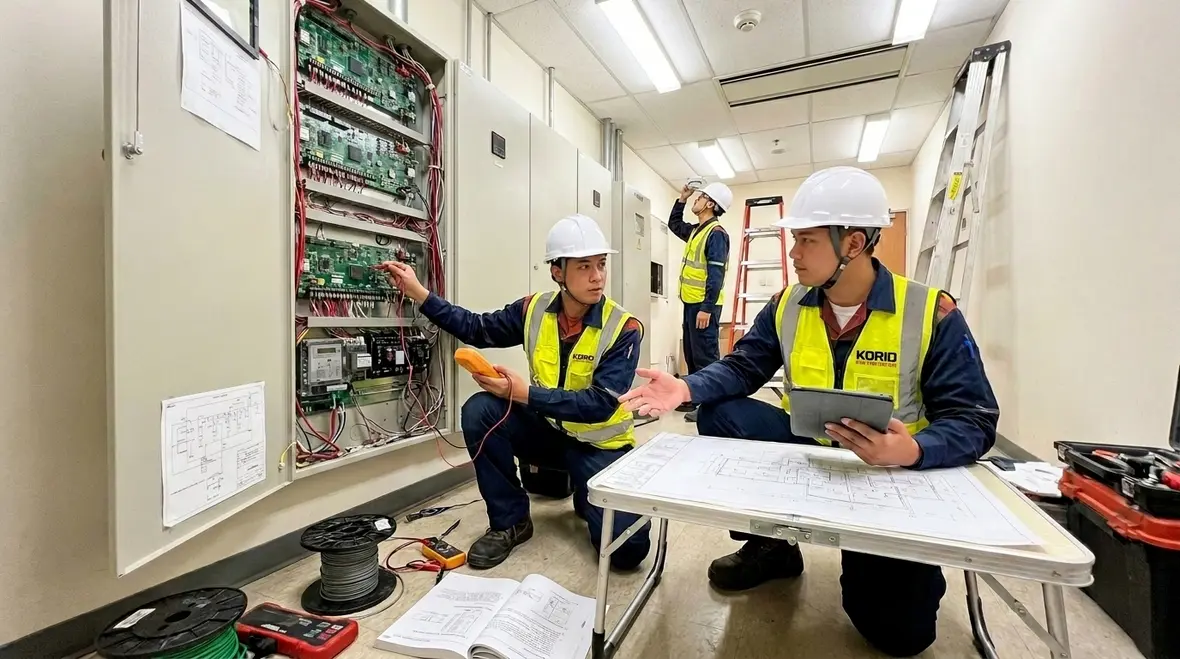
In practice, Level 1 techs commonly assist with field tasks such as verifying device mounting, checking wiring continuity, and helping run functional tests under supervision. They also learn how to interpret typical trouble conditions and how to confirm that signals reach the control panel properly. Transitioning from theory to field reality matters, because a smoke detector that looks fine can still fail if it is addressed wrong or wired incorrectly.
So, while Level 1 may sound like the starting line, it often sets the tone for the whole project. If a technician learns correct habits early, the rest of the chain suffers less.

What good Level 1 habits look like
Good Level 1 work is not glamorous, but it saves everybody pain later. It means labeling cleanly, reporting issues instead of hiding them, following testing steps in order, and understanding that “close enough” is usually the first sentence in a future callback. It also means building the discipline to ask the right questions before making assumptions. That is not weakness. On life safety systems, that is maturity.
NICET Level 2: expanding responsibility and verification
Level 2 usually broadens what a technician can handle independently. At this stage, technicians typically apply deeper understanding of fire alarm components, notification appliances, initiating devices, and system operation. Consequently, they can perform more advanced testing and verification while maintaining code-aligned practices.
Moreover, Level 2 techs often take on tasks that require stronger judgment. For instance, they may need to verify compatibility of devices, confirm correct supervision circuits, and ensure that system settings match the project intent. They may also help validate sequences of operation for alarms and trouble conditions.
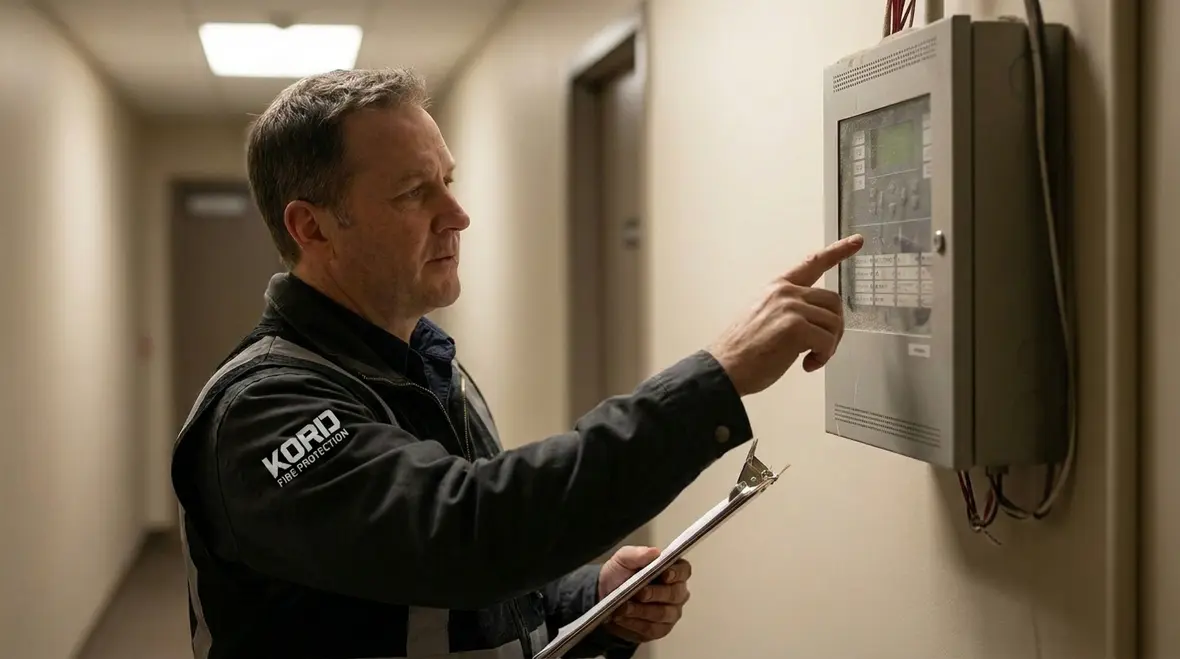
Meanwhile, a common site issue is “it passed the quick test.” However, a real verification checks more than quick functionality. It checks that the system behaves correctly under different states, such as alarm, pre alarm, supervisory, and trouble. That is where NICET Level 2 skills usually show up, because the technician needs to connect the dots between wiring, programming, and how the panel responds.
This is the level where a technician starts becoming truly valuable in turnover and troubleshooting. They are no longer just helping complete a checklist. They are helping confirm that the checklist actually reflects what the building needs and what the system is doing. That difference can save hours, arguments, and the ceremonial project meeting where everybody pretends the problem appeared out of thin air.
NICET Level 3: designing, planning, and solving harder problems
At Level 3, the technician typically moves into more complex work. This can include more detailed design, layout planning, and system verification tasks that require thorough understanding of codes and system requirements. Instead of only following established instructions, the technician starts making more decisions based on performance needs and code rules.
In many businesses, Level 3 techs act as the bridge between the field and the plan set. Therefore, they may review device placement logic, confirm circuit arrangements, and help ensure the system meets required operating behavior. Kord Fire Protection Technicians often stress that Level 3 work depends on correct interpretation, not just memorizing. A well planned circuit and a correct sequence of operation can prevent delays that feel like they are sponsored by chaos.
Additionally, troubleshooting at this level tends to get more analytical. The technician has to narrow down root causes, document findings clearly, and recommend fixes that address the system as a whole. In other words, the work becomes less “patch and move on” and more “solve the real problem.”

Where Level 3 changes the pace of a project
When a project hits that awkward stage where installation is mostly done but reality starts disagreeing with the drawings, Level 3 technicians are often the people who keep things moving. They can evaluate field conditions, compare them to the original intent, communicate with the team clearly, and help shape corrections without turning every issue into a full blown emergency. That is a big part of why experienced supervisors trust them on more complicated scopes.
NICET Level 4: leading complex projects and higher risk decisions
Level 4 generally represents the highest practical certification level for fire alarm technology in many NICET tracks. At this point, technicians often support the most complex projects, including higher complexity design review, advanced system verification, and leadership in quality. Because the stakes rise, the technician must show consistent competence across code knowledge, system design logic, and documentation standards.
As a result, Level 4 professionals can handle the kind of decisions that affect entire buildings. They may guide design strategies, review compliance details, and ensure that the system meets both safety goals and code requirements. They also help set standards for how the company documents field changes, manages submittals, and verifies system performance.
It is also common for Level 4 techs to coach the team. They explain why certain installation details matter, how to interpret testing results, and how to avoid repeat problems. In business terms, they help protect the company from rework and help protect people from unsafe systems. That is not flashy, but it is the job.
At this level, leadership is not just technical. It is procedural. A Level 4 technician or manager often helps define how the company handles verification, exceptions, as built updates, turnover documentation, and communication between departments. In other words, they help build a process that works even when the project does not behave nicely. Which, to be fair, is a hobby many projects take very seriously.

How Kord Fire Protection Technicians use levels to improve jobsite quality
Even with strong training, real quality depends on how a team assigns work. That is where Kord Fire Protection Technicians typically bring structure. They match project tasks to technician capability so that verification and documentation stay consistent from start to finish.
For example, they may use a simple workflow: field verification first, programming checks next, then functional tests with clear pass fail criteria. Also, they keep a disciplined documentation process so submittals and as built changes line up. And when the unexpected happens, they use a consistent troubleshooting approach instead of guessing.
Transitioning between NICET Levels Explained in daily practice helps supervisors avoid the two classic traps. One trap is assuming experience equals competence. The other trap is assuming competence equals independence. Levels help balance both, so the team moves fast without cutting corners.
That structure becomes even more useful on projects involving service calls, inspections, repairs, monitoring integration, or troubleshooting recurring trouble signals. For readers who want more context on how panel behavior and system supervision affect day to day service decisions, Kord Fire’s article on fire alarm trouble signal meanings explained is a smart next read. It connects well with the verification mindset that higher NICET levels depend on. Teams dealing with response workflows may also appreciate Kord Fire’s breakdown of what fire alarm monitoring is and how it works, especially when system signals need to be understood beyond the panel door.
FAQ
Conclusion and next step
NICET Levels Explained is more than a career ladder. It is a practical way to align skills with system risk, code requirements, and verification quality. When technicians and supervisors match responsibility to level, projects run smoother, testing results hold up, and safety improves. If a company wants to level up its fire alarm program, it should review technician scopes, tighten documentation, and plan training paths now.
For organizations that need support with installation, monitoring, maintenance, inspections, or repairs, Kord Fire’s fire alarm services page is the most direct next step. Contact Kord Fire Protection and ask how the team assigns work, validates systems for consistent compliance, and keeps projects from turning into a sequel nobody asked for.

Join Our Newsletter!
Get the latest fire safety tips delivered straight to your inbox From our Newsletter.