

Burbank Fire Inspection Requirements Guide
Burbank Fire Inspection Requirements: What Every Property Owner Should Know
In the city of studios and sunshine, safety rarely makes the red carpet. Yet behind every thriving business and fully booked apartment building sit the burbank fire inspection requirements that keep people safe. These local standards are not paperwork for paperwork’s sake. They exist to protect lives, property, and reputations. From restaurants to retail stores, compliance shapes daily operations in ways many owners do not see until an inspector knocks on the door. Fortunately, seasoned professionals like Kord Fire Protection technicians often step in to explain the fine print, translating code into clear, practical steps that make sense.
Therefore, understanding what the city expects is not just smart. It is essential. And while fire code may not sound like blockbuster material, it plays a starring role in keeping Burbank running safely.
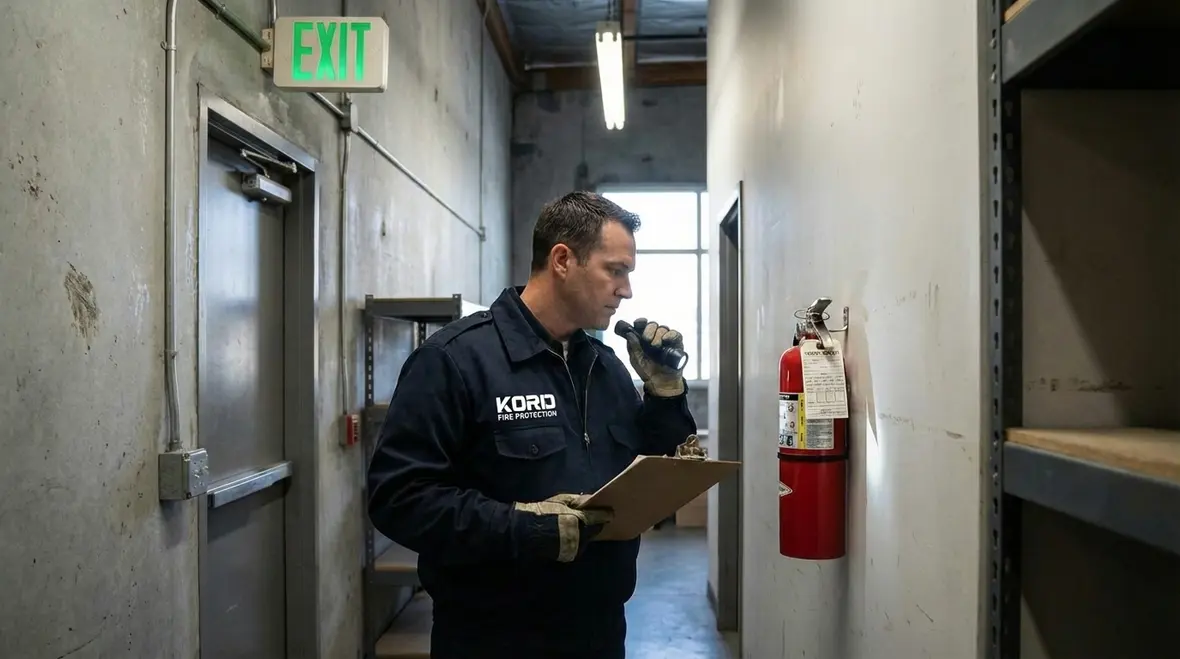
Understanding Burbank Fire Inspection Requirements for Commercial Properties
Burbank holds commercial properties to specific standards based on state and local fire codes. These regulations outline how buildings must prevent, detect, and respond to fire hazards. Although the rules may seem detailed, they follow a simple logic. Reduce risk. Improve response time. Protect occupants.
For example, businesses must maintain working fire alarm systems, accessible extinguishers, illuminated exit signs, and clear egress paths. In addition, many facilities require automatic sprinkler systems. Inspectors review maintenance records, check equipment tags, and test systems for proper operation.
However, compliance goes beyond hardware. Fire inspectors also evaluate storage practices, electrical panels, and occupancy loads. If a hallway turns into a storage closet, even temporarily, it may trigger a correction notice. After all, in an emergency, seconds matter.
Kord Fire Protection technicians often explain these points during pre inspection visits. They walk property managers through each component, clarify what inspectors look for, and address issues before they become citations. As they like to say, it is easier to fix a loose tag than to argue with a violation notice.
Want support beyond the minimum inspection? Explore how full Burbank Fire Protection Services can keep your building inspection-ready year-round.

How Often Does a Building Need to Be Inspected?
This is the question owners type into search bars at midnight. The answer depends on occupancy type and risk level.
Generally, high occupancy buildings such as hotels, large offices, and assembly spaces undergo annual inspections. Meanwhile, lower risk properties may follow a different schedule set by the local fire department. Restaurants, due to cooking equipment and grease buildup, often receive close attention.
Moreover, fire protection systems themselves follow separate inspection timelines. For instance:
- Fire sprinklers typically require annual inspections, with additional quarterly or five year internal checks.
- Fire alarms often undergo annual testing.
- Fire extinguishers require monthly visual checks and annual servicing.
Consequently, staying organized becomes critical. Many property owners rely on service providers to track these intervals. Kord Fire Protection technicians frequently create inspection calendars that align with Burbank fire inspection requirements, helping businesses avoid missed deadlines. Because nothing ruins a good Monday like discovering an expired extinguisher tag.
For properties across Los Angeles County, a dedicated fire sprinkler testing schedule can keep inspections predictable instead of painful.

What Inspectors Look For During a Visit
Documentation, Walkthroughs, and Real-World Readiness
When an inspector arrives, the process feels methodical rather than mysterious. First, they review documentation. Records show whether systems receive proper maintenance. Then, they conduct a physical walkthrough.
Inspectors typically check:
- Fire alarm control panels for trouble signals
- Sprinkler risers and valves for proper pressure and accessibility
- Extinguishers for correct placement and service tags
- Exit doors for smooth operation and proper signage
- Electrical panels for clearance space
- Storage areas for safe distances from ceilings and sprinkler heads
Additionally, they may test alarm devices to confirm audibility and visibility. While the sound of a test alarm can startle a few employees, it is far better than silence during a real emergency.
Importantly, inspectors also assess overall housekeeping. Excess clutter, blocked exits, and improper storage of flammable materials often lead to corrections. Therefore, maintaining daily discipline matters just as much as passing annual checks.
Common Violations and How to Avoid Them
From Blocked Exits to Sprinkler Clearance
Even well managed properties occasionally slip up. However, most violations share familiar themes.
Blocked exits top the list. Employees stack boxes near doors for convenience, not realizing they are creating a hazard. Likewise, missing or outdated extinguisher tags appear frequently. Over time, it becomes easy to forget a service date. Yet inspectors never do.
Another common issue involves sprinkler head clearance. Storage placed too close to sprinkler deflectors can interfere with water distribution. In a fire, that interference could mean the difference between control and catastrophe.
To prevent these problems, proactive maintenance proves vital. Kord Fire Protection technicians often conduct walkthrough assessments before official inspections. During these visits, they explain not just what to fix but why it matters. That educational approach helps staff stay engaged. After all, when people understand the reason behind a rule, they are more likely to follow it.
Need help staying ahead of violations? A recurring fire sprinkler service and maintenance plan can keep those clearance issues and overdue tags from piling up.
Fire Protection Systems and Local Compliance Standards
How Each System Supports Burbank Fire Inspection Requirements
Although many codes stem from state regulations, local authorities enforce them with precision. As a result, property owners must align system design and maintenance with city expectations.
Below is a simplified comparison of major system components and what inspectors typically verify.
| System Component | Inspection Focus |
| Fire Alarm Systems | Functional testing, battery backup, device communication, monitoring connection |
| Sprinkler Systems | Valve position, pressure readings, obstruction checks, inspection tags |
| Fire Extinguishers | Correct type, accessibility, annual service, monthly visual check |
| Emergency Lighting | Battery function, illumination duration, clear exit signage |
Each component supports the broader framework of burbank fire inspection requirements. Together, they create layers of protection. Therefore, neglecting even one piece can weaken the entire system.
Kord Fire Protection technicians often remind clients that fire safety resembles an orchestra. If one instrument falls silent, the performance suffers. And unlike a missed guitar solo, a failed alarm panel carries real consequences.
Preparing Staff for Inspection Day
Training, Communication, and Calm Confidence
Equipment alone does not guarantee compliance. People play an equally important role.
First, staff should know basic evacuation procedures. Clear communication during emergencies reduces confusion. Second, employees should understand how to report hazards, such as blocked exits or damaged devices. Finally, managers should maintain accessible inspection records.
Training does not require lengthy seminars. Instead, short refreshers during staff meetings can reinforce expectations. Moreover, assigning a safety lead within the organization helps maintain accountability.
Many businesses invite Kord Fire Protection technicians to conduct on site demonstrations. During these sessions, technicians explain how systems operate and what inspectors expect. Their calm, step by step explanations often turn anxiety into confidence. And while they do not arrive with popcorn, they do bring clarity.
The Cost of Non Compliance and Why Prevention Wins
Fines, Downtime, and Reputation Risk
Ignoring Burbank fire inspection requirements can result in fines, reinspection fees, or even temporary closure. However, the financial impact extends beyond penalties. Downtime disrupts operations. Reputation suffers. Insurance complications may follow.
On the other hand, consistent compliance offers long term savings. Regular maintenance extends equipment life. Early detection of issues prevents expensive repairs. Furthermore, a strong safety record builds trust with tenants, customers, and employees.
Therefore, investing in preventive service becomes a strategic decision rather than a regulatory burden. As many seasoned property managers admit, it is far cheaper to maintain a system than to replace one after failure.
FAQ About Fire Inspections in Burbank
Conclusion: Take the Next Step Toward Compliance
Meeting burbank fire inspection requirements does not have to feel overwhelming. With expert guidance, steady maintenance, and informed staff, compliance becomes part of daily operations rather than a last minute scramble. Kord Fire Protection technicians stand ready to explain, inspect, and support every step of the process. Schedule a professional assessment today and turn fire safety from a worry into a well managed strength that protects both people and business.
If you manage a property in or around Burbank, consider partnering with a team that already understands local expectations. Explore dedicated Burbank Fire Protection Services for full inspections, testing, and maintenance, or reach out through the Kord Fire contact page to request a quote. A single call today can prevent multiple headaches on your next inspection day.
Know Your Weapon Before You Fight the Flame
Kord Fire Protection is your go-to when it comes to all things fire protection. For over 20 years, we’ve been serving Southern California with the quality service and equipment to keep your home or business safe at all times. Our competitive prices reflect our unwavering commitment to protecting what matters most in the event of a fire emergency. Give us a call, send an email, or use that form!

Join Our Newsletter!
Get the latest fire safety tips delivered straight to your inbox From our Newsletter.


