ANSUL vs Pyro-Chem Kitchen Suppression Systems
In this guide, the article breaks down ANSUL vs Pyro-Chem for commercial kitchen suppression systems, and it does so in plain language that a decision maker can actually use. ANSUL and Pyro-Chem both protect kitchens from grease and cooking fires, yet they take different paths to do it. After all, a kitchen fire does not care which brand a contractor prefers, it only cares how fast the system responds. Then, just when you think the choice is all about equipment, kord fire protection enters the picture as a vital partner, helping the service team design, install, and keep the system ready for real life, not showroom life.
How kitchen suppression systems actually work in the real world
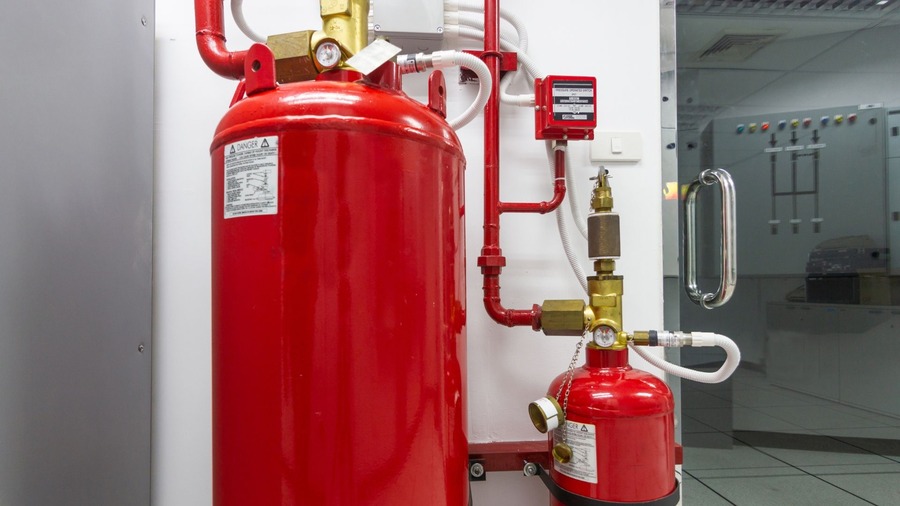
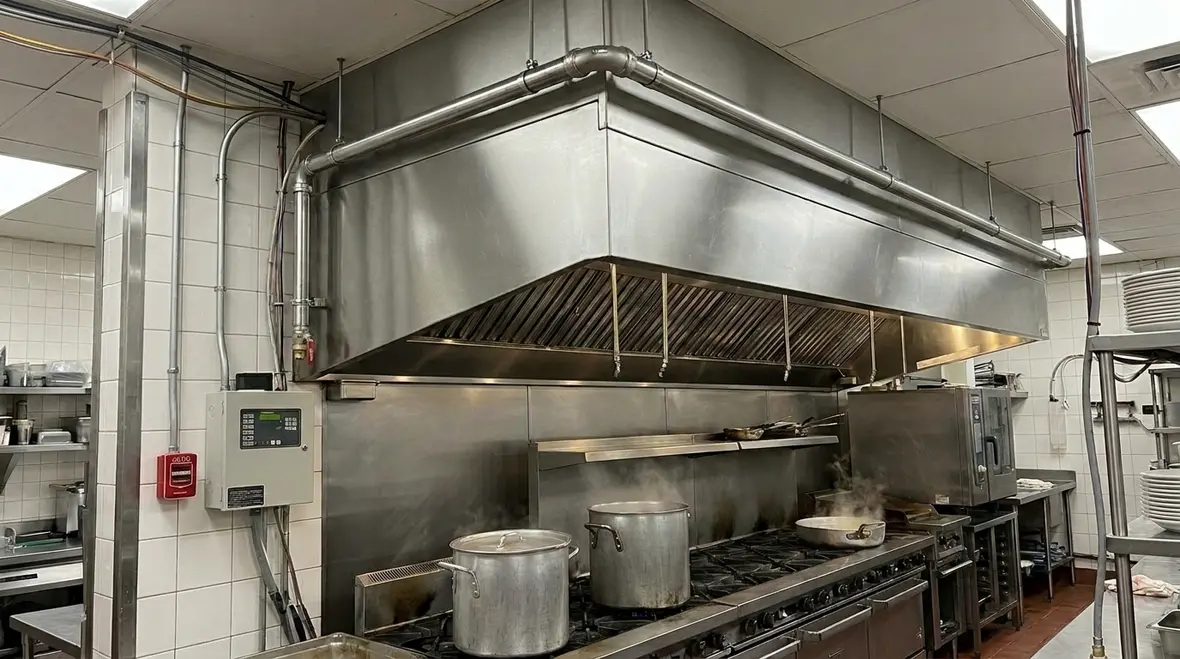
Commercial kitchen fires usually start with grease and heat, then they spread fast because cooking oils love drama. A good suppression system does three jobs in sequence. First, it detects heat or flames. Next, it releases the extinguishing agent into the right area, often across hood ducts and around the hood plenum. Finally, it stops the fire and helps prevent re ignition while the staff exits and the fire department arrives.
Therefore, the “best” system depends on more than brand recognition. It depends on hood design, duct size, cooking equipment heat output, and how the kitchen operates day to day. In short, brand matters, but system fit matters more. For readers who want a broader primer on how these systems protect cooking equipment, hoods, and ducts, Kord also covers the bigger picture in Commercial Kitchen Fire Suppression Systems Explained.
Why the real world is messier than the brochure
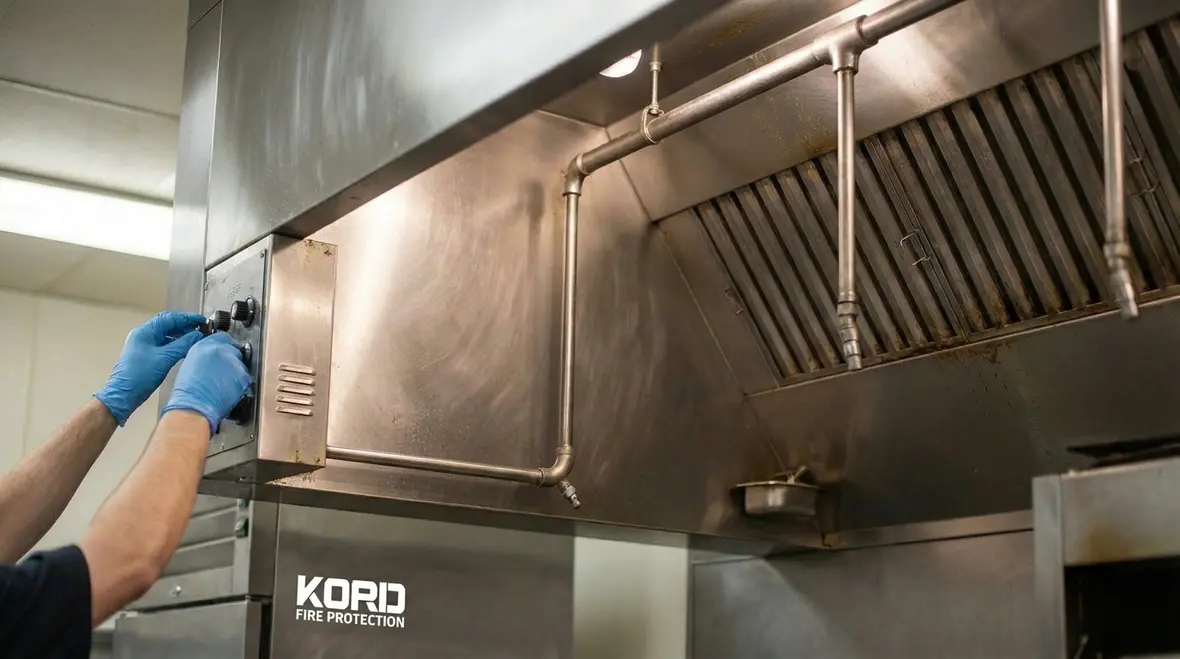
Brochures love clean diagrams. Kitchens love chaos. That is why a system that looks perfect on paper still has to survive grease, steam, rushed dinner service, and the occasional staff member who treats maintenance tags like decorative bookmarks. In practice, the system has to react to actual heat patterns, actual appliance spacing, and actual human behavior. That is where experienced design and service matter more than logo worship.
ANSUL vs Pyro-Chem: design and discharge differences
ANSUL and Pyro-Chem both aim to control kitchen fires, yet their engineering choices can affect performance, service work, and long term planning. In many kitchens, ANSUL systems use a proven approach built around a detectable release and a specific distribution strategy for the fire zone. Pyro-Chem systems also use detection and agent discharge, but they may focus on a different layout philosophy and component selection that installers tailor to the hood and duct arrangement.
As a result, the decision often comes down to how the system components match the facility, including the detection heads, tubing routing, and the agent storage placement. Also, kitchens rarely stay the same. Equipment upgrades, layout changes, and new cooking appliances happen. So the systems need a path for modification without turning every future service call into a puzzle box. Kord recently published a companion guide focused on Pyro-Chem fire suppression systems for commercial kitchens, which is useful when a facility wants more context on that side of the comparison.
Where differences show up during service
A system is not only judged on the day it installs. It is judged during inspections, during remodels, and on that deeply inconvenient day when something actually discharges. Detection runs, nozzle placement, cylinder access, and how easily technicians can verify the full setup all affect how smooth ownership feels over time. Owners do not just buy protection. They buy future service experience, whether they realize it or not.
Choosing agents: wet chemical behavior and kitchen compatibility
Wet chemical suppression systems typically use agents designed to interrupt the fuel and cool the heat. They create a barrier effect and help stop the fire from spreading through the hood cavity and duct pathway. However, the exact agent chemistry and discharge pattern can impact cleanup, corrosion resistance, and how the system performs after the event.
Then again, even the best agent does not help if the kitchen team neglects maintenance. Therefore, the right brand is only half the story. The other half is service frequency, inspection quality, and response to partial faults like valve issues, detection sensitivity drift, or clogged discharge paths. Readers comparing wet chemical options may also want to see Kord’s related article on wet chemical fire suppression systems and Range Guard for more perspective on how agent based protection fits kitchen environments.
Installation quality matters more than the logo
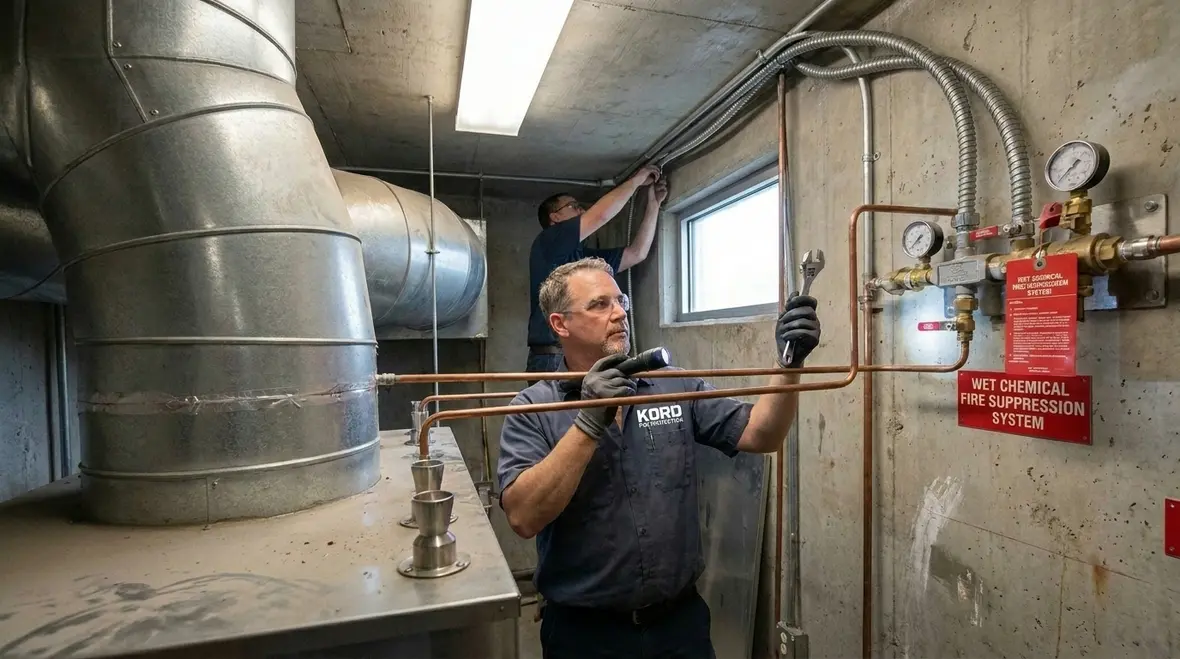
Many people shop by name, but professionals know the system only performs as well as it is installed. A clean layout of tubing, correct nozzle placement, secure fittings, and properly sealed duct connections determine whether the agent lands where it should. Likewise, detection locations must match the kitchen workflow. If the system triggers late because the design ignored real cooking heat patterns, then it will feel “slow” even when it is technically within spec.
Additionally, code compliance influences design choices. Authorities having jurisdiction look for correct component listings, proper labeling, and documentation. Since kitchens often face frequent inspections, the install must support that paperwork trail, not fight it. Kord also discusses coverage limits and expectations in Kitchen Fire Suppression: What It Covers and Does Not Cover, which helps owners understand what the system should and should not do.
Design mistakes that feel small until they are not
A slightly off nozzle location, a lazy tubing run, or a cramped component placement can seem harmless during installation. Later, they become the reason inspection takes longer, service costs rise, or protection becomes less reliable. Fire protection has a funny way of punishing shortcuts with interest.
Service plans: inspection, recharge, and downtime control
Here is the part that operators care about: after installation, what happens when inspections come due, or when there is a discharge. A strong service plan tracks routine inspections, performs component checks, and schedules recharging or replacement when needed. It also prepares for the worst day, which happens whether anyone schedules it or not.
When a kitchen discharges, time matters. Kitchens want to reopen fast, and they want to do it safely. Therefore, a reliable service partner can reduce downtime by having trained technicians, correct parts, and clear procedures. This is where kord fire protection can become a vital partner with the service job, not as a vague promise, but as a practical support system that helps coordinate inspections, repairs, and readiness checks across the year.
That service mindset is exactly why broader planning matters. Kord’s fire suppression services page shows how kitchen systems fit into wider inspection and maintenance support, which is useful when an operator wants one dependable team instead of a relay race of vendors.
Common pitfalls that cause failures during audits
Even when the system brand looks right on paper, kitchens can still fall short. First, missing inspection records create problems during audits. Next, technicians who skip steps during testing can miss small defects that later cause bigger failures. Also, some facilities delay maintenance after small issues, and then they act surprised when a minor fault turns into a system shutdown request.
Another pitfall involves equipment changes. When a kitchen swaps appliances, changes duct routing, or modifies the hood, the suppression system may need adjustments. If the kitchen treats those changes like a casual remodel, the protection can become mismatched. So, the facility should plan updates with a fire protection partner who understands how the suppression system ties to the hood and cooking heat. For a practical inspection angle, Kord’s recent post on hotel kitchen fire suppression inspections offers a helpful service focused read.
How kord fire protection supports the full lifecycle
Choosing ANSUL vs Pyro-Chem is important, yet the real success shows up after the install. kord fire protection helps facilities manage the lifecycle with disciplined service and a focus on readiness. For example, a partner like that supports installation coordination, schedules inspections that align with local expectations, and provides clear documentation for compliance. Then, during recharge or repairs, the service work stays organized so kitchens return to operation sooner.
Think of it like a good airline pilot. The plane’s built with the right parts, but the pilot still has to fly it properly. Same idea. The system needs a team that treats inspection and service as a job, not a “we will get to it someday” side quest. If the goal is practical support near decision time, the best next stop is Kord’s fire suppression service page, where operators can review kitchen system support and request help for design, installation, or maintenance.
FAQ about ANSUL vs Pyro-Chem kitchen suppression
Conclusion: make the decision, then back it with a service partner
When a facility compares ANSUL vs Pyro-Chem, it should look beyond marketing and focus on fit, installation quality, and long term service planning. Then, once the system matches the hood and duct design, the real protection comes from consistent inspection, fast repair response, and clear compliance documentation.
To get that full lifecycle support, contact kord fire protection through the fire suppression services page for a tailored assessment and a practical service plan. Do not wait for a test discharge or an audit surprise. Secure readiness now, and your kitchen can cook with confidence.

Join Our Newsletter!
Get the latest fire safety tips delivered straight to your inbox From our Newsletter.