
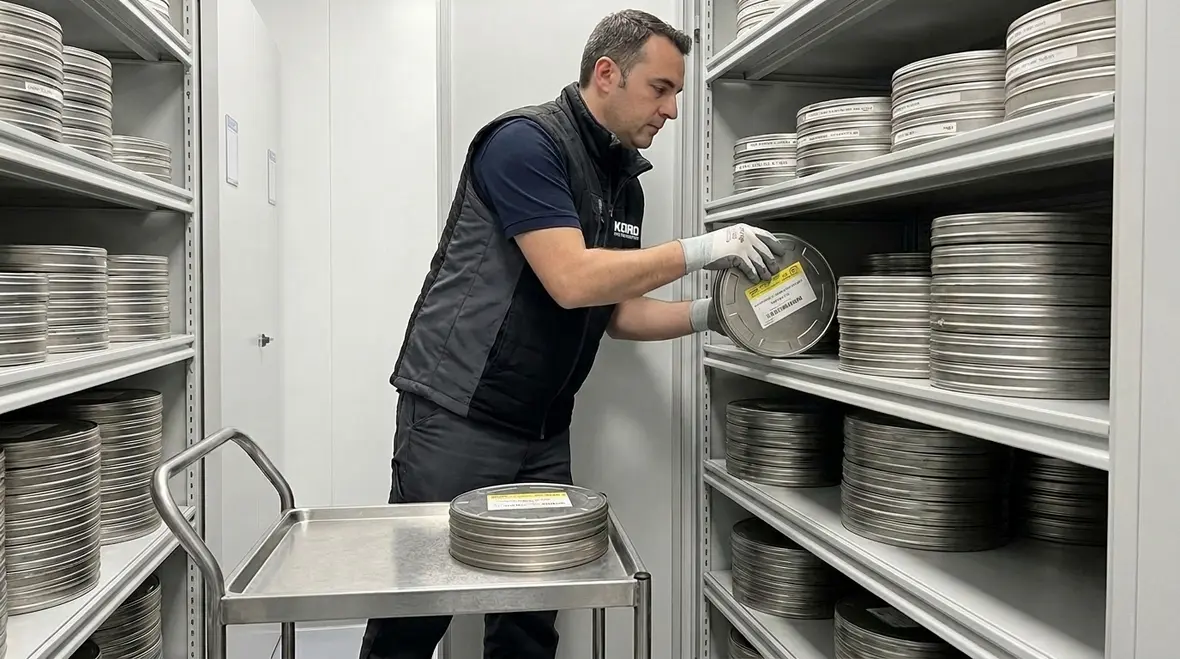
NFPA 40 Section 1.3 Application: Which Nitrate Film Operations Are Covered
Quick Answer: NFPA 40 Section 1.3 defines the nitrate film operations scope to which the standard applies, focusing on nitrate film storage, handling, and related processes. In practice, the coverage turns on the presence and management of nitrate film material, not the facility type alone.
For facilities building stronger inspection routines and reliability planning around these hazards, it helps to understand how inspection, testing, and maintenance programs support long term compliance across fire protection systems.
Why NFPA 40 Section 1.3 matters for real facilities
Commercial and industrial operators often assume NFPA 40 applies only to specialized vault storage. NFPA 40 Section 1.3 application, however, drives a broader compliance conversation: it establishes which nitrate film operations fall under the standard and therefore must follow the associated requirements for storage, safeguards, and maintenance. For facility managers, this directly affects how operations are classified, how rooms are built and protected, what inspection routines are required, and how equipment is kept reliable over time.
The key compliance challenge is operational clarity. Many facilities handle film in multiple locations or phases, such as incoming handling, temporary staging, transfer to production areas, and eventual storage. If nitrate film is present at any stage, NFPA 40 application can become a practical requirement for multiple rooms and processes, not just the main storage area. That is why teams should treat Section 1.3 as a scope and classification tool, then tie it to facility drawings, work instructions, and inspection checklists.
First question to ask: is nitrate film actually part of the operation?
NFPA 40 application covered nitrate film operations are typically determined by whether the facility engages in operations involving nitrate film, including storage and handling processes that could expose nitrate film to ignition hazards. Many compliance gaps come from assuming that small quantities or short-term handling are exempt. If nitrate film enters the workflow and is managed on site, scope analysis should be performed for every operational phase where nitrate film is present.
NFPA 40 Section 1.3 coverage: the scope logic facilities should use
NFPA 40 Section 1.3 application provides the method for determining applicability. Facility teams should apply a “material and operation” lens. This is not merely a question of the building address, occupancy label, or whether the operation resembles a classic film archive. It is a question of what is happening with the nitrate film material and where it occurs.
Material presence drives applicability
Operations fall into NFPA 40 application covered nitrate film operations when nitrate film is present and managed through storage, handling, or related processing steps that the standard addresses. Practically, this means the scope analysis should start with a full material inventory and workflow map. Include not only finished film reels, but also items that function as part of film handling and storage, such as containers, protective wrappers, and staging media used during transfer.
Operational steps determine which areas must comply
Even when only one room has a formal storage designation, nitrate film operations often occur in adjacent spaces. Section 1.3 application, when applied correctly, pushes facilities to identify every area where nitrate film is exposed to hazards such as heat sources, potential ignition sources, or conditions that accelerate deterioration. Common examples that trigger scope expansion include receiving and inspection areas, temporary holding locations during maintenance activities, transport routes inside the building, and areas where film is staged prior to transfer to storage.
Which nitrate film operations are commonly included in the covered scope?
The following operational categories commonly align with NFPA 40 application covered nitrate film operations. The exact interpretation depends on the facility’s workflow and how nitrate film is managed, but these are typical points where compliance teams either succeed or discover gaps during surveys and inspections.
Storage operations and film containment
Storage is the most obvious scope element, but facilities should confirm that “storage” includes all locations where nitrate film is kept on a continuous or recurring basis. Compliance also extends to containment practices and the ability to maintain required safety performance over time.
Handling operations, including staging and transfer
Handling steps are often underestimated. Any transfer process that moves nitrate film from one condition to another, such as staging before storage or movement between operational rooms, can fall under NFPA 40 application covered nitrate film operations. This includes practices that reduce exposure risk during short duration activities, not only long term holding.
Receiving, inspection, and work-in-progress workflows
Commercial facilities frequently receive film shipments and then route them to storage or processing areas. If inspections, inventory handling, or work-in-progress staging occur on site, those steps should be assessed under Section 1.3 applicability logic.
Maintenance-related handling that temporarily exposes nitrate film
Maintenance and testing activities can create short windows where nitrate film is moved, staged, or temporarily stored differently. These windows can create compliance uncertainty unless written procedures, training, and operational controls are in place. Kord Fire Protection typically helps teams translate scope into workable procedures so maintenance does not unintentionally create “noncompliant handling” periods.
Common compliance pitfalls when applying NFPA 40 Section 1.3
Scope errors often come from documentation or facility design assumptions rather than from intentional noncompliance. The following issues frequently surface during internal audits, insurer reviews, or fire protection assessments.
Assuming occupancy type determines coverage
Commercial, industrial, and retail facilities can all experience nitrate film operations if nitrate film is present. The scope should follow NFPA 40 application covered nitrate film operations logic tied to material and operational steps, not just the occupancy label or perceived risk category.
Incomplete workflow maps
If a facility does not map every location where nitrate film resides or is handled, it can miss rooms, corridors, and staging zones. This frequently leads to incomplete protection strategies and inconsistent inspection records.
Equipment performance drift due to weak maintenance routines
Even when initial installation is correct, compliance can degrade due to delayed inspections, poor test record management, or maintenance shortcuts that allow equipment performance to drift. Kord Fire Protection supports ongoing commercial fire protection compliance through inspection, testing, and maintenance programs that help facilities sustain required safety performance.
Training gaps for handling and transfer procedures
Many operations errors occur during transitions. Employees and contractors may follow local habits rather than written procedures aligned to scope. Training that focuses only on storage but not staging, transfer, or temporary handling commonly contributes to failures.
How to apply NFPA 40 application covered nitrate film operations in a practical compliance program
A strong compliance program turns Section 1.3 scope into operational controls that survive day to day activity. A practical approach typically includes the following steps.
1) Create a nitrate film operations inventory and workflow diagram
List where nitrate film enters, where it is staged, how it is transferred, and where it remains. Identify every room and route where nitrate film is managed. This step is the foundation for confirming NFPA 40 application covered nitrate film operations across the facility footprint.
2) Classify facility areas and align procedures to those areas
Match operational activities to facility zones. Update work instructions to reflect exactly how personnel should handle film, including receiving, inspections, staging, temporary movement, and return to storage.
3) Establish inspection and maintenance schedules tied to the safety functions
Compliance is maintained through reliable equipment and documented testing. For many facilities, the inspection burden is not limited to one system type. It includes verifying that the safeguards supporting nitrate film hazard control remain functional and that records are auditable. For support with inspection readiness, testing, and ongoing reliability, facilities often partner with Kord Fire Protection.
For additional guidance on building level fire protection planning and inspection workflows, visit this guide to fire safety compliance management with automated documentation.
4) Use routine audits to catch scope drift
Scope drift happens when operational practices change, storage patterns evolve, contractors perform work differently, or temporary staging locations start appearing. Routine audits should verify that the workflow diagram matches current operations and that training matches current practices.
Frequently Asked Questions
Next step: confirm your facility’s nitrate film scope
Facilities should not wait for an audit to discover scope uncertainty. Kord Fire Protection can help confirm NFPA 40 application covered nitrate film operations through practical review, inspection planning, and maintenance alignment so safeguards perform when they matter. Contact Kord Fire Protection to schedule a compliance readiness discussion and establish an ongoing testing and maintenance program that supports sustained coverage.

Join Our Newsletter!
Get the latest fire safety tips delivered straight to your inbox From our Newsletter.



