Advanced Commercial Lighting Control Systems and Compliance in Australia
Quick Answer: Advanced Commercial Lighting Control Systems cut energy waste, improve comfort, and help businesses meet compliance needs for lighting performance. They coordinate dimming, scheduling, daylight harvesting, occupancy sensing, and monitoring in one platform. A strong partner, including Kord Fire Protection, can also help align lighting upgrades with life safety planning.
In Australia, facilities managers, retailers, and industrial operators face two constant pressures: keep costs down and prove compliance. That is where Commercial Lighting Control Systems come in. These systems do more than switch lights on and off. They manage how light behaves across a building, and they keep doing it consistently, even as spaces change. In this guide, third person experts explain how advanced control strategies deliver measurable efficiency and make audits easier, while also showing how Kord Fire Protection can become a vital partner when life safety planning and electrical works overlap.
For businesses planning upgrades that involve broader electrical coordination, it also helps to connect lighting improvements with reliable electrical services from Kord Electric. That fit becomes especially useful when control wiring, panel changes, and life safety coordination all want attention at the same time, which is usually right when nobody wants surprises.
Designing Commercial Lighting Control Systems for real energy savings
Advanced control goes beyond the simple wall switch. Instead, teams plan zones, layers, and logic so lights respond to how spaces get used. Commercial Lighting Control Systems typically combine sensors, control panels, and software. Then they coordinate dimming levels, schedules, and emergency interactions so the building behaves like a system, not a pile of independent devices. And yes, it means less “lights everywhere” behavior. That is good for wallets and even better for daytime staff when the sun is actually helping.
To achieve real savings, facilities teams usually start with lighting audits and mapping. They then select control points based on task needs, such as corridors, aisles, loading areas, offices, and plant-adjacent zones. Next, they set target light levels and define how quickly lights dim or return. After that, they verify performance during commissioning so the controls match the design intent. Finally, they keep monitoring to catch drift over time, such as sensor contamination or schedule mismatches.
What smarter design looks like in practice
A well-designed control strategy does not simply chase the lowest possible wattage. It balances energy reduction with task visibility, occupant comfort, and operational continuity. In a warehouse, that may mean keeping circulation paths bright enough for safety while dimming low-traffic storage zones. In offices, it may mean creating separate logic for meeting rooms, open-plan desks, and breakout spaces. In retail, it often means protecting product presentation while still trimming unnecessary runtime before opening, after closing, and during bright daylight periods.
How compliance works when lights must prove performance
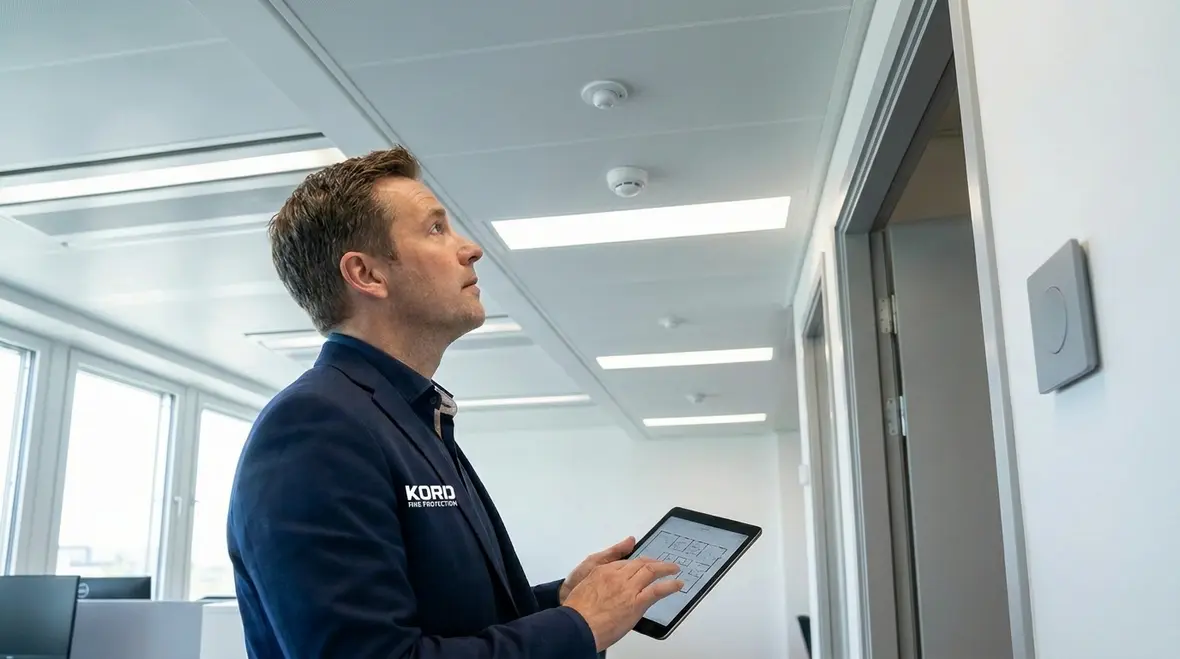
Compliance in commercial lighting is rarely one single checkbox. It is often a combination of energy rules, safe installation practices, and documentation requirements. As a result, advanced Commercial Lighting Control Systems support compliance by creating traceable operating logic and consistent control behavior. They also help teams show that lighting is not running at full output during periods when it should not.
For audits, the value sits in evidence. Engineers can document set points, operating schedules, zone definitions, and sensor behavior. They can also record firmware versions and commissioning outcomes. Moreover, reporting tools can show runtime trends and fault conditions. When something fails, the system flags it so maintenance teams can act quickly. In the end, compliance becomes less like hunting for old emails and more like using a clear record.
Why traceability makes audits less painful
Facilities teams usually do not struggle because they never did the work. They struggle because proof gets scattered across contractors, folders, screenshots, and somebody’s memory of what happened six months ago. Advanced controls solve part of that problem by keeping schedules, overrides, and operating history in one place. That means when auditors ask how a zone behaves after hours, or whether dimming levels were verified during commissioning, the answers do not need to come from guesswork.
This kind of traceability also supports future changes. If a tenancy shifts, a warehouse expands, or an industrial area changes process flow, teams can revise control logic without losing the original baseline. A building that can explain itself is much easier to manage than one that behaves like it has secrets.
Occupancy, daylight, and scheduling logic that facilities actually trust
Most buildings waste energy in the in between moments. People enter late, meetings run long, and cleaning happens at odd times. Therefore, occupancy sensing and daylight harvesting must work together, not in separate worlds. An expert approach uses multi-criteria logic. For instance, occupancy can trigger immediate lighting response, while daylight sensors maintain stable brightness once natural light arrives.
Scheduling then adds a practical layer. Teams set normal operating windows for each department and adjust them for seasonal changes. However, schedules alone do not handle reality. That is why advanced systems use handover rules, such as minimum on time, fade profiles, and override behavior for cleaning staff and after-hours events. In simple terms, the lights should act like a helpful employee, not like a moody teenager who turns everything off just because. The system should also support clear override permissions so teams can work without fighting the controls.
Building trust through predictable control behavior
People stop trusting lighting controls the moment they feel random. If a meeting room goes dim while the room is occupied, or a back-of-house retail area stays bright for hours after everyone leaves, staff quickly decide the system is annoying rather than useful. That is why sensor placement, timeout settings, and daylight thresholds deserve real attention during design and commissioning. Predictable behavior turns controls from a nuisance into part of the background, which is exactly where good controls belong.
Smart zones, commissioning, and maintenance workflows that prevent drift
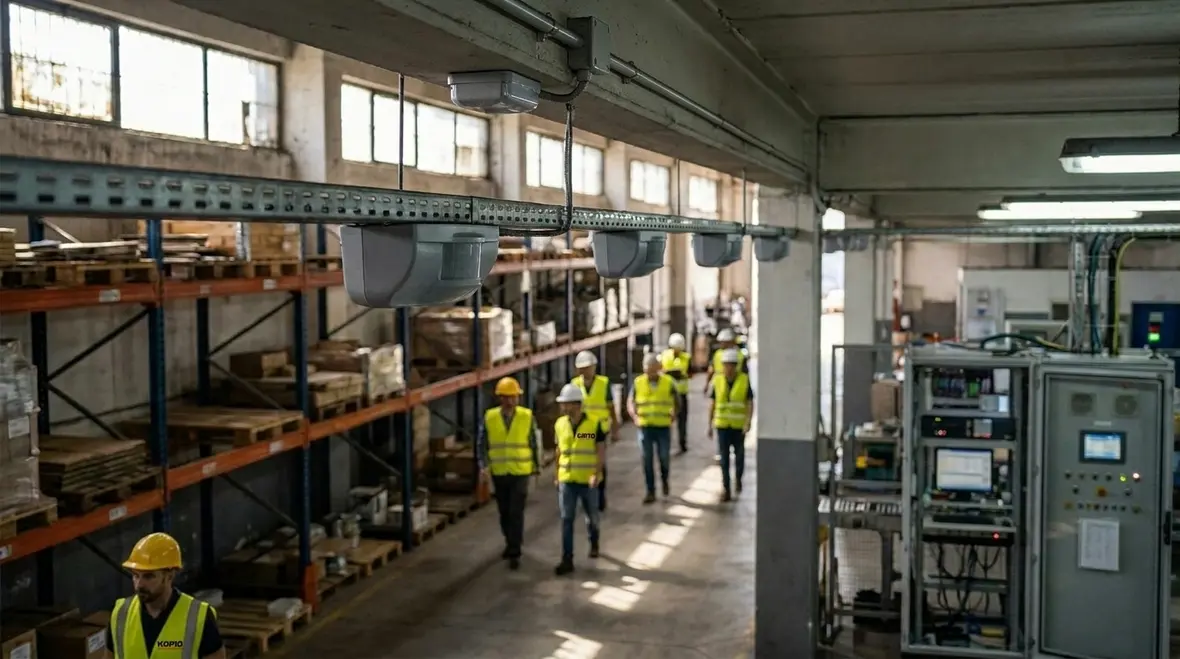
Advanced Commercial Lighting Control Systems depend on correct zoning and ongoing care. In practice, teams create a zone plan that matches occupancy patterns and lighting layout. Then they commission each zone by checking sensor coverage, dimming response, and control thresholds. Commissioning also includes verifying that lighting levels meet task requirements at different times of day. And yes, it includes checking that the controls do not fight with external factors such as skylight glare or reflective surfaces.
After commissioning, maintenance workflows keep the system reliable. Teams can schedule sensor cleaning and use monitoring alerts to identify faults early. For example, if a dimming driver reports errors or a sensor fails to update, technicians can respond before occupants complain. Likewise, if daylight sensors drift due to changes in window tint or new external shading, the system can prompt recalibration. This reduces downtime and protects both comfort and efficiency.
Why drift quietly eats performance
Control drift is one of the biggest reasons a system that looked brilliant at handover starts underperforming later. Dust builds up. Furniture moves. Shelving gets higher. Tenants reconfigure rooms. Seasonal daylight shifts become more obvious. None of that means the system failed. It means the building changed and the controls need periodic attention to keep up. A strong maintenance workflow treats recalibration and inspection as normal operating practice, not as emergency surgery after complaints stack up.
This is also where related site planning becomes useful. Teams already thinking about broader control coordination may benefit from Kord Fire Protection’s article on coordinating emergency lighting and fire safety controls, especially when upgrades touch more than one system at once.
Emergency lighting, safety interfaces, and where Kord Fire Protection fits
When electrical and life safety systems connect, coordination matters. Lighting control upgrades can involve wiring changes, device integration, and commissioning that touches safety pathways. That is exactly where Kord Fire Protection can become a vital partner. While lighting controls manage comfort and energy, fire and life safety professionals focus on safe operation under emergency conditions. When these efforts align, the project runs smoother and documentation stays cleaner.
Experts typically plan interfaces early. They confirm how emergency lighting operates independently of regular control logic. They also check that control panels and devices do not interfere with emergency circuits. Furthermore, they verify compliance with relevant installation standards and commissioning practices. With the right partner, Kord Fire Protection helps ensure that the building’s life safety strategy remains intact while lighting controls deliver efficiency benefits. In short, it keeps the project from becoming one of those “we’ll fix it later” situations, which usually means it never gets fixed, at least not without extra cost.
- Coordinated commissioning planning when lighting controls require electrical works
- Clear interface checks between control logic and life safety functions
- Documented handover support so teams can maintain systems with confidence
- Reduced risk during upgrades across industrial, retail, and multi-use facilities
That partnership model fits naturally with Kord Fire Protection’s broader thinking around integrated controls and site readiness. Teams exploring related coordination work can also review centralized automatic fire protection controls in Australia for another angle on how systems behave better when they stop acting like separate little kingdoms.
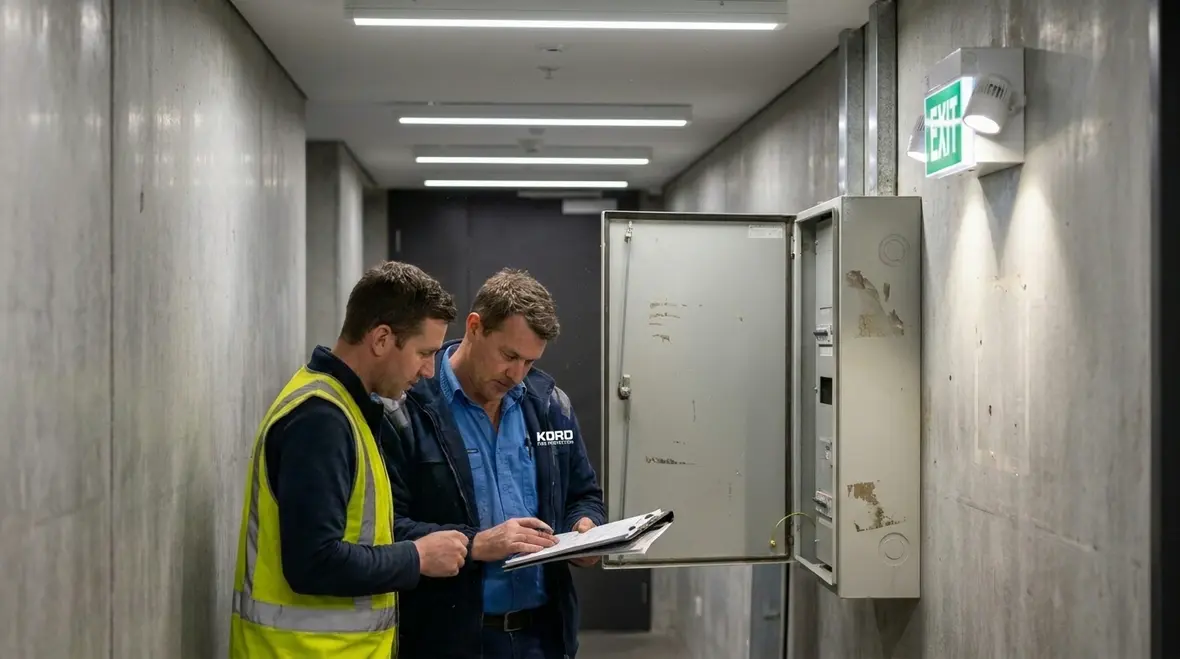
Project planning for industrial and retail spaces across Australia
Industrial sites and retail environments both need efficiency, but their rhythm differs. Warehouses and factories often have large open areas, variable shift patterns, and harsh conditions. Therefore, robust sensors, protected mounting strategies, and reliable control logic matter. Retail spaces often require stable light for customer comfort and product visibility, and they face frequent layout changes. Thus, zoning flexibility and software-based scheduling adjustments can become critical.
For multi-facility businesses, a consistent commissioning standard helps keep outcomes predictable. Experts recommend using a repeatable approach: audit, design zones, select equipment, program control logic, commission, and train maintenance teams. Transition planning also matters. Teams should coordinate installs to avoid downtime during peak trading hours or scheduled production runs. In addition, they should plan for future expansion so controls can scale rather than get replaced.
Two-column planning checklist
| Step | What experts verify |
| Audit and mapping | Lighting levels, occupancy patterns, daylight sources, task needs |
| Control strategy | Zone logic, dimming behavior, schedules, overrides |
| Commissioning | Sensor coverage, fade profiles, set point accuracy |
| Maintenance plan | Alerts, cleaning schedule, recalibration triggers |
Industrial and retail teams also benefit when lighting upgrades are not treated as isolated purchases. A project that considers electrical capacity, emergency interfaces, maintenance access, and documentation from the start usually delivers fewer headaches later. That sounds obvious, yet plenty of projects still discover key coordination issues after materials arrive on site, which is a pretty expensive time to become philosophical.
FAQ about Commercial Lighting Control Systems
Choosing the right partner to deliver efficient, compliant lighting
Advanced lighting control succeeds when design, commissioning, and maintenance work together. Commercial operators should choose teams that plan zones carefully, verify performance during handover, and support monitoring after installation. For projects that involve electrical works and life safety coordination, Kord Fire Protection can support safer outcomes and smoother commissioning.
If the goal is efficiency you can measure and compliance you can defend, it is time to plan the next upgrade. Contact the team today to map a controlled, reliable rollout. Businesses that connect smart controls with strong electrical coordination and life safety thinking usually get better long-term results, and far fewer awkward surprises hiding behind the ceiling tiles.


Join Our Newsletter!
Get the latest fire safety tips delivered straight to your inbox From our Newsletter.