Advanced Commercial Fire Pump Diagnostics for Power Issues
Quick Answer: Commercial fire pump diagnostics use advanced testing to pinpoint why fire pumps lose power, fail to build pressure, or trip protective devices. Technicians combine electrical, mechanical, and control-system checks to find hidden faults before they become expensive downtime. With a calm plan, the right repairs restore reliability and compliance across commercial facilities. If your broader life safety setup also needs attention, full fire protection services can help tie pump diagnostics into a more complete maintenance strategy.
Power faults in a fire pump rarely arrive with a courtesy note. More often, they show up as nuisance trips, weak pressure, hesitant starts, or a control panel that seems to know something is wrong but refuses to explain it in plain English. That is exactly why advanced diagnostics matter. Instead of poking around and hoping the breaker confesses, technicians follow a method that narrows symptoms into measurable causes. The result is faster repair planning, cleaner compliance documentation, and fewer ugly surprises when the system is actually needed.
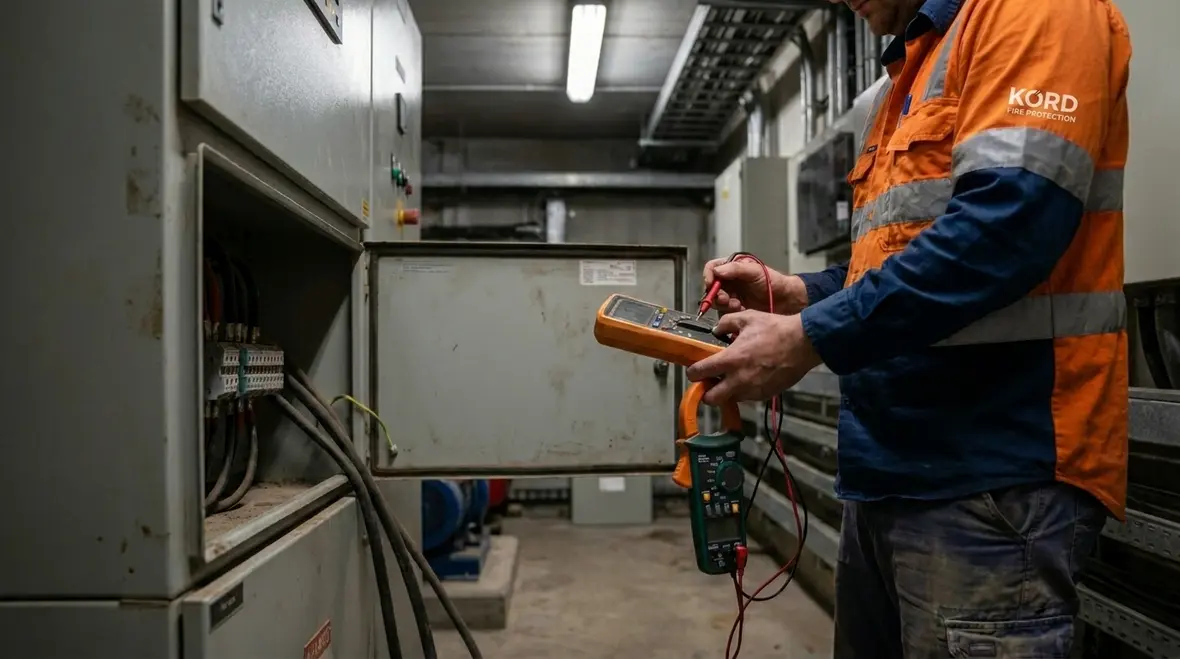
Advanced diagnostics for power faults in fire pumps
When a fire pump acts up, the building does not wait. That is why advanced commercial fire pump diagnostics matter. They help identify power issues such as voltage drop, phase imbalance, contactor wear, ground faults, controller misreads, and motor starting problems. In other words, they separate “it seems off” from “here is the exact reason it is off.”
Facilities run long hours, and fire pump systems still need to perform like a calm professional under pressure. Yet power problems can hide in plain sight, especially when maintenance teams only test what is easy. That is where skilled diagnostics shift the job from guesswork to proof. And yes, nobody wants a fire pump troubleshooting session that feels like debugging a toaster. A real plan prevents that.
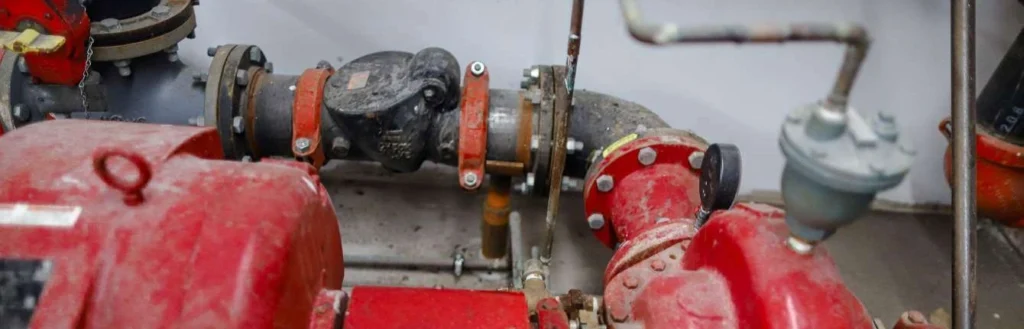
A useful starting point is understanding how the pump fits into the wider protection system. Kord Fire Protection’s fire pump service page highlights inspections, repair, maintenance, documentation, and on-call support, which naturally connects to deeper diagnostics when recurring power faults need a clearer answer.
Why standard checks are not enough
A quick visual inspection still has value, but advanced diagnostics go further by capturing what happens under real operating conditions. Some faults only appear during startup, under load, or when upstream power demand changes elsewhere in the building. If testing never catches the problem in motion, the report may look tidy while the actual fault keeps laughing in the background.
What power symptoms actually point to
Power issues rarely show up as one dramatic failure. Instead, technicians observe patterns, then trace them back through the system. For example, they may see delayed motor starting, reduced pump speed, unusual current draw, pressure that fails to rise, or frequent trips of overloads and protection devices. Furthermore, they may notice resets that happen after alarms, or control panels that log faults with vague wording.
By analyzing these symptoms, a team can narrow the likely causes. Then the diagnostics follow a logical path, because random testing wastes time and creates gaps in the record. Common indicators include:
- High motor current during start: often points to mechanical drag, incorrect voltage, or winding issues
- Sudden drop in pressure after start: can point to speed control problems, contactor faults, or supply instability
- Phase imbalance: often ties back to upstream wiring, terminals, or contactor condition
- Intermittent trips: may indicate loose connections, moisture intrusion, or failing components in the control circuit
As these clues stack up, the diagnostics stop being a guessing game and start being a controlled investigation. That matters even more when teams are already juggling inspections, service calls, and reporting obligations across multiple properties.
Reading patterns instead of isolated events
One odd trip might not tell you much. Five similar trips at roughly the same point in the start cycle tell you a story. Advanced diagnostics focus on those repeated conditions. They compare event timing, load behavior, reset history, and operator observations so the eventual repair targets the actual weakness instead of the loudest symptom.
Electrical testing that finds the hidden culprit
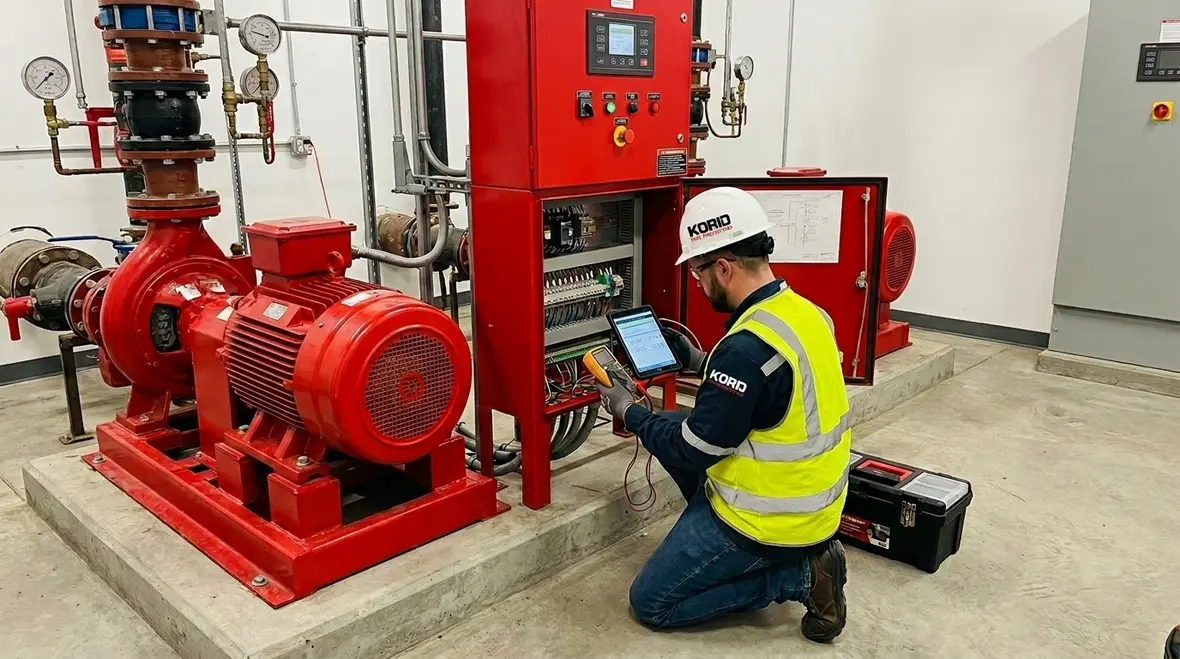
To identify fire pump power issues, technicians use tests that reveal what standard checks miss. They verify incoming supply, measure motor current and voltage under load, and evaluate protective device behavior. Additionally, they inspect control wiring and power terminations, because poor contact can create heat, resistance, and failure over time.
Advanced diagnostics often include:
- Three phase load analysis to detect phase imbalance and voltage sag during motor start
- Insulation resistance testing to check for breakdown risk in motor windings and cables
- Contact resistance checks at switchgear, isolators, and contactors to spot wear before it causes trips
- Fault code and event log review from controllers to connect symptoms to specific trips or sensor readings
- Ground and bonding verification to confirm safe return paths for protective operation
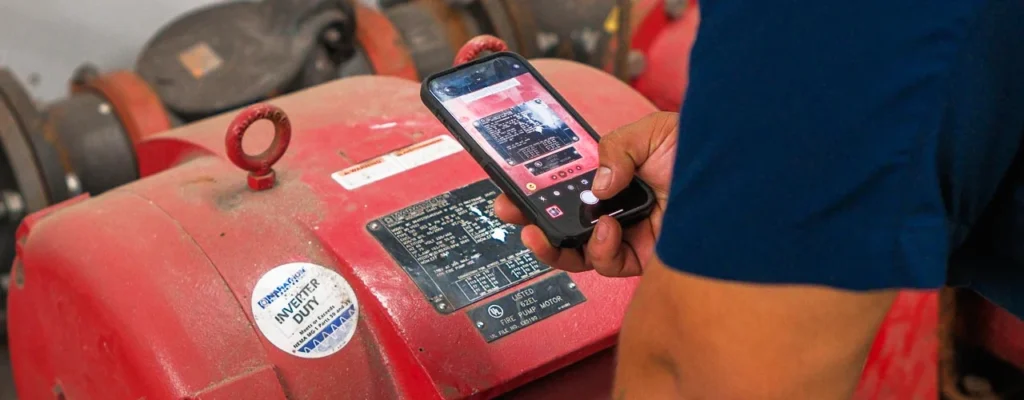
Then technicians compare findings against nameplate data, site history, and typical load profiles. This matters in retail centres, industrial plants, schools, warehouses, and large facilities where power demand fluctuates through the day. A pump can fail only during peak load, and if nobody measures that moment, the fault stays invisible.
And if you are thinking, “Can’t we just check the breaker?” Yes, you can. However, that is like checking a single frame of a movie and calling it a plot. It might feel productive, but it rarely tells the truth.
Where weak electrical links tend to hide
Weak links often sit in places nobody loves to revisit: tired terminations, aging contactors, upstream feeder issues, and protective devices that technically still work but no longer behave cleanly under stress. Kord Fire Protection’s article on fire pump power supply reliability fits neatly here because it emphasizes verifying the full power path rather than assuming the fault must be inside the controller cabinet.
How control systems and sensors create power-like failures
Not every “power problem” begins in the power supply. Control circuits can create symptoms that look like electrical trouble. For instance, a misread pressure sensor can cause the controller to command start or stop at the wrong time. Similarly, a faulty switch input can trigger protection logic that interrupts the motor.
That is why advanced diagnostics also focus on the control path. Technicians verify sensor signals, inspect relay contacts, and test controller outputs. They may check:
- Pressure and flow sensor health, including signal stability and calibration drift
- Start permissive conditions such as tank level switches, valve positions, and interlocks
- Relay and contactor command integrity to confirm the control panel sends the right action at the right moment
- Vibration and run-out effects that influence feedback and protective thresholds
Once they confirm the control logic works correctly, technicians return to the power side and validate that the motor receives what the system expects. This combined method reduces rework and keeps the troubleshooting trail clean for compliance reporting. It also helps separate a true electrical supply weakness from a signal or interlock problem that only wears an electrical disguise.
Mechanical power loss: when the pump fights back
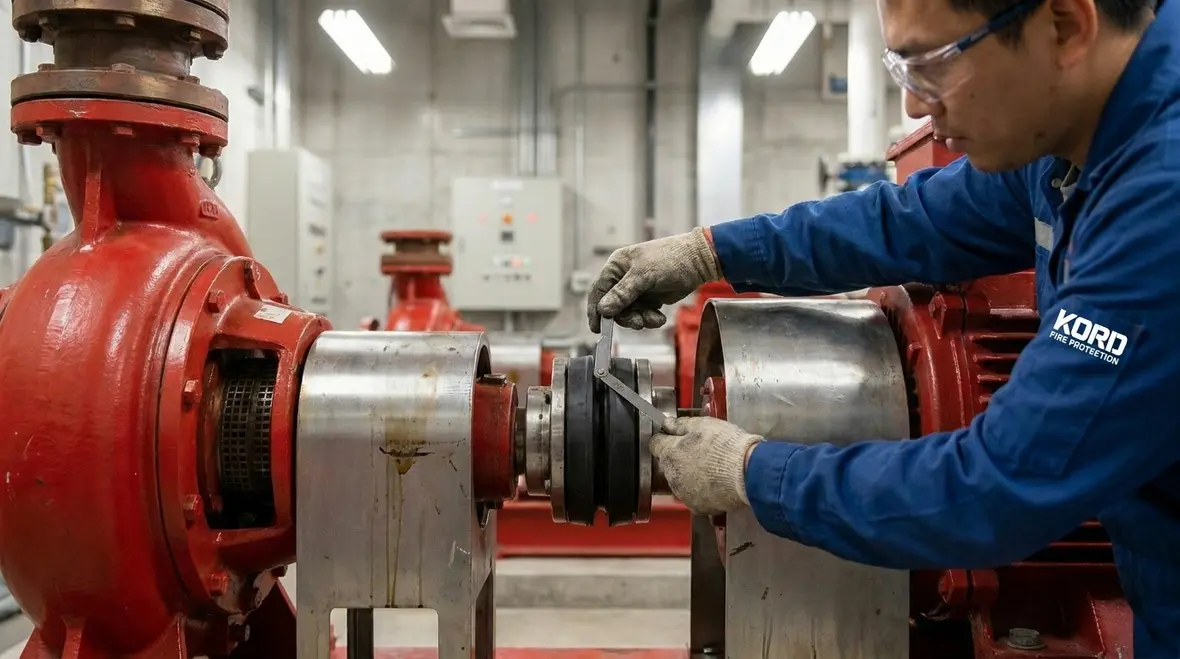
Some power issues come from the pump itself. Even if the supply is perfect, the motor can draw higher current when the pump drags. That increased demand can trigger overload protection or accelerate wear on starters and contactors. Therefore, diagnostics should check mechanical conditions that mimic electrical faults.
Technicians commonly evaluate:
- Coupling alignment to reduce vibration and load on the motor
- Impeller and diffuser condition for damage, clogging, or wear that increases resistance
- Bearings and seals to detect friction, leaks, or heat rise
- Suction and discharge piping for blockages, closed valves, or air ingress
Then they correlate mechanical findings with electrical measurements. If current spikes match a specific startup stage, the mechanical drag theory strengthens. In contrast, if current stays stable but pressure never builds, the issue may sit in control logic, valve operation, or supply reliability. This cross-check approach keeps the investigation grounded.
And yes, pumps can be dramatic. They might not quote Shakespeare, but they can certainly behave like the lead actor who refuses to hit their mark.
Data driven reporting for compliance and maintenance planning
After testing, the value grows when the results turn into clear decisions. A strong diagnostics report does not just list readings. It explains what the readings mean, what likely caused the power issue, and what corrective actions reduce the risk. It also supports future maintenance planning by identifying components that require attention before they fail.
In well-run facilities, the report connects directly to operational outcomes: fewer nuisance trips, smoother startup, and better pressure consistency during system demand. Additionally, it helps teams track recurring faults across multiple sites, which matters for industrial, retail, education, healthcare, and facilities groups operating across large service areas.
That is also where Kord Fire Protection can become a vital partner. Their fire alarm service systems page reinforces the broader value of coordinated inspections, maintenance, repairs, and compliance support across life safety equipment. Rather than handing over numbers and walking away, a good partner helps connect diagnostics to the next practical step.
In practical terms, Kord Fire Protection helps sites treat diagnostics as part of a larger reliability program, not a one-off event. And that is how fire pump performance stays dependable even when the rest of the building is doing its best impression of chaos.
Installation, commissioning, and repeat testing that prevent future faults
Power issues often return when maintenance schedules do not reflect how the system actually ages. Therefore, repeat testing should follow the site’s operating profile, seasonal load changes, and recent repair history. Technicians also review installation details such as cable sizing, termination quality, and starter configuration.
For facilities that run multiple shifts, testing timing matters. A pump motor might start fine at off-peak load, then struggle at peak hours when upstream voltage dips. By scheduling diagnostics to capture those conditions, teams can confirm whether the supply supports reliable performance.
Moreover, a repeatable approach improves the quality of later repairs. When a site knows the exact failure mode, replacement becomes targeted instead of guess-based. That means less downtime, fewer “try this and hope” interventions, and more confidence during audits and drills. Over time, that discipline makes the entire fire protection program steadier, more predictable, and much less expensive to manage under pressure.
FAQ
Conclusion: choose a reliability partner and act fast
Power issues in fire pumps rarely stay small. However, advanced commercial fire pump diagnostics can reveal the exact fault path, reduce nuisance trips, and protect performance when it counts. The biggest win is clarity: once the real cause is known, repairs become smarter, documentation becomes cleaner, and confidence during inspections rises instead of wobbling.
Kord Fire Protection can support the full workflow, from testing and reporting to coordinated service that keeps your system dependable. If you want fewer surprises, steadier startup performance, and a maintenance plan that does not rely on crossed fingers, now is a good time to act. Schedule diagnostics, fix the real problem, and let the pump stop auditioning for drama club.

Join Our Newsletter!
Get the latest fire safety tips delivered straight to your inbox From our Newsletter.