Emergency Fire Alarm Protocols for Building Managers
Quick Answer: When a fire alarm activates, building managers must confirm the alarm type, start emergency fire alarm protocols, guide occupants safely, and coordinate with on site responders. They then document actions, reset only when allowed, and review the cause. With strong support from Kord Fire Protection, managers can reduce downtime and keep compliance tight.
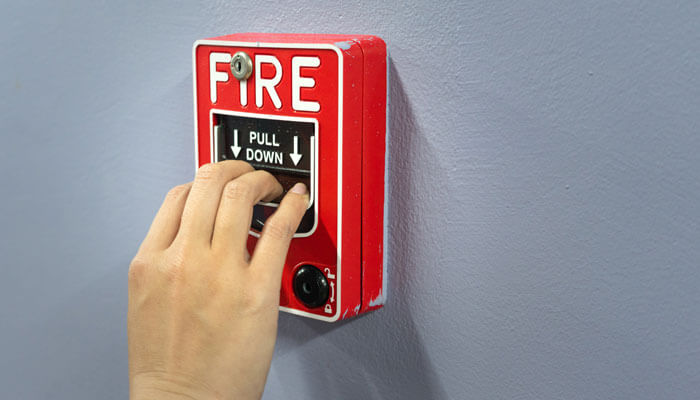
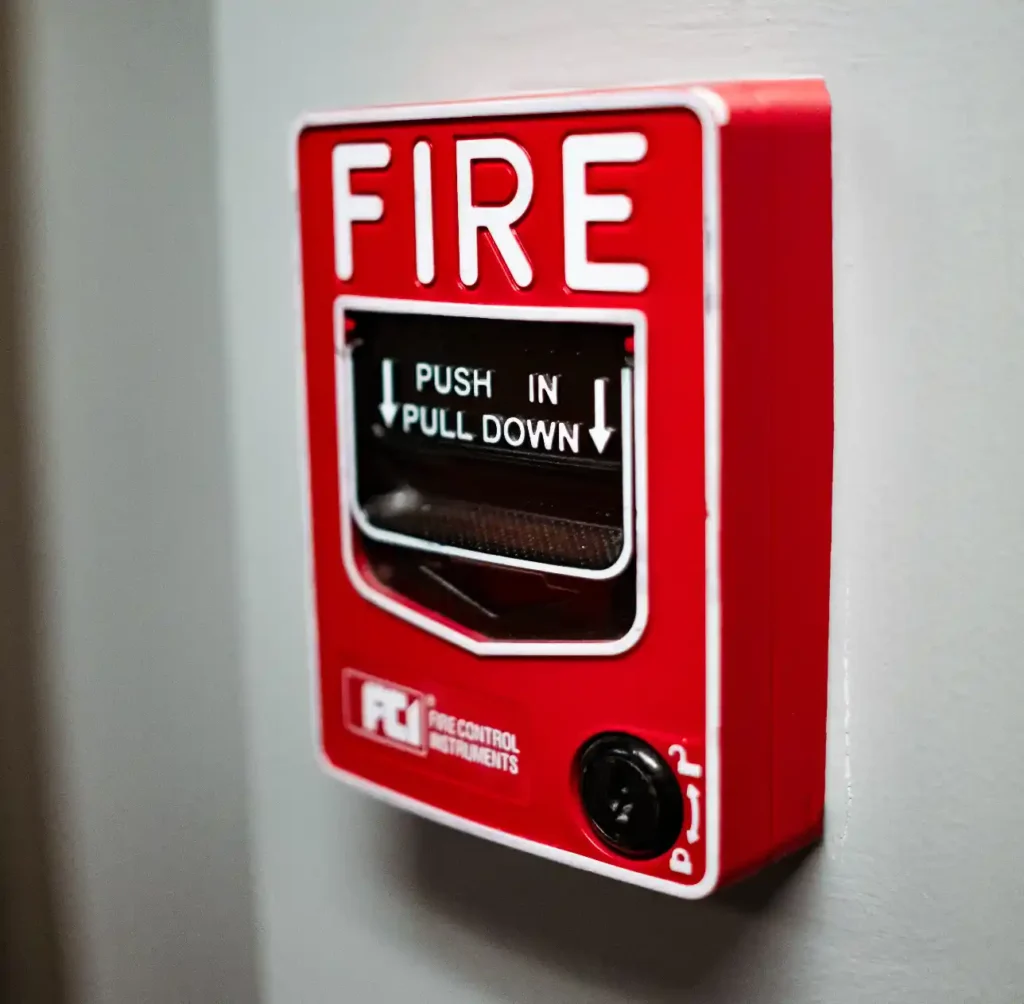
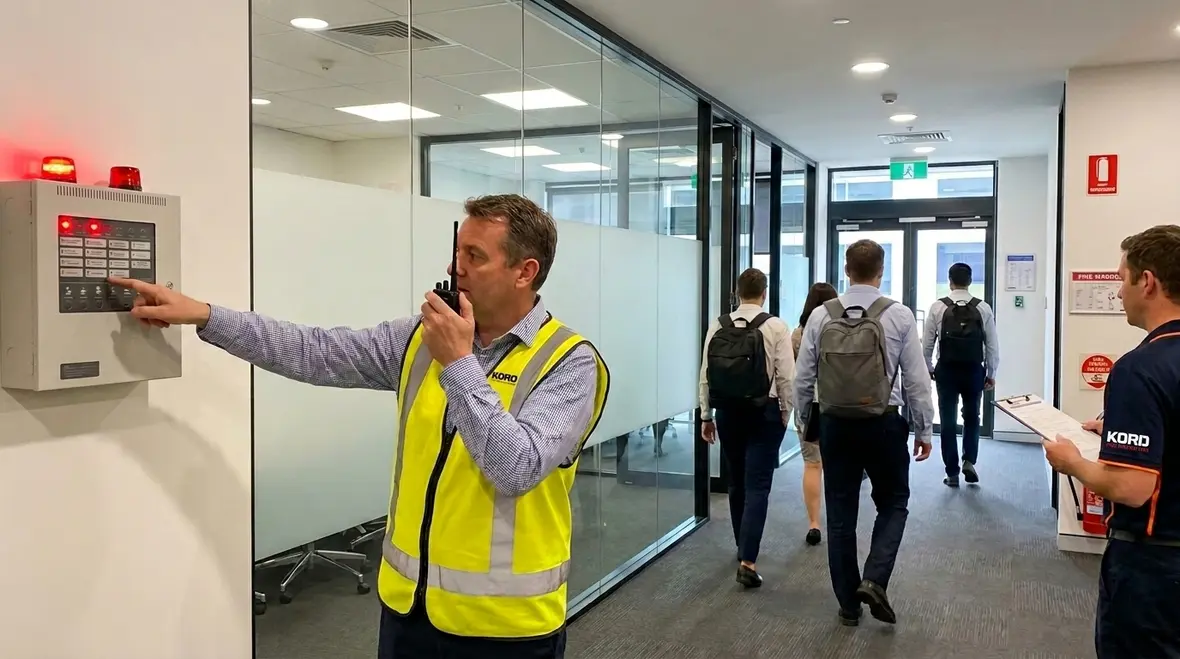
When a fire alarm activates, the first minutes set the tone. Therefore, building managers should immediately follow the emergency fire alarm protocols for their site. That means acting fast, communicating clearly, and treating every activation like it could be real, because sometimes the building is telling the truth and the rest of us just need to listen. Next, the manager shifts from “busy day” mode to “calm command” mode. It is less action hero and more steady conductor, guiding the people, the process, and the paperwork that inevitably follows.
Near the start of that process, it helps to work with a provider that handles broader life safety needs too, especially when alarms interact with sprinklers, extinguishers, and inspections across one property or an entire portfolio. Kord Fire’s full fire protection services are built around that kind of coordinated support, which makes the response side feel less fragmented when the panel starts demanding everyone’s attention. ([kordfire.com](https://kordfire.com/full-fire-protection-services/?utm_source=openai))
First actions during an activation: what a manager does first
In the opening moments, the manager should confirm what type of activation occurred. Then, they should trigger the site’s response steps using the emergency fire alarm protocols. At the same time, they must avoid the classic mistake of guessing. Guessing turns an incident into a mystery novel. And nobody wants a plot twist when smoke alarms are screaming.
Typically, the manager should:
- Verify the alarm panel message, zones, and device type, if the system supports it
- Initiate evacuation or investigate steps based on the site plan and trained response
- Call the appropriate response organisations and coordinate with security
- Assign roles to staff so actions do not pile up on one person
Finally, the manager should keep communication simple. Use plain language like “Evacuate now” or “Move to the designated assembly point.” This reduces confusion across industrial, retail, and commercial sites, where tenants, visitors, and contractors may not share the same familiarity with the building.

Why the first 3 minutes matter so much
Those first few minutes decide whether the building response feels orderly or improvised. When one person verifies the panel, another handles communication, and another supports movement, the event stays manageable. When everyone free styles, the alarm gets louder and the process gets weirder. A simple role split can prevent that pileup and help the manager stay focused on decisions instead of chasing five conversations at once.
Evacuation control that prevents panic and bottlenecks
After the initial emergency fire alarm protocols begin, evacuation control becomes the real performance test. People do not panic because they are “difficult.” They panic when they do not know what is happening. Therefore, the manager should direct occupants away from danger and toward safe routes while controlling access points and stairwell flow.
They should also plan for realistic obstacles. For example, industrial sites often have forklifts, dock doors, and congested corridors. Retail sites often have narrow aisles, high foot traffic, and staff who are juggling customers and deliveries. Office buildings bring their own chaos too, including visitors who are suddenly very interested in asking questions while standing exactly where they should not.
Key steps include:
- Confirm assembly points and ensure they remain safe and accessible
- Control entrances so people do not re enter while responders arrive
- Assign staff to assist mobility needs and manage vulnerable occupants
- Stop non essential operations immediately, even if the shift feels “mid task”
Moreover, the manager should coordinate with security and floor leaders so they sweep each area properly, without turning the incident into a scavenger hunt. If trained wardens exist, the manager should use them quickly and document completion.
What slows evacuations more than people realize
Bottlenecks often come from mixed messages, blocked routes, or one unchecked doorway that invites re entry. The manager does not need to shout louder than the horns. They need to make movement obvious, keep routes open, and position staff where hesitation usually starts. Calm direction beats dramatic energy every time.
Communication plan: how to keep responders informed
Clear communication prevents delays. As soon as the team begins the response, the manager should gather facts: which area activated, what the panel indicates, whether any evidence suggests smoke, heat, or water discharge, and whether anyone reports symptoms.
Then, they should relay that information to responders. This is where emergency fire alarm protocols become more than a checklist; they become a shared language across teams. In practice, firefighters and service personnel ask the same questions. When the manager can answer quickly, time saves lives and reduces property damage.
A useful structure for updates includes:
- Location and zone on the panel, including any sub zones
- System status, such as fault indicators or silence status
- Actions already taken, including evacuation start time
- Any observed conditions, like smoke smell or alarms on multiple floors
Additionally, the manager should stop unsupervised investigations. Well meaning staff sometimes “check one thing” and end up walking toward risk. Keep investigation guided, limited, and aligned with the incident plan. If you need a direct partner for alarm support, testing, and troubleshooting, Kord Fire’s fire alarm service page outlines the kinds of system support building teams often rely on before and after a real activation. ([kordfire.com](https://kordfire.com/fire-alarm-service/?utm_source=openai))
A simple update format that keeps everyone sane
When responders arrive, they want facts, not a dramatic retelling. Start with location, continue with panel status, explain what actions are already underway, and finish with observed conditions. That order helps the right people make the next decision faster. It also helps the manager avoid the classic stress response of remembering every irrelevant detail except the one that matters.
How to handle false alarms and faults without losing momentum
Not every activation means there is a fire. Still, the manager should not treat a false alarm like a minor annoyance. Instead, they should act as if it matters, then verify carefully. This protects occupants, protects equipment, and supports compliance.
When the panel shows a fault, such as device trouble or a line issue, the manager should focus on safe control first, then diagnosis. They should avoid resetting the system repeatedly. Rapid resets can interrupt investigations and create more confusion, like trying to fix a leaky tap by turning it off and on every ten seconds.
Common fault handling actions include:
- Log the time of alarm and any panel changes
- Identify whether multiple zones triggered or one area only
- Confirm whether maintenance work occurred nearby
- Coordinate with the fire systems service provider before restoration
Here, Kord Fire Protection can become a vital partner. Their fire alarm service offerings include repair, monitoring, installations, voice evacuation support, and system expertise designed to keep alarms fully operational and up to code. That makes structured troubleshooting and safe restoration a lot easier for building teams that do not want to spend half the afternoon playing detective with a control panel. ([kordfire.com](https://kordfire.com/fire-alarm-service/?utm_source=openai))
Documentation, compliance, and restoration of the system
Once the immediate risk passes, the manager shifts to documentation and recovery. This step often gets treated like a nuisance, but it is the difference between learning and repeating mistakes. Therefore, the manager should record key details while they are still fresh.
They should document:
- Activation time, alarm type, and affected zones
- Evacuation start and end times, plus any holds or re entry decisions
- Communications made, including calls and updates delivered
- Actions taken after responders arrived and when the system was restored
Next, the manager should confirm restoration only when it aligns with guidance and site requirements. That includes verifying system status, ensuring faults are cleared, and confirming that any silencing and reset steps follow the correct procedure.
In many commercial and industrial settings, restoration includes scheduling follow up inspections and testing. Kord Fire describes its broader support as covering fire sprinkler, fire alarm, and fire extinguisher solutions with coordinated scheduling and readiness, which fits well for managers who need the paperwork and the practical fix to line up instead of living in separate universes. ([kordfire.com](https://kordfire.com/full-fire-protection-services/?utm_source=openai))
Why documentation is part of response, not an afterthought
Good records help managers explain what happened, justify what was done, and make the next incident less messy. They also make service follow up faster because the provider gets a clearer picture right away. In other words, paperwork is not glamorous, but neither is repeating the same false alarm next month because nobody wrote down the clues.
Training and drills that actually stick in real buildings
Training matters, but only if it fits the building and the staff reality. A drill that ignores loading bays, warehouse layouts, and after hours access will not work when the alarm activates for real. Instead, managers should run drills that mirror the site: retail store flow, office evacuation paths, and industrial risk zones.
They should also practice the communication flow, not just the movement. People remember what they rehearse. Moreover, staff retention improves when drills include short role refreshers, like who meets responders, who calls the control room, and who checks toilets, lunch rooms, and plant access areas.
To build stronger readiness, managers can:
- Run scenario based drills for different activation types and times
- Train wardens for assistance needs and controlled sweep procedures
- Review signage and access paths after each drill
- Update emergency procedures when site changes happen
With support from Kord Fire Protection, managers can align training with the actual design and behaviour of their fire detection systems. The company positions itself as a full service fire protection partner with alarm, sprinkler, extinguisher, and testing support, which is useful when drills need to reflect what the building systems actually do instead of what a generic binder claims they do. ([kordfire.com](https://kordfire.com/full-fire-protection-services/?utm_source=openai))
Frequently asked questions
Conclusion: get your response team ready before the next activation
Fire alarms demand calm, fast decisions. Building managers should follow emergency fire alarm protocols, control evacuation flow, communicate facts to responders, and document everything for compliance. If your site is ready, your recovery time shrinks and your risk drops.
For practical support, training alignment, and restoration guidance, contact Kord Fire Protection today. Make the next activation less chaotic and more controlled. Because nobody wants a “thriller” during business hours.

Join Our Newsletter!
Get the latest fire safety tips delivered straight to your inbox From our Newsletter.