NFPA 52 Section 25.1 Application: Automotive Fuel and Safety Systems Coverage
Quick Answer: NFPA 52 Section 25.1 establishes how automotive fuel and associated safety systems must be designed, installed, and maintained to manage hazards from release, ignition, and fire growth. This section impacts inspection scope, documentation, testing intervals, and operational controls for commercial sites.
Facilities working through fuel system compliance issues often benefit from a broader maintenance framework, especially where documentation and verification gaps keep showing up like uninvited guests. For related guidance, see NFPA 52 Section 4.5 operations and maintenance programs for CNG facilities.
Why NFPA 52 Section 25.1 Matters for Commercial Fuel Safety
NFPA 52 covers the design, installation, and protection of automotive fuel dispensing and associated safety systems. The NFPA 52 automotive fuel safety systems application in Section 25.1 focuses attention on the operational reality of fuel transfer, venting, leak control, ignition prevention, and safeguarding of both people and property. For commercial, industrial, and retail facilities, compliance does not end at installation. Facilities must maintain equipment in a tested, documented, and operationally ready condition, with clear responsibilities for inspections and corrective actions.
In practice, organizations often struggle with three recurring issues: confirming system scope, aligning inspections to the actual configuration on site, and proving ongoing maintenance effectiveness. Section 25.1 language drives these expectations by tying coverage to how systems perform during abnormal conditions such as leaks, improper operation, or abnormal pressure and flow conditions.
What Section 25.1 Typically Covers in Automotive Fuel Systems
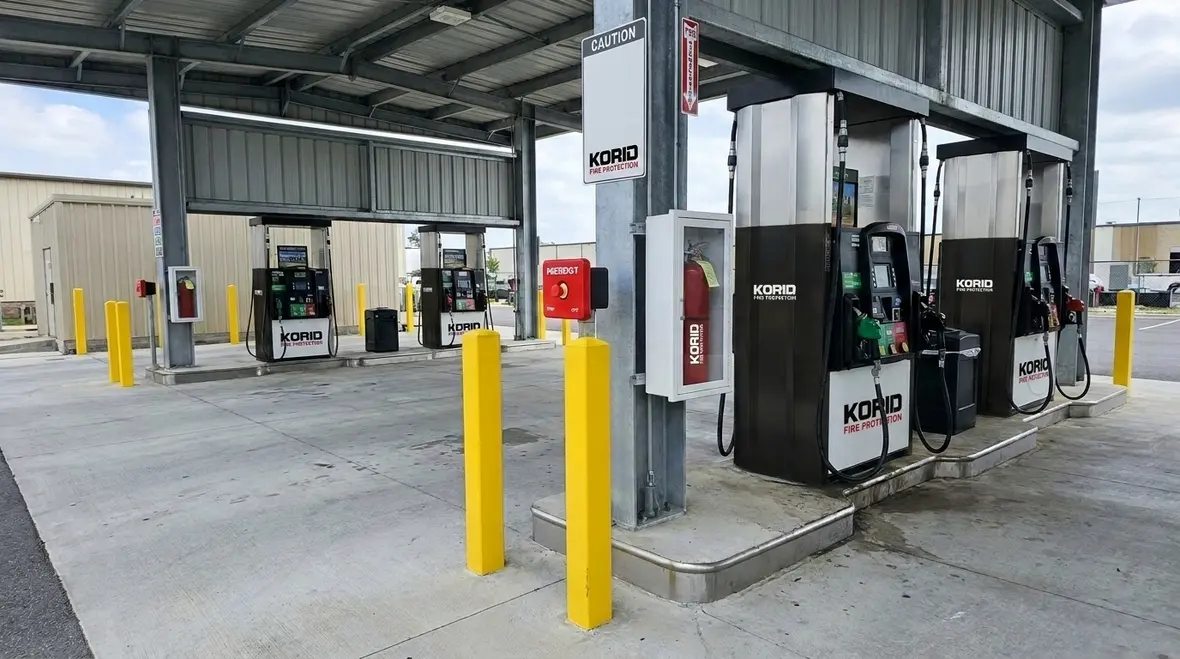
Section 25.1 is applied when a site includes automotive fuel dispensing operations and the associated safety and control features intended to limit ignition sources and mitigate hazardous release conditions. While facility configurations vary, compliance expectations usually focus on systems that manage the following hazards:
- Uncontrolled release: detecting and limiting leakage during storage, transfer, and dispensing.
- Ignition control: preventing ignition sources in hazardous areas and ensuring protective measures function as designed.
- Consequence limitation: reducing fire growth potential through correct system operation and maintained protective equipment.
- Operational control: ensuring valves, interlocks, emergency shutdowns, and monitoring functions respond correctly during abnormal conditions.
For the NFPA 52 automotive fuel safety systems application, the key compliance move is to treat Section 25.1 as a performance and verification requirement, not a one-time install standard. The facility must demonstrate that the installed safety functions exist, operate, and remain within acceptable limits over time.
How NFPA 52 Section 25.1 Drives Inspection, Testing, and Documentation
Commercial facilities often fail audits when documentation does not match the current field configuration. Section 25.1 expectations translate into inspection and testing requirements that verify safety system performance. This usually includes:
1) Confirming system scope and site configuration
Before any testing, the inspection process typically starts with a scope confirmation. Safety equipment should be matched to the drawing set, last approved modifications, and the actual equipment present in the field. This step prevents common gaps such as missing interlocks, obsolete components, or changed layouts not reflected in records.
2) Verifying operating sequences and interlocks
Many automotive fuel safety functions rely on correct sequencing. Inspections generally confirm that controls respond predictably during startup, normal dispensing, and fault conditions. Common verification methods include functional checks and system status verification, supported by records that show corrective actions when deviations occur.
3) Checking protective and limiting components
Safety systems often include components designed to control pressure, flow, and hazardous energy. Inspections usually focus on ensuring devices are within expected tolerances, not bypassed, and not degraded by wear, contamination, or improper calibration.
4) Maintaining complete, traceable records
Auditors typically want evidence that inspections and tests occurred as required and that findings were addressed. For compliance readiness, facilities should maintain logs showing test dates, results, installed component identification, repair details, and verification after corrective action.
For organizations managing multiple retail or industrial sites, this documentation discipline becomes a system in itself. Kord Fire Protection supports compliance with practical test planning and verification workflows designed for commercial operational realities. For a related example of structured testing and acceptance documentation, see NFPA 25C Section 8.3 fire pump testing procedures and acceptance criteria.
Common Failure Points in Automotive Fuel Safety Applications
The most frequent compliance and safety breakdowns in automotive fuel safety programs tend to be operational, not theoretical. These failures often appear during maintenance cycles, contractor changes, or seasonal operational changes.
Misalignment between drawings and field equipment
Over time, sites may add equipment, replace components, or alter piping routes without updating the documentation set. This creates a compliance mismatch where the “expected” system differs from the “actual” system.
Interlock bypasses or degraded sensors
Safety systems that require correct sensing and response can fail when sensors drift, connectors corrode, or maintenance temporarily bypasses logic without restoring it afterward. Even a short duration of bypass can raise both safety risk and compliance concerns.
Leaks and unnoticed impairment
Fuel leaks can start as minor failures. Common contributors include aging seals, installation stress, loose fittings, or contaminated components that interfere with proper sealing. A robust inspection program focuses on early detection, not only on responding after a significant incident.
Improper response during abnormal conditions
A key compliance expectation is that safety functions activate during abnormal conditions. If shutdown sequences do not operate within expected timeframes, or if emergency controls are not correctly labeled and accessible, the system no longer behaves as intended.
Maintenance and Commercial Readiness: What Facilities Should Operationalize
A compliant NFPA 52 automotive fuel safety systems application program depends on more than periodic inspections. It depends on operational controls that keep safety functions available and reliable.
Set inspection ownership and training
Facilities benefit from assigned responsibility for safety system checks, documentation, and follow-up. Personnel should understand what constitutes a pass condition, what triggers escalation, and how to prevent recurring defects.
Implement change control for modifications
Any modifications to dispensing systems, controls, signage, wiring, valves, or monitoring components should enter a change control process. This process should ensure engineering review, updated documentation, and verification testing.
Align maintenance intervals with real risk
Routine maintenance schedules should match site conditions including traffic patterns, weather exposure, contamination risk, and operating hours. Facilities should also consider that high use can accelerate wear and decrease reliability.
Perform corrective actions with verification
Corrective action should not stop at repair. Verification testing confirms that the fix restored safe performance and that the system returns to an acceptable operating state.
For ongoing support, commercial owners and operators often rely on structured fire protection and life safety services. Kord Fire Protection can help facilities plan inspections, coordinate testing, and maintain compliance readiness across retail and industrial environments. A related breakdown of maintenance planning and best practices is available in NFPA 25C Section 8.5 fire pump maintenance schedules and best practices.
Audit and Compliance Strategy: Making Section 25.1 Easier to Prove
NFPA 52 compliance reviews tend to reward facilities that treat documentation as part of the safety system. The easiest way to reduce audit friction is to build a clear evidence chain that connects each safety system component to inspection activities and results.
- Create a system inventory: list installed safety components, identification numbers, and locations.
- Map testing to equipment: ensure tests correspond to the specific safety functions present on site.
- Track changes over time: record replacements, upgrades, and repairs with dates and verification results.
- Close gaps promptly: treat findings as safety issues with documented corrective action timelines.
This approach supports the NFPA 52 automotive fuel safety systems application intent by proving that safety systems do not merely exist, but remain functional and controlled throughout their service life.
Frequently Asked Questions
Call to Action
Facilities seeking durable compliance should validate the scope of their installed safety systems, confirm functional operation, and tighten documentation to match the field configuration. Kord Fire Protection can support inspection planning, testing coordination, and ongoing maintenance verification to help reduce audit risk and keep automotive fuel safety systems dependable. Start by scheduling a compliance readiness review for your current site layout and equipment inventory.

Join Our Newsletter!
Get the latest fire safety tips delivered straight to your inbox From our Newsletter.