NFPA 52 Section 25.3: CNG Engine Fuel Systems on Vehicles
Quick Answer: NFPA 52 Section 25.3 establishes safety and performance requirements for compressed natural gas (CNG) engine fuel systems installed on vehicles. It focuses on component integrity, secure installation, protection against damage, leak control, and verification through inspection, maintenance, and testing.
If your operation also supports fueling infrastructure, it helps to review CNG fueling systems requirements so vehicle-side compliance and site-side controls stay aligned.
What NFPA 52 Section 25.3 actually requires for vehicle CNG systems
For fleets and commercial vehicle operators, NFPA 52 CNG engine fuel system requirements under Section 25.3 guide how the engine fuel system components integrate onto the vehicle and how they remain safe throughout operation. This section does not treat the vehicle as a generic platform. It expects a purpose-built approach to installation, protection, labeling, and continuing control of leakage risk, especially under vibration, thermal cycling, road shock, and exposure to fluids and debris.
In practice, compliance is achieved when the CNG system design and installation plan align with the standard’s intent and when ongoing inspections verify that the installed condition matches the approved safe configuration. Commercial, industrial, and retail facilities that support fueling, maintenance, or storage often need documented procedures to ensure vehicle systems stay within safe operating parameters between service events.
Scope and typical setups covered by Section 25.3
NFPA 52 Section 25.3 applies to CNG engine fuel systems on vehicles where the vehicle uses compressed natural gas as a motor fuel. The “system” includes the components that convey CNG to the engine and the components that manage pressure, flow, safety functions, and secure integration onto the vehicle.
Commercial facilities should expect that vehicle fuel systems come from multiple sources, including original equipment manufacturers, upfitters, and aftermarket conversion providers. That variety creates a compliance challenge: facilities must verify the installed system is maintained so that its configuration continues to meet the safety basis and that modifications do not degrade protection, labeling, or leak tightness.
Fuel system integrity: installation, protection, and leak control
1) Secure mounting and damage resistance
Vehicles operate in environments that quickly reveal poor installation practices. Section 25.3 expectations typically translate into secure mounting of CNG components, routing that minimizes exposure to physical damage, and protection where contact with road debris, vehicle structures, or maintenance tools could occur. A common failure point is degraded support or chafed tubing caused by movement, misalignment, or inadequate separation from sharp edges and hot surfaces.
2) Component compatibility and pressure management
The fuel system must maintain safe operating conditions across pressure changes during filling, engine start, running, and shutdown. Pressure regulators, valves, and associated fittings must remain compatible with the CNG environment. Facilities often encounter nonconforming repairs, such as mixing incompatible parts or using replacement components without documented compatibility. Those issues can introduce leak paths, improper pressure control, or reduced safety function performance.
3) Leak prevention and verification after maintenance
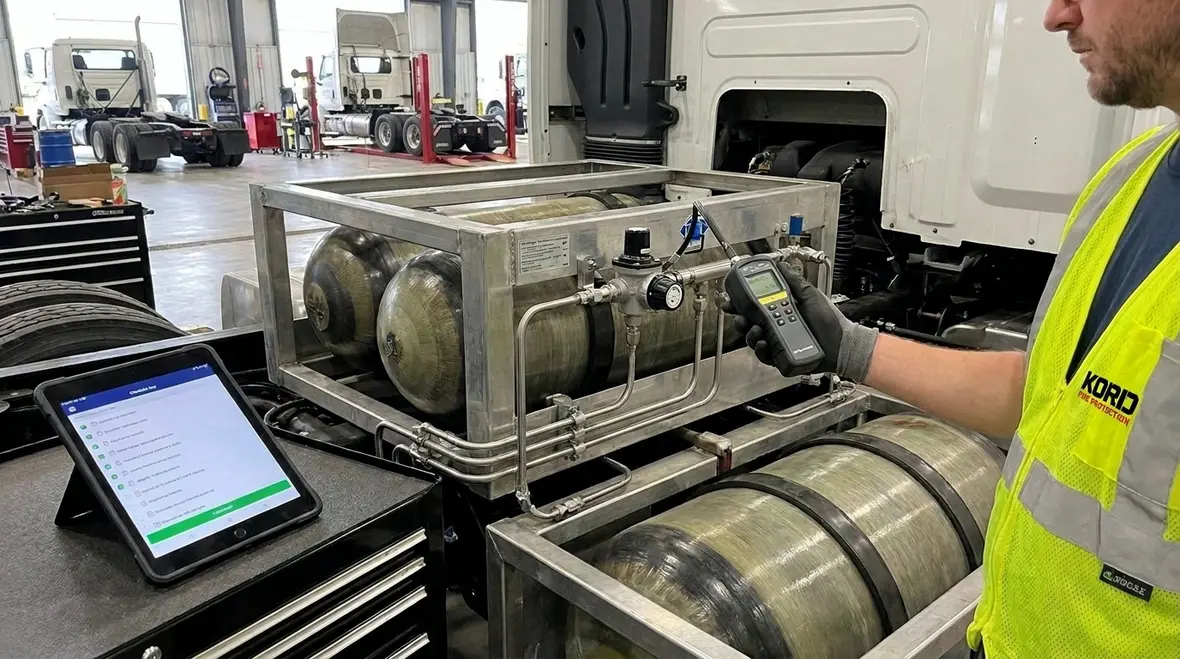
Even when a vehicle arrives with a compliant installation, leak risk can increase after repairs. Repairs commonly occur at fueling system fittings, service ports, routing segments, and protective covers. Leak control should be treated as a verification step, not an assumption. Facilities should require documented leak testing and inspection checks after any work that could affect seals, connections, or tubing integrity.
Operational considerations that affect compliance during daily use
Vehicle CNG systems experience frequent thermal cycles and vibration. These conditions can loosen fasteners, wear clamps, and fatigue components if installation quality is insufficient. In commercial fleets, operational variability also matters. A fueling location’s housekeeping standards, the frequency of maintenance events, and the competence of technicians who handle CNG components all influence real-world compliance.
Fueling and drivetrain exposure
During fueling, the system experiences pressure transitions and connector engagement loads. After fueling, the vehicle may encounter road shock that tests supports and protective routing. Facilities supporting fueling should align their fueling area control measures with their vehicle maintenance practices so that vehicles do not re-enter service with unresolved issues.
Maintenance workflow and documentation
Section 25.3 compliance is easier to demonstrate when facilities standardize maintenance workflows. At minimum, the facility should define when a vehicle must be removed from service, when leak tests are required, and how technicians confirm proper component condition after repair. Without this, small defects can persist across service cycles and become harder to detect.
Commercial inspection and continuing compliance: what to check on the vehicle
Inspections should focus on the installed condition. Kord Fire Protection typically supports commercial facilities by translating the code requirements into practical inspection checkpoints that match the way fleets and service providers operate.
High-priority inspection targets
- Connections and fittings: look for damaged, incorrectly seated, or improperly secured fittings and any evidence of leakage.
- Routing and separation: verify tubing and wiring routes avoid abrasion points, hot components, and pinch hazards.
- Protective hardware: confirm protective guards, covers, and guards remain in place and in usable condition.
- Support systems: check brackets, mounts, and clamps for looseness, corrosion, or missing fasteners.
- Labeling and identification: ensure markings remain legible for component identification and safe handling references.
- Post-repair verification: confirm leak testing and inspection steps complete after any system work.
Common commercial failure points often include unauthorized component substitutions, incomplete documentation after repairs, and missing verification tests after maintenance. These issues can produce “looks compliant” vehicles that fail compliance verification during audits or incident investigations.
To strengthen your broader compliance program, facilities often pair vehicle system checks with an overall approach to natural gas safety. Kord Fire Protection can help coordinate these efforts, including inspections and maintenance planning. If you also manage fueling or storage operations, review additional guidance from Kord Fire Protection here: Kord Fire Protection services.
Common gaps that derail NFPA 52 vehicle compliance
Facilities frequently discover preventable gaps during internal audits, insurer reviews, or third-party assessments. The recurring themes below often map to practical field realities.
1) “Installed once” thinking
Some programs treat compliance as a one-time event when vehicles are first commissioned. Section 25.3 expectations become difficult to defend without an ongoing inspection and maintenance structure that preserves the system’s safe installed condition.
2) Maintenance without CNG-specific verification
When general mechanical work proceeds without CNG-specific checks, small seal issues or routing damage can go unnoticed. Technicians need clear triggers that require leak testing and system verification after any related repair.
3) Incomplete change control
Fleet modifications, component swaps, and service provider substitutions can introduce nonconforming equipment. A robust compliance program requires change control so that any system alterations are evaluated and documented before the vehicle returns to service.
Frequently Asked Questions
Conclusion and call to action
NFPA 52 Section 25.3 requires more than “box checking” on vehicle CNG systems. Commercial success comes from controlling installation quality, enforcing damage resistance, and verifying leak tightness and component condition after maintenance and modifications. Kord Fire Protection can help your fleet and facilities build an auditable compliance program with practical inspection checkpoints, service coordination, and ongoing support. Contact Kord Fire Protection today to align vehicle system practices with your safety and regulatory goals.

Join Our Newsletter!
Get the latest fire safety tips delivered straight to your inbox From our Newsletter.