
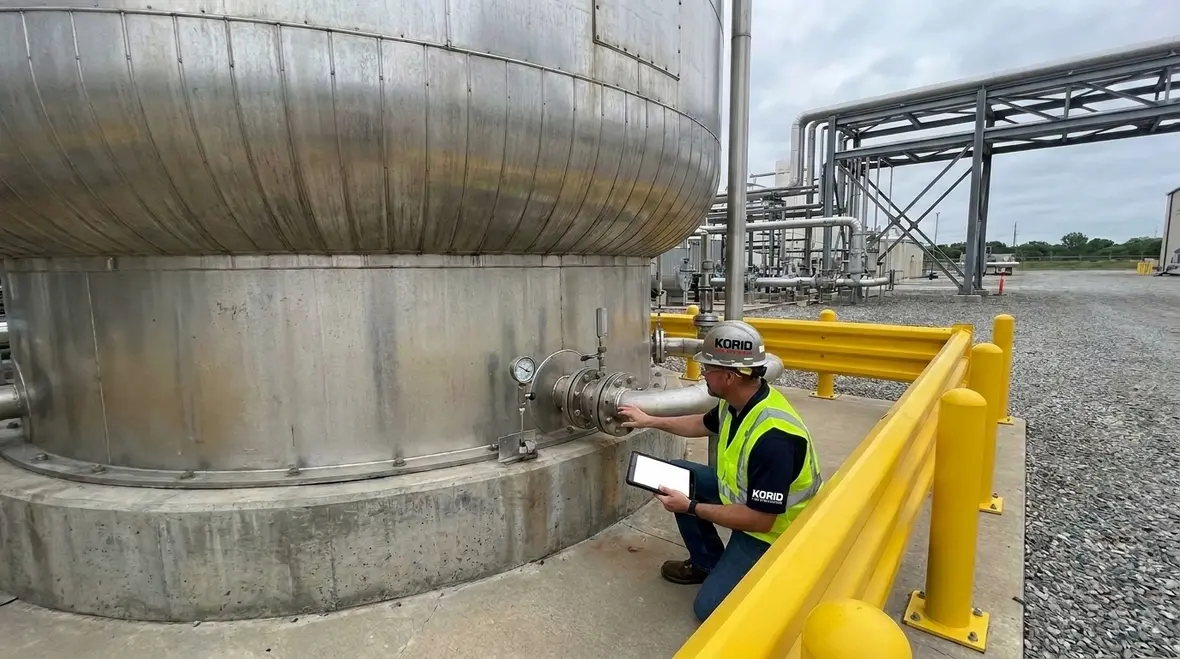
NFPA 52 Section 21.3: Container Requirements for ASME LNG Tanks
Quick Answer: NFPA 52 Section 21.3 sets construction and suitability expectations for LNG storage containers built to ASME standards. It focuses on how tanks are designed, supported, protected, and maintained to reduce leak, ignition, and impairment risks. Compliance includes documentation, inspections, and ongoing condition verification.
For facilities tightening inspection readiness and service planning, Kord Fire Protection also offers fire protection services in Southern California that support code-compliant maintenance, repairs, and ongoing compliance workflows.
What does NFPA 52 Section 21.3 require for ASME LNG containers?
NFPA 52 ASME LNG container requirements address how LNG storage tanks must be configured to safely contain cryogenic liquid, resist mechanical and thermal stresses, and support safe operation within an LNG facility. In practice, Section 21.3 drives a disciplined approach to tank selection, installation interfaces, and maintenance oversight, because the tank itself acts as the primary containment barrier. For commercial facility managers, this means compliance cannot stop at commissioning. It must continue through inspection planning, repair controls, and documented condition monitoring over the life of the tank.
How Section 21.3 treats the container as the first safety barrier
Section 21.3 establishes expectations that the container used for ASME LNG service must support safe containment of LNG under normal operating conditions and foreseeable abnormal conditions. The container design and physical arrangement matter because they influence leak behavior, structural integrity, and the ability of protective systems to perform as intended.
Key design and interface considerations
- ASME alignment and identification: The LNG container must match applicable ASME design requirements for cryogenic service and be properly identified with the required data and ratings. Operators should ensure the vessel documentation pack can be produced during audits.
- Support and load transfer: Supports and foundations must maintain alignment and restraint under thermal contraction and expansion. Common compliance gaps include missing as-built details, unverified load paths after site modifications, and incomplete records after refurbishment.
- Protection against mechanical damage: Site layout, physical guarding, and vehicle impact risk control influence whether the container remains protected. Even robust tanks can be compromised by impacts or repeated stressors.
- Thermal performance and insulation integrity: Loss of insulation performance increases heat leak, drives higher boil off, and may elevate operating stress. Facilities should treat insulation inspections as part of tank containment health, not as a purely maintenance activity.
Installation and commissioning: where compliance usually gets tested
Container requirements become most fragile during installation and early commissioning. At these stages, many facilities lose compliance points due to incomplete verification, undocumented changes, or equipment that does not match the design assumptions.
Teams working through adjacent LNG compliance topics may also benefit from Kord Fire Protection’s guide on installing ASME LNG containers, which fits naturally with the commissioning and interface control issues discussed here.
Operational procedures that support Section 21.3 readiness
- Document control for tank and appurtenances: Maintain traceability between the ASME vessel data, installation drawings, and the as-built package. If a change occurs, the facility should evaluate whether it affects containment, supports, or protective features.
- Leak prevention verification: Tank interfaces, such as piping connections and penetrations, must be verified according to applicable procedures. Facilities should ensure commissioning checklists include verification of cryogenic interface tightness and mechanical fit.
- Test readiness for protective systems: Section 21.3 focuses on the container, but safe containment depends on the broader system performance. Control logic, alarms, and emergency response actions should be validated against the facility’s hazard assumptions.
Common failure points that trigger noncompliance findings
- Unverified modifications: Retrofitting, rerouting piping, or adding new access equipment can alter stresses or obstruct protection features.
- Insulation degradation not captured in asset management: Facilities often defer insulation assessments, allowing localized degradation that increases heat transfer and operating volatility.
- Insufficient inspection intervals based on actual operating conditions: Operators sometimes follow generic inspection schedules rather than risk-informed intervals aligned with duty cycles and environment.
Inspection, maintenance, and documentation: the life cycle compliance requirement
NFPA 52 container requirements treat the tank as a long term asset with ongoing verification expectations. The real compliance test occurs over time: inspections must confirm the container and associated interfaces remain in safe operating condition.
What inspectors typically look for in container health
- Evidence of structural and support integrity: The facility should be able to demonstrate that supports, anchorage, and load transfer remain appropriate after normal settling, vibration exposure, and thermal cycling.
- Condition of insulation and protective coverings: Inspect for moisture ingress signs, displaced cladding, damaged jacketing, and insulation gaps near critical zones.
- Corrosion and material condition indicators: Cryogenic systems can still experience degradation at interfaces. Facilities should document monitoring results and maintenance actions.
- Penetration and gasket/interface condition: Seals, flange conditions, and access points require careful control because leak paths can develop at boundaries.
Maintenance controls that reduce risk
- Work permitting and hot work controls: Work near cryogenic systems must include controls that prevent ignition sources and protect components from thermal damage.
- Repair quality assurance: Any repair or modification should be performed under procedures that maintain vessel integrity and alignment with applicable standards.
- Record retention: A complete record set should exist to demonstrate what was inspected, what was found, what was corrected, and when.
For commercial and industrial facilities, these activities require a repeatable compliance workflow. Kord Fire Protection supports owners and operators with ongoing fire and life safety service planning that aligns with facility risk profiles. To explore how Kord can help strengthen your inspection and maintenance program, visit Kord Fire Protection.
Facility compliance challenges for commercial, industrial, and retail LNG users
Container requirements do not operate in isolation. The facility environment influences how quickly issues develop and how effectively emergency systems can manage hazards. That is where NFPA 52 ASME LNG container requirements become operationally significant for business continuity, vendor management, and readiness audits.
Commercial and retail environments
- Space constraints: Tight layouts increase the chance of obstruction to protective features and limit access for inspection and maintenance.
- Higher traffic and impact risk: Vehicle movement, pedestrians, and site logistics increase the need for engineered protection around the container and appurtenances.
- Vendor turnover and documentation gaps: Retail and commercial sites often rely on multiple contractors. Consistent document control becomes critical during equipment service cycles.
Industrial environments
- Thermal cycling and operational intensity: Facilities with frequent fill and withdrawal cycles experience faster wear at interfaces and support systems.
- Concurrent industrial work: Other maintenance activities can unintentionally damage insulation, supports, or access hardware. Coordination procedures must be formal and auditable.
Audit readiness and practical compliance
Many noncompliance findings stem from missing evidence rather than missing intent. Facilities can reduce audit friction by standardizing inspection checklists, maintaining a clear asset register, and ensuring that all corrective actions are tracked to closure with verification.
Frequently Asked Questions
Conclusion and next step
NFPA 52 Section 21.3 requires more than purchasing an ASME LNG tank. It demands disciplined installation verification, life cycle inspection, controlled repairs, and complete documentation that proves the container remains suitable for safe LNG containment. If your facility needs a practical compliance partner, contact Kord Fire Protection to support ongoing inspection, testing, and maintenance planning aligned to your operational risk and audit expectations.

Join Our Newsletter!
Get the latest fire safety tips delivered straight to your inbox From our Newsletter.


