
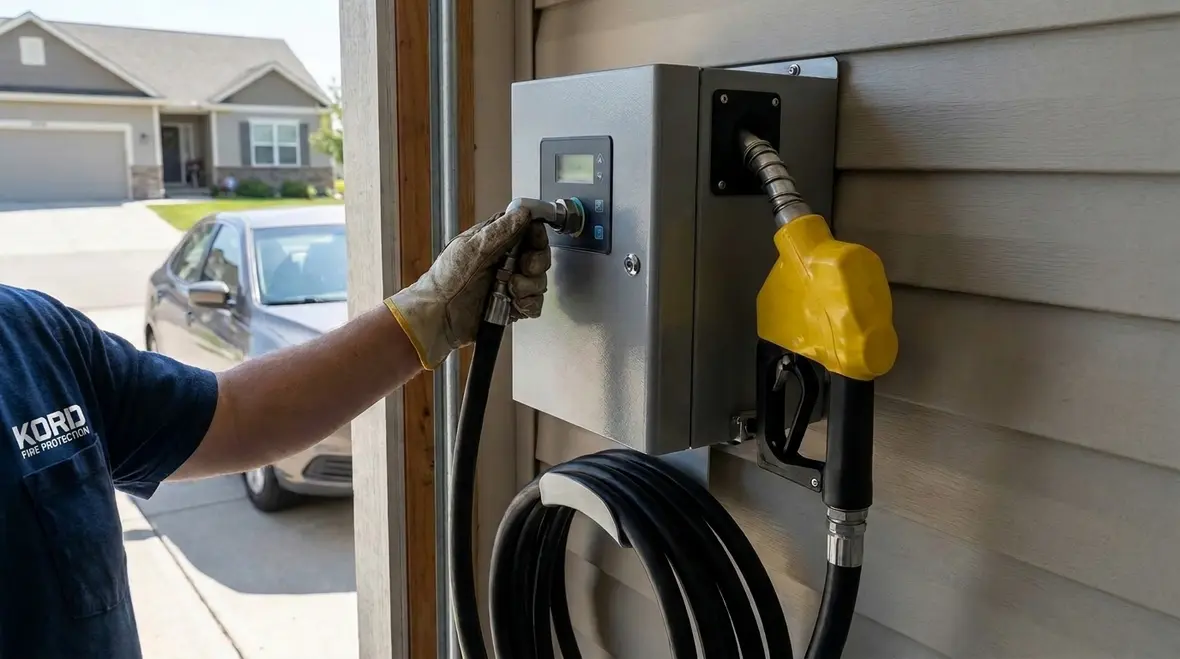
NFPA 52 Section 13.10: Operation of Residential CNG Fueling Appliances
Quick Answer: NFPA 52 Section 13.10 establishes operational requirements for residential CNG fueling appliances to help ensure safe fueling, correct system behavior, and reliable shutdown. It focuses on appliance operation, user practices, and conditions that trigger safe limits during fueling.
NFPA 52 residential CNG fueling appliance operation is governed by a risk driven philosophy: the fueling system must perform predictably, protect against unsafe states, and remain operable within defined limits. For commercial, industrial, and retail facilities that support residential fueling users, contractor crews, or shared fueling infrastructure, the operational details in Section 13.10 matter because they influence inspection scope, maintenance planning, and training outcomes.
For a related look at broader CNG fueling systems requirements, it helps to compare Section 13.10 operational expectations with how facilities structure inspection, documentation, and corrective action across the rest of the fueling system.
Why Section 13.10 operational details affect real facilities
Section 13.10 does not only apply to the end user. In many site conditions, commercial operations staff manage the broader ecosystem around a residential fueling appliance. That includes permitting interfaces, work practices for installation and service, maintenance access, leak response readiness, and documentation controls.
Operational compliance becomes a practical program issue when appliances share walls, are located near property boundaries, or feed systems that interface with common gas detection, ventilation, electrical distribution, and emergency procedures. Where crews troubleshoot regulators, valves, hoses, or control components, they must preserve the appliance operating intent described by the code.
What NFPA 52 Section 13.10 requires during appliance operation
NFPA 52 Section 13.10 centers on ensuring that residential CNG fueling appliances operate safely throughout the fueling cycle and under abnormal or off nominal conditions. The operational provisions typically address how the appliance initiates fueling, controls flow, manages pressure, and transitions to a safe state after fueling completes or when a fault occurs.
1) Fueling cycle control and safe start
Safe operation depends on the appliance performing a controlled start sequence. This includes ensuring the system reaches appropriate conditions before delivering fuel and that command logic, valves, and interlocks respond as intended. Operational gaps often appear after service work when components are reassembled without confirming correct valve positions, sensor alignment, or proper electrical terminations.
From a compliance standpoint, facilities should treat commissioning and post service verification as part of “operation,” not only as installation closeout. If the appliance cannot reliably enter its expected operating state, it cannot meet Section 13.10 performance expectations.
2) Regulated flow, pressure behavior, and controlled shutoff
During fueling, the appliance must regulate delivery so the receiving equipment and downstream components are not exposed to unsafe flow or pressure conditions. Section 13.10 operational requirements align with the idea that the appliance should maintain control throughout the fueling event and should shut down safely when fueling ends.
Common operational failure points include regulator drift, sticking valves, damaged or improperly seated fittings, and worn hose components that change flow behavior. These issues can create nuisance shutdowns, incomplete fueling, or conditions that increase the risk of leaks or unstable operation.
3) Fault response and progression to a safe state
Operational safety relies on the appliance recognizing abnormal conditions and transitioning to a safe state. In practice, this means fault detection must trigger the expected stop behavior and prevent continued flow. For facility maintenance teams, the operational implication is direct: technicians must verify fault indicators, confirm the documented reset process, and ensure that fault logic is not bypassed.
Facilities also need to confirm that the appliance remains in a condition that supports safe intervention. For example, safe depressurization and valve positions must align with safe servicing procedures and with the site’s incident response plan.
How to align inspection, testing, and maintenance with operational compliance
Operational compliance in Section 13.10 fails when maintenance becomes reactive instead of verification focused. Commercial facilities supporting residential CNG fueling appliance users should implement a structured program that ties maintenance tasks directly to the operational functions the appliance depends on.
Operational checks that should feed your maintenance plan
-
Valve and actuator verification: Confirm proper travel, seating, and electrical command response after any service that touches flow paths, controls, or actuators.
-
Regulator performance monitoring: Track drift indicators such as inconsistent delivery, abnormal pressure behavior, or repeated faults that suggest regulator wear or contamination.
-
Hose and connection integrity: Inspect for abrasion, coupling damage, thread engagement quality, and signs of improper assembly that can influence fueling stability.
-
Sensor and control logic validation: Verify that sensors used by the appliance to manage operation remain within calibration or functional tolerance as specified by the manufacturer and supported by code based expectations.
-
Fault code interpretation and reset behavior: Ensure technicians understand whether a condition requires lockout, controlled purge, or a qualified reset process.
To strengthen your program and document your operational readiness, Kord Fire Protection supports commercial compliance with inspection, testing, and maintenance processes designed to meet industry expectations. This includes field verification approaches that help prevent “workmanship gaps” that can undermine safe fueling operation after repairs or component replacement.
What trips sites up: practical compliance challenges for commercial teams
Even when the appliance is classified as residential, the supporting site often behaves like a commercial environment: shared access control, multiple contractors, maintenance windows, and audit requirements. Section 13.10 operational compliance can be compromised by common site practices.
Access control, training, and operational discipline
Technicians and users may not share the same assumptions about how the appliance should operate. Training gaps can lead to improper hose handling, incomplete fueling completion behaviors, or incorrect responses to alarms.
Facilities should align training with operational intent: what users should do during normal fueling, what they must do when the appliance indicates a fault, and what “do not” conditions exist. Maintenance staff also require instruction on how to preserve safety interlocks and valve states during service.
Coordination with gas detection and emergency procedures
CNG systems introduce exposure management requirements even for small residential fueling setups. If a site has gas detection, ventilation control, or emergency response procedures, operational triggers must be understood. For example, a fault condition that stops fueling should correspond with the site’s emergency escalation steps without encouraging bypass behavior.
Documentation and audit trail quality
Operational compliance is evidence driven. Facilities need traceability for maintenance actions that influence fueling cycle behavior, including parts replacement, calibration checks, functional testing results, and verification of correct reset behavior after faults.
Operational risk controls: where failures often start
Most operational problems emerge from a small set of mechanisms. Identifying these early allows facilities to prevent recurring faults and reduce the likelihood that the appliance will drift into unsafe behavior.
1) Component wear and contamination
Regulators, valves, and filters can degrade due to normal wear or contamination. When delivery behavior changes, the appliance can enter protective shutdown modes or show inconsistent pressure behavior. A scheduled verification approach helps detect drift before it becomes a repeated fault.
2) Incorrect reassembly after service
Operational compliance can be undermined if components are reassembled with incorrect torque, alignment, or gasket condition. Even small assembly errors can affect valve sealing, sensor response, or hose coupling behavior.
3) Hose handling and physical protection gaps
Operational stability depends on hoses and couplings maintaining safe mechanical condition. Abrasion, kinks, and exposure to impacts can lead to leaks or changed flow characteristics that the appliance reacts to during fueling. Facilities should ensure physical protection and clear operating practices.
Need help building a compliant operation and maintenance program?
Kord Fire Protection helps commercial, industrial, and retail facilities translate NFPA focused requirements into field ready programs. That includes coordinated inspection, maintenance planning, and documentation support that helps maintain NFPA 52 residential CNG fueling appliance operation expectations over time.
If you want a related internal resource to strengthen your broader program structure, review NFPA 52 Section 11.3: CNG Supplemental Requirements for Indoor Stations for additional inspection and maintenance considerations in enclosed environments.
Frequently Asked Questions
Take the next step
Confirm your site’s residential CNG fueling appliance program includes operational verification before return to service, trained response to faults, and maintenance documentation that ties repairs to safe fueling cycle behavior. Contact Kord Fire Protection to assess your inspection and maintenance alignment, strengthen compliance evidence, and reduce recurring operational failures.

Join Our Newsletter!
Get the latest fire safety tips delivered straight to your inbox From our Newsletter.


