
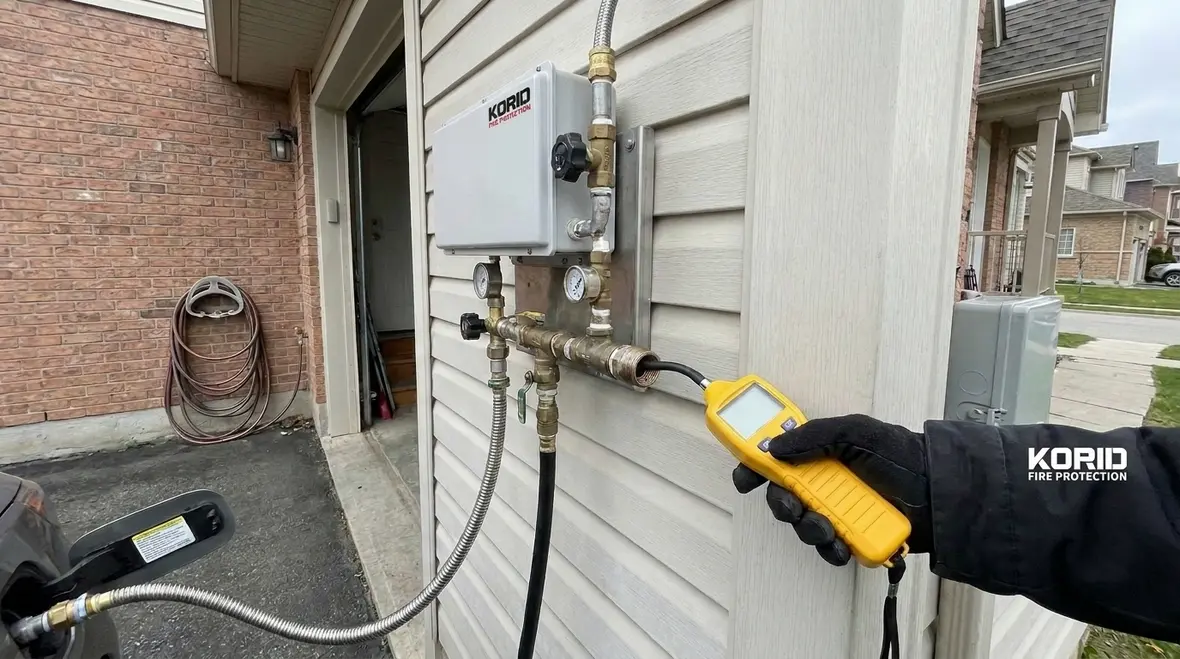
NFPA 52 Section 13.3: General Safety Requirements for Residential CNG Fueling
Quick Answer: NFPA 52 Section 13.3 establishes baseline safety practices for residential compressed natural gas (CNG) fueling setups. It focuses on hazard control through proper equipment condition, safe operating procedures, protective provisions, and inspection and maintenance practices that reduce leak, ignition, and incident risk.
Why NFPA 52 residential CNG general safety requirements matter on real sites
NFPA 52 sets minimum safeguards intended to prevent fires, explosions, and harmful gas releases during residential CNG fueling. In practice, NFPA 52 residential CNG general safety requirements drive how fueling equipment is installed, operated, inspected, and maintained to control ignition sources and limit consequences of component degradation.
For commercial, industrial, and retail operators who support residential CNG infrastructure networks through service, testing, or shared maintenance contractors, the compliance challenge is often operational consistency. Technicians must verify that field conditions, documentation, and installed hardware remain aligned with the code intent after routine wear, weather exposure, and corrective repairs.
What NFPA 52 Section 13.3 covers in residential fueling
Section 13.3 provides general safety requirements that apply to residential CNG fueling operations. The code language is broad by design: it requires owners and qualified personnel to manage risk through safe conditions, continued equipment integrity, and disciplined inspection and maintenance. The section does not replace the more specific requirements found elsewhere in NFPA 52. Instead, it creates the baseline behaviors and controls that must remain true even when the system configuration varies.
Organizations building broader compliance workflows around CNG equipment may also find it useful to review NFPA 52 Section 9.3 CNG fueling systems requirements for related inspection, protection, and operational themes.
Key compliance themes
- Condition-based safety: Equipment must remain in safe working order. Deteriorated components, damaged protective devices, or nonconforming fittings cannot be ignored under a “wait until failure” approach.
- Operational discipline: Fueling must follow safe operating practices, including controls on ignition risk and proper use of the fueling interface.
- Inspection and maintenance: Routine checks and documented maintenance reduce the chance of slow leaks, valve failures, regulator malfunction, and sensor drift.
- Incident prevention and readiness: Systems must be maintained so that abnormal conditions do not escalate quickly into a hazardous event.
How general safety requirements translate to day to day fueling controls
NFPA 52 general safety requirements are easiest to maintain when facilities build clear operational controls around equipment integrity. The most common field gaps appear after installation or after “informal” repairs by parties not aligned with fueling safety documentation practices.
1) Leak control and gas release prevention
CNG systems rely on tight seals at connections, valves, regulators, and metering components. Under Section 13.3, the expectation is not only that leaks are addressed when discovered, but also that the overall setup remains safe between inspections. Typical failure points include:
- Loose or improperly torqued threaded joints after component replacement
- Worn seals caused by thermal cycling and vibration
- Regulator vent path obstruction or compromised venting arrangements
- Corroded or contaminated fittings that prevent a reliable seal
Operational best practice is to pair inspections with repeatable leak detection methods, instrument calibration, and clear repair criteria. Because natural gas is colorless and low odor by itself, reliance on odor alone is not a robust safety strategy for modern CNG systems.
2) Ignition source management during fueling operations
General safety requirements also support ignition hazard control. In residential fueling scenarios, ignition sources can appear from ordinary household and servicing activities near the fueling interface. Safety-oriented operations typically require:
- Maintaining safe fueling zones where smoking, open flames, and certain hot work practices are controlled
- Ensuring equipment that interfaces with fueling operations remains properly grounded and free from damage
- Preventing accidental energization from equipment that should be protected for flammable gas environments
Where technicians service multiple properties or multiple units, disciplined separation of “repair mode” and “operating mode” reduces the risk of introducing ignition hazards during maintenance.
3) Protective provisions that remain functional over time
Protective provisions are only effective when they remain present and properly functioning. Over time, protective covers, barriers, strain relief features, and physical protection can be displaced. The safety requirement mindset is to verify not just the pressure boundary, but also the protective setup that mitigates impact, weather intrusion, and accidental contact.
Inspections and maintenance: where compliance commonly breaks
Section 13.3 places a continuing responsibility on maintaining safe conditions. For residential fueling, the most frequent compliance friction points show up in documentation, timing, and verification methods. For organizations supporting residential CNG systems, the goal is to create repeatable inspection workflows that align with commercial facility-grade discipline.
Common inspection elements tied to general safety
- Physical condition review: Look for abrasion, impact damage, corrosion, missing protective parts, and compromised labeling.
- Functional checks: Verify that valves, regulators, and controls operate as intended during normal fueling conditions.
- Connection integrity: Ensure that all accessible connections remain sealed and that repaired areas are reverified.
- Safety device readiness: Confirm that safety-related components do not show signs of impairment and remain in their intended location and configuration.
Maintenance practices that reduce repeat failures
Many repeated failures stem from repairs that do not restore the system to the original safe state. Effective maintenance includes:
- Using approved components and consistent installation methods
- Rechecking critical areas after any disassembly, even when the work appears localized
- Maintaining calibration records for gas detection instruments and pressure measurement devices
- Documenting findings and corrective actions in a way that supports audit readiness
Kord Fire Protection supports compliance outcomes by helping organizations establish practical, field-ready inspection and maintenance programs that address safety documentation, equipment verification, and ongoing readiness for CNG fueling operations. For additional guidance on fire and life safety support services that pair well with code-aligned maintenance, see Kord Fire Protection.
Field operational procedures: controlling risk during fueling and service
General safety requirements in Section 13.3 emphasize safe behavior and safe conditions. Procedures matter because many incidents do not start with a major equipment failure. Instead, they start with a deviation from safe work practices, such as skipping a verification step after opening a connection.
Building a compliant “work sequence”
Facilities and service providers typically reduce risk by formalizing a sequence that technicians follow every time, especially after any intervention:
- Confirm system status and ensure the work is performed under the correct operating conditions.
- Isolate and manage energy and gas control points appropriately.
- Use verified tools and approved parts for repairs.
- Perform reverification, including leak checks at repaired and adjacent interfaces.
- Restore protective and safety-related features to their intended configuration.
- Record results and corrective actions to maintain traceability.
Training and competence as a safety control
Section 13.3 aligns with the reality that safety requirements cannot be met through checklists alone. Technicians need competence to interpret conditions, decide when a component must be replaced, and recognize symptoms that suggest deeper problems. For organizations that manage multiple sites, competence management should include periodic refresher training and field verification by qualified oversight personnel.
How residential requirements intersect with commercial standards
Even though Section 13.3 targets residential fueling, its intent resonates with commercial facility operations because both require continuous control of leak risk, ignition exposure, and equipment integrity. Commercial, industrial, and retail facilities that coordinate fueling logistics, shared service contracts, or umbrella compliance oversight often need to apply a consistent safety management approach across customer sites.
Practical alignment steps for service and compliance teams
- Create unified inspection criteria: Use the same defect categories and acceptance criteria across properties to avoid inconsistent “pass or fail” decisions.
- Enforce documentation discipline: Treat records as part of the safety system. Missing records create uncertainty even when the hardware appears functional.
- Implement corrective action thresholds: Define when repairs require full reverification, extended inspection, or component replacement.
- Plan for weather and environmental impacts: Residential sites often experience stronger swings in exposure, and those conditions can accelerate degradation.
When organizations need an experienced commercial partner to help maintain code-aligned readiness, Kord Fire Protection can assist with inspection support, safety program development, and maintenance planning to support ongoing compliance. Teams that also oversee water-based fire protection reliability may want to review the fire pump testing and certification process for a practical example of repeatable inspection and documentation discipline.
Frequently Asked Questions
Next step for safer, defensible compliance
NFPA 52 residential CNG general safety requirements work best when inspections and maintenance run as an integrated program, not as isolated tasks. If your organization supports residential CNG sites through testing, maintenance, or oversight, engage Kord Fire Protection to strengthen field-ready procedures, inspection documentation, and ongoing compliance verification. Contact Kord Fire Protection today to align your safety workflow with the code intent and reduce avoidable risk.

Join Our Newsletter!
Get the latest fire safety tips delivered straight to your inbox From our Newsletter.


