
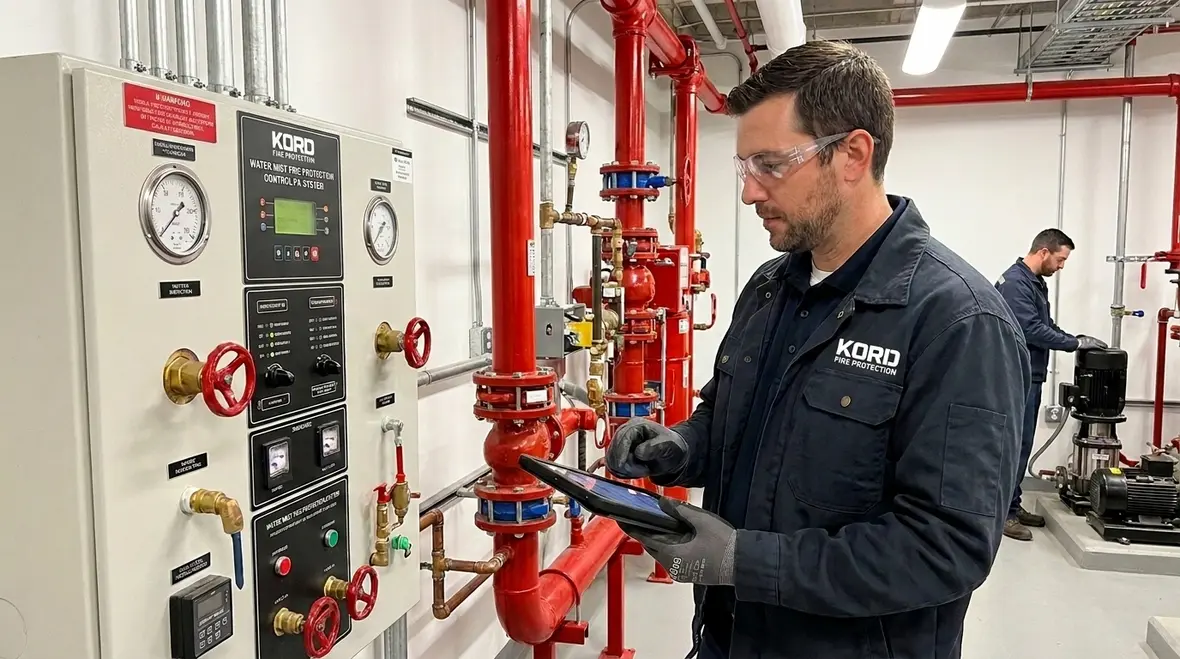
NFPA 25C Section 12.1: Water Mist System Inspection and Testing Requirements
Quick Answer: NFPA 25C Section 12.1 sets inspection and testing expectations for water mist systems, focusing on verifying system readiness, correct operation of components, and proper hydraulic or functional performance. Facilities must follow the required intervals, document results, and correct impairments promptly to maintain compliance.
What NFPA 25C Section 12.1 focuses on
NFPA 25C Section 12.1 water mist system inspection testing requirements apply to facilities that rely on water mist systems for fire protection. The intent is consistent: confirm the system remains capable of delivering the correct discharge characteristics when required. In commercial, industrial, and retail environments, compliance depends on disciplined inspection intervals, functional checks of key devices, and reliable reporting that ties field observations to system operating requirements.
Facilities that want a practical service-level view of these systems can also review fine water mist fire suppression and ultra fog systems, which covers nozzle performance, pressure considerations, and maintenance issues commonly tied to ongoing inspection outcomes.
To better understand how water-based systems are maintained across categories, facilities can also reference Kord Fire Protection guidance on maintenance breakdowns for complete water-based fire protection systems: NFPA 25 overview and complete water-based fire protection systems maintenance breakdown.
How inspections and tests in Section 12.1 typically work
Water mist systems operate through tightly matched components. Section 12.1 inspection and testing requirements generally verify three things that influence performance during an actual alarm or actuation event: control readiness, component mechanical integrity, and system discharge capability. Because water mist technology differs from conventional sprinklers, testing tends to emphasize functional verification of water supply and control logic rather than only visual confirmation.
1) Control and readiness verification
Water mist systems depend on correct status of valves, control devices, and initiating equipment. Inspectors typically verify that system controls are in the proper position and that supervisory features report trouble conditions correctly. A practical commercial compliance challenge involves facilities where multiple work orders, contractors, or facility electricians touch the same panels. Even minor changes to wiring labels, reset logic, or local indication can create a system that appears normal but fails a functional test.
2) Mechanical integrity checks
Water mist components may include specialized nozzles, piping arrangements, mist generators or pump packages (depending on design), and pressure or flow monitoring devices. Section 12.1 inspections typically include checks that components show no physical damage, corrosion, leakage, or signs of improper operation. Inspectors also look for obstructions or contamination risks that commonly occur in warehouses, retail stockrooms, and light manufacturing areas where dust, overspray, or maintenance debris can accumulate.
3) Functional and performance-related testing
Testing validates that the system can actually function as designed. Field testing often includes verification of operating parameters that influence mist discharge characteristics, such as water supply pressures, pump operation where applicable, and actuation sequence behavior. Where the system design uses stored energy or specific pumping arrangements, functional tests must confirm correct sequencing and stable operation during the test window.
Because water mist systems connect to the broader fire protection environment, facilities should also align inspection practices with related installation and interface requirements. A helpful reference for understanding how installation and expectations can influence inspection outcomes is: NFPA 13 overview and automatic fire sprinkler system installation.
Common failure points that drive noncompliance
Commercial facilities often pass visual walkthroughs but fail later during functional verification. Section 12.1 water mist system inspection testing requirements catch issues that hide behind normal appearance. The most frequent causes of findings include the following.
Valve position drift and control mismatches
Valves can shift during routine facility operations, maintenance, or renovations. Even if a valve looks “mostly correct,” an improperly latched position, a partially closed isolation valve, or control logic not matching system design can reduce effective performance. Inspectors typically document valve positions, confirm signage accuracy, and verify supervisory indication consistency.
Water supply instability and pump readiness gaps
Water mist systems rely on adequate and stable water delivery. Problems can include unreliable pump start, defective pressure sensing, air or trapped gases in water lines, and control panel configuration drift. The compliance risk is especially high in facilities with frequent utility disruptions, seasonal shutdowns, or shared water infrastructure with irrigation or process water systems.
Nozzle and discharge area contamination
Nozzles and discharge characteristics can be affected by paint overspray, physical damage, blocked openings, or installation debris from nearby trades. In retail and industrial settings, this can occur during merchandising changes, construction touch ups, or equipment replacements. Section 12.1 inspection and testing requirements often require verification beyond a quick look, including checking for obstructions and ensuring the discharge environment remains clear.
Documentation gaps and missed corrective action loops
Even when issues exist, noncompliance can result from incomplete documentation, missed remedial action, or failure to trend recurring problems. Commercial compliance standards frequently expect clear records that link test procedures, observed results, and the status of any corrective actions.
For facilities operating in environments with varying regulatory expectations, Kord Fire Protection also provides state-specific context, including: Fire sprinkler code California explained.
Best-practice inspection workflow for compliance-ready results
NFPA 25C Section 12.1 water mist system inspection testing requirements work best when a facility treats inspections as a controlled process, not a last-minute event. A repeatable workflow helps reduce downtime, prevents missed tasks, and improves audit performance.
Step 1: Pre-inspection review of system history
Before field work begins, the technician reviews prior inspection reports, impairment logs, and any recent work orders. This step identifies patterns such as recurring supervisory troubles, valve cycling issues, or repeated pressure anomalies. It also confirms whether any system modifications occurred that could alter test outcomes.
Step 2: Verify site conditions and access constraints
Water mist systems may be installed in ceilings, concealed spaces, mechanical rooms, or high-bay structures. The inspection plan should address access, safety boundaries, and coordination with facility operations to avoid disrupting normal business and to ensure valves and panels remain reachable for verification.
Step 3: Perform required inspections, then validate results
Technicians execute the inspection and testing steps in sequence, ensuring each stage supports the next. After each test, they verify that the system returns to a normal state, that supervisory devices reset correctly, and that any used test interfaces do not remain in an abnormal configuration.
Step 4: Document accurately, then close the loop
Accurate documentation typically includes readings, component condition notes, test outcomes, and impairment status. The reporting package should clearly identify what passed, what failed, what is under observation, and the required corrective action. This documentation approach is what helps a facility demonstrate readiness to authorities and insurance reviewers.
Facilities that want to strengthen their inspection program can also coordinate with pump and fire system professionals for system-wide technical continuity through: firepumps.org.
Why ongoing maintenance matters for water mist systems
NFPA 25C Section 12.1 water mist system inspection testing requirements are not simply periodic chores. They protect the system’s ability to deliver designed protection in real fire conditions. Water mist designs require that components remain matched to the original installation and that operating conditions do not drift over time.
Kord Fire Protection positions water mist maintenance as part of a broader compliance strategy. By combining inspection discipline with practical corrective action planning, the service approach helps facilities reduce repeat findings and sustain system reliability for commercial, industrial, and retail use cases. For a broader view across water-based systems, Kord Fire Protection also maintains a detailed perspective here: NFPA 25 overview and complete water-based fire protection systems maintenance breakdown.
Frequently Asked Questions
Take action now
Commercial owners and facility managers should schedule NFPA 25C Section 12.1 water mist system inspection testing requirements with a qualified team before compliance windows tighten. Kord Fire Protection helps organize inspection planning, executes functional testing with accurate documentation, and manages corrective actions to reduce repeat findings. Contact Kord Fire Protection to align your water mist program with current requirements and facility operations.

Join Our Newsletter!
Get the latest fire safety tips delivered straight to your inbox From our Newsletter.


