
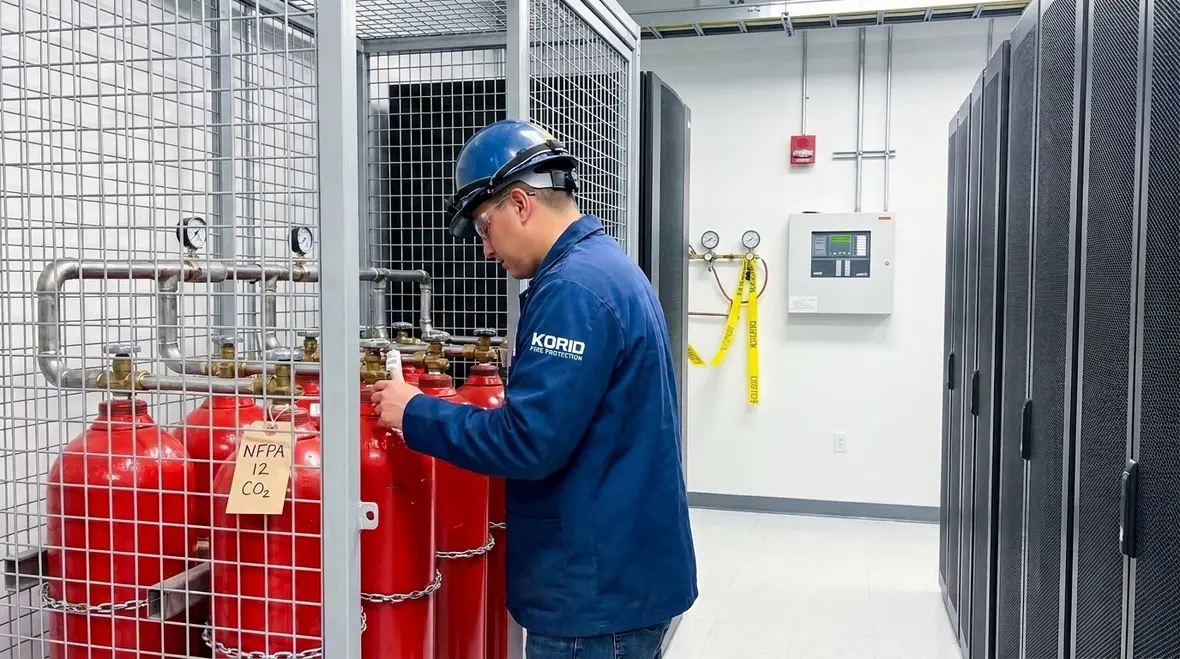
NFPA 12 Annex E: CO2 Surface Fire Protection Information
NFPA 12 CO2 surface fire information guides how carbon dioxide systems provide surface protection in commercial facilities. The section outlines design, installation, inspection, and maintenance practices, emphasizing enclosure integrity, discharge criteria, and documentation for audits. Understanding Annex E helps facilities meet code and manage risk.
For a broader code-focused overview, see this NFPA 12 compliance guide for carbon dioxide extinguishing systems, which pairs naturally with Annex E and helps put surface protection information into a bigger compliance picture.
Annex E Scope and Relevance for CO2 Surface Protection
Annex E supplements NFPA 12 by detailing information important to surface protection strategies that use CO2 systems. It clarifies the intent, scope, and coordination with other building protections, including enclosure integrity, leak prevention, and safe handling of CO2. This annex helps facility managers interpret requirements in real world installations across offices, retail spaces, data centers, and light manufacturing.
- Clarifies definitions and applicability to surface protected areas
- Outlines interfaces with electrical, mechanical, and detection systems
- Specifies documentation and recordkeeping practices for compliance
- Offers performance criteria to support reliable protection of exposed surfaces
Why Annex E Matters in Daily Operations
In practice, Annex E is where technical requirements stop being abstract and start affecting schedules, inspections, tenant coordination, and facility uptime. It gives teams a clearer map for how CO2 surface protection should function in the spaces people actually work in, which is helpful because nobody wants a code issue sneaking up like an uninvited sequel.
Design and Surface Protection Concepts
Effective CO2 surface fire protection relies on precise design that targets vulnerable surfaces while maintaining safe environmental conditions for occupants and workers. Annex E informs the selection of protected zones, discharge strategies, and coordination with ventilation and alarm systems. Designers should balance rapid discharge with controlled, predictable coverage to protect critical equipment and surfaces without compromising adjacent spaces.
- Localized versus area coverage strategies tailored to equipment enclosures
- Zoning, pipe routing, and nozzle placement to optimize surface protection
- Integration with detection and alarm systems for safe evacuation and response
- Considerations for enclosure seals, apertures, and integrity of barriers
If your facility also manages water based protection systems, it is worth reviewing related maintenance discipline through NFPA 25 fire pump testing requirements so adjacent fire protection strategies stay aligned instead of stepping on each other’s toes.
Balancing Coverage, Safety, and Coordination
A good design does not just aim CO2 at the right hazard. It also coordinates with alarms, shutdowns, access control, and ventilation so the system behaves predictably when something goes sideways. That kind of coordination is what separates a reliable installation from a system that looks great on paper and then gets stage fright at the worst possible moment.
Inspection Testing and Maintenance Requirements
Maintenance programs based on Annex E emphasize proactive inspection and testing to verify system readiness. Commercial facilities should implement documented routines that cover visual inspections, functional tests, and verification of control logic. Regular maintenance ensures correct cylinder pressure, valve operation, and alignment with approvals and post installation modifications.
- Monthly visual checks of relief devices, hoses, and discharge paths
- Annual functional tests of release and alarm systems
- Pressure checks and cylinder integrity assessments
- Control panel verification and update of system documentation
- Tied maintenance with testing of adjacent fire protection systems to avoid conflicts
Documentation Is Not Busywork
Inspection logs, test records, pressure checks, and modification notes are what make compliance defensible during audits, insurer reviews, and authority inspections. It may not be glamorous, but neither is explaining why a system changed three times and nobody wrote it down.
Compliance Challenges in Commercial Facilities
Commercial, industrial, and retail facilities face practical hurdles when aligning with NFPA 12 CO2 surface fire information. These include coordinating CO2 protection with ongoing operations, ensuring safe occupancy practices during testing, and maintaining up to date documentation for code enforcement and insurance. Cross-discipline collaboration with mechanical, electrical, and safety teams is essential for successful implementation.
- Retrofits in occupied spaces require careful scheduling and risk assessment
- Signage, access control, and alarm integration must meet local and NFPA requirements
- Documentation must reflect changes in occupancy, layout, and equipment
- Local authority approvals and third party verification may add lead time
Common Failure Points and Troubleshooting
Recognizing typical failure points helps facilities prevent outages and noncompliance. Common issues include degraded enclosure integrity, undetected leaks, improper discharge pathways, and misaligned control logic between CO2 release and detection systems. Regular drills and coordinated checks with facility maintenance reduce these risks and support faster fault diagnosis.
- Leaky seals, gasket deterioration, and unsealed penetrations
- Blocked or misrouted discharge lines limiting surface coverage
- Inaccurate CO2 concentration readings or delayed alarm activation
- Inadequate documentation or undocumented modifications
What Usually Goes Wrong First
Small integrity issues tend to snowball. A worn seal here, an undocumented opening there, and suddenly the protected area is behaving less like a controlled enclosure and more like a colander with ambitions. Catching those small problems early is usually cheaper, safer, and much less dramatic.
Partnering with Kord Fire Protection for Ongoing Compliance
Kord Fire Protection serves as a vital commercial service partner for ongoing NFPA 12 CO2 surface fire information compliance. The team offers design reviews, installation support, periodic testing, and maintenance planning tailored to commercial, industrial, and retail facilities. Their expertise helps align operations with Annex E requirements while maintaining uptime and safety.
- Comprehensive system assessments and code interpretation
- Scheduled testing, inspections, and corrective action tracking
- Documentation management, training, and incident response planning
- Coordination with other protective systems to avoid interference or conflicts
Frequently Asked Questions
Conclusion and Call to Action
To ensure reliable NFPA 12 CO2 surface fire information compliance, engage Kord Fire Protection for a comprehensive CO2 surface protection assessment, system testing, and ongoing maintenance program. The team applies NFPA 12 CO2 surface fire information standards to commercial, industrial, and retail facilities, delivering ongoing compliance, updated documentation, and risk mitigation. Reach out today to start a structured, code aligned protection plan.

Join Our Newsletter!
Get the latest fire safety tips delivered straight to your inbox From our Newsletter.


