
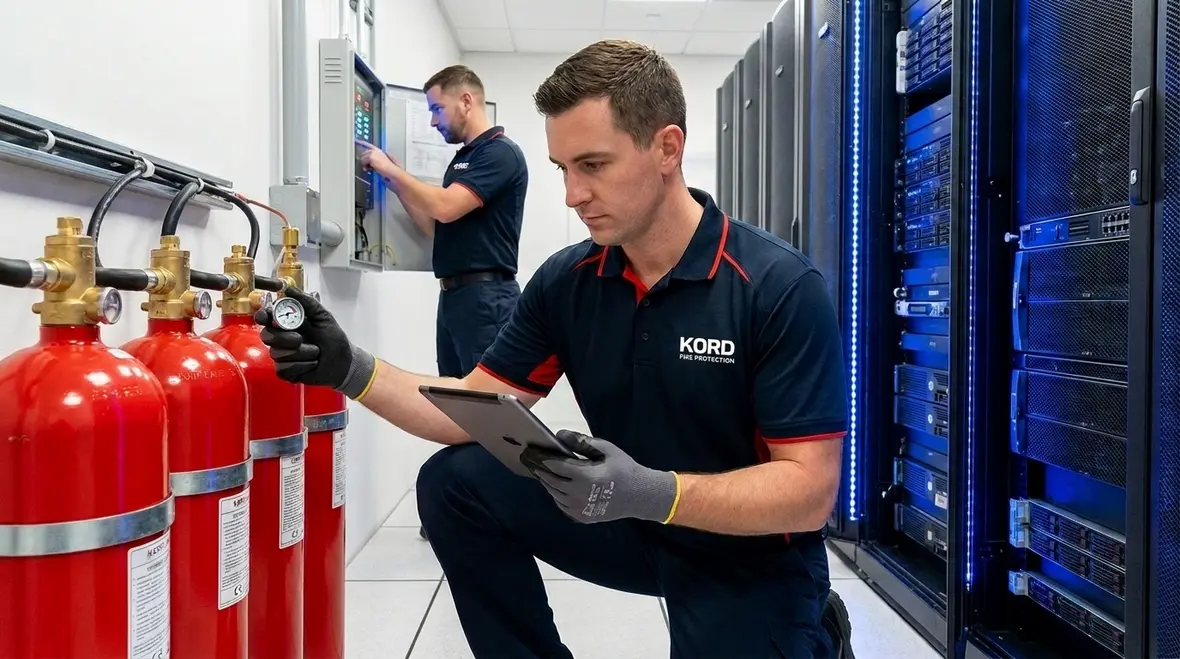
NFPA 2001 Section 11.4 Testing Clean Agent Systems Procedures
Quick Answer
NFPA 2001 Section 11.4 sets the testing rules for clean agent fire extinguishing systems, helping confirm that systems work as designed before they are trusted to protect valuable spaces. For industrial, retail, and commercial facilities, these tests reduce risk, support compliance, and help avoid costly downtime. Kord Fire Protection can guide, test, and maintain these systems with steady expertise. If your site depends on sensitive equipment or critical uptime, Kord Fire’s fire suppression services provide a practical path for matching system design, inspection, and long-term support to real-world hazards. ([kordfire.com](https://kordfire.com/fire-suppression/?utm_source=openai))
NFPA 2001 Testing Clean Agent Fire Suppression Systems Procedures in Plain Terms
NFPA 2001 testing clean agent fire suppression systems procedures focus on one thing: proving the system will perform when it matters most. In a factory, server room, retail back area, or commercial plant, a clean agent system must release the correct agent, at the right time, in the right amount. That sounds simple. Of course, so does “just one more episode” on a streaming platform, until suddenly it is 2 a.m. and reality has opinions.
Section 11.4 requires testing that checks design, installation, and system readiness. It also helps confirm the equipment matches the approved plans and can protect the hazard without unwanted surprises. For facilities protecting server rooms, data centers, archives, telecom spaces, and other critical environments, that matters because clean agent protection is chosen specifically to control fire without creating a second disaster from water or residue. ([kordfire.com](https://kordfire.com/clean-agent-fire-suppression-for-server-rooms-by-kord/?utm_source=openai))
What Section 11.4 Actually Checks
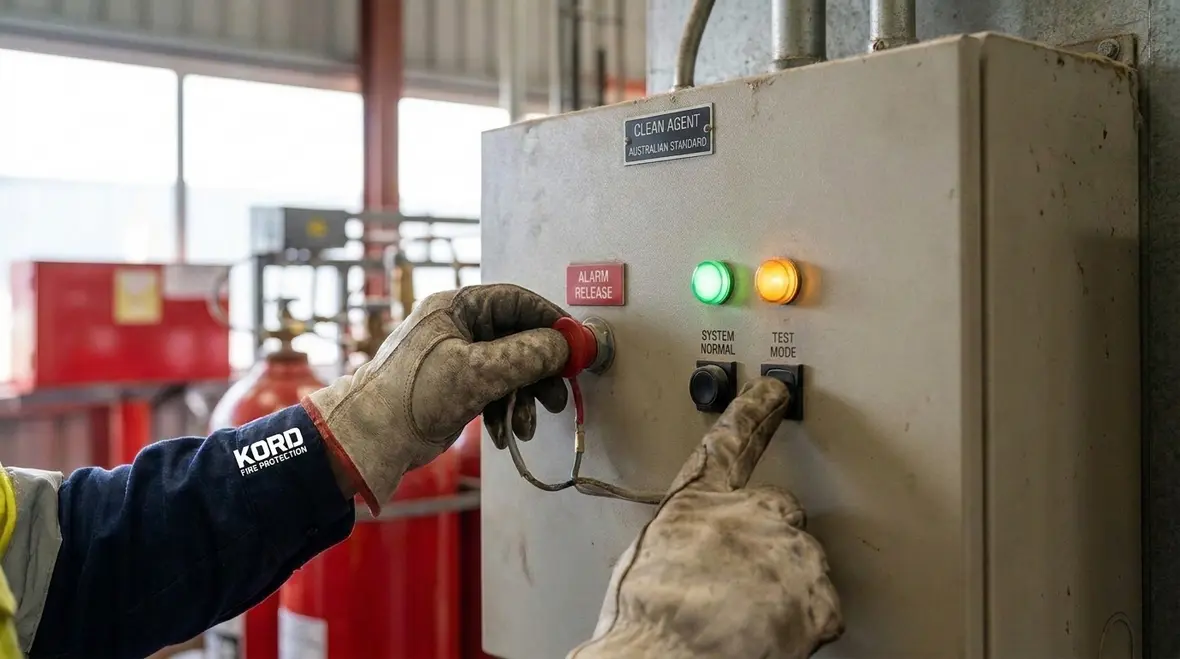
Section 11.4 looks at the system as a whole, not just one part at a time. As a result, the testing process helps verify that the clean agent system can operate properly under real conditions. It checks important items such as:
- Correct cylinder pressure and fill levels
- Proper alarm and release operation
- Control panel logic and interlocks
- Nozzle placement and discharge path
- Room integrity and enclosure readiness
These checks matter because a clean agent system depends on balance. If one part fails, the whole system can lose value. Therefore, NFPA 2001 testing clean agent fire suppression systems procedures protect both people and property by making sure the system is not just present, but ready. Kord Fire’s related guidance on clean agent suppression system and room integrity testing reinforces the same point: enclosure performance and system condition work together, and one weak link can undercut the result. ([kordfire.com](https://kordfire.com/clean-agent-suppression-system-and-room-integrity-testing/?utm_source=openai))
Why the enclosure matters as much as the hardware
People sometimes focus on cylinders, nozzles, and control panels because those parts look official and expensive. Fair enough. But the room itself is part of the system. If airflow, leakage, or recent building changes alter how the space behaves, the agent may not stay concentrated long enough to do its job. That is why a proper test looks beyond the shiny metal parts and asks whether the actual environment still supports the original design intent. ([kordfire.com](https://kordfire.com/mission-critical-fire-suppression-with-clean-agent-systems/?utm_source=openai))
How Testing Is Usually Carried Out
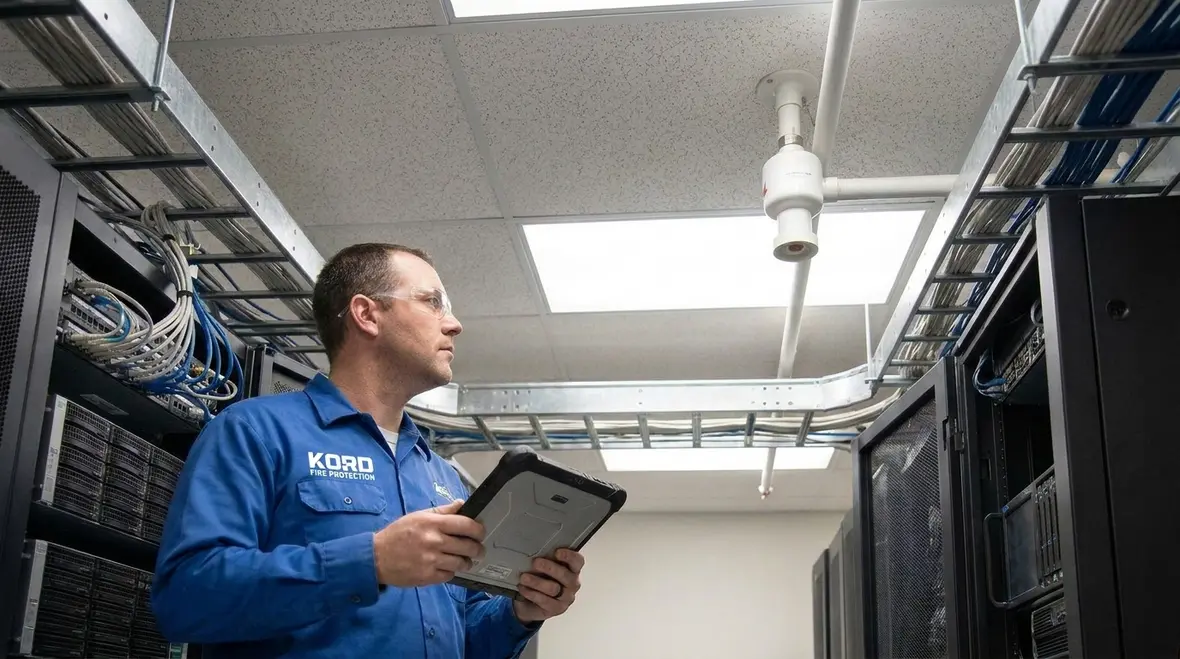
Testing does not begin with guesswork. Instead, trained professionals review the design documents, inspect the installed equipment, and confirm that the system matches the approved layout. Then they test critical functions such as alarms, manual release devices, shutdowns, and supervision circuits.
When required, a room integrity test may also be completed. This test checks whether the protected area can hold the agent long enough to suppress a fire. In other words, if the room leaks like a bad poker face, the system may not deliver the protection it was built for.
In many sites, the testing process also includes confirmation that connected equipment behaves correctly. For example, ventilation shutdown, access control, and fire monitoring may all need to respond in a set order. Because of that, the test must look beyond the extinguisher itself and examine the full protection system. Kord Fire’s clean agent service material repeatedly points to coordinated performance in critical spaces where design, discharge timing, and room conditions all need to align, which is exactly why testing has to be methodical rather than casual. ([kordfire.com](https://kordfire.com/clean-agent-fire-suppression-for-server-rooms-by-kord/?utm_source=openai))
What documentation should come out of the test
A strong testing process should leave the facility with more than a memory and a handshake. Teams should expect records that show what was inspected, what was tested, what passed, what needs correction, and what follow-up actions are recommended. Good documentation helps when audits appear, when ownership changes, or when someone asks why a fan shutdown sequence behaves a certain way six months later. That is not glamorous, but neither is explaining missing paperwork to a compliance reviewer who has already had coffee and is feeling energetic. Kord Fire emphasizes scheduled inspections, routine testing, preventive maintenance, and code-focused service, all of which point to documentation as part of doing the work right. ([kordfire.com](https://kordfire.com/?utm_source=openai))
Why Facilities Need This Done Right
Industrial and commercial sites often carry high value assets, critical data, or production lines that cannot stay offline for long. Therefore, clean agent systems play an important role in business continuity. They protect sensitive areas without leaving heavy residue, which makes them a smart fit for electronics, control rooms, archives, and specialised plant spaces. Kord Fire’s clean agent pages specifically highlight data centers, server rooms, telecom spaces, libraries, and similar high-value environments where uptime matters as much as suppression. ([kordfire.com](https://kordfire.com/clean-agent-fire-suppression-for-server-rooms-by-kord/?utm_source=openai))
However, a clean agent system only earns trust when it is tested properly. If the testing is rushed or incomplete, the site may face failed compliance checks, false confidence, or expensive interruptions later. That is where proper NFPA 2001 testing clean agent fire suppression systems procedures make a real difference. They help protect operations before a fire ever shows up uninvited.
Testing Focus | Business Value |
|---|---|
Control panel and release checks | Confirms the system responds as designed |
Agent quantity and pressure review | Helps ensure full suppression performance |
Room integrity testing | Supports agent hold time and fire control |
Interlock and shutdown testing | Protects equipment and improves site safety |
Where Kord Fire Protection Becomes a Vital Partner
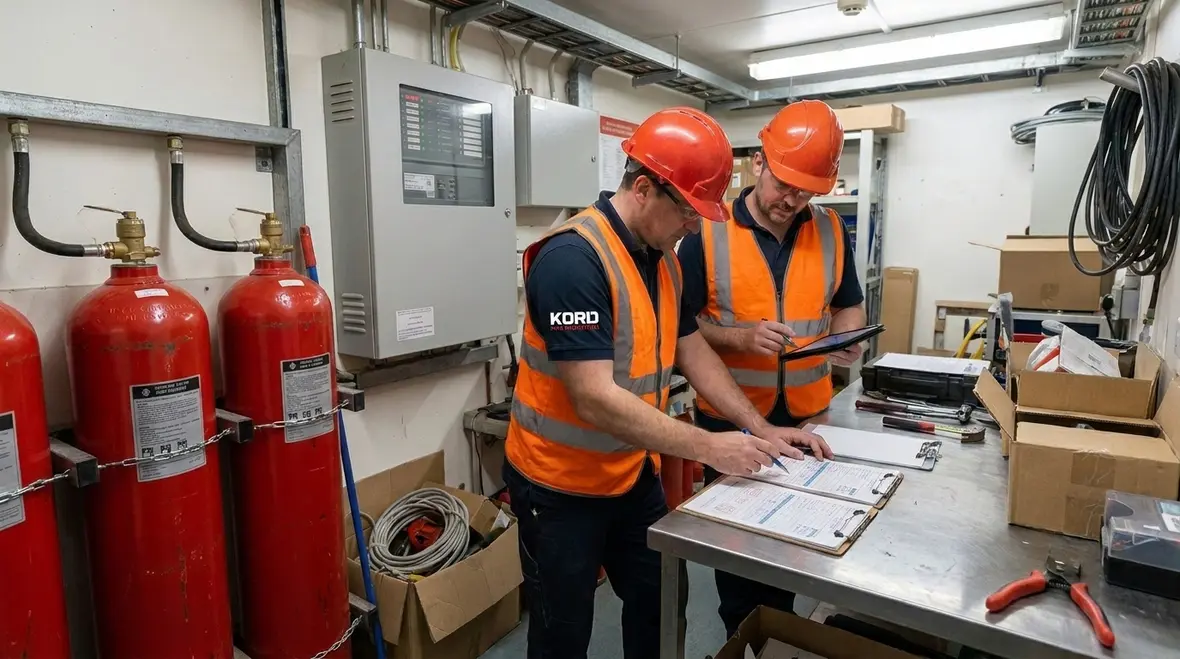
Kord Fire Protection can become a vital partner because this work demands more than a checklist. It requires experience, careful inspection, and a steady hand. For facilities managers, maintenance teams, and operations leaders, the right partner helps turn complex fire protection rules into clear action.
Moreover, Kord Fire Protection can support the full lifecycle of the system, from testing and verification to maintenance and follow up work. That means fewer gaps, less confusion, and better confidence when audit time arrives. In a market where downtime can bite harder than a bad sequel, that kind of support matters. Kord Fire describes its services as covering installation, maintenance, inspections, routine testing, and preventive support across suppression systems, which fits naturally with long-term clean agent readiness. ([kordfire.com](https://kordfire.com/fire-suppression/?utm_source=openai))
Just as important, a capable partner can spot issues early. For example, worn components, weak seals, poor room integrity, or release problems can often be found before they become bigger problems. That proactive approach helps protect people, assets, and business continuity.
A smart interlink if your system protects critical rooms
If your protected space includes IT hardware, controls, or other sensitive equipment, Kord Fire’s article on mission critical fire suppression with clean agent systems gives useful context on how commissioning, enclosure conditions, and ongoing support shape real performance. Teams that want a standards-focused companion resource can also review NFPA 2001 guidelines for clean agent fire suppression systems for a broader look at how the standard connects to practical field decisions. ([kordfire.com](https://kordfire.com/mission-critical-fire-suppression-with-clean-agent-systems/?utm_source=openai))
What Facility Teams Should Ask Before Testing Starts
Before any test begins, facility teams should know the system type, the protected hazard, the test scope, and the expected outcome. They should also confirm whether the test will affect live operations. As a result, planning becomes smoother and disruption stays lower.
Teams should ask these practical questions:
- Which standard and site requirements apply?
- Will the test require shutdown of equipment?
- Are room integrity tests needed?
- What records will be provided after the work?
- How often should follow up inspections occur?
These questions help facilities stay ahead of issues instead of chasing them after the fact. And that, as any operations manager knows, is a much calmer way to spend the week.
FAQ
Protect the System Before It Has to Protect the Site
Clean agent systems deserve more than hope and a prayer. They need proper testing, skilled review, and regular care. For industrial, retail, and commercial facilities, Kord Fire Protection can help make that happen with confidence and clarity. Facilities that rely on clean suppression in critical environments can benefit from Kord Fire’s dedicated clean agent fire suppression for server rooms guidance when evaluating how protection strategy fits sensitive equipment and uptime goals. ([kordfire.com](https://kordfire.com/clean-agent-fire-suppression-for-server-rooms-by-kord/?utm_source=openai))
To strengthen compliance and protect critical assets, partner with a team that knows how to test, verify, and keep clean agent systems ready for the moment that counts. If enclosure performance is part of the concern, Kord Fire’s room integrity testing support is a natural next step because holding the right agent concentration is every bit as important as releasing it in the first place. ([kordfire.com](https://kordfire.com/clean-agent-suppression-system-and-room-integrity-testing/?utm_source=openai))

Join Our Newsletter!
Get the latest fire safety tips delivered straight to your inbox From our Newsletter.



