
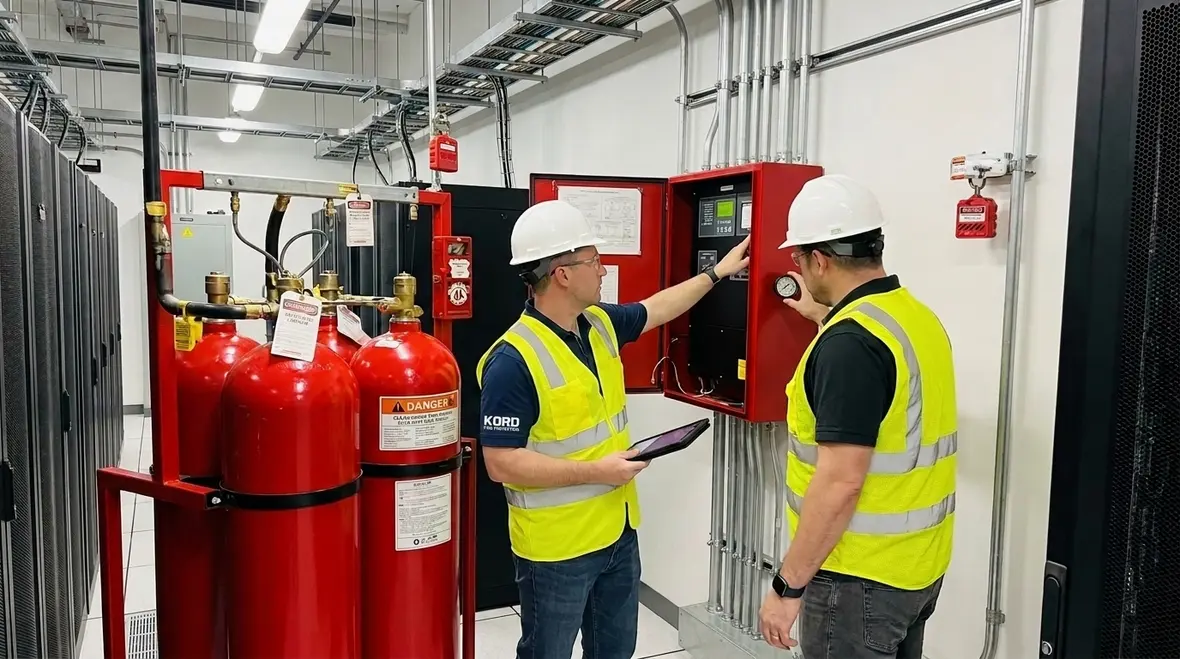
NFPA 2001 Section 12.1 Impairment Procedures for Clean Agents
Quick Answer: NFPA 2001 impairment procedures help facilities stay protected when a clean agent fire system is taken out of service for maintenance. They guide teams on notifications, temporary safeguards, and fast restoration. For industrial, commercial, and retail sites, these steps reduce risk and keep business running with less drama than a stalled power drill.
In busy facilities, maintenance never arrives with perfect timing. Yet when a clean agent system needs service, NFPA 2001 impairment procedures clean agent fire systems become the rulebook that keeps everyone calm and protected. These procedures matter because they help teams manage risk when suppression coverage is reduced. In other words, they keep a short maintenance window from turning into a very expensive headline. For industrial plants, retail sites, and commercial buildings, the goal is simple: keep people safe, protect assets, and restore full protection fast.
Near the top of the plan, it helps to connect the impairment conversation with a broader fire suppression service strategy so maintenance decisions fit the building’s overall protection approach. And if your space depends on electronics, control rooms, or other sensitive equipment, Kord Fire also offers a dedicated clean agent fire suppression solution for critical environments that ties in naturally with safer maintenance planning. ([kordfire.com](https://kordfire.com/fire-suppression/?utm_source=openai))
What NFPA 2001 Section 12.1 means in simple terms
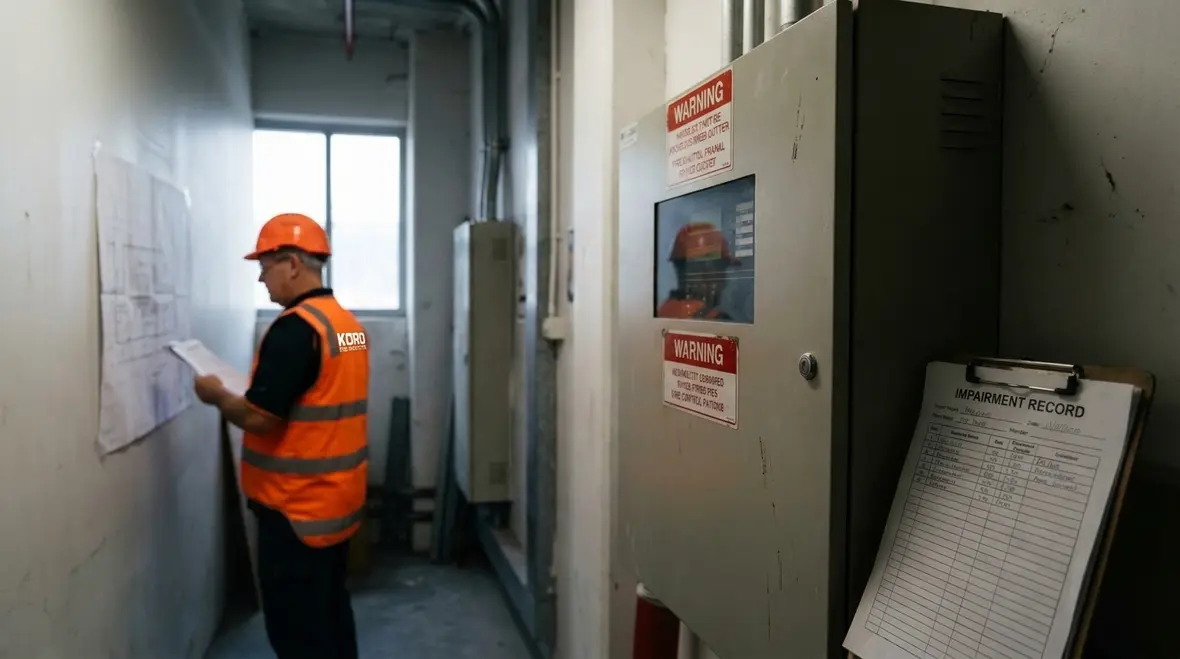
Section 12.1 deals with impairment procedures. It explains what a facility should do when a clean agent fire system is offline, partially offline, or at risk during maintenance. The intent is not mystery. It is control. When a system cannot do its job, the site must raise awareness, add safeguards, and reduce exposure until the system returns to service.
That matters because clean agent systems protect places where water could cause more harm than good. Server rooms, electrical spaces, switch rooms, control areas, and high value operations often rely on these systems. So when maintenance starts, the facility must treat the impairment like a real condition, not just a service appointment. Kord Fire’s clean agent guidance consistently focuses on these kinds of sensitive spaces, where protection has to work fast without creating a second disaster in the room. ([kordfire.com](https://kordfire.com/clean-agent-fire-suppression-for-server-rooms-by-kord/?utm_source=openai))
Why the language of “impairment” matters
Calling it an impairment instead of a simple outage changes the mindset. An outage sounds temporary and harmless. An impairment reminds everyone that protection is reduced, risk is elevated, and the clock is ticking. That small wording shift helps facilities respond with more discipline and less wishful thinking, which is a much better operating method than crossing fingers and hoping the fire risk takes the afternoon off.
How facilities should handle an impairment during maintenance
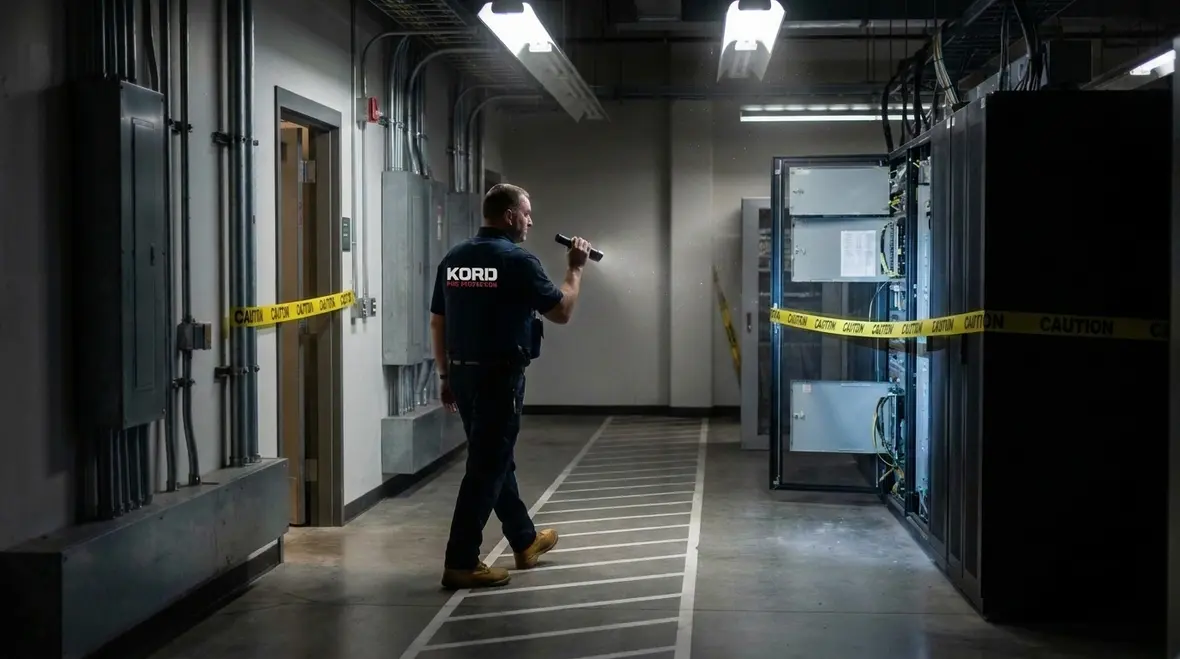
First, the team should identify the scope of the impairment. Is the full system offline, or only one zone? Is the control panel still monitoring, or has the site lost full coverage? Clear answers help the facility act fast and avoid guesswork. And guesswork, as everyone knows, is a terrible fire safety plan.
Next, the site should notify the right people. This usually includes management, staff in the affected area, contractors, and security teams. In some cases, local responders or monitoring providers may also need notice, depending on the setup and site procedures. Then the facility should apply temporary safeguards. These may include fire watches, restricted hot work, tighter access control, and closer supervision of the affected area.
Finally, the site should restore the system as soon as work ends. The longer a system stays impaired, the greater the risk. That is where a disciplined maintenance partner becomes valuable, especially one that already handles inspection, maintenance, and clean agent system support as part of a larger suppression program. ([kordfire.com](https://kordfire.com/fire-suppression/?utm_source=openai))
A simple flow that keeps the process sane
- Confirm exactly what part of the system is impaired
- Notify everyone who needs to know before work begins
- Add temporary safeguards that match the hazard
- Limit risky activities in the affected area
- Complete the work efficiently
- Verify the system is fully restored before closing the impairment
This sequence is not glamorous, but neither is explaining to leadership why an avoidable risk stayed open longer than necessary. A good impairment flow keeps the job organized, measurable, and much easier to review later.
Why temporary protection matters for active facilities
Many sites run with lean staff, tight production schedules, and critical assets that cannot pause for long. Therefore, a clean agent system outage can affect more than fire safety. It can interrupt operations, delay shipments, create inspection pressure, and raise concern among teams responsible for uptime. A short maintenance job can quickly snowball if no one plans for the loss of protection.
Industrial sites often deal with heat, dust, machinery, and electrical risk. Retail and commercial facilities may face public access issues and higher occupant movement. Because of that mix, impairment procedures help each site stay in control. They also support better decision making when operations cannot stop, even for a lunch break.
Operational risk
The site may lose part of its business continuity if a fire starts during maintenance. That includes downtime, equipment loss, missed production targets, and the kind of disruption that turns one scheduled service call into three emergency meetings.
Safety risk
People and property face greater danger if no temporary measures are in place. The shorter the planning, the greater the chance that hazards, access issues, or poor communication will slip through the cracks.
Where Kord Fire Protection becomes a vital partner
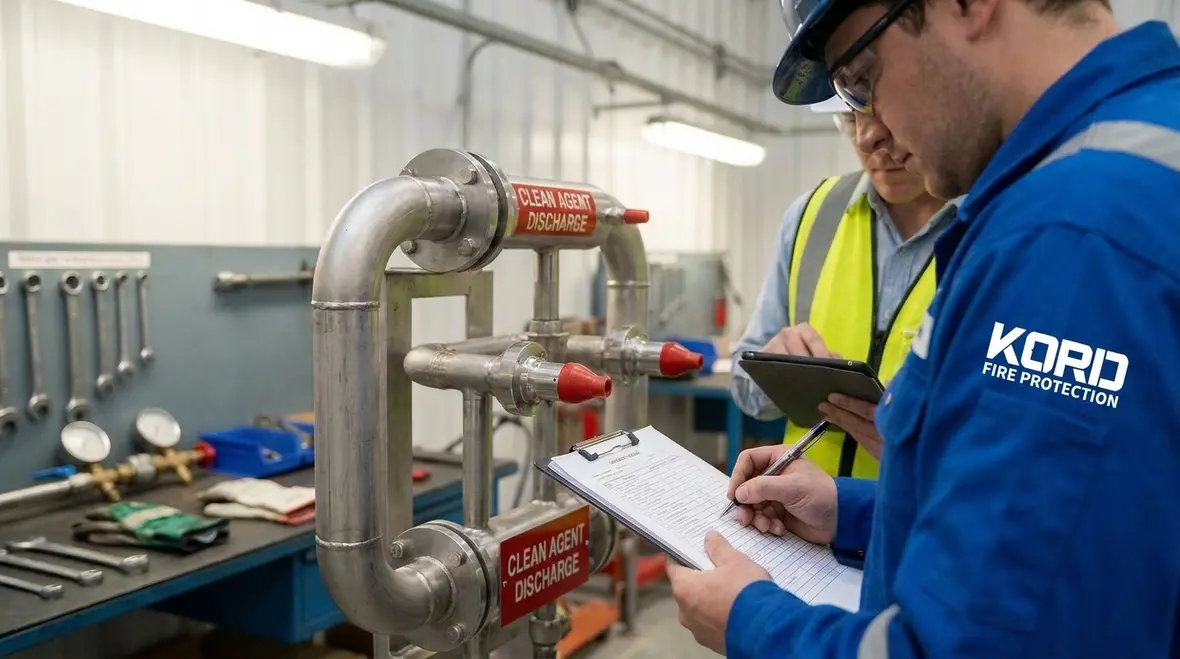
Kord Fire Protection can play a key role in managing this process. A strong partner does more than service equipment. It helps the facility plan the impairment, reduce exposure, and bring the clean agent fire system back online with less friction. That support can include system inspection, scheduled maintenance, impairment planning, coordination with site teams, and clear communication during service work. Kord Fire’s service pages emphasize installation and maintenance support across suppression systems, while its clean agent resources focus on critical environments where water damage is not an acceptable backup plan. ([kordfire.com](https://kordfire.com/fire-suppression/?utm_source=openai))
For many facilities, this is the difference between a controlled maintenance event and a scrambled response that feels like a scene from a bad workplace sitcom. Kord Fire Protection can help the site keep records straight, maintain compliance, and avoid delays that stretch the impairment longer than needed. In a critical environment, that kind of support is not a luxury. It is a practical layer of protection.
When a facility works with an experienced provider, it can also improve planning for future service windows. That means less downtime, fewer surprises, and smoother coordination between operations, safety teams, and contractors. If you want a deeper technical companion piece on design and compliance context, Kord Fire’s NFPA 2001 guidelines for clean agent fire suppression systems makes a useful next read. ([kordfire.com](https://kordfire.com/mission-critical-fire-suppression-with-clean-agent-systems/?utm_source=openai))
What a good impairment plan should include
A solid impairment plan should be clear, short, and easy to follow. It should tell staff what to do before maintenance begins, during the outage, and after the system returns to service. It should also assign responsibility, because “someone should handle it” is not a role, even if it sounds like one.
- A defined start and end time for the impairment
- Notification of all affected personnel
- Temporary fire protection measures
- A fire watch if needed
- Limits on hazardous work during the outage
- A post service check to confirm full operation
- Documentation showing who approved, who was notified, and when the system returned to service
When these parts work together, the site gains better control and lower risk. More importantly, the facility stays ready to respond if an issue arises while the system is offline.
Documentation is not the boring part
Good records do more than satisfy a file cabinet. They help supervisors confirm the impairment was managed properly, support inspection readiness, and give the next maintenance team a cleaner starting point. Documentation also settles the classic workplace mystery of who knew what and when, which is surprisingly useful when everyone suddenly develops selective memory.
Common mistakes that raise risk
Many facilities do the hard part well, then slip on the small details. For example, some sites fail to tell every affected team member. Others leave the impairment open longer than needed because no one owns the follow up. In some cases, staff assume a system is back in service without a final check. That is the safety version of “I thought someone else pressed send.”
Another common issue is weak documentation. Without a clear record, teams may struggle to show what happened, who was notified, and when the system returned to service. Good records support compliance and make future maintenance smoother.
Watch for these avoidable missteps
- Starting work before the notification chain is complete
- Leaving hot work controls too loose during the impairment
- Assuming partial monitoring equals full protection
- Failing to assign one person to close out the impairment
- Skipping the final confirmation test or status check
FAQ
Keeping protection strong after the job is done
NFPA 2001 Section 12.1 reminds facilities that maintenance does not erase risk. It simply changes how that risk must be managed. With the right plan, clean agent systems can be serviced without exposing people, property, or operations to avoidable danger. NFPA 2001 impairment procedures clean agent fire systems provide a practical path to safer maintenance, and they work best when the facility treats the impairment as a serious operational condition rather than a background task.
With Kord Fire Protection beside the team, that path becomes easier to follow and far less stressful. Need a reliable partner for maintenance and impairment support? Talk with Kord Fire Protection to help keep your clean agent system safe, compliant, and ready when it matters most. If you are evaluating next steps, the most natural service path is through Kord Fire’s fire suppression services or its focused clean agent protection support for critical rooms. ([kordfire.com](https://kordfire.com/fire-suppression/?utm_source=openai))

Join Our Newsletter!
Get the latest fire safety tips delivered straight to your inbox From our Newsletter.



