NFPA 2001 Section 7.2 Hazard Classification for Clean Agent
Quick Answer: NFPA 2001 Section 7.2 helps define whether a room, plant, or storage area can safely use clean agent total flooding protection. It checks the hazard, the fuel, and the room conditions before design begins. For industrial, retail, and commercial sites, Kord Fire Protection can guide the process, reduce risk, and keep the system fit for purpose.
When a site needs fast fire suppression without water damage, NFPA 2001 hazard classification clean agent fire systems often come into the picture. These systems suit critical areas like switch rooms, data rooms, control spaces, archives, and high value equipment zones. However, the magic is not in the agent alone. It starts with the hazard classification, because Section 7.2 of NFPA 2001 sets the stage for safe total flooding design. In plain terms, the standard asks a simple but important question: what exactly is being protected, and what can go wrong if fire starts there?
For businesses that need a complete suppression strategy, Kord Fire Protection’s fire suppression services offer a natural starting point before the finer points of clean agent design come into focus. That broader service path matters because a poor classification can lead to weak protection, false confidence, or a system that never performs as planned. That is where Kord Fire Protection becomes a vital partner. With the right review, design support, and installation approach, they help businesses match the hazard to the system, rather than hoping for the best and crossing fingers like a movie extra in a disaster scene.
What Section 7.2 Means in Practice
Section 7.2 focuses on hazard classification for clean agent total flooding applications. In simple terms, it helps determine whether the protected space has a low, ordinary, or high fire risk profile. The classification guides the amount of agent, the system design approach, and the needed enclosure integrity. As a result, the system can reach the right concentration fast enough to suppress fire before major damage spreads.
It also helps designers avoid one of the oldest mistakes in fire protection: treating every room like it belongs in the same category. A server room, a cable vault, and a warehouse plant space may all need clean agent protection, yet each one behaves differently under fire conditions. Therefore, the hazard class must match the actual use, layout, and fuel load of the area.
The basic question behind the rule
Before anyone sizes cylinders, draws pipe routes, or talks about discharge times, the protected hazard has to make sense on paper and in the real world. That means looking at the combustibles in the room, the way equipment is arranged, the ignition sources, the airflow, and whether the enclosure can realistically support total flooding. Put another way, Section 7.2 is the part that stops a project from making a dramatic entrance and then forgetting the plot.
If a room contains mostly energized electrical equipment and limited ordinary combustibles, the design logic may differ from a space with mixed storage, heavier packaging, more ventilation losses, or a larger fuel contribution from process equipment. This is why hazard classification is not clerical filler. It is the backbone of whether the clean agent strategy can actually perform.
How Hazard Classification Shapes the Design
Hazard classification affects almost every part of the system. First, it influences the agent concentration needed to protect the space. Next, it affects room sealing needs, since clean agents depend on holding gas long enough to work. It also shapes pipe sizing, nozzle placement, detection strategy, and discharge timing.
Here is the practical logic. If the room leaks too much air, the agent escapes before it can do its job. If the fuel load is higher than expected, the required concentration may rise. And if the system design does not reflect the real hazard, the result may look good on paper but fail when life gets interesting. Fire, after all, does not care about paperwork.
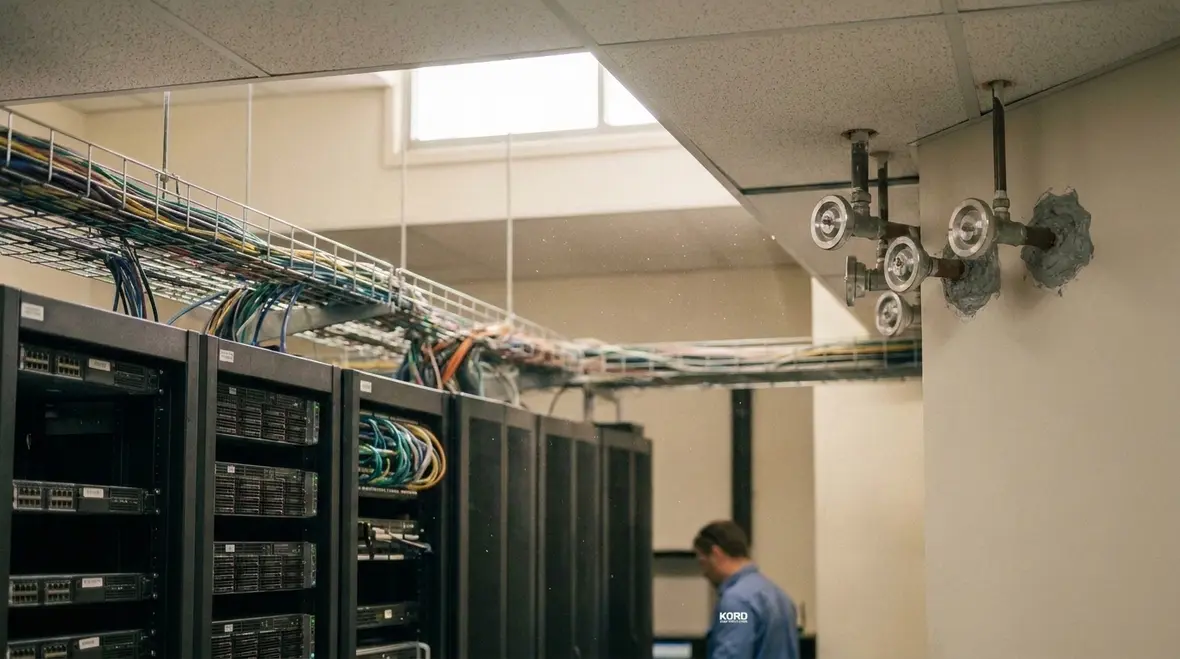
Hazard Review
Check the fuel type, room size, ventilation, and likely fire source before design begins. Review the occupancy, critical equipment, and how the room is used day to day, not just how it appears on a plan sheet.
System Outcome
Match the clean agent system to the hazard so it delivers the right concentration and hold time. The goal is a system that works in the real room, under real conditions, with no theatrical surprises.
Why this matters before equipment is ordered
Many clean agent issues do not start with the hardware. They start earlier, when the room gets labeled too casually, assumptions slip into the design, or ventilation and leakage are treated like background noise. By the time the cylinders arrive, the expensive part has already begun. A sound hazard classification helps prevent change orders, redesigns, and awkward meetings where everyone suddenly becomes very interested in who approved what.
It also supports coordination with detection, shutdown interfaces, alarms, and enclosure work. A clean agent system does not live alone in a vacuum. It depends on several related pieces behaving properly together. When the hazard is defined correctly at the start, the rest of the design has a much better chance of staying aligned.
Where Clean Agent Total Flooding Fits Best
NFPA 2001 hazard classification clean agent fire systems work best in enclosed spaces where water could damage assets or where fast suppression is essential. Common applications across industrial, retail, and commercial sites include:
Electrical switch rooms
Data and communications rooms
Control rooms and monitoring spaces
Archive and records rooms
Museum and display storage areas
Specialist plant and equipment enclosures
These spaces often house expensive gear, sensitive stock, or business critical operations. Therefore, the goal is not only to stop fire. It is also to protect uptime, reduce loss, and avoid the chaos that comes from extended shutdowns. Nobody wants a small fire turning into a corporate drama with an invoice attached.
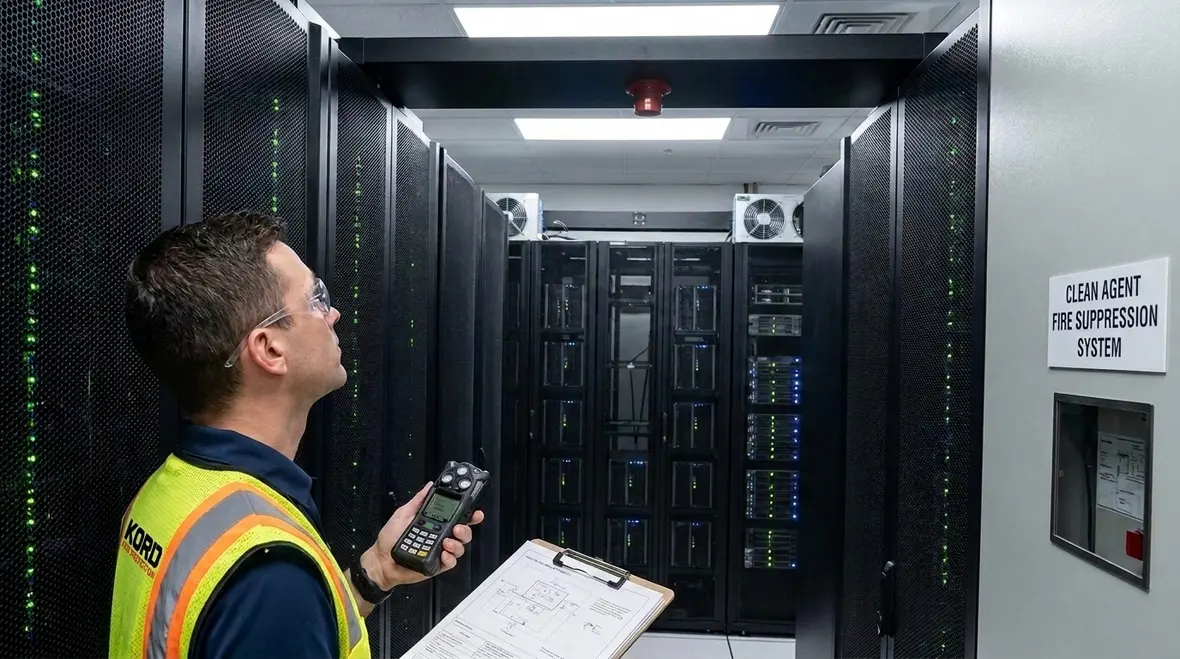
If you are comparing room types or trying to connect code language with real applications, Kord Fire Protection’s article on clean agent fire suppression for server rooms gives a useful example of how these systems fit sensitive environments. For a broader technical reference, it also makes sense to review NFPA 2001 guidelines for clean agent fire suppression systems when planning a design path that needs to stay practical as well as code aware.
Why Room Integrity Matters So Much
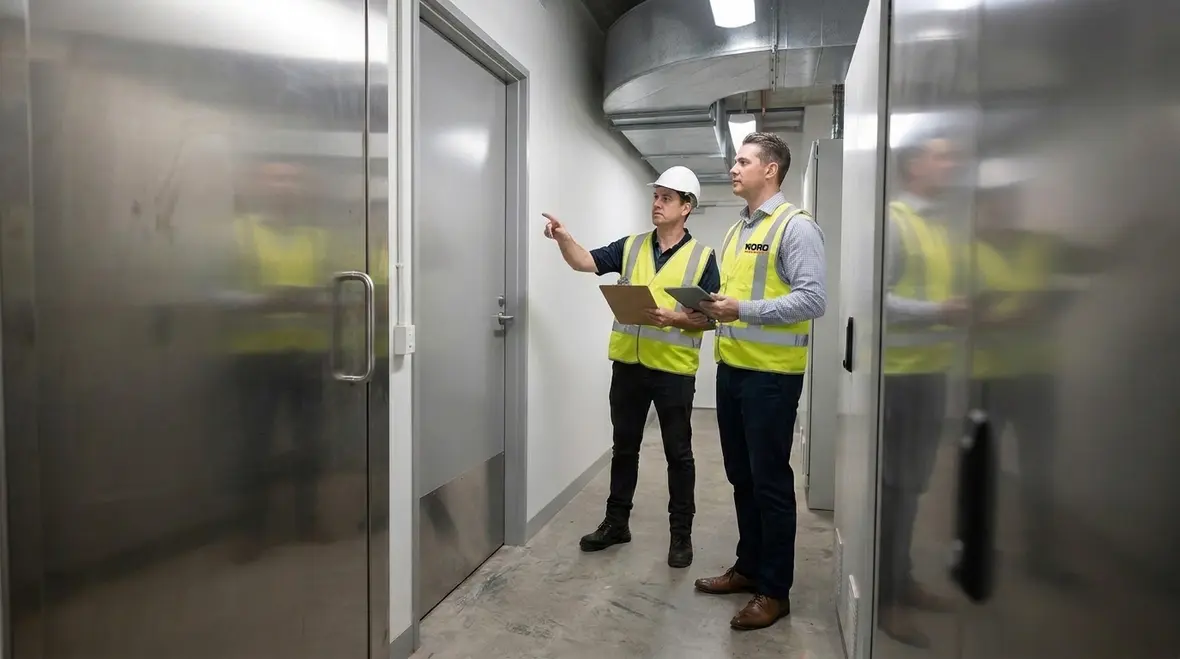
Even the best clean agent system cannot perform well in a leaky space. That is why room integrity testing and enclosure checks matter so much under NFPA 2001 hazard classification clean agent fire systems. The agent must remain in the protected zone long enough to suppress the fire and prevent re ignition.
In many cases, the room itself becomes part of the protection strategy. Doors, vents, cable openings, ceiling gaps, and service penetrations all need attention. Moreover, older sites often have hidden leakage points that look harmless until a discharge test or enclosure review exposes them. At that point, the room tells the truth like an unscripted courtroom scene.
The enclosure is part of the system
This point gets overlooked more often than it should. People tend to picture the cylinders, valves, pipe, and nozzles as the system, but the enclosure is just as important in a total flooding application. If the room cannot hold concentration, the rest of the hardware has been asked to perform a trick with no stage beneath it.
That is why Kord Fire Protection’s discussion of clean agent suppression system and room integrity testing fits so naturally into the conversation. It reinforces the practical truth that enclosure performance is not a side note. It is part of whether the design stands up when the hazard becomes real.
How Kord Fire Protection Supports the Job
Kord Fire Protection can become a vital partner because clean agent projects need more than equipment supply. They need site review, hazard assessment, compliance knowledge, system design, and practical installation. Furthermore, Kord can help businesses align the hazard classification with real site conditions, which reduces design error and improves system performance.
Reviewing the protected area and its use
Helping classify the hazard under NFPA 2001
Designing the clean agent system for the space
Checking enclosure integrity and room sealing needs
Coordinating installation, testing, and commissioning
Supporting ongoing inspection and maintenance
Because they understand the full picture, Kord helps avoid costly rework and delays. That matters for facilities that cannot afford long shutdowns or guesswork. In other words, they help turn a technical standard into a practical fire protection plan that actually works when the alarm sounds.
A strong partner also helps translate technical language into decisions that operations teams, facility managers, and ownership can actually act on. That bridge matters more than people think. Standards can be precise, but projects still live or die by communication, coordination, and whether the details survive contact with the building.
Why the Right Partner Matters
Industrial, retail, and commercial sites face different risks, from electrical faults to stock loss to critical system failure. Therefore, clean agent fire protection must suit the site, the use, and the operating environment. A strong partner understands those pressures and builds protection around them.
That is why Kord Fire Protection stands out as a useful ally for businesses that need dependable clean agent solutions. They bring clarity to a standard that can feel dense, and they help sites move from theory to action. As a result, businesses get a system built for the real world, not the wishful one.
Conclusion
NFPA 2001 hazard classification clean agent fire systems work best when the hazard is understood from the start. That means careful review, smart design, and solid execution. When classification is handled correctly, the clean agent system has a much better chance of delivering the concentration, hold time, and performance the space actually needs.
Kord Fire Protection can guide the process, reduce risk, and help deliver a system built for the space, the asset, and the job at hand. For businesses that want protection without guesswork, the next step is clear: speak with Kord Fire Protection.
FAQ

Join Our Newsletter!
Get the latest fire safety tips delivered straight to your inbox From our Newsletter.