NFPA 2001 Section 7.3 Enclosure Design for Total Flooding
Quick Answer
NFPA 2001 Section 7.3 sets the enclosure design rules that help a clean agent fire system do its job properly. In simple terms, the room must hold the agent long enough to suppress fire fast and evenly. That is where careful design, testing, and a skilled partner like Kord Fire Protection make all the difference.
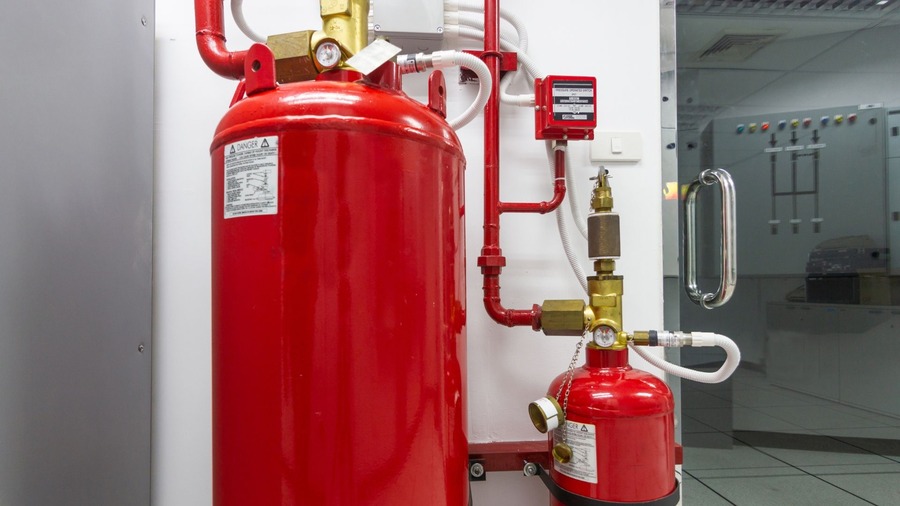
In NFPA 2001 enclosure design total flooding clean agent systems, the room is not just a box with walls. It is part of the fire protection plan. NFPA 2001 Section 7.3 explains how the enclosure must be built, sealed, and checked so the clean agent can fill the space and stay there long enough to work. If the enclosure leaks too much, the system may lose pressure and fire control may suffer. For facilities looking at a broader protection strategy, Kord Fire Protection also provides clean agent fire suppression services that fit naturally alongside enclosure planning and performance checks. ([kordfire.com](https://kordfire.com/mission-critical-fire-suppression-with-clean-agent-systems/?utm_source=openai))
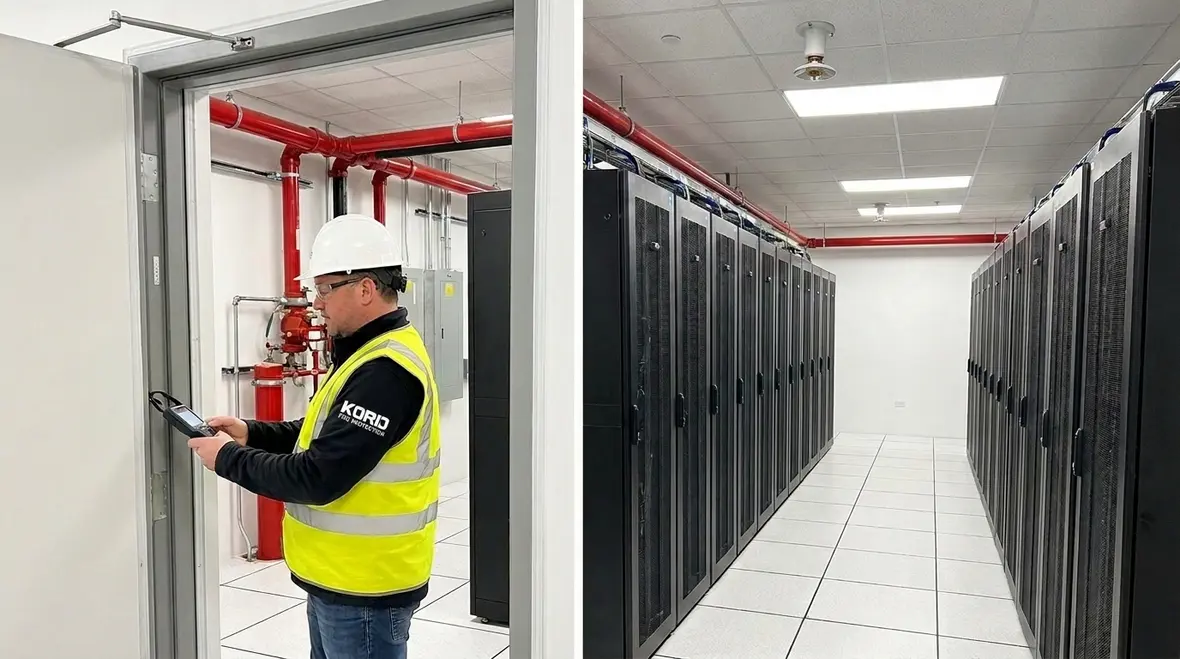
This is where the details start to matter. Doors, vents, cable openings, ceilings, floors, and even tiny gaps can affect performance. As a result, the design must match the hazard, the room size, and the agent type. Kord Fire Protection can become a vital partner in this service because it helps plan, install, test, and maintain systems that meet the standard and support real world protection. ([kordfire.com](https://kordfire.com/room-integrity-testing-for-clean-agent-readiness/?utm_source=openai))
What NFPA 2001 Section 7.3 Requires
Section 7.3 focuses on enclosure integrity. In plain language, the protected area must be tight enough to keep the agent concentration at the right level for the needed time. Therefore, the design should support total flooding, which means the clean agent spreads through the entire space instead of only one spot.
The rule does not ask for magic. It asks for control. The enclosure must limit leakage and hold the agent long enough for the fire risk to be reduced. In addition, the design must consider pressure effects during discharge, since a system can push air out of weak points faster than a villain escapes a Marvel movie.
Why the enclosure is part of the system
A clean agent system can only protect what the room can contain. That idea shows up repeatedly in Kord Fire Protection’s related guidance on room integrity testing, leakage paths, and clean agent readiness. In other words, the enclosure is not a side issue. It is one of the main reasons the discharge either performs as intended or quietly underperforms when nobody has time for surprises. ([kordfire.com](https://kordfire.com/room-integrity-testing-for-clean-agent-readiness/?utm_source=openai))
How Enclosure Design Affects Clean Agent Performance
A clean agent system works best when the room behaves like a sealed protection zone. However, many sites have doors that open often, poorly sealed penetrations, and ventilation paths that work against the system. Because of that, enclosure design becomes a core part of fire protection planning, not an afterthought.
- Agent retention for the needed hold time
- Even distribution across the protected area
- Reduced risk of loss through leakage
- Better system reliability during a fire event
For sensitive equipment rooms, electrical rooms, archives, server spaces, and other high value environments, water damage can be the annoying sequel nobody asked for. Kord Fire Protection’s clean agent resources consistently position enclosure integrity as a practical requirement for keeping residue free suppression effective in these spaces. ([kordfire.com](https://kordfire.com/clean-agent-fire-suppression-for-electrical-rooms/?utm_source=openai))
Hidden weak points that affect hold time
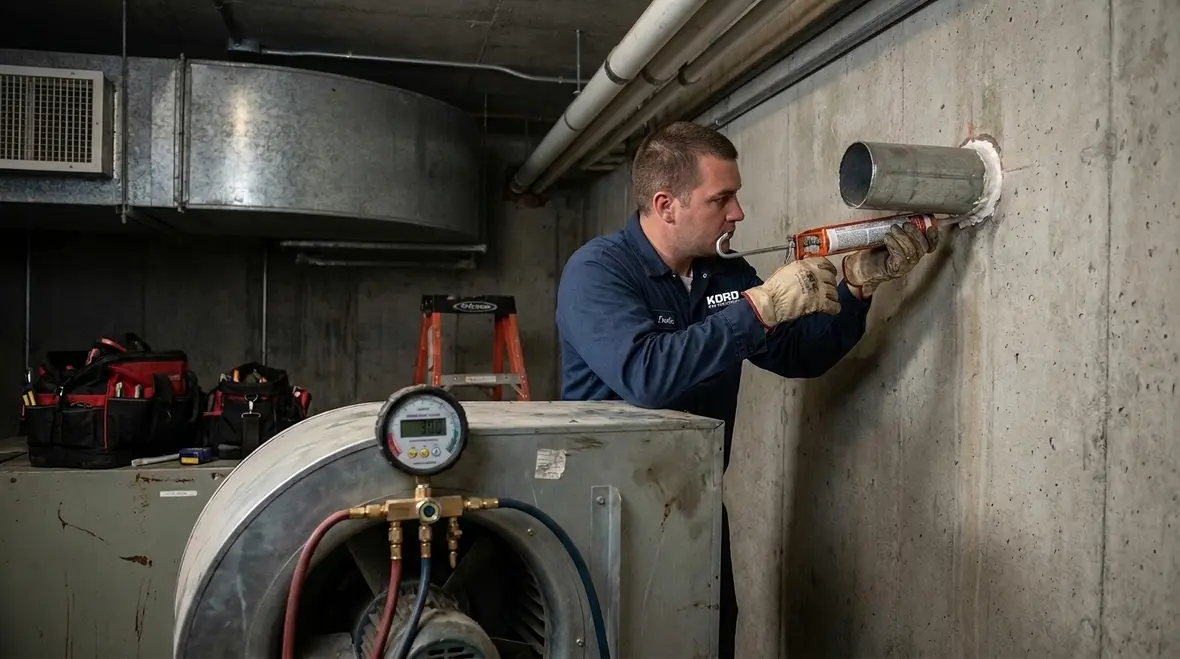
Many leakage problems are not dramatic. They hide around cable penetrations, door thresholds, wall joints, above ceilings, and HVAC tie ins. A room can look tidy and still leak exactly where nobody wants to crawl back and inspect. That is why visual checks alone are rarely enough, and why test data matters so much during commissioning and later maintenance. ([kordfire.com](https://kordfire.com/room-integrity-testing-for-clean-agent-readiness/?utm_source=openai))
Dual View of Enclosure Checks and Site Needs
Below is a simple way to look at the two sides of the job.
| Site condition | Design response |
|---|---|
| Loose cable openings | Seal and test penetrations |
| Frequent door movement | Control access and improve closure |
| Ventilation points | Review airflow and shutoff behavior |
| Large equipment loads | Confirm room volume and discharge needs |
| Old building fabric | Upgrade weak points before installation |
This kind of review helps the system match the space instead of forcing the space to fit the system. That is the real game.
Where site reviews pay off
A solid site review also helps teams coordinate enclosure performance with HVAC behavior, hardware layout, and maintenance access. Kord Fire Protection’s room integrity and clean agent articles repeatedly point back to this practical alignment, because even a well selected suppression system can get tripped up if the room has changed since the original design assumptions were made. ([kordfire.com](https://kordfire.com/room-integrity-testing-for-clean-agent-readiness/?utm_source=openai))
Why Testing and Sealing Matter
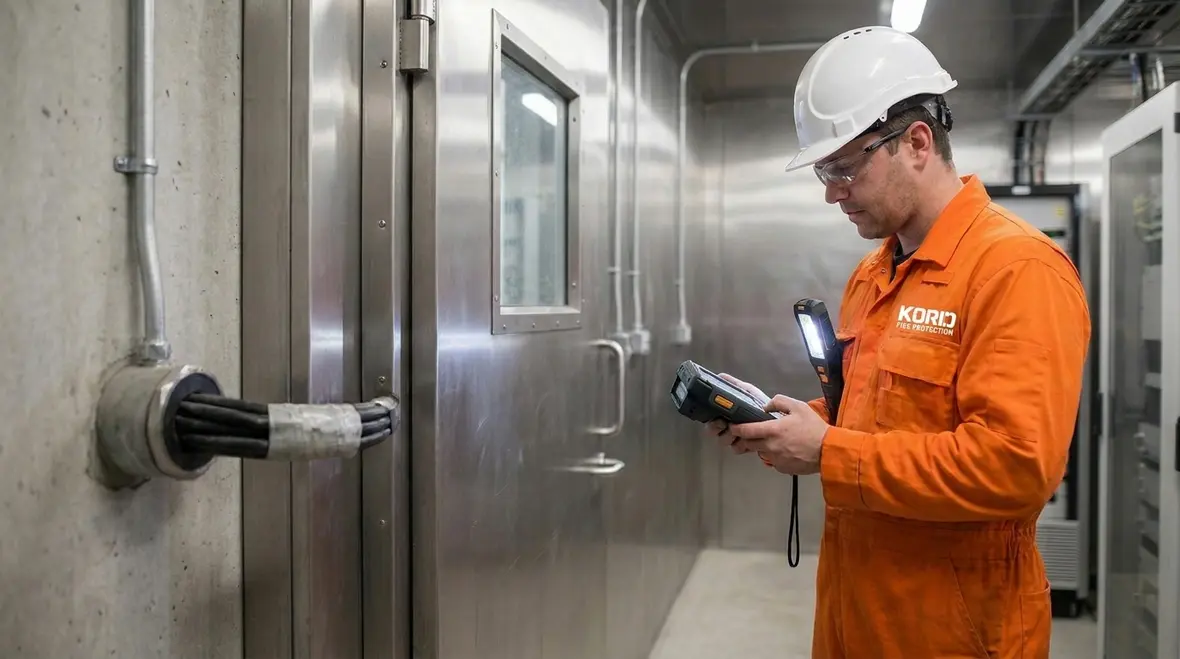
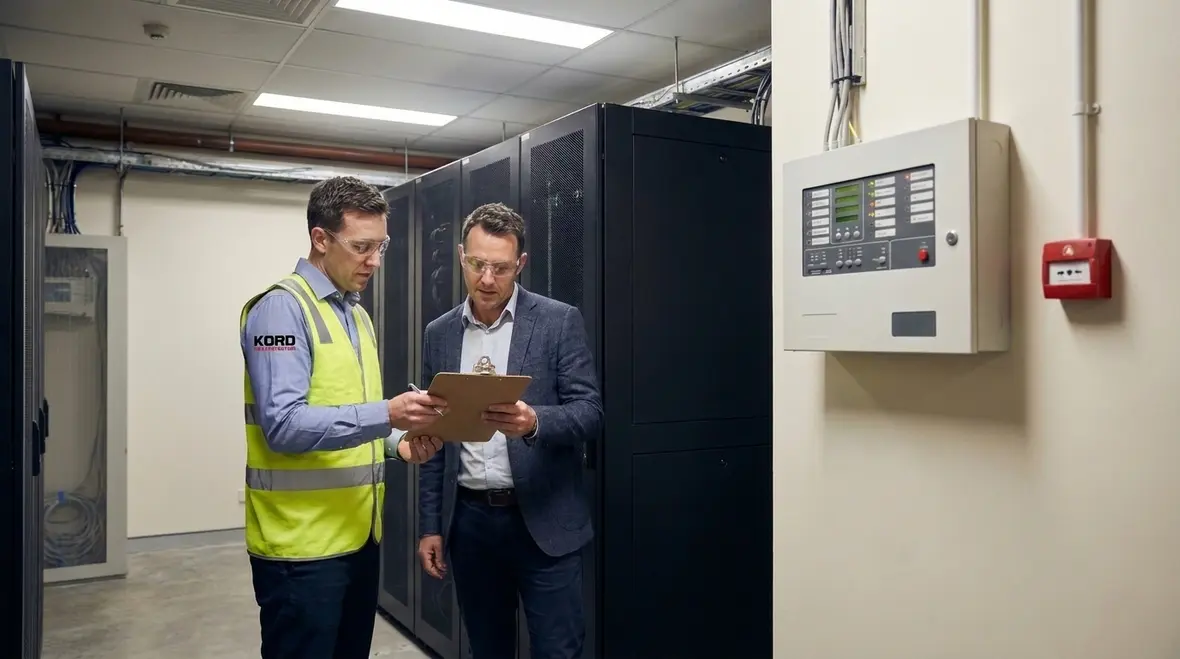
NFPA 2001 Section 7.3 expects the enclosure to be checked, not guessed at. Therefore, room integrity testing plays a major role. If the room leaks too much, the clean agent can escape before it finishes the job. In turn, the system may not keep the needed concentration long enough.
Sealing work often includes gaps around pipes, ducts, trays, joints, and doors. Moreover, the project team may need to review pressure relief needs so the enclosure does not take a hit during discharge. A clean agent system should protect the asset, not bully the building into submission.
Testing supports compliance and real performance
Kord Fire Protection’s recent material on door fan testing, room integrity testing, and common clean agent deficiencies all point to the same thing: enclosures drift over time. New cable runs get added, seals wear down, and modifications happen one Friday afternoon at a time. Testing gives facilities a repeatable way to verify that the room still supports the original clean agent intent instead of relying on crossed fingers and hopeful silence. ([kordfire.com](https://kordfire.com/room-integrity-testing-for-clean-agent-readiness/?utm_source=openai))
How Kord Fire Protection Supports the Job
Kord Fire Protection can become a vital partner because enclosure design is not just a product supply task. It is a full service job that needs planning, compliance knowledge, and hands on experience. From the first site review to final testing, Kord Fire Protection can help make sure the NFPA 2001 enclosure design total flooding clean agent system performs as intended. For readers wanting a deeper technical companion piece, Kord Fire also covers NFPA 2001 guidelines for clean agent fire suppression systems in a related article. ([kordfire.com](https://kordfire.com/room-integrity-testing-for-clean-agent-readiness/?utm_source=openai))
- Site assessment and hazard review
- Enclosure sealing advice
- Coordination with building and HVAC needs
- Room integrity testing support
- System design and installation guidance
- Ongoing maintenance and inspection planning
For busy commercial and industrial sites, that kind of support saves time, reduces risk, and keeps the protection strategy clear. In short, Kord Fire Protection helps turn a code requirement into a working safety solution. ([kordfire.com](https://kordfire.com/?utm_source=openai))
What Facilities Should Watch For Over Time
Sites often face the same hidden problems. Buildings change over time. New cabling gets added. Doors wear out. HVAC layouts shift. As a result, a room that once met design goals may no longer hold clean agent well.
- New service penetrations
- Damaged seals or door sweeps
- Changes in room use
- Ventilation upgrades
- Moved equipment or altered storage layouts
Because of this, enclosure design should not sit on a shelf after commissioning. It should stay part of the site’s regular fire protection review. That is how systems stay ready when they are needed most. Kord Fire’s recent maintenance and deficiency articles reinforce this point by tying enclosure integrity to inspection habits, documentation, and repeatable service planning. ([kordfire.com](https://kordfire.com/common-clean-agent-fire-suppression-system-deficiencies/?utm_source=openai))
FAQ
Conclusion
NFPA 2001 Section 7.3 is the quiet backbone of reliable clean agent protection. When the enclosure is designed well, the system can do its work fast and cleanly. A tight room supports concentration, hold time, and more predictable discharge behavior. That sounds technical because it is, but the payoff is simple: better fire protection with less guesswork and fewer nasty surprises.
For commercial, industrial, and facility environments, Kord Fire Protection can help make that happen with skill, care, and practical support. Its related clean agent, room integrity, and testing resources all point in the same direction: the enclosure matters every bit as much as the hardware. A strong enclosure today can prevent a very bad day tomorrow. ([kordfire.com](https://kordfire.com/room-integrity-testing-for-clean-agent-readiness/?utm_source=openai))

Join Our Newsletter!
Get the latest fire safety tips delivered straight to your inbox From our Newsletter.