NFPA 2001 Section 7.1 Clean Agent Total Flooding Systems
Quick Answer: NFPA 2001 Section 7.1 sets the base rules for total flooding clean agent systems, from design goals to safe installation and room tightness. For industrial, retail, and commercial sites across Australia, it helps protect high value assets fast. Kord Fire Protection can guide design, delivery, testing, and support with calm, expert precision.
When a site must protect vital assets without soaking them in water, NFPA 2001 total flooding systems clean agent fire suppression becomes a smart choice. It suits data rooms, switch rooms, control areas, archives, and other spaces where downtime can cost real money. In plain terms, it fights fire fast while helping keep equipment safe. That is the kind of quiet hero work most people only notice when something goes wrong. And frankly, that is how good protection should behave.
Section 7.1 of NFPA 2001 matters because it shapes how a total flooding system gets designed and installed. It does not merely ask for equipment on a wall. Instead, it asks whether the room can hold the agent long enough, whether the hazard is defined correctly, and whether the full setup can perform as intended. For Australian industrial and commercial sites, that level of detail can make the difference between a contained event and a costly shutdown.
If your facility is reviewing protection for sensitive spaces, a dedicated clean agent fire suppression service can help connect the code language to a real system plan that fits the room, the assets, and the day to day operation.
What a total flooding system actually does
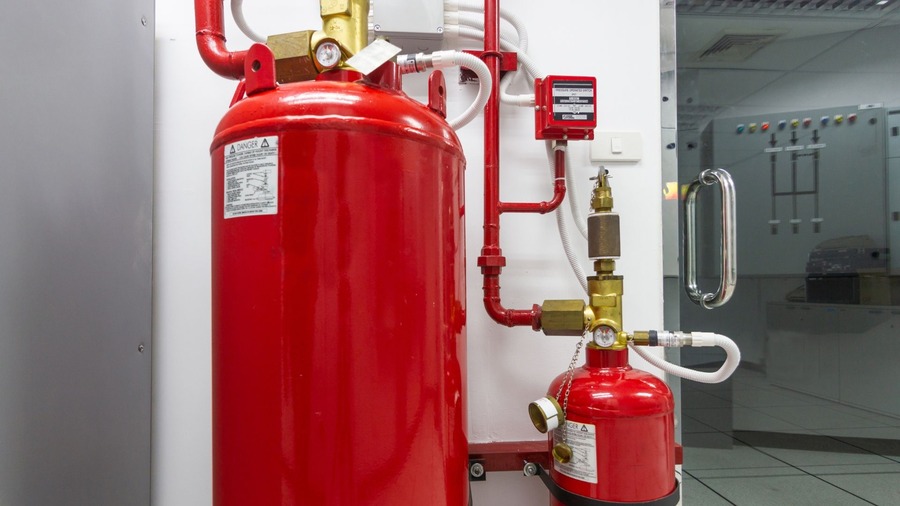
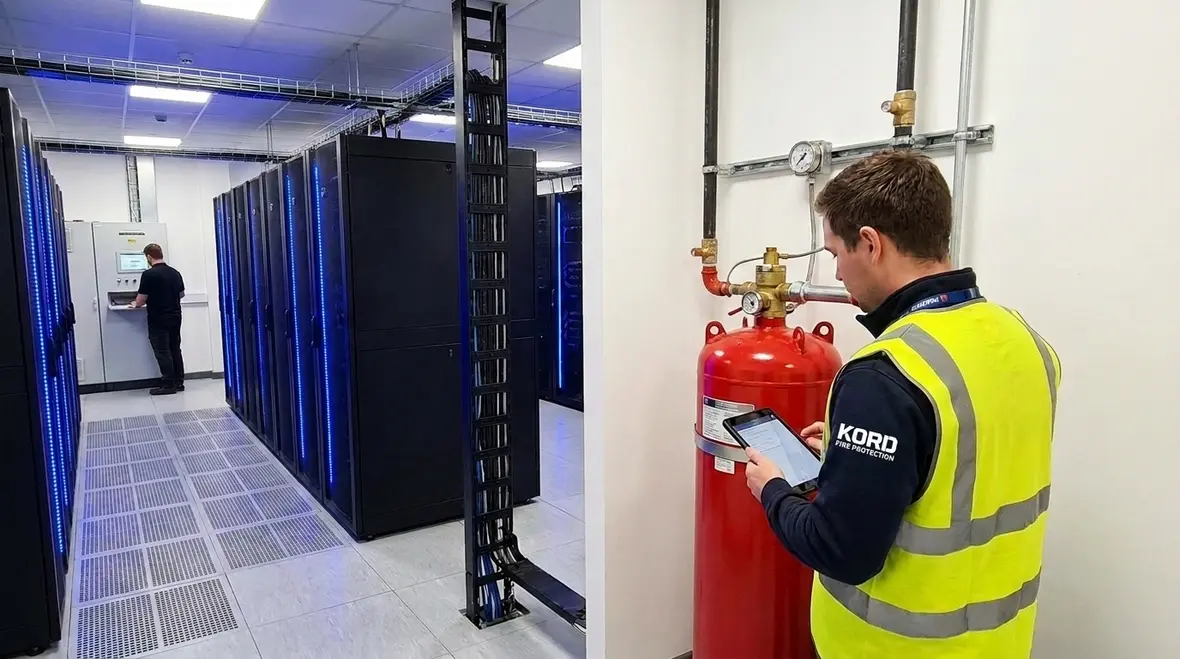
A total flooding system fills an enclosed space with a clean agent so the agent reaches the fire at once. Rather than spraying only one spot, it covers the whole room. As a result, the system protects hard to reach areas where flames can hide like a bad plot twist in a mystery series. It works best where the room can be sealed and the contents need protection from water damage or residue.
Common spaces these systems protect
- Server rooms
- Electrical switchrooms
- Control rooms
- Laboratories
- Archives and storage rooms
How NFPA 2001 Section 7.1 shapes system design
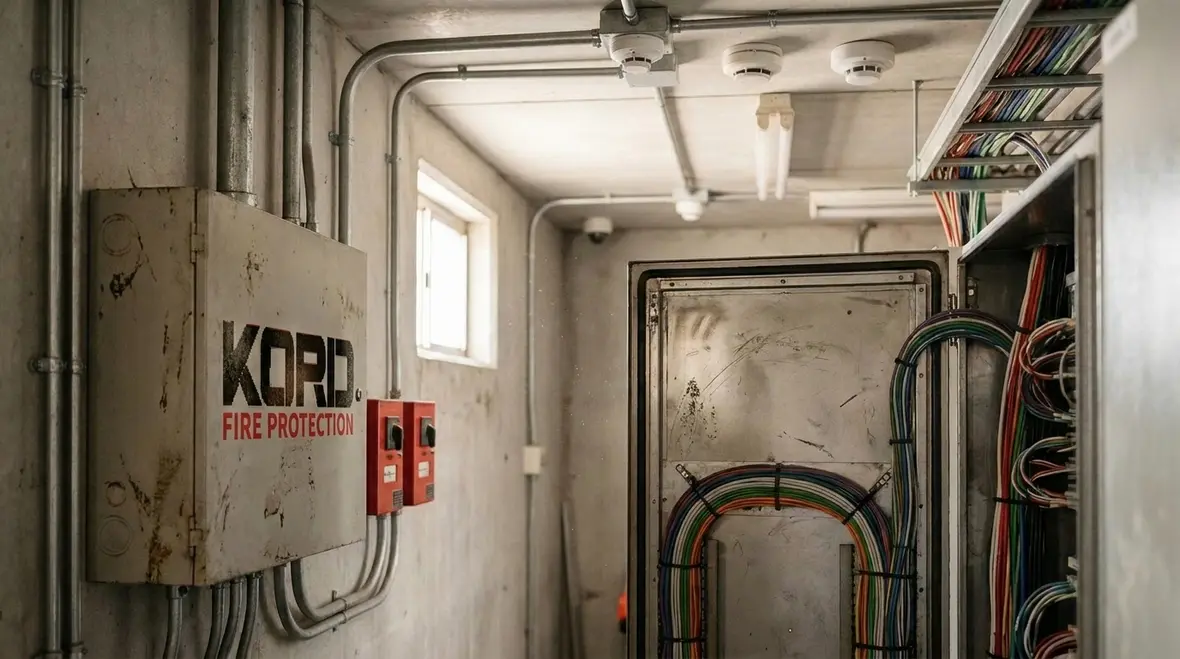
Section 7.1 focuses on the basics of proper design. First, the protected space must be defined with care. Next, the designer must confirm the room can hold the agent at the right concentration for the required time. In addition, the system must suit the hazard, the room size, and the agent type. That may sound simple, yet the details matter a great deal.
Core design checks that do the heavy lifting
- Room volume and layout
- Openings, vents, and leakage points
- Occupancy level and escape time
- Hazard type and fuel load
- Agent storage and discharge method
Therefore, a proper design does more than meet a rule. It supports safe performance under pressure. That is the whole point. The fire does not care about theory, and neither should the protection plan.
For a deeper code focused read, Kord Fire also covers NFPA 2001 guidelines for clean agent fire suppression systems, which pairs naturally with this section when teams need more context before moving into design or retrofit decisions.
What a site needs before installation
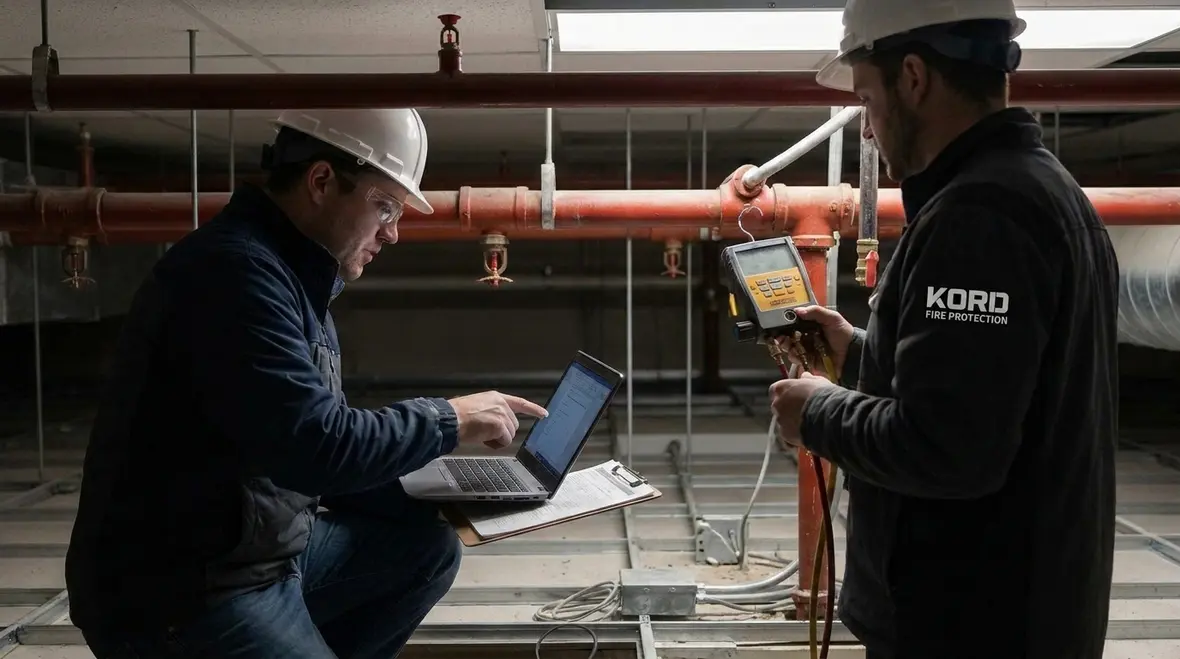
Before installation starts, the site should complete a full survey. This step confirms whether the room can support NFPA 2001 total flooding systems clean agent fire suppression as intended. Moreover, it helps avoid the classic mistake of trying to fit the right system into the wrong room. Even the best agent cannot save a leaky space that behaves like a sieve with ambition.
Pre installation review points worth taking seriously
- The enclosure is suitable for total flooding
- Doors, dampers, and openings can be controlled
- Electrical and mechanical shutdowns are planned
- Staff can evacuate before discharge
- Warning signs and controls are in the right place
In Australia, this step is especially important across warehouses, manufacturing plants, commercial buildings, and retail sites where room conditions can change often. A site that looked suitable last year may need a fresh review today.
This is also the point where room boundaries, cable penetrations, duct paths, and control logic should stop being assumptions and start being confirmed facts. Otherwise, the job can drift into that awkward territory where everyone thinks someone else checked it. That is not a strategy. That is a group project with expensive consequences.
Design and installation details that matter most
Good installation follows the design without shortcuts. First, the piping and nozzles must match the engineering layout. Then, the control panel, detectors, and alarms must work together as one system. After that, the installer must confirm the agent can discharge properly and reach the needed concentration. In other words, every part must play its role on cue.
Dual view of the job
- Engineering view: the system must meet the required design density, hold time, and room integrity targets.
- Operational view: the site must stay safe for staff, avoid unwanted release, and return to service quickly after an incident.
In practice, this means careful coordination between fire protection teams, builders, electrical staff, and site managers. A strong installer also plans for testing, access, maintenance, and future changes. Because yes, the room will change eventually. Buildings have that habit.
Near installation planning, many facilities also benefit from reviewing the broader fire suppression services available through Kord Fire Protection so the special hazards strategy fits the building’s wider protection setup instead of acting like a lone ranger with a cylinder bank.
Testing, verification, and ongoing care
Once installed, the system needs proof that it works. Therefore, testing should cover alarms, release controls, shutdowns, and room integrity. A room integrity test helps confirm the space can hold the clean agent long enough to do its job. Without that step, even a well built system may lose effectiveness fast.
Ongoing care should include regular inspections and service checks. In addition, any changes to vents, doors, cables, or equipment inside the room should trigger a review. A clean agent system depends on the room staying close to the original design. Otherwise, the system may age like a superhero after three sequels.
What ongoing care should keep an eye on
- Alarm and releasing panel functionality
- Detector condition and coverage
- Cylinder pressure and hardware status
- Room sealing after building changes
- Documentation for inspections and future work
Why Kord Fire Protection can be a vital partner
Kord Fire Protection can become a vital partner because this work demands more than product supply. It needs design support, compliance knowledge, careful installation, and long term service. For Australian industrial, retail, and commercial sites, Kord Fire Protection can help align the system with the real site conditions, not just the drawing board version of them.
What the right partner actually brings to the table
- Site assessment and hazard review
- System design guidance
- Installation coordination
- Testing and commissioning support
- Maintenance and ongoing inspection planning
That kind of support lowers risk, saves time, and helps protect critical operations. And when fire safety meets business continuity, calm expertise is worth its weight in gold.
FAQ
For sites across Australia that need reliable clean agent protection, the right plan should start with a proper survey and end with a system that performs under pressure. Kord Fire Protection can help make that happen with clear advice, strong support, and a practical approach.
When protection must work the first time, expert partnership is not a luxury. It is the plan. And in rooms where downtime hurts, assets matter, and water is the wrong guest, that plan earns its keep very quickly.

Join Our Newsletter!
Get the latest fire safety tips delivered straight to your inbox From our Newsletter.