Commercial Kitchen Fire Safety Upgrades by Kord Fire Protection
Quick Answer: Commercial kitchen fire safety works best as a layered plan: prevention, detection, suppression, staff training, and ongoing inspection. With the right Commercial kitchen fire safety upgrades, businesses reduce downtime and risk. Kord Fire Protection can then coordinate the full system approach, from audits to maintenance, so compliance becomes routine, not a yearly panic.
In a commercial kitchen, flames do not politely knock before they enter. They arrive fast, fueled by grease, heat, and human habits that look great in a training video but fall apart at dinner rush. That is exactly why Commercial kitchen fire safety upgrades matter. When facilities invest in the right upgrades, they improve protection for hoods, ductwork, cooking appliances, and evacuation routes. However, upgrades alone do not guarantee safety. Instead, the most effective approach blends smart engineering, clear procedures, and reliable servicing. And this is where Kord Fire Protection becomes a vital partner, because fire systems work only when they stay ready, clean, and compliant.
For kitchens that need a system built around active cooking hazards, commercial kitchen fire suppression system services fit naturally into the upgrade plan once owners start reviewing hood coverage, duct risk, and response speed.
Why commercial kitchen risk grows during normal operations
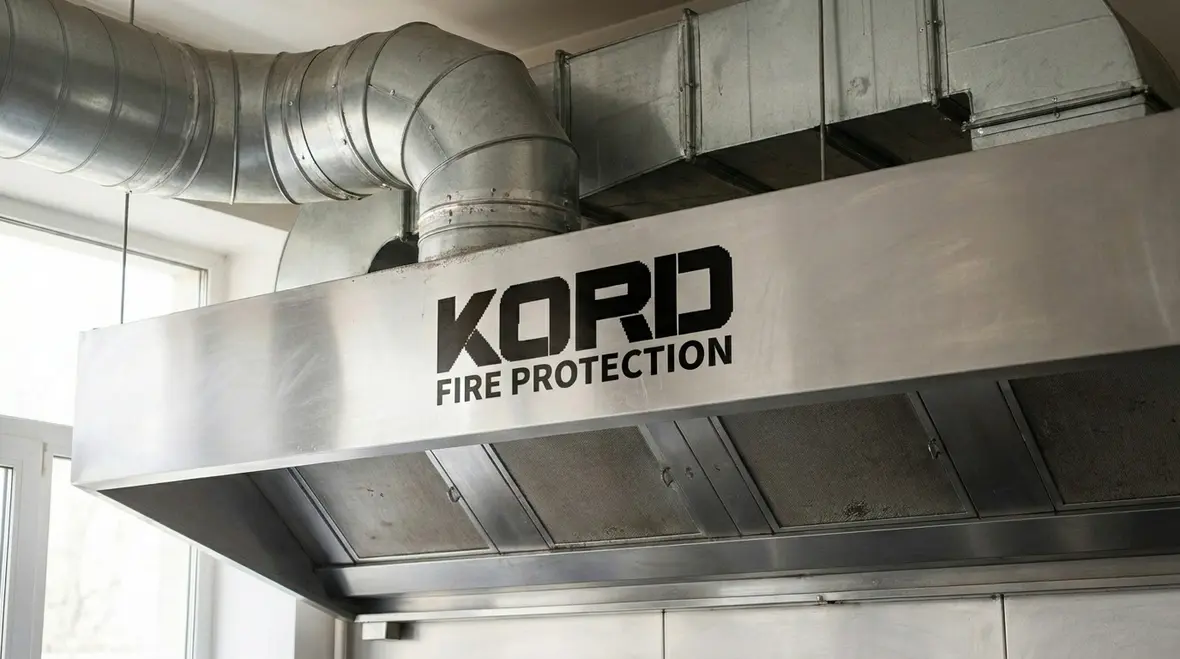
Commercial kitchens create a perfect storm. Heat sources run all day, oils and fats accumulate in hidden places, and cleaning routines compete with production schedules. As a result, risk increases in places that teams rarely see: inside hood duct runs, around fan housings, and near cooking lines where small spills happen and get wiped quickly. Yet that quick wipe can push grease deeper into surfaces, and grease acts like fuel once ignition occurs.
At the same time, many kitchens rely on equipment that cycles constantly: fryers, grills, salamanders, ovens, and salamander broilers. When someone changes staff shifts or adjusts workflows, small differences become big factors. In other words, the kitchen does not start each day from zero. It starts from last night’s residue and this morning’s rush.
The hidden issue is that normal feels safe
That is what makes kitchen fire risk so sneaky. Nobody panics when the grill is hot because the grill is always hot. Nobody gasps at a bit of vapor in the hood because the hood sees that all day. The danger grows inside familiar routines, which is why good protection plans focus on what the staff cannot easily see during service. Fire safety in a kitchen is rarely about one dramatic mistake. More often, it is a pileup of tiny ordinary conditions that finally decide to become memorable in the worst possible way.
What the best Commercial kitchen fire safety upgrades target first
When a facility chooses Commercial kitchen fire safety upgrades, the best programs focus on the parts of the fire chain that you can control. First, they address ignition sources and fuel loads. Second, they improve the speed and reliability of detection. Third, they ensure suppression works as designed when a real fire happens.
- Grease control and hood performance: better capture of smoke and vapours reduces residue build up.
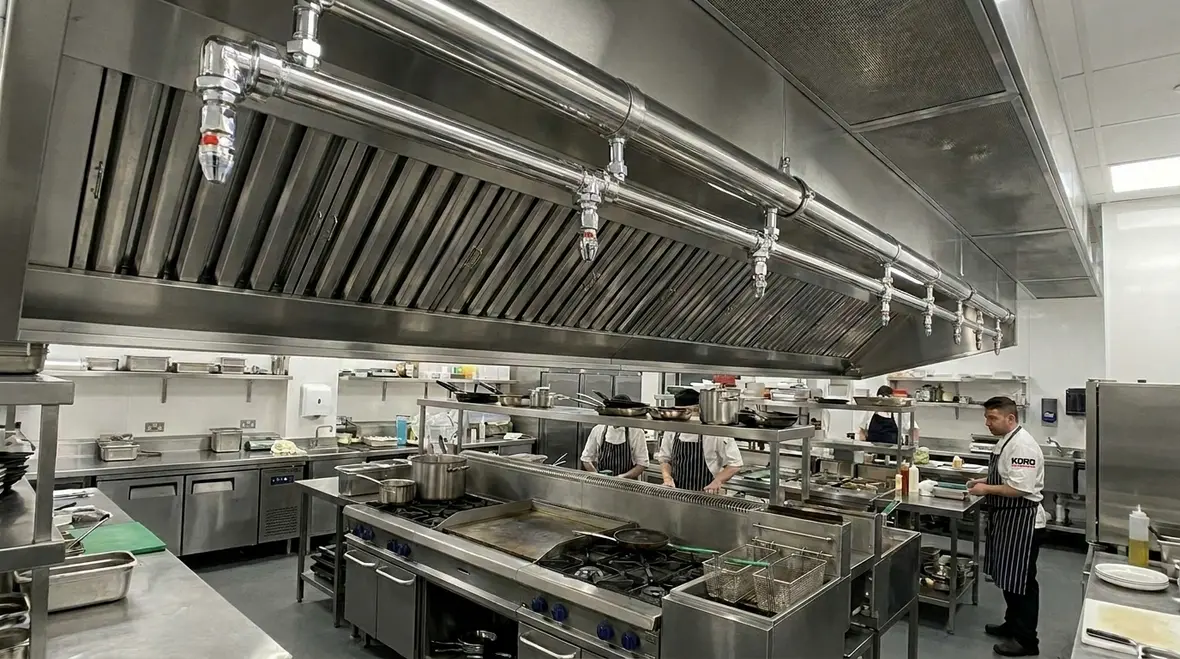
- Fire suppression in the hood: properly designed systems protect the cooking canopy and duct interface.
- Electrical and equipment safety: correct installation and protection helps prevent overheating events.
- Detection and alarm integration: a kitchen must alert people in a way that triggers the right response fast.
These steps cut risk before it becomes chaos. And yes, they also reduce the why did the alarm go off, we only burned toast? moments. Because when suppression and detection get tuned correctly, nuisance events drop.
Upgrades work best when they are coordinated
A kitchen can buy better hardware and still leave weak spots if the pieces do not work together. A stronger hood without matching maintenance is just a cleaner-looking future problem. New suppression equipment without updated staff procedures is like giving a team a map and forgetting to mention the road is closed. The best upgrades treat the kitchen as one operating system, not a collection of unrelated boxes on a contractor’s invoice.
How hood and duct protection prevents hidden flare ups
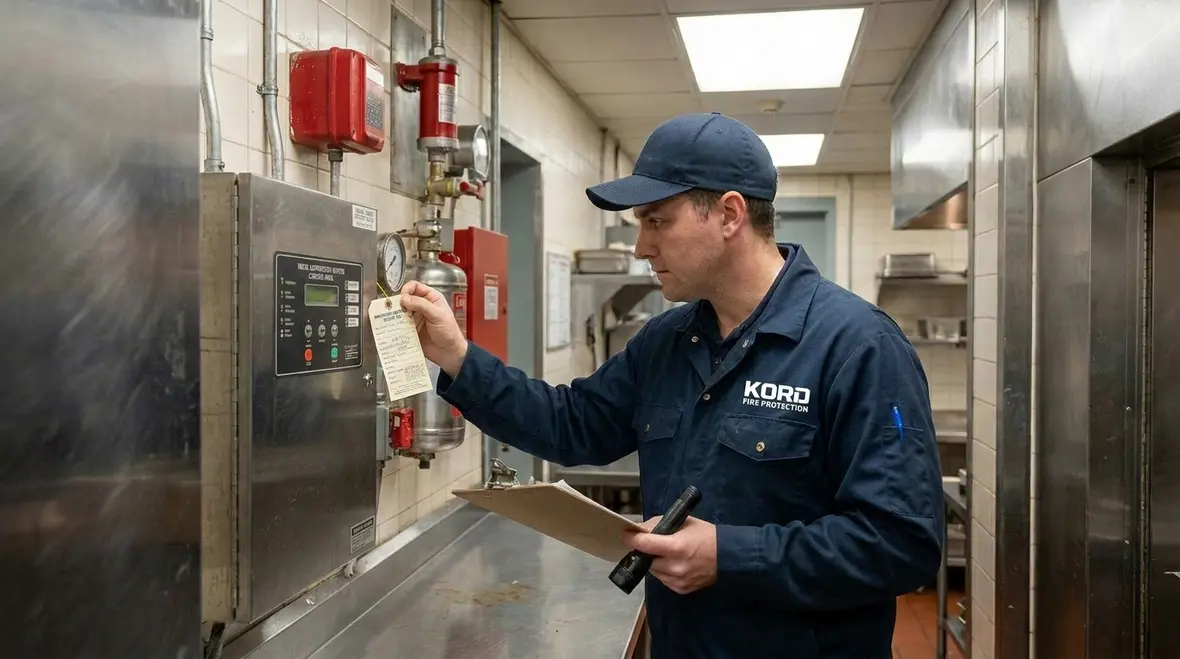
Many fire incidents begin where nobody looks during a busy service period. Grease collects in the hood and duct runs, especially around bends, seams, and fan transitions. Over time, this residue can ignite from heat transfer, flames escaping a cooking vessel, or hot surfaces that stay hotter than expected.
Modern duct-focused protection does more than install equipment. It coordinates engineering details: the right hood design, duct routing, airflow balance, and suppression coverage. Then it supports that design with cleaning and inspection plans. This prevents two common failures. One, grease accumulation outpaces maintenance. Two, systems get treated like set and forget assets.
Instead, strong duct protection comes with documented verification. Kord Fire Protection often helps businesses make sure the system stays matched to the current configuration, not the original drawings from years ago. After all, kitchens evolve. Equipment gets replaced, cooking lines get rearranged, and ductwork can change through renovations. A partner that tracks these changes reduces surprises.
If you want a deeper breakdown of how hood pathways and suppression zones interact, Kord Fire also covers that in its restaurant hood fire suppression system guide, which fits neatly with this broader upgrade discussion.
Why hidden grease is the villain nobody scheduled
Visible mess gets attention. Hidden grease gets confidence. That is the problem. Teams scrub what they can reach, service moves on, and the duct quietly keeps score. When fire protection is designed around those hidden fuel paths, flare ups have fewer chances to turn into a larger incident traveling through the exhaust route like it just bought a ticket upstairs.
Detection and suppression that work under pressure
In a real incident, the goal is not just to stop flames. The goal is to stop them in time, without turning the kitchen into a smoke-filled escape maze. Therefore, detection and suppression must be designed for the kitchen’s actual fire behaviour. For example, the system should trigger quickly, and it should discharge in the correct zone. Then it must communicate clearly so staff know what actions to take next.
Many kitchens also benefit from procedure-driven upgrades. That means staff roles are clear, kitchens rehearse responses, and the facility tracks response times. Since every second counts, the plan must address what happens after suppression, including isolation of power and safe shutdown steps.
Here, Kord Fire Protection supports the job by treating the system like a living program. As part of their partnership approach, they can align inspection schedules with kitchen realities, coordinate servicing, and help facilities maintain readiness. In short, the system should work when the kitchen does not have time to think.
Training, drills, and accountability in multi-tenant facilities
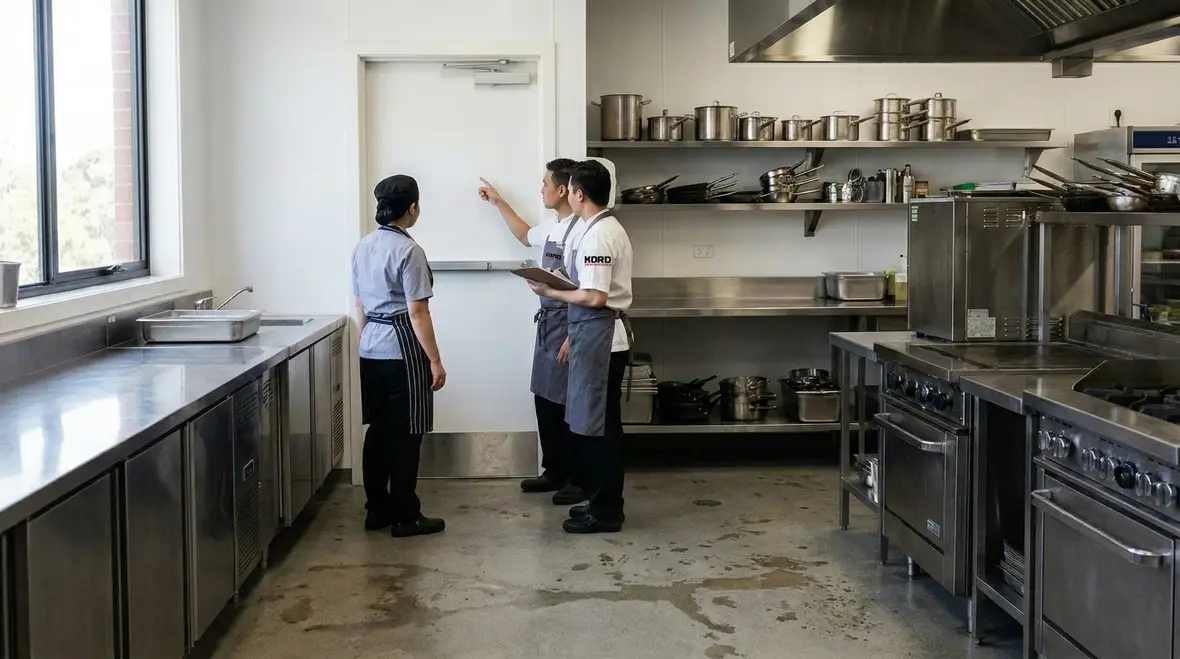
In industrial, retail, and commercial sites, kitchens rarely operate in isolation. Staff may rotate between roles, contractors may handle maintenance, and multiple tenants may share building systems. Consequently, training must cover more than extinguisher basics. It must cover how the suppression system fits into the emergency response, who confirms the shutdown, and how staff guide evacuation.
- What staff do when cooking equipment flares up in the hood area
- How they avoid re-ignition and keep the area secured
- How they report the incident and document it for follow up
- How they work with alarms, evacuation routes, and muster points
Yes, someone will still say, “We’ve got it under control,” in the exact moment they do not. A good program replaces that impulse with a simple script. And then it reinforces the script through drills that feel like routine, not theatre.
Scripts beat panic every time
When staff know the sequence, they do not need to invent courage on the spot. They just follow the play. Pull station, shutdown, alert, evacuate, report. That is far less glamorous than heroic improvisation, but it is also far more useful, which is rude to the movies and great for everyone else.
Maintenance and compliance that does not collapse in peak season
Upgrades help, but maintenance keeps them effective. Grease, heat, dust, and vibrations wear down systems. If someone delays inspections due to peak service, the facility may end up paying later with larger repairs, higher risk, or compliance headaches.
- Planned inspection intervals for suppression components
- Verification of nozzle operation and clean agent integrity
- Operational checks and record keeping
- Coordination with cleaning schedules for hood and duct systems
- Closeouts that show what changed and what stayed compliant
To achieve this without disrupting trading, facilities need a clear schedule and a partner that respects operations. That is another reason Kord Fire Protection becomes vital. They can help businesses maintain the system as part of steady business rhythm, not an emergency appointment booked after someone smells smoke.
Owners who want a more technical service view can also explore Kord Fire’s kitchen fire suppression inspection requirements guide for a closer look at recurring checks and readiness planning.
FAQ on commercial kitchen fire safety upgrades
Bring it together with a reliable fire protection partner
Commercial kitchens need more than good intentions. They need Commercial kitchen fire safety upgrades that match real workflows, plus maintenance that keeps the system ready. When businesses partner with Kord Fire Protection, they gain a steady process for audits, servicing, and readiness checks. So the next time someone pushes the line to the limit, safety can hold the line too.
The practical next step is simple: review the current setup, confirm what has changed in the kitchen, and plan upgrades before the next busy season tries to teach the lesson the expensive way. To start that conversation, visit Kord Fire Protection’s contact page and line up the next upgrade step with a team that treats fire protection like an ongoing program, not a once-a-year scramble.

Join Our Newsletter!
Get the latest fire safety tips delivered straight to your inbox From our Newsletter.