Hospital Kitchen Fire Suppression with Kord Fire Protection
Hospitals cannot afford a pause in meal service, especially when that pause is caused by flames. That is why commercial kitchen fire suppression for hospitals needs more than a generic “fire system.” It needs a setup that protects staff, patients, and critical operations while meeting strict codes. Hospital kitchen fire suppression helps control grease and high heat threats fast, so a small fire does not turn into a hospital-wide emergency. And yes, kitchens can be dramatic. One minute the soup is simmering, the next minute it is plotting chaos like it binge watched every disaster movie ever made.
With the right design and ongoing service, a hospital kitchen suppression system can behave like a calm, professional partner, not a noisy overreaction. Additionally, Kord Fire Protection can become a vital partner by supporting inspections, testing, and system readiness, so the equipment performs when it matters most. After all, it is hard to look confident during a drill if the system has not been checked.
Hospital environments raise the stakes because food service supports patient care, staff endurance, and day to day operations that never really stop. A kitchen incident is not just a kitchen incident when trays still need to move, diets still need to be followed, and schedules still need to work. That is why many facilities teams look beyond a one time install and focus on long term readiness, planned inspections, and dependable service support from specialists who understand how fast a cooking space can go from routine to ridiculous.
Commercial kitchen hazards in hospital settings
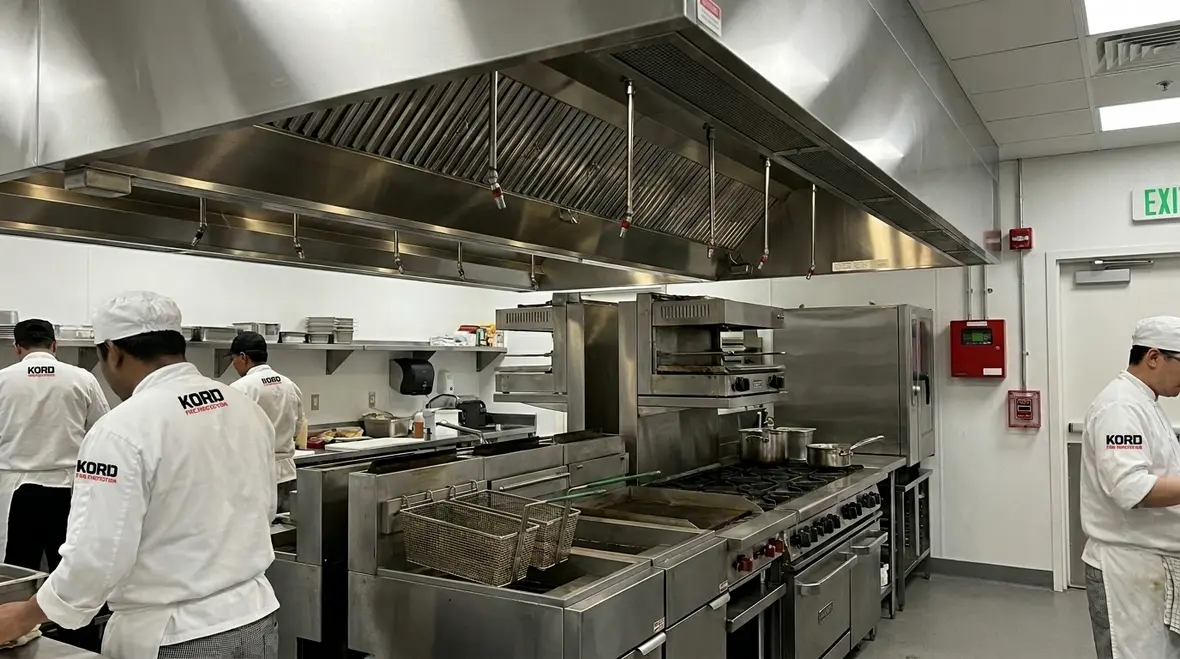
Hospital kitchens carry a unique mix of risks. First, cooking equipment runs for long hours, and hot surfaces do not care about shift changes. Second, grease and aerosolized particles can accumulate around hood systems, fryers, and duct openings. Over time, that buildup can turn normal cooking into a fast moving fire problem.
Meanwhile, hospitals add extra constraints. The area may include limited storage space, controlled ventilation, and strict traffic patterns for staff and patients. Therefore, fire protection plans must account for how smoke travels, how staff evacuates, and how quickly kitchen zones can be isolated. In short, the best approach protects people while keeping operations stable.
Unlike a typical standalone restaurant, a hospital kitchen often operates inside a larger life safety ecosystem. Deliveries, nutrition teams, sanitation crews, and facilities staff all move through the space with little room for improvisation. If smoke spreads or cooking equipment goes offline unexpectedly, the disruption can ripple far beyond the kitchen walls. This is one reason Kord Fire’s broader guidance on commercial kitchen fire suppression systems is so relevant to healthcare settings. The basics still matter, but the consequences of getting them wrong are much bigger.
Why hospital kitchens demand tighter control
A hospital kitchen can serve hundreds or even thousands of meals while juggling dietary restrictions, sanitation rules, and narrow service windows. That pace increases exposure to grease laden vapors, reheated oil, and equipment wear. When the environment is this busy, suppression coverage needs to be specific, not generic. It should account for where fire is most likely to start, how quickly it could move into the hood or duct, and how the area can be secured without turning lunch into a logistical crime scene.
How hospital kitchen fire suppression systems work
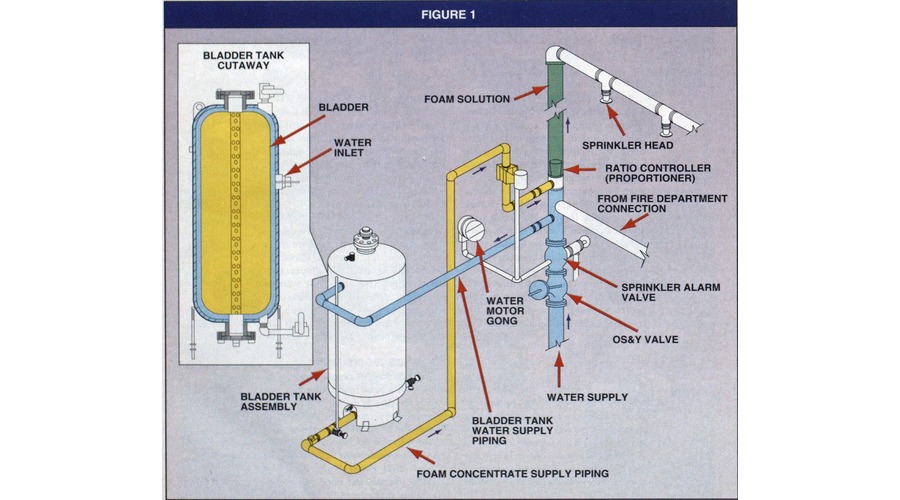
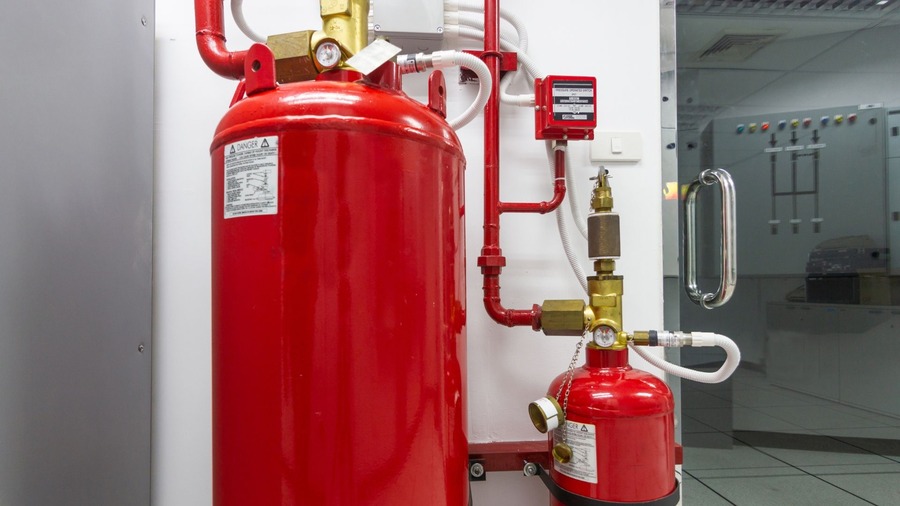
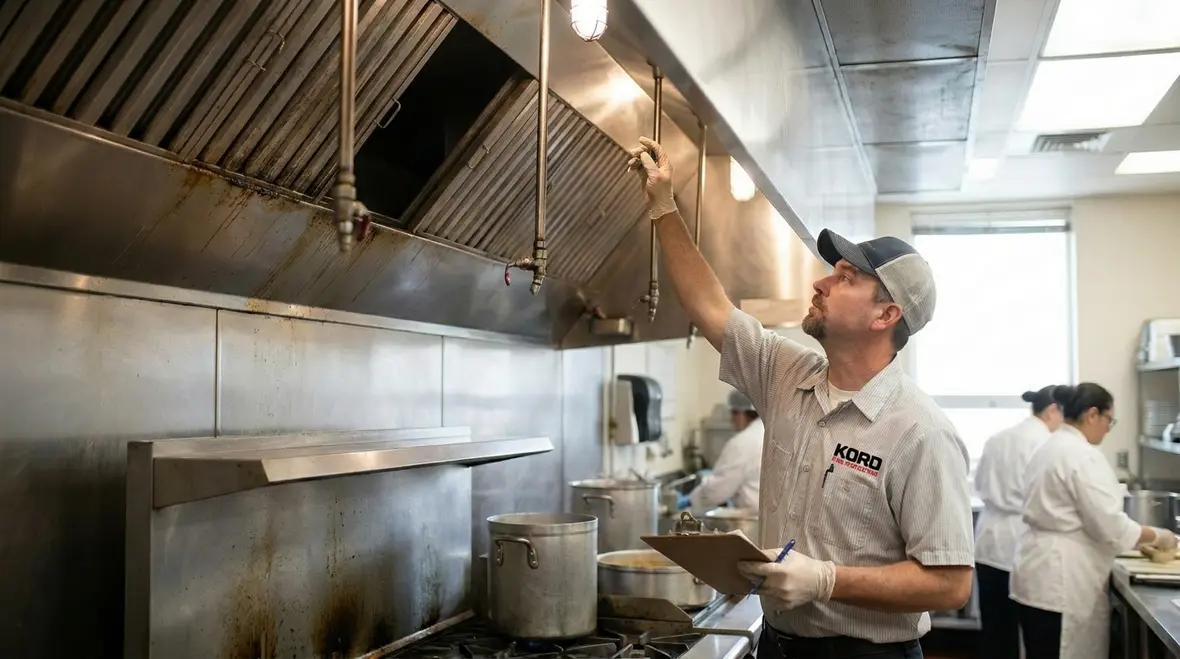
Hospital kitchen fire suppression systems focus on fast detection and rapid suppression in high risk cooking areas. Typically, the system monitors the hood and duct environment. When heat and fire signatures reach a threshold, it triggers the release of an extinguishing agent designed to smother flames and reduce re ignition.
Then the system does something many people overlook: it supports the hood capture process. Instead of letting fire spread through ductwork, the design limits the pathway. As a result, the incident stays closer to the source, which lowers cleanup time and downtime. Also, suppression tied to cooking surfaces helps crews respond safely, because they do not walk into a fire they cannot control.
To keep the system effective, components need to match the cooking equipment layout and the hood type. If the coverage area and discharge timing do not align, the system may respond, but not with the performance the hospital expects. That is where a skilled partner makes a difference.
Modern hospital kitchens often depend on protection built around wet chemical suppression principles and proper hood coverage. Kord Fire’s resource on UL 300 restaurant hood fire suppression helps explain why alignment between equipment, nozzles, discharge locations, and shutoffs matters so much. The article is written for restaurant operators, but the lesson carries over nicely: when cooking oils burn hotter and equipment runs longer, outdated assumptions are not exactly your best friend.
Coverage has to match the actual cook line
Every hood, appliance cluster, and duct arrangement creates its own hazard pattern. Fryers behave differently than ovens, charbroilers create different grease and heat behavior than steam kettles, and mixed use lines complicate everything. A proper system design studies those details rather than pretending every kitchen is the same shape wearing a different apron. That attention helps the suppression response stay fast, controlled, and effective when seconds matter and everyone suddenly remembers they hate surprises.
Compliance, inspections, and documentation that hospitals need
Hospitals operate under strict rules and frequent reviews. Consequently, fire suppression service cannot be treated like a “nice to have.” It must follow code requirements, manufacturer specs, and local authority expectations. This includes routine inspection, functional testing, and documentation that shows the system stays in service condition.
Additionally, paperwork matters. Facilities teams often need clear records for surveys, internal audits, and emergency readiness reports. Therefore, the process should produce clean, organized documentation, not messy notes scribbled after lunch.
When Kord Fire Protection becomes involved, the hospital benefits from a disciplined approach to service scheduling and system verification. They help confirm that components are correct, unobstructed, and ready to deploy, so the hospital does not learn about a problem during the worst possible moment. Because nobody wants to discover a maintenance gap while the kitchen staff is already doing the heroic part.
Inspection readiness also gets easier when the facility has a repeatable process. Kord Fire’s restaurant hood fire suppression inspection checklist guide is a useful companion because it lays out the kinds of details that should never be left to memory alone. In a hospital, where turnover, scheduling pressure, and compliance reviews can all collide, a clear maintenance record is not boring paperwork. It is a survival skill with folders.
Choosing the right suppression approach for each kitchen zone
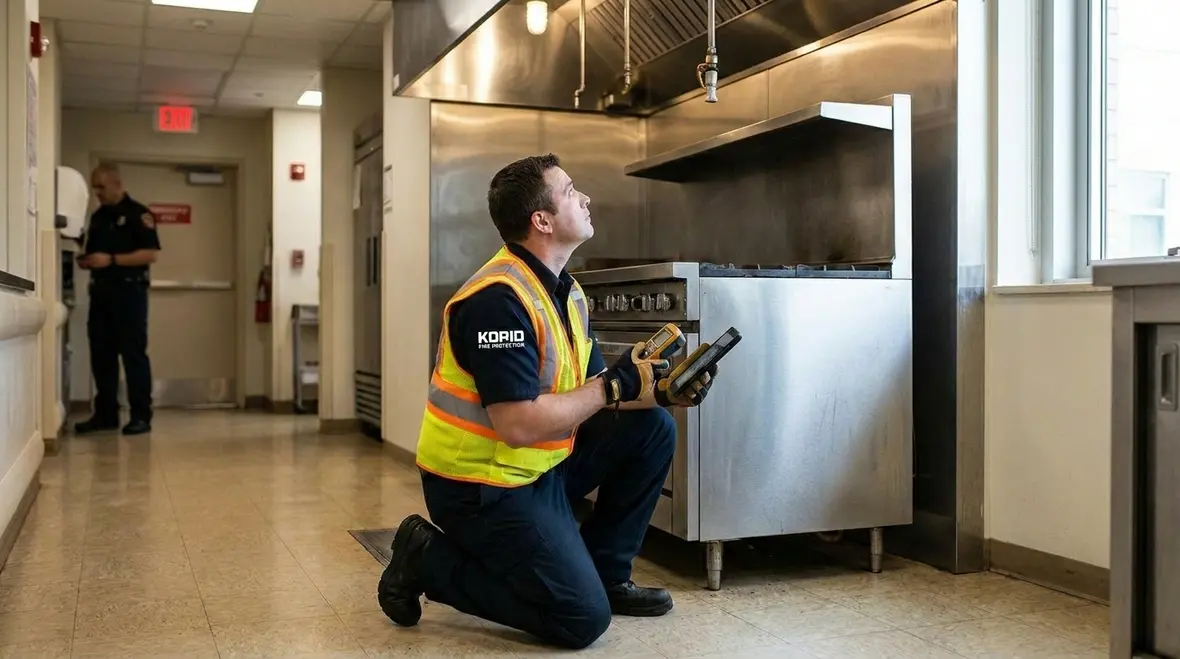
No two hospital kitchens look the same. One may run high volume fryer production, while another focuses on specialized diets and quick cook cycles. In other words, the cooking workflow shapes the hazard. Therefore, system selection should reflect the equipment, hood coverage, and ventilation design.
For example, grease laden hoods and duct systems usually require a layout aligned with where grease collects and where smoke moves. If the hood is configured one way but the fire detection and discharge locations are assumed, coverage gaps can appear. And gaps can turn a controllable incident into a bigger response.
Hospitals also need integration with their broader safety strategy. The suppression plan should work alongside alarm systems, emergency procedures, and staff training. In practice, this means coordinating with kitchen leadership, facilities, and safety teams to ensure everyone understands what happens when the system activates.
From individual appliances to full hood zones
A strong layout review looks at fryer banks, griddles, ovens, open flame equipment, and the hood system as a connected risk profile. Kord Fire’s article on what kitchen fire suppression covers and does not cover reinforces that point. Coverage should address the actual hazard areas, not just the places that are easy to point at during a walkthrough. In a hospital setting, that kind of precision helps reduce blind spots and gives facilities teams more confidence that the protection overhead is more than decorative ceiling jewelry.
Service planning that reduces downtime and surprises
Fire protection service should be planned like a clinical workflow: predictable, documented, and timed to minimize impact. Since kitchens may have strict food service schedules, maintenance must often happen during off peak windows or staged access periods. That is where a strong partner helps the hospital maintain readiness without shutting down the whole operation.
Additionally, preventive maintenance reduces the chance of unexpected repairs. It also gives the team time to source parts and schedule labor before the kitchen becomes a bottleneck. Over time, this improves cost control, lowers emergency call frequency, and supports smoother audits.
To make the benefits tangible, consider this. The hospital kitchen is like a busy intersection. If one lane suddenly disappears, traffic chaos follows. The same logic applies to kitchen operations: service planning keeps the lanes open, and hospital kitchen fire suppression stays reliable.
What a hospital needs
- Coverage matched to hood and cooking equipment
- Code compliant inspection and testing
- Clear documentation for audits and surveys
- Service timing that fits food operations
How Kord Fire Protection helps
- Organized maintenance scheduling and verification
- System checks that confirm readiness performance
- Support with service records and maintenance history
- Practical coordination with facility teams
Training and readiness: making response automatic
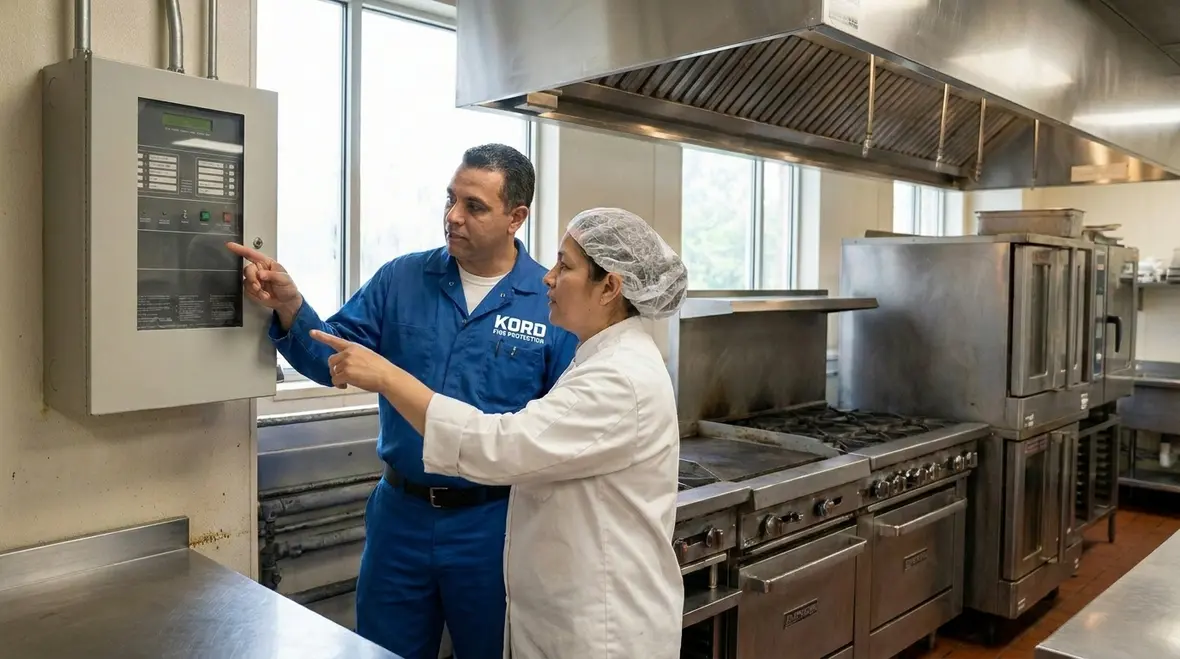
Even the best suppression system cannot replace trained people. Therefore, hospitals should pair equipment service with practical education for kitchen staff and facilities teams. Training should explain what activation means, what immediate steps staff should take, and who leads the response.
Also, drills should reflect real workflow. Staff do not need a dramatic “Hollywood” scenario, they need a calm, repeatable process. If the response plan assumes everyone will sprint to a control panel, but the kitchen layout forces narrow aisles, the plan will fail under pressure.
As drills run, the hospital can tighten details like notification pathways and isolation steps. And when Kord Fire Protection provides ongoing support, the hospital can align system maintenance status with training so people trust the equipment they rely on.
That same discipline matters when evaluating upgrades or modernizing older kitchen protection. Kord Fire also provides a helpful look at UL 300 upgrade planning, which can spark useful conversations for facilities teams reviewing system age, equipment changes, or remodel work. In hospitals, a small change to the cook line can quietly affect suppression performance, and quiet problems have a funny way of becoming very loud later.
FAQ: hospital commercial kitchen fire suppression
Final call to action for hospital teams
Fire safety in a hospital kitchen must stay dependable, not hopeful. When commercial kitchen fire suppression is designed correctly and serviced with discipline, the kitchen keeps running and the risks drop fast. Now is the time to review coverage, schedule inspections, and confirm readiness with professionals who understand hospital operations. Kord Fire Protection can help coordinate compliant service, testing, and documentation so your system performs when minutes count.
For teams reviewing service options, Kord Fire’s dedicated UL300 restaurant systems page is the clearest place to start. It connects design, inspection, maintenance, and compliance support in one place, making it a strong next step for hospitals that need dependable protection over active cooking equipment. Reach out today to plan the next steps and protect the people who need care most.
Next step for facilities teams
Review your hood coverage, confirm inspection intervals, organize your service records, and connect with Kord Fire Protection for a suppression plan that supports patient care without adding operational drama.

Join Our Newsletter!
Get the latest fire safety tips delivered straight to your inbox From our Newsletter.