
California Fire Code for Construction Sites Guide
In California, progress rises from the ground up. Steel beams stretch toward the sky. Concrete sets with quiet confidence. Yet beneath the noise of nail guns and the rhythm of heavy machinery stands a quieter force that shapes every safe project: the Fire Code for Construction. It guides how sites prevent fires, control hazards, and protect lives long before a building opens its doors. Kord Fire Protection technicians often explain it best. They remind contractors that fire safety on a construction site is not a final step. It is the foundation. And in a state where wildfires and dense urban builds share the same map, those standards matter more than ever.
Understanding the Fire Code for Construction in California
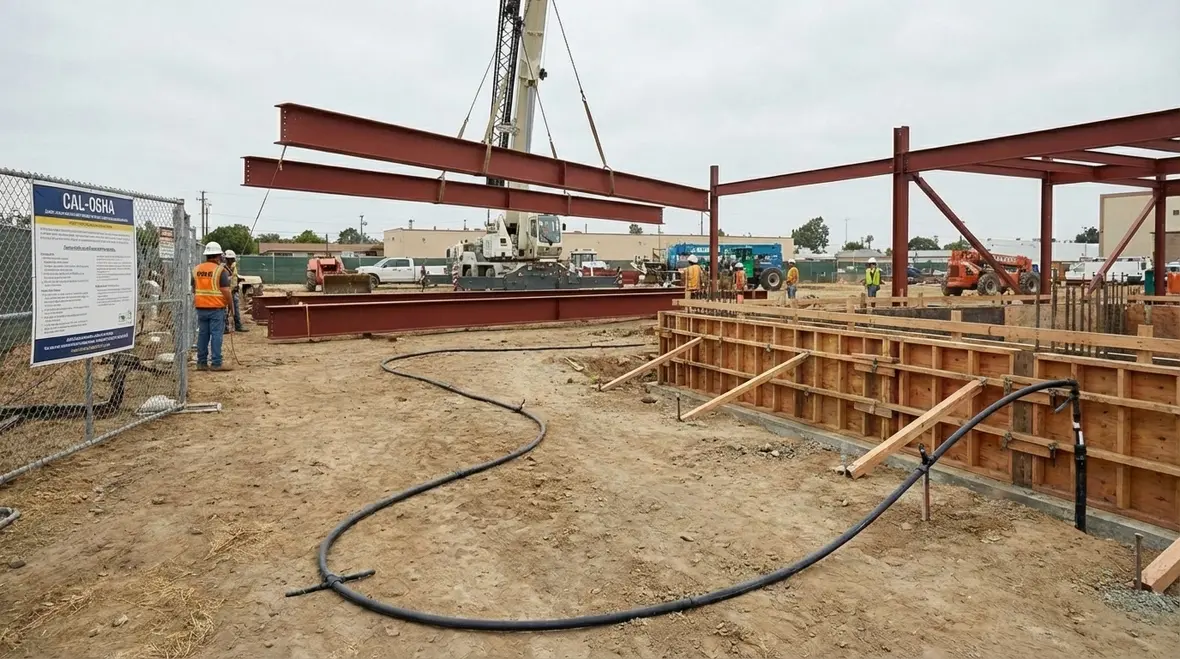
California enforces strict fire safety standards through the California Fire Code, which aligns with the International Fire Code but adds state specific amendments. As a result, construction sites must follow detailed rules covering temporary systems, hazardous materials, emergency access, and fire prevention planning.
While the finished building must meet permanent fire safety standards, the construction phase has its own risks. Open framing, exposed wiring, and temporary heating create conditions where small mistakes can escalate quickly. Therefore, the fire code during construction addresses these unique dangers with practical requirements.
Kord Fire Protection technicians often describe it in simple terms. A building under construction is like a campfire waiting for a spark. The code exists to remove the spark, control the fuel, and ensure someone stands ready with water.
Specifically, the regulations cover:
- Temporary fire protection systems
- Fire department access roads
- Storage of flammable and combustible materials
- Hot work operations
- Standpipe and sprinkler installation timelines
- On site fire safety plans
Each element plays a role. Together, they create a system that protects workers, neighboring properties, and future occupants.
For deeper context on how California adapts model codes in real projects, many contractors also look to practical guides like the Pasadena Fire Code Guide for Renovations, which shows how local officials interpret and enforce requirements on active sites.
What Does California Require on Active Job Sites?
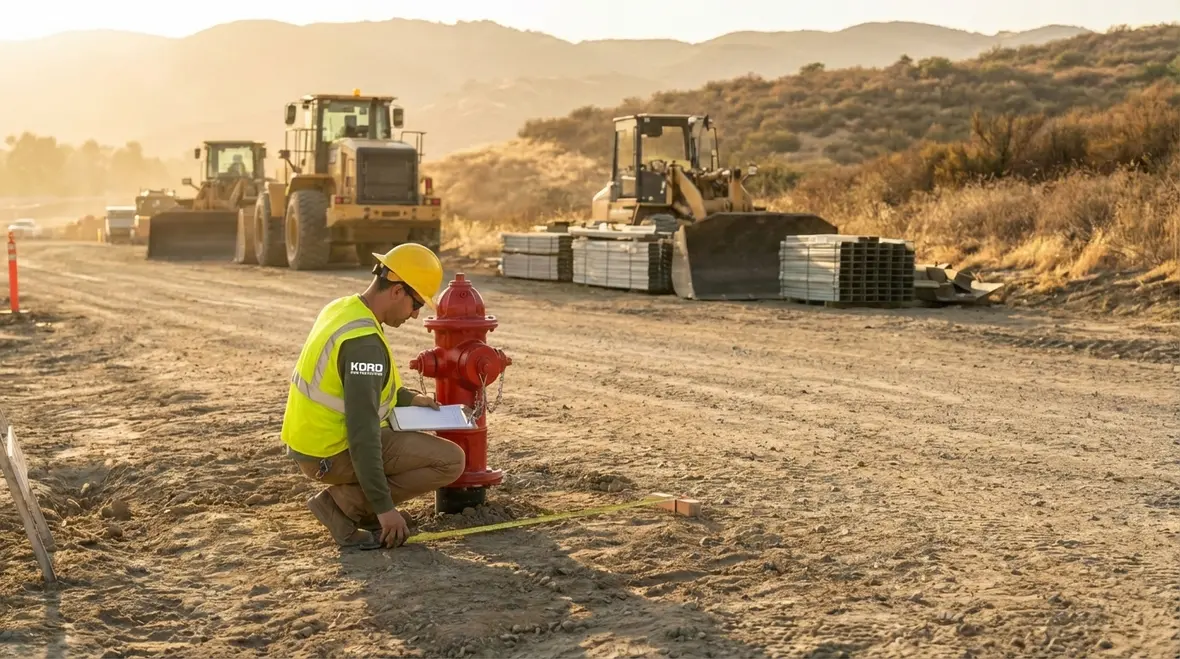
When contractors ask what California requires on an active build, the answer arrives in layers. First, they must maintain clear fire department access at all times. Roads must support fire apparatus weight and remain unobstructed. After all, a fire engine cannot teleport. It needs pavement.
Next, portable fire extinguishers must be placed throughout the site. They must remain visible, accessible, and regularly inspected. Additionally, workers must know how to use them. An extinguisher does little good if everyone stares at it like it is modern art.
Temporary standpipes often must be installed as soon as the building reaches a certain height. Likewise, when sprinkler systems are required in the final structure, portions of those systems may need to become active during construction. This staged activation reduces risk as the building grows.
Furthermore, California mandates strict control over combustible waste. Scrap wood, packaging, and debris must be removed regularly. Consequently, daily housekeeping becomes a life safety practice, not just a cleanliness preference.
Kord Fire Protection technicians frequently walk sites and point out a simple truth. Fires during construction rarely begin with dramatic explosions. Instead, they start with overlooked details. A blocked exit. A pile of sawdust. A temporary heater placed too close to framing. Small issues compound quickly.
On many projects, contractors bring in Kord Fire early to coordinate inspections and code interpretation alongside other NFPA-driven requirements covered in resources like the NFPA Codes and Guidelines Resource Center. This keeps field decisions aligned with both California amendments and national fire safety standards.
Managing Hot Work and Temporary Heat Safely
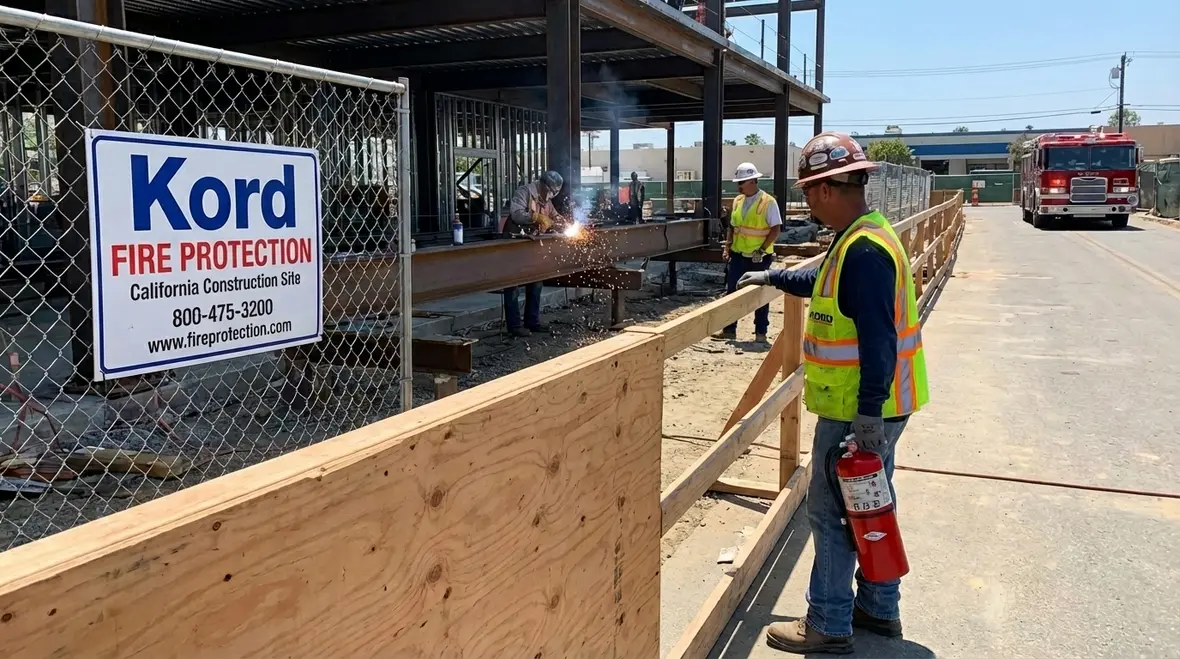
Few tasks on a job site demand more caution than hot work. Welding, cutting, and grinding all produce sparks capable of igniting nearby materials. Therefore, the California fire code requires a hot work permit system.
Under this system, supervisors evaluate the work area before ignition begins. They remove combustible materials, assign a trained fire watch, and ensure extinguishers stand ready. Moreover, the fire watch must remain on site for a defined period after the work ends. Embers have a stubborn personality. They like to linger.
Temporary heating devices also fall under strict oversight. Only approved equipment may be used, and clearances from combustibles must be maintained. In addition, fuel storage must comply with quantity limits and separation distances.
Kord Fire Protection technicians often compare hot work to cooking on a gas stove. When handled correctly, it produces results. When left unattended, it produces headlines. The code aims to keep projects off the evening news.
Fire Department Access and Water Supply Planning
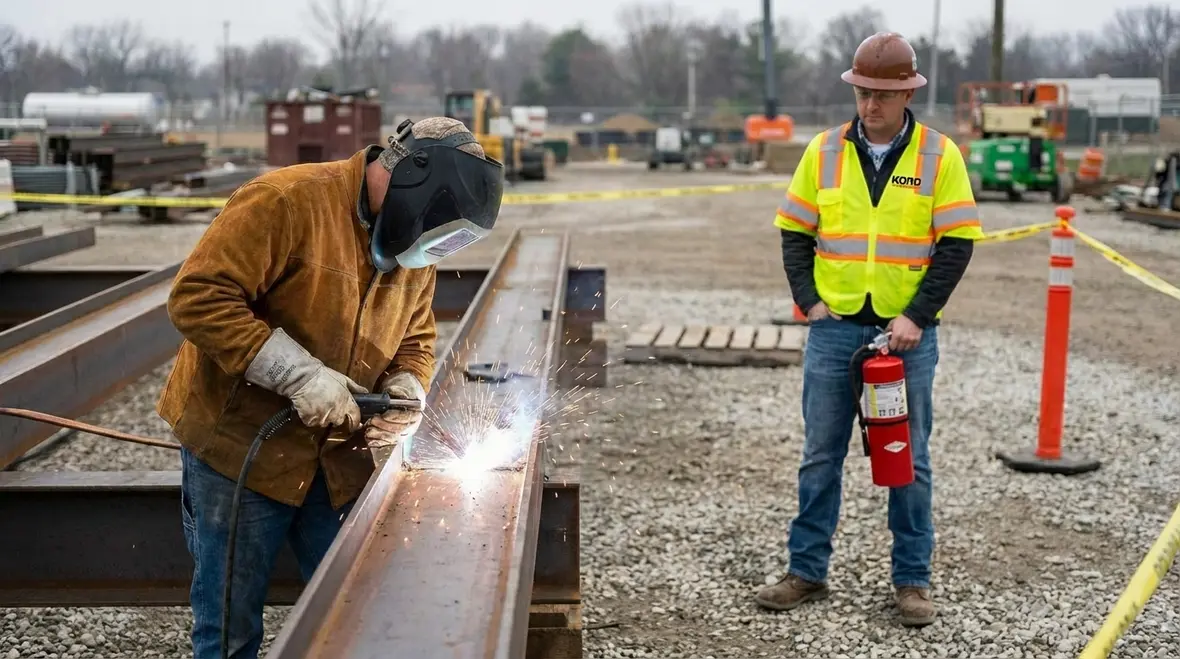
Even before walls rise, planners must consider emergency response. California requires approved fire department access roads during all phases of construction. These roads must remain clear, properly graded, and capable of supporting heavy vehicles.
Equally important, an adequate water supply must be available. In many jurisdictions, developers must install and test fire hydrants before vertical construction advances. Consequently, water infrastructure often precedes framing.
The relationship between access and water supply forms the backbone of job site safety. Without access, responders lose time. Without water, they lose effectiveness. Together, these systems reduce loss and protect surrounding communities.
Kord Fire Protection technicians routinely coordinate with local fire marshals to confirm that hydrant spacing, fire flow, and access widths meet code. This collaboration prevents costly delays later. It also builds trust with authorities who ultimately sign off on occupancy.
Key Compliance Areas at a Glance
To clarify how requirements apply across a project timeline, the following overview highlights major compliance areas.
Pre Construction Phase
- Submit fire safety plans for review
- Verify water supply and hydrant locations
- Plan fire department access routes
- Identify hazardous material storage areas
During Vertical Construction
- Maintain clear access roads
- Install temporary standpipes as required
- Activate portions of sprinkler systems when triggered by height
- Enforce hot work permit procedures
- Provide portable extinguishers on every level
This side by side structure helps project managers track responsibilities as the site evolves. Rather than reacting to inspections, teams can prepare in advance.
Common Violations and How to Avoid Them
Although the rules appear clear, violations still occur. However, most issues stem from oversight rather than defiance.
One frequent problem involves blocked fire lanes. Delivery trucks park where they should not. Materials get staged in access paths. Consequently, emergency routes narrow. The solution is simple but requires discipline. Mark lanes clearly and enforce parking rules daily.
Another common issue involves delayed installation of required standpipes. Contractors sometimes wait until later phases, assuming inspections will not occur early. Yet fire officials may inspect at any time. Therefore, aligning installation schedules with code triggers prevents rework and fines.
Improper storage of flammable liquids also creates citations. Fuel containers must meet approved standards and remain within allowed quantities. Additionally, they must be stored away from ignition sources.
Kord Fire Protection technicians often note that compliance is less expensive than correction. Fixing a violation mid project costs time, labor, and sometimes reputation. By contrast, proactive planning costs far less.
How Do Contractors Create a Strong Fire Safety Plan?
A strong fire safety plan begins with leadership commitment. Management must treat fire prevention as essential, not optional. From there, clear documentation guides the crew.
Effective plans typically include:
- Emergency contact information
- Site maps with access routes
- Locations of extinguishers and standpipes
- Hot work procedures
- Evacuation protocols
- Assigned safety responsibilities
Training follows documentation. Workers must understand not only what to do, but why it matters. When crews grasp the reasoning behind the rules, compliance improves naturally.
Kord Fire Protection technicians often conduct walkthroughs with project teams. During these sessions, they translate code language into plain speech. They answer questions directly. They also share real world examples of projects that faced loss due to small oversights. Those stories resonate. After all, lessons learned from others carry less pain.
Frequently Asked Questions
Building Safely from the Ground Up
Construction shapes California’s skyline. However, progress means little without protection. The Fire Code for Construction ensures that growth does not outpace safety. From access roads to hot work permits, every rule serves a clear purpose. Kord Fire Protection technicians stand ready to guide contractors through each requirement with steady expertise.
For projects that aim to rise without setbacks, professional fire protection support is not just helpful. It is essential. Reach out today and build with confidence from the very first spark.
If your construction project needs a single partner to handle sprinklers, alarms, standpipes, hydrants, and extinguisher programs, explore Kord Fire’s Full Fire Protection Services. Their team designs, installs, inspects, and maintains the systems that keep your site compliant today and ready for smooth occupancy tomorrow.
Whether you are breaking ground on a new development or coordinating renovations in a dense urban core, Kord Fire’s code-compliant fire protection solutions help you align California construction fire code requirements with practical field realities.
Know Your Weapon Before You Fight the Flame
Kord Fire Protection is your go-to when it comes to all things fire protection. For over 20 years, we’ve been serving Southern California with the quality service and equipment to keep your home or business safe at all times. Our competitive prices reflect our unwavering commitment to protecting what matters most in the event of a fire emergency. Give us a call, send an email, or use that form!

Join Our Newsletter!
Get the latest fire safety tips delivered straight to your inbox From our Newsletter.


