Standpipe System Control Panels for Smarter Fire Protection
In today’s fire protection world, smart water delivery matters as much as smoke control. That is why modern facilities rely on Standpipe system control panels from the start, not as an afterthought. These panels help operators manage pumps, monitor valves, and keep standby systems ready when seconds count. Still, the real value shows up when kitting and tuning happen in the field. As kord fire protection technicians explain time and time again, a control panel is not just a box with lights. It is the brain that tells a standpipe and pumping setup what to do, when to do it, and how to report it. And yes, unlike most tech support calls, these systems can actually solve the problem instead of asking for a reset like it is 1999.
The best part is that smarter controls do not only help during a fire event. They improve confidence between inspections, make troubleshooting less chaotic, and help building teams understand whether a system is healthy or quietly drifting toward trouble. That is especially important for facilities that depend on a complete standpipe system service program to keep Class I, II, and III setups working the way they were intended. When the panel is designed, commissioned, and maintained correctly, it brings order to a part of fire protection that can otherwise get very complicated very fast.
What advanced control panels do for standpipe systems
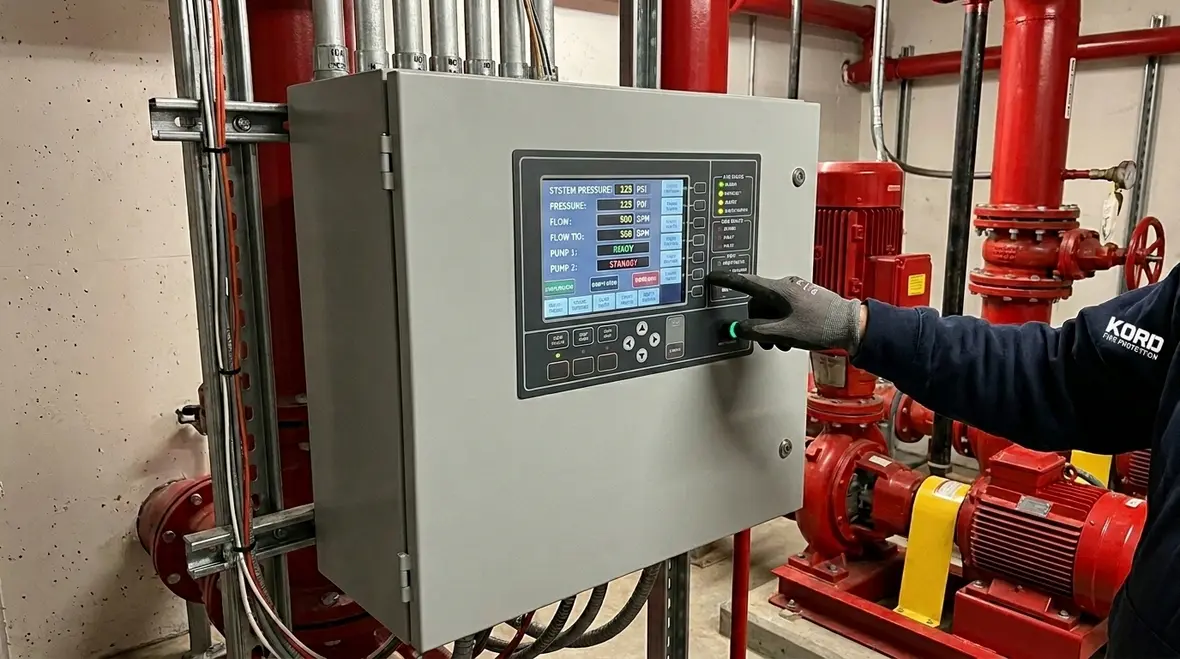
Advanced control panels coordinate multiple tasks at once. First, they track pressure and flow data through sensors. Next, they control pumps and related valves so the system stays within the designed range. In addition, they provide real time status for alarms, faults, and start permissives.
As the kord fire protection technicians typically point out, the biggest upgrade is not “more features.” It is better decision making during real events. For example, the panel can prioritize which pump to start, based on runtime history and readiness. It can also prevent short cycling by using set time logic and pressure recovery behavior. Therefore, the system moves from reactive to controlled, which reduces stress on hardware and improves response consistency.
Most modern setups also include smart monitoring that helps staff find issues early. Instead of waiting for an inspection to discover a problem, the panel can log abnormal trends, such as pressure drift or repeated valve feedback mismatches. That means fewer surprises, and fewer late nights that start with “Do we have time for one more test?”
Why the panel becomes the decision center
A standpipe system may look simple on paper, but the real-world sequence is rarely simple. Water supply conditions shift. Devices age. Supervisory signals stack up. Someone changes a setting. Someone else forgets to document it. A strong panel ties all of that together so the system does not respond like a collection of unrelated parts. It responds like one coordinated fire protection package.
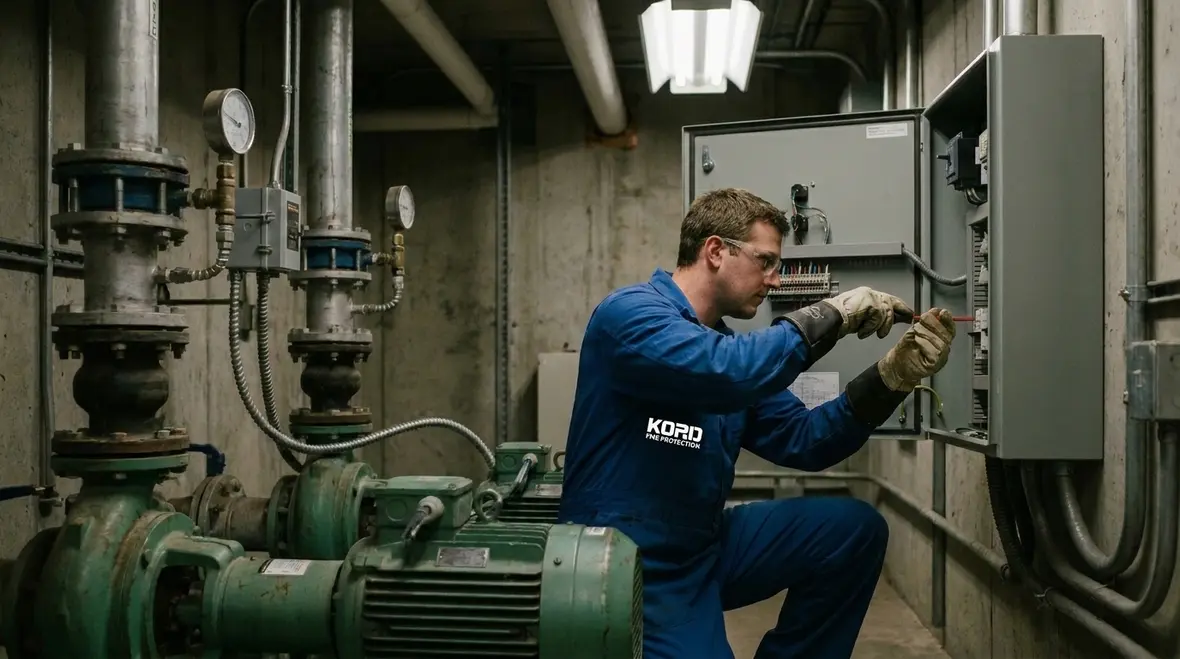
How pumping system logic keeps pressure stable
Pumping systems struggle when demand changes fast. Fire flow can jump from low to high in seconds, and the system must hold pressure while pumps ramp smoothly. Advanced panel logic addresses this with step control, timing rules, and feedback loops.
For instance, the panel uses pressure sensor input to guide output. If pressure drops below target, it calls for additional pump stages or adjusts pump run commands. Meanwhile, it checks valve positions and flow switch status before it commits to pump starts. Thus, it avoids a common failure pattern where the system starts pumping but a valve did not actually prove open.
Also, the panel can handle multiple pump types and configurations. It can coordinate a lead pump rotation schedule, apply permissive checks, and switch to standby under fault conditions. In short, it helps the system behave like a trained operator, not like a guessing machine.
Pressure stability depends on verified actions
This is where thoughtful field setup matters most. A pressure target written in the design is only useful if the sensors are calibrated, the logic is tuned, and the output devices respond as expected. That is one reason facilities with fire pumps often benefit from understanding broader fire pump testing and certification practices. Stable standpipe performance depends on more than water moving. It depends on predictable, verified behavior when the demand curve turns sharp.
Advanced alarms and monitoring that technicians trust
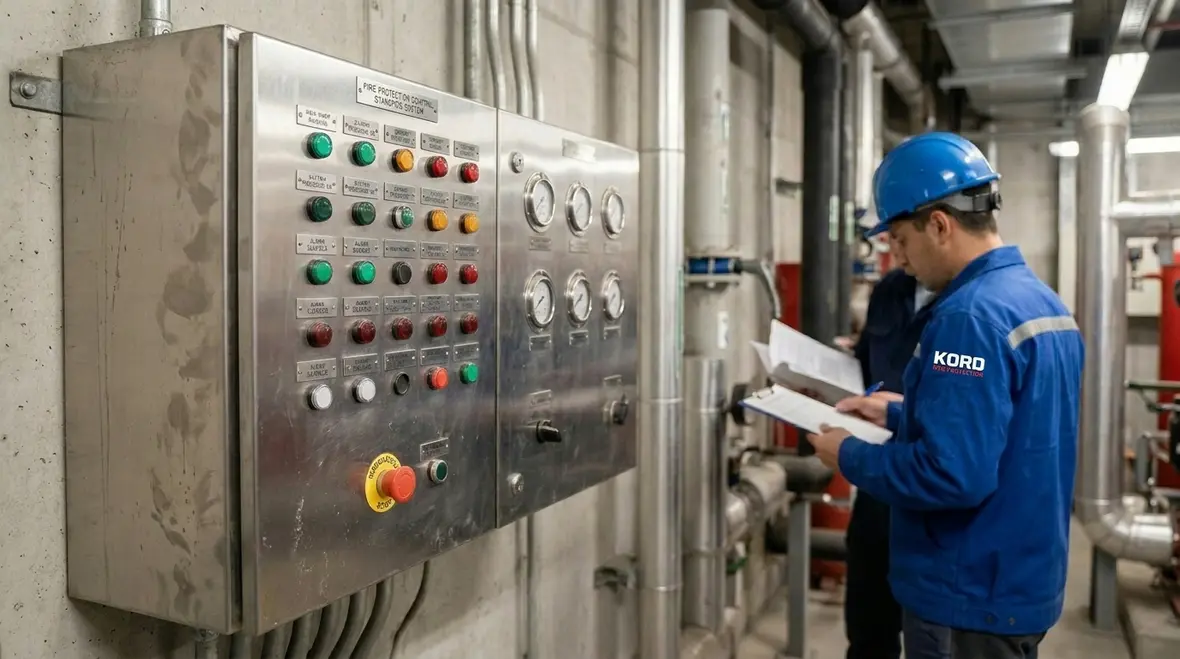
When an alarm happens, the panel must do two things well. It must report the right message, and it must do it fast. Advanced Standpipe system control panels use structured alarm categories for system status, supervisory events, and active trouble conditions. As kord fire protection technicians explain, that clarity matters. Staff under stress need direct meaning, not mystery phrasing that sounds like a novel title.
In practice, the panel can separate alarms into actionable levels. It can identify sensor faults, comm loss, pressure switch anomalies, and input verification errors. Then it can log the timeline so technicians can reproduce what occurred. Additionally, it can support remote annunciation or building interface systems, which keeps incident management moving without chasing signals across multiple cabinets.
Just as importantly, the panel can help with maintenance planning. If it detects repeated supervisory issues, it can flag patterns tied to valve wear, strainer blockage, or weak battery backup. As a result, the site improves reliability instead of simply resetting problems until the next inspection.
Good alarm language saves time
A useful panel does not bury the real issue under vague labels. If the trouble is a valve proving mismatch, that is what the display should say. If the issue is a communication fault between devices, that should be obvious too. Clear messaging shortens diagnosis, speeds service decisions, and makes the whole event feel less like a scavenger hunt designed by an evil electrician.
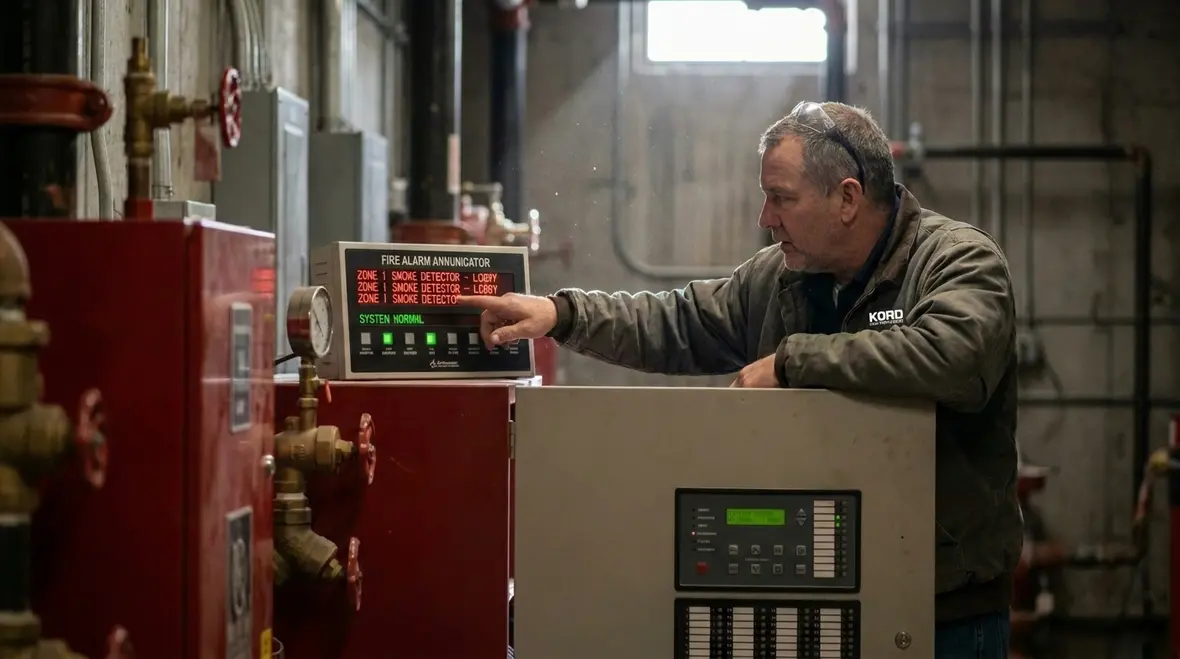
Communication, integration, and remote reporting
Modern facilities rarely run only one system. Standpipes often connect with fire alarm panels, building management systems, and emergency communication workflows. Therefore, advanced control panels support clean integration so signals travel correctly and do not get lost in the shuffle.
Depending on the design, the panel may use supervised outputs for fault and alarm states, and it may use monitored inputs for start commands or valve position feedback. It can also provide status data for dashboards or remote reporting services. Consequently, the right teams can respond quickly, even if they are not on the floor during an initial event.
The key is that integration must remain reliable during power events. So advanced control designs often include battery backed power for controller and communication circuits, plus clear fail safe states for output relays. In the real world, this reduces the chance that a communication loss gets mistaken for a system shutdown. And nobody wants that, unless they are trying to create a suspense film with alarms as the soundtrack.
Integration only works if the signals are useful
Sending every point to every dashboard might look impressive, but the goal is useful information, not decorative complexity. The right integration scheme helps building staff know what changed, what needs action, and whether the core water delivery side of the system is still ready. When that logic is tight, remote reporting becomes a real operational tool instead of a noisy wall of notifications.
Commissioning and service practices kords technicians emphasize
Even a great control panel cannot fix bad installation or incorrect settings. That is why kord fire protection technicians focus on commissioning and ongoing service practices that align with design intent. They do not just verify the system turns on. They verify it performs.
During commissioning, technicians test sensor calibration, pump staging behavior, valve proving feedback, and alarm timing. They also check interlocks so the panel only starts pumps when permissive conditions make sense. After that, they confirm pressure regulation response by running test flows and comparing results to targets.
Then they document everything. Clear service logs help future technicians understand what the system was set to do, not what someone guessed it might be. Moreover, good service practices include routine checks of contactors, drive health where used, and battery health for controller backup. With these habits, the Standpipe system control panels remain consistent and dependable rather than turning into a “works until it doesn’t” situation.
Field service should connect the dots
The strongest technicians do not treat each alert like an isolated oddity. They review histories, compare test notes, and look for repeat patterns. That same mindset shows up in broader standpipe education, including Kord Fire’s article on standpipe system requirements and how it works, where the practical role of the standpipe is tied directly to real building performance. A well-serviced panel supports that bigger picture.

Common failure points and how advanced controls prevent them
Real sites share predictable failure points. Advanced control panels reduce risk by adding verification and smart interlocks, but maintenance still matters.
One common issue involves valve position feedback mismatches. If the valve command does not match the feedback, the panel should treat that as a supervisory condition and prevent blind pump starts. Another risk involves pressure sensor drift. Advanced systems can detect out of range values, log anomalies, and alert staff before performance drops.
Pump lead rotation can also cause trouble if it is not configured correctly. Therefore, the panel should follow runtime rules and fault override logic so it selects the best available pump. Additionally, the control cabinet should keep wiring and terminals clean and tight, since loose terminations can create intermittent faults that feel like ghosts.
Finally, power loss and brownout behavior matter. Advanced designs use defined recovery rules so the system returns to the right state after a power event. As a result, the system avoids chaotic start sequences that waste time during the worst possible moment.
The failure points are often boring until they are not
That is the strange charm of fire protection work. Many problems start small and unglamorous, then suddenly become very important when the system is called into service. Advanced controls are valuable because they catch the boring issues early, before they earn a starring role in a bad day.
FAQ about advanced standpipe and pumping control
Next steps: upgrade reliability and response time
Advanced control is not just a purchase. It is a plan for consistent performance when pressure, flow, and timing all matter. If the standpipe and pumping system at the site needs clearer alarms, stronger monitoring, or better pump coordination, now is the time to act. Contact the team and have kord fire protection technicians review the current setup, commissioning records, and service needs. Then they can recommend the right panel configuration and testing approach to keep your system ready.
For teams looking for a broader partner in system planning and long-term service, it also helps to learn more about Kord Fire Protection and explore their dedicated Standpipe Systems service page. The goal is simple: better readiness, clearer information, and fewer moments where the system leaves everyone staring at a blinking light and guessing. Don’t wait for the alarm to teach the lesson.

Join Our Newsletter!
Get the latest fire safety tips delivered straight to your inbox From our Newsletter.