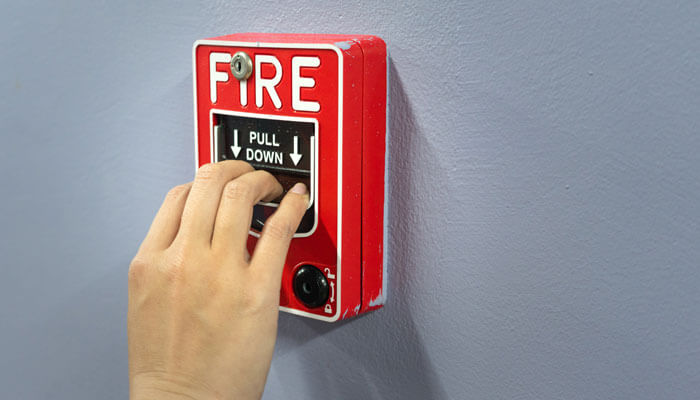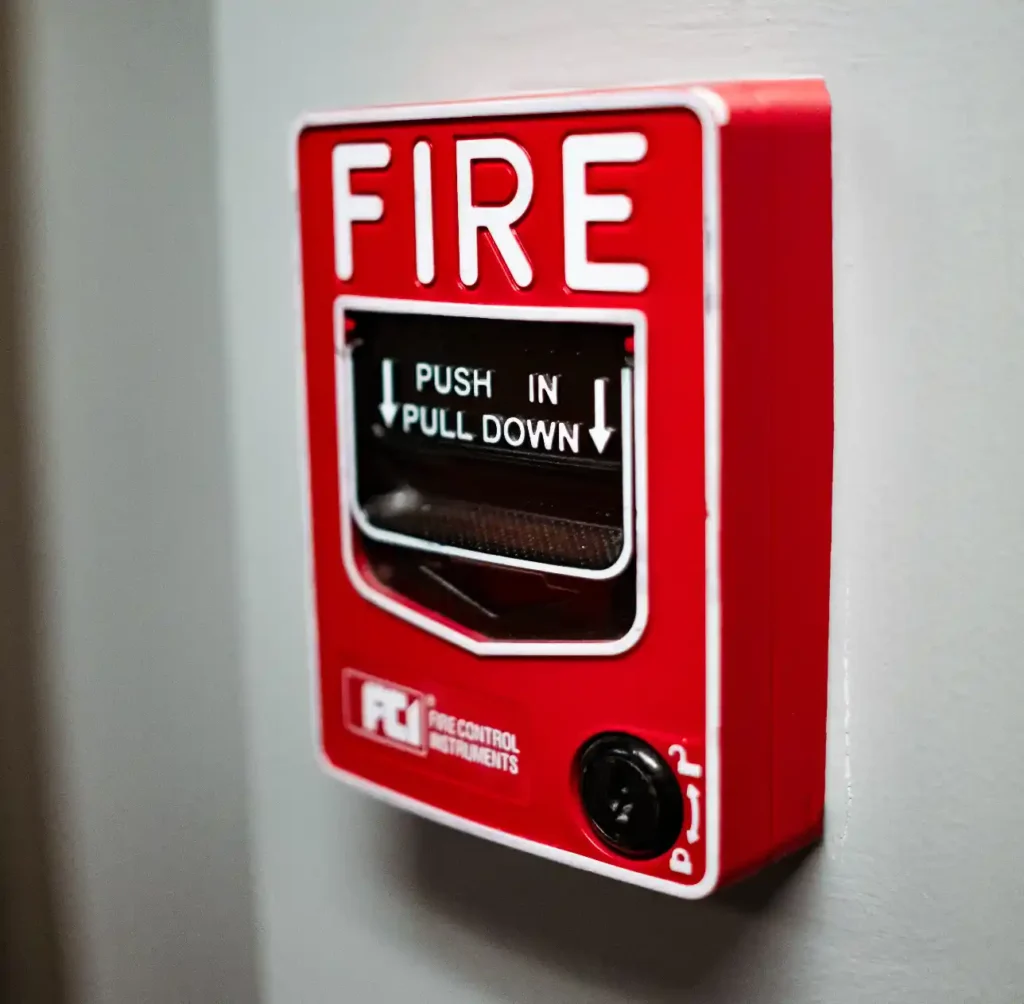
Zeta Alarm Systems and Compact Fire Alarm Systems Explained
In many buildings, fire safety needs to be smart, fast, and small enough to fit real walls and real budgets. That is where Zeta Alarm Systems comes in, especially when teams choose compact fire alarm systems designed for clear coverage without turning every room into a construction project. In the first moments of an event, every second counts, and these compact setups help people notice problems quickly and respond the right way. And yes, the goal is simple: less confusion, faster alerts, and fewer “wait, is that the alarm or my fridge” moments.
What follows explains how these systems work, where they fit in the real world, what they do well, what can be annoying, and how ongoing service and code rules keep everything steady. Throughout, kord fire protection technicians explain the practical details that many people miss when they only read product brochures.
Introduction: Zeta Alarm Systems and compact fire alarm systems
How compact fire alarm systems work in real life
Compact fire alarm systems use a focused set of devices that detect fire conditions and then trigger alarms, notifications, and required outputs. Instead of spreading control power and signaling across a huge footprint, the system concentrates key functions in a smaller package. As a result, installers can keep wiring runs shorter and reduce the amount of equipment that needs to be mounted, labeled, and checked.
Typically, the process follows a clear path. First, detection happens through smoke, heat, or other approved sensors located where they make sense for airflow, ceiling height, and room use. Next, the control unit monitors each initiating device loop or zone. Then, once the system confirms an alarm state, it sends signals to audible and visible notifications.
Additionally, the system can support outputs such as door release, fan shutdown, elevator recall, or other actions that local code and engineering plans require. Importantly, the logic stays consistent: detect, confirm, alert, and report. This consistency matters when people panic, because panic loves chaos and chaos hates structure.
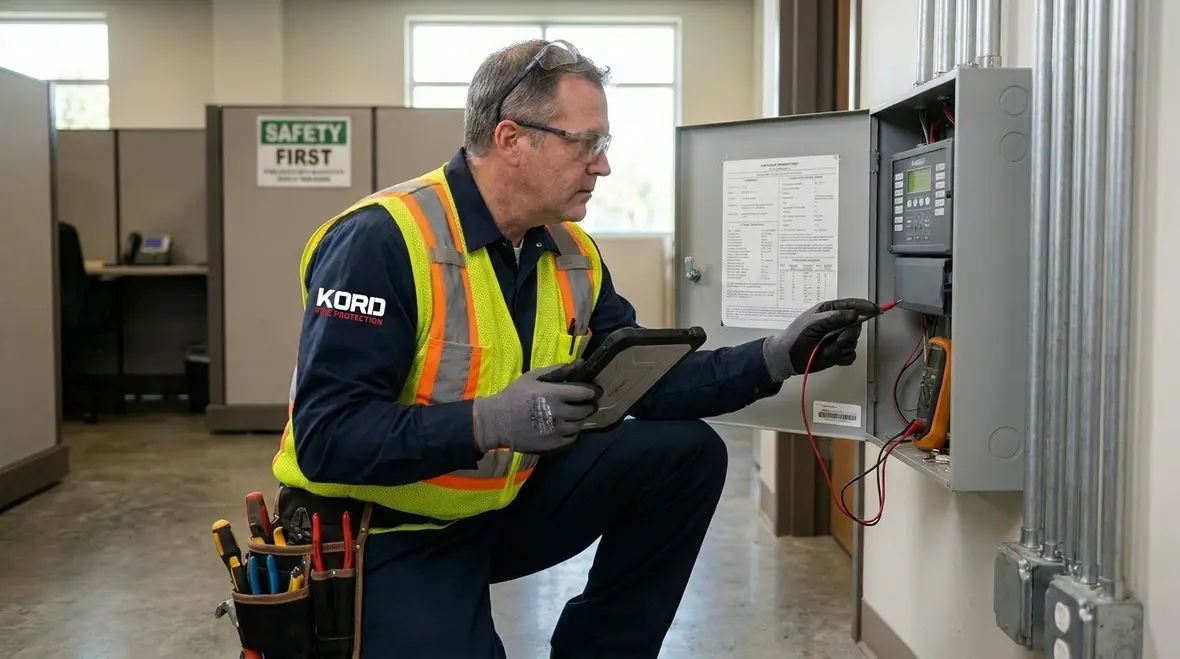
Finally, modern designs keep status information simple for technicians. So, when kord fire protection technicians arrive on site, they can quickly view trouble conditions, history logs, and device supervision status without playing detective for half a day.
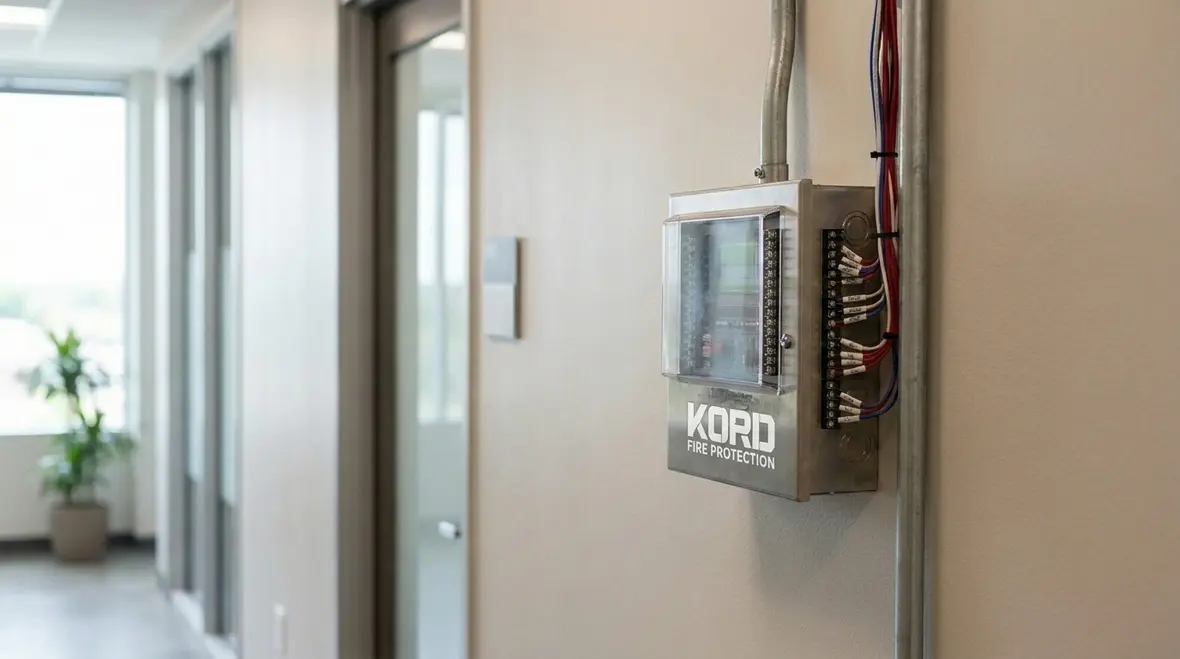
Where they fit best: real world use cases
Not every site needs a full scale system. In many cases, compact fire alarm systems shine because they match the size, layout, and life safety needs of smaller to medium properties. They also work well when a building adds tenants over time and needs predictable, repeatable protection without constant redesign.
Common real world use cases include office suites, retail stores, light industrial spaces, small warehouses, assisted living zones, and schools or campuses that need targeted coverage in specific wings. For example, a single floor with several classrooms can benefit when sensors and notifications match occupancy and ceiling design. Meanwhile, a smaller building with multiple enclosed offices might use compact control and zone mapping to keep installation tidy and testing manageable.
Moreover, these systems help during remodels. When a tenant improves lighting, moves walls, or updates HVAC, the fire alarm plan should adapt. A compact architecture makes it easier to adjust device locations and keep documentation current. And when someone says “We already have an alarm, can we just add a few detectors,” the answer is usually yes, but the details matter. That is where a service team earns trust by aligning changes with the system’s approved configuration and the building’s risk profile.
Strengths and weak points that matter to buyers
Every safety tool has tradeoffs. However, compact systems often deliver clear benefits. First, they reduce complexity. Fewer cabinets, fewer modules, and fewer device types usually mean faster installation and easier commissioning. Second, they support clear zone organization. People can track where alarms originate without reading a 40 page mystery novel of labels. Third, they can lower service effort, because the system remains focused and easier to inspect room by room.
There are also weak points, and teams should plan for them. A compact system may have limits on total device counts or notification output depending on the selected configuration. If the building grows in ways that change coverage needs, the system must be sized correctly at the start or upgraded later. In addition, the device placement must be planned carefully. If sensors end up too far from the likely smoke path or too close to nuisance sources, testing can reveal trouble patterns that nobody enjoys.
Another weak spot involves expectations. Some owners assume “compact” means “set it and forget it.” Fire safety does not work like that. Instead, it works like good coffee. You can’t ignore it forever, or it stops tasting right and starts acting up. Therefore, the system needs planned maintenance, documented tests, and timely fixes.
To keep decisions grounded, kord fire protection technicians often review ceiling height, room use, and wiring routes early in the planning stage. Then they confirm the detection strategy matches actual airflow and human behavior, not just standard diagrams.

Ongoing maintenance needs and testing rhythms
Ongoing maintenance keeps compact fire alarm systems reliable when it counts. Most systems require scheduled inspections, functional testing of initiating devices, and periodic checks of notification appliances and control panel functions. Additionally, technicians verify that trouble indicators, trouble silencing features, and alarm signaling behaviors work exactly as they should.
Common maintenance tasks include cleaning where dust accumulation affects detectors, checking detector sensitivity when allowed by device type, and verifying that batteries and power supplies meet the required standby duration. If the building has a history of nuisance alarms, service teams also look for the real cause, such as cooking aerosols, workshop fumes, or airflow changes.
It also helps to maintain strong documentation. When a building has multiple tenants or routine changes, a clear record of device IDs, locations, and replacement dates speeds up future work. That record matters during audits and when property managers need proof of compliance.
Moreover, a good rhythm prevents emergencies. Rather than waiting for a device to fail, service teams test in intervals that align with manufacturer instructions and code requirements. And yes, batteries have a way of failing right after the “we will schedule that next month” email gets sent. So planning ahead saves time, money, and a bit of embarrassment.
NFPA and local code requirements to plan around
Fire alarm requirements rely on national standards and local code amendments, so owners and managers should not treat rules as one size fits all. In the United States, many projects tie into NFPA 72, which covers fire alarm systems including installation, inspection, testing, and maintenance. NFPA 101 often connects when life safety features must match occupancy type and egress needs. Building codes and local authorities adopt and modify these standards, so the final plan comes from both the national guidance and the local fire marshal’s interpretation.
For compact systems, code planning often affects device spacing, alarm audibility and visibility rules, supervision requirements for circuits, and battery sizing for required standby and alarm durations. Additionally, engineered actions such as releasing doors or shutting down HVAC may need specific coordination and documentation.
To avoid surprises, kord fire protection technicians typically review the approved design drawings, the sequence of operations, and the system’s programming strategy. Then they confirm the final as built condition matches the plan. That step matters because even small field changes can affect code compliance, especially when detection coverage or notification patterns do not match the intended design.
Using these systems to protect people and property
When a facility chooses compact fire alarm systems, leaders should use the setup as a living safety program, not a static installation. First, they should map zones to real spaces so staff can quickly understand where an alarm is happening. Next, they should pair the alarm with simple training for occupants, so people know what to do before the first moment of panic arrives. Then, they should schedule inspection and testing with a consistent calendar and track results so trends show up early.
Also, facility managers should take advantage of modern reporting and trouble logs. When a sensor drifts out of spec or a wiring issue begins, early detection prevents downtime and keeps the system trustworthy. And if a building remodel changes airflow or finishes, they should coordinate updates with trained technicians so coverage stays correct. In short, the best outcome comes when the system sits inside a clear plan for operations, maintenance, and response.
FAQ: compact fire alarm systems
Conclusion: the calm, smart way to invest in life safety
Compact fire alarm systems can deliver real value when a building needs dependable detection and clear alerting without unnecessary complexity. When they are planned correctly, installed cleanly, and maintained on a real schedule, they help teams respond faster and protect people with less confusion.
If a property manager wants a system that fits the space and performs under pressure, it is time to talk with kord fire protection technicians. Request an assessment today and get a plan that feels as steady as a morning coffee, not as unpredictable as a TV plot twist.
Ready to keep life safety calm and dependable?
Let’s match the right compact setup to your building’s layout, risk, and code path—so the system stays reliable when it matters most.
Get a code-aligned assessment
If you want a compact fire alarm approach that fits the space and passes real-world scrutiny, connect with our team for a practical, plan-based review.
Know Your Weapon Before You Fight the Flame
Kord Fire Protection is your go-to when it comes to all things fire protection. For over 20 years, we’ve been serving Southern California with the quality service and equipment to keep your home or business safe at all times. Our competitive prices reflect our unwavering commitment to protecting what matters most in the event of a fire emergency. Give us a call, send an email, or use that form!

Join Our Newsletter!
Get the latest fire safety tips delivered straight to your inbox From our Newsletter.