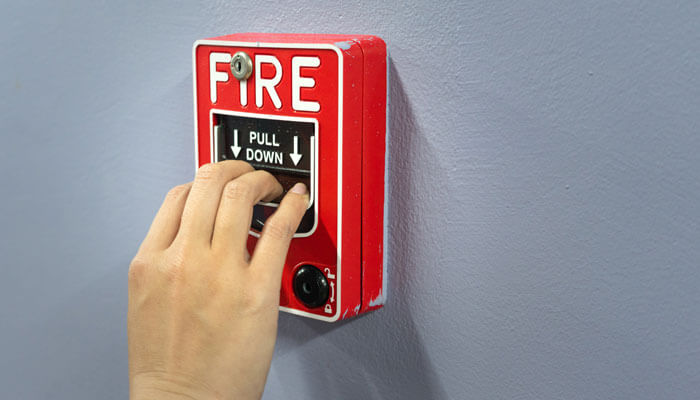
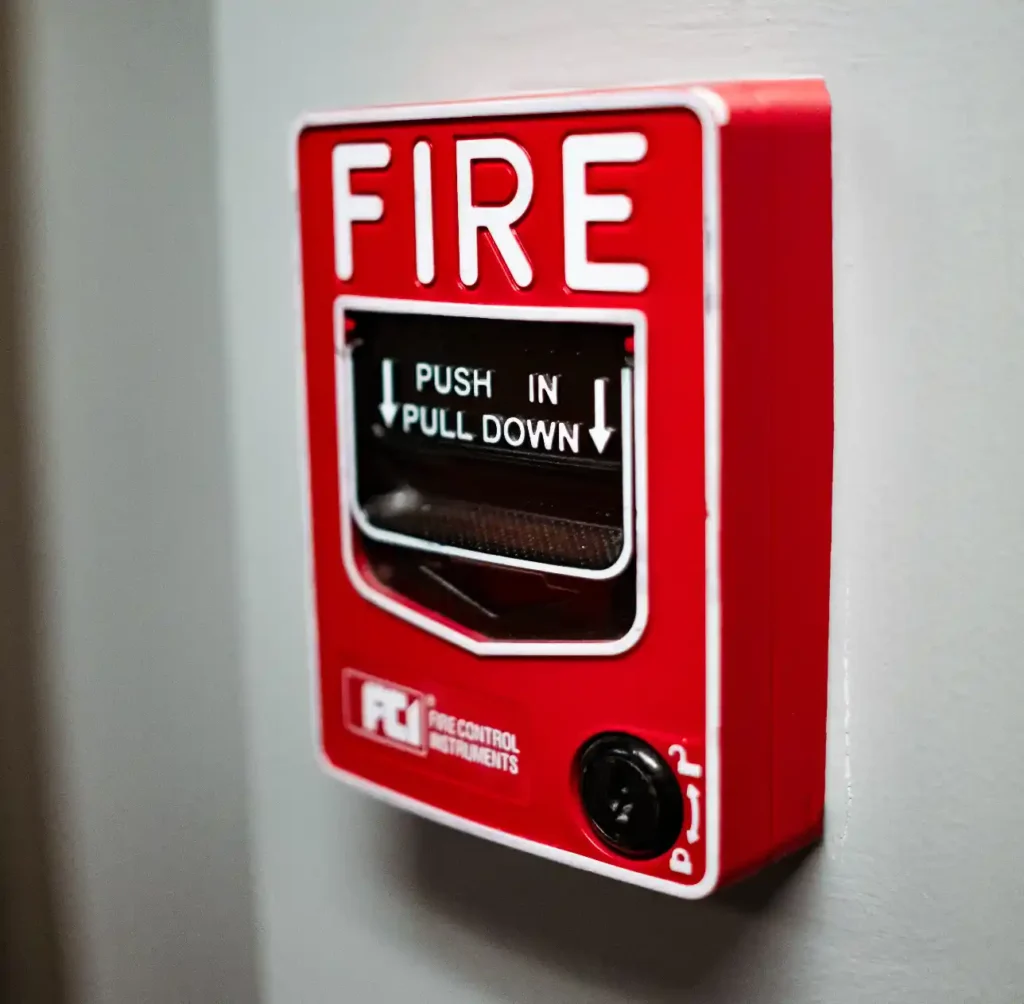
Compact Fire Alarm Systems by Zeta: A Practical Overview
In busy buildings, time matters, and the right early warning can make all the difference. Zeta Alarm Systems delivers compact fire alarm systems that stay small without staying quiet on safety. In the first moments of smoke, heat, or flame, these systems help people react, notify responders, and start the right chain of actions. Meanwhile, kord fire protection technicians explain the setup in plain terms, because nobody wants a fire system that reads like a mystery novel.
So, if someone thinks “compact” means “less capable,” they are usually thinking of the wrong kind of compact. These devices focus on fast detection, clear annunciation, and smart control while fitting into tight spaces. And yes, they still get attention during inspections, because fire safety never takes weekends off.
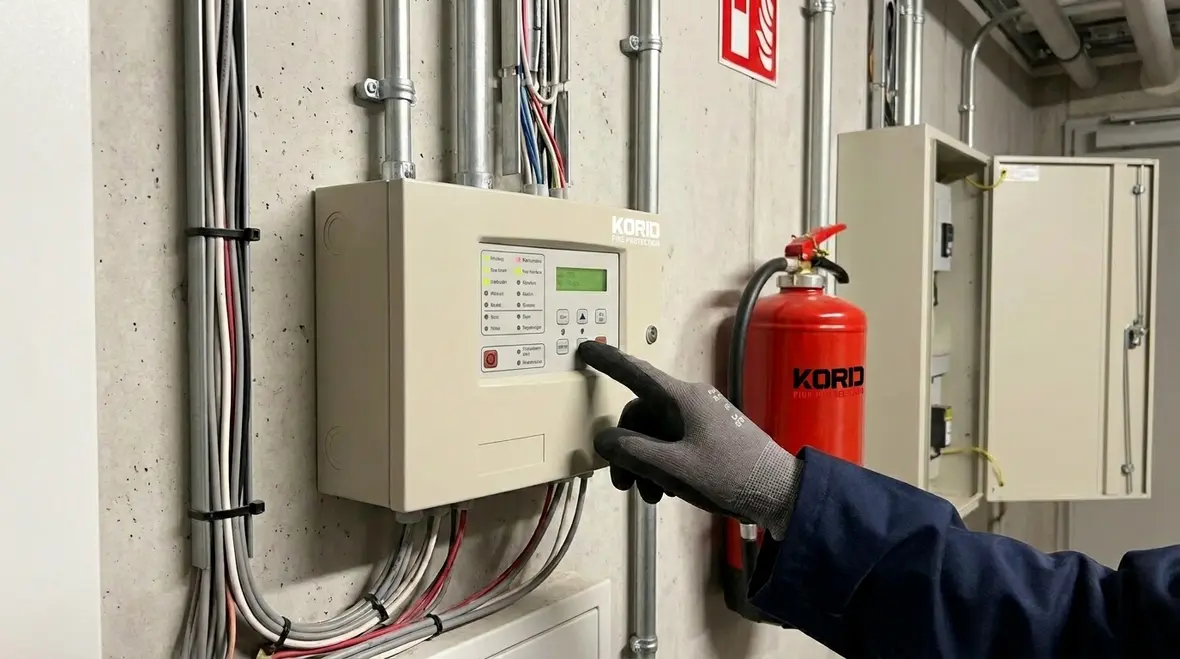
Overview of How It Works: What Happens When Trouble Starts
Compact fire alarm systems work by combining detection, alerting, and control in a focused package. First, sensors watch for conditions that suggest a fire, such as smoke particles, heat rise, or other triggers depending on the model. Then the control unit interprets signals and decides whether the event meets the threshold for alarm.
When an alarm condition starts, the system activates local notification and, where configured, signals to remote reporting. In addition, it can supervise wiring and device health so faults do not hide in the shadows. In other words, the system tries to tell the truth early, not only when it is too late.
Because zoning matters, these systems often support manageable grouping of areas. As a result, staff can respond with less guesswork. Rather than “somewhere in the building,” the system points to the area that needs attention. That clarity helps during drills and real events, and it reduces the awkward moment when everyone looks around like, “Who pressed the button?”
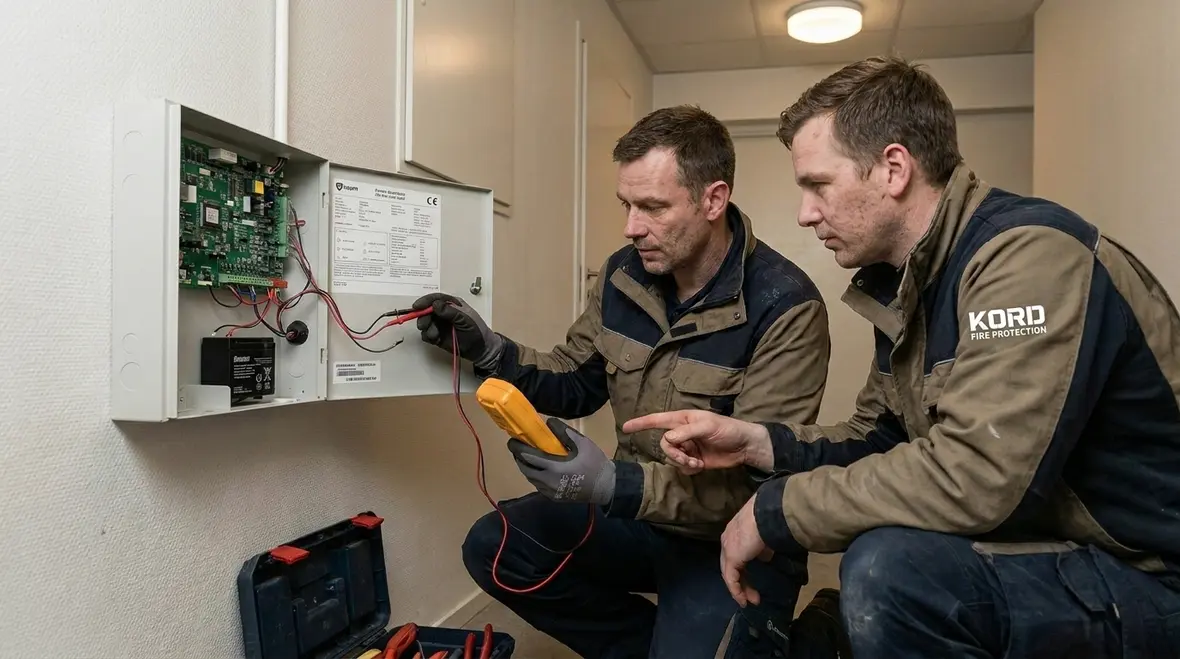
Real World Use Cases: Where Compact Systems Fit Naturally
Compact fire alarm systems find strong footing in locations where space, cost, and complexity must stay reasonable. For instance, small warehouses, retail stores, light manufacturing, and multi tenant suites often need solid protection without a massive control room footprint. Because these sites often have shorter wiring runs and defined hazards, a compact approach can meet the performance goal efficiently.
In schools, smaller buildings or wings benefit when the system supports clear notification and supervision. In assisted living facilities, alerts need to be dependable and easy to understand. Additionally, property managers often prefer a design that installers can service without turning every maintenance visit into a renovation project.
Hospitals also use similar concepts for areas like clinics, offices, or administrative wings. Even then, kord fire protection technicians typically take time to explain the design intent so the system fits the building’s life safety plan, not just the electrical layout.
And for those who wonder whether a compact panel can handle real alarms, the best answer is simple: it handles what the design requires. The system performs based on configuration, device selection, and coverage targets. It is like ordering a sandwich. It is not “small equals weak,” it is “right ingredients for the job.”
Strengths and Weak Points: What Owners Should Expect
Compact fire alarm systems bring clear advantages. First, they reduce physical footprint. That helps in closets, small mechanical rooms, and tight tenant spaces. Second, they can simplify commissioning. With fewer moving parts, technicians can test faster and document properly, which supports smoother handoff.
Third, these systems often provide straightforward event reporting and monitoring. Therefore, owners can spot issues earlier, such as a device trouble condition, a wiring fault, or an impaired signal path. In turn, staff can schedule repairs before problems pile up.
Now, the weak points matter too. A compact design can limit expansion if the building grows or hazards change. If a landlord later adds new tenant improvements, the original capacity might not cover new notification requirements. So, the best practice is to plan for the future during design, not after the first permit cycle.
Also, because compact systems run in smaller zones, the design must stay accurate. If the device placement does not match the hazard layout, the system may detect later than expected. However, this is not a “system problem.” It is a “design and install quality” problem. That is why qualified kord fire protection technicians document coverage and validate placement with proper testing.
Ongoing Maintenance Needs: Keep It Ready, Not Just Installed
Even the best compact fire alarm systems need ongoing attention. Smoke and heat do not negotiate. Dust, vibration, and aging components can all affect performance over time. Therefore, a maintenance plan should include inspection, testing, and record keeping.
Common activities include checking panel status, reviewing trouble logs, and verifying that devices communicate correctly. Technicians also test notification appliances so audible or visible output matches the required settings. Additionally, they clean and inspect detectors when appropriate, especially in dusty spaces like storage rooms or light manufacturing.
Battery health matters. Many systems rely on standby power, and over time batteries lose capacity. As a result, scheduled battery checks and replacements protect reliability during power interruptions. Also, wiring supervision helps detect damaged circuits, but the real goal remains clear: fix issues quickly so the system returns to normal conditions.
For owners, the key is to treat maintenance like a calendar event, not a reaction. When a trouble signal pops up on a random Tuesday, it should not wait until next quarter. Fire protection works best when the system stays ready before it needs to be brave.
Relevant NFPA and Local Code Requirements: The Rules That Keep Everyone Safe
Fire alarm design and maintenance must follow recognized standards and local authority rules. NFPA requirements commonly govern fire alarm systems, including design, testing, inspection, and maintenance practices. Authorities also often reference local building and fire codes, which may add specifics for permits and acceptable devices.
Because code requirements vary by jurisdiction, a local fire marshal or building department should review the final design. In addition, the system must meet the intended use group, occupancy type, and coverage design targets. For example, a system in one occupancy may require different device types or response behavior than a similar system in another occupancy.
That is where kord fire protection technicians often add real value. They help ensure the installation meets the plan, supports test procedures, and documents compliance in a way that inspectors understand. If the paperwork looks like it was written by a confused sitcom character, expect delays.
How to Choose and Specify Zeta Compact Fire Alarm Systems
Choosing the right compact fire alarm systems starts with a risk based look at the building. First, someone should identify the occupancy hazards and the locations where smoke or heat would likely form. Then the design should map detection and notification to those areas.
Next, the owner should confirm desired alarm behavior. Will the system notify occupants only, or will it send signals to a monitoring service? Also, how will the building staff acknowledge alarms? These choices affect device selection and system configuration.
Then comes capacity planning. Even compact systems need headroom for typical growth, such as added rooms, updated tenant layouts, or future device additions. Therefore, the system should include room to expand within the panel and wiring supervision strategy.
Finally, the install process matters. A compact system installed poorly will not perform as intended. However, when a qualified team tests and documents every circuit and device, the system becomes a dependable part of the building’s safety plan. And yes, a clean jobsite and clear labels help people during emergencies. Those labels might feel “extra” until the day they save minutes.
FAQ: Quick Answers for Featured Snippets
Final Takeaway: Put Zeta to Work with Confident Support
Compact fire alarm systems give owners a smart path to reliable life safety coverage when space and complexity must stay manageable. When Zeta Alarm Systems gets designed correctly and maintained on schedule, it delivers dependable detection, clear alerting, and fewer surprise failures. Next, reach out to experienced kord fire protection technicians to review the site needs, confirm code alignment, and plan testing before installation day. Act now and keep the system ready, because the best time to understand fire protection is before anyone needs it.
Want a matching Kord service for your system?
If you are planning service, upgrades, or ongoing alarm care, start with Kord’s fire alarm services page and get the right team behind the work—so your system stays ready when the moment hits.
Know Your Weapon Before You Fight the Flame
Kord Fire Protection is your go-to when it comes to all things fire protection. For over 20 years, we’ve been serving Southern California with the quality service and equipment to keep your home or business safe at all times. Our competitive prices reflect our unwavering commitment to protecting what matters most in the event of a fire emergency. Give us a call, send an email, or use that form!

Join Our Newsletter!
Get the latest fire safety tips delivered straight to your inbox From our Newsletter.