C-TEC Fire Panels: Alarm System Design Explained
C-TEC Fire Panels: Alarm System Design Explained
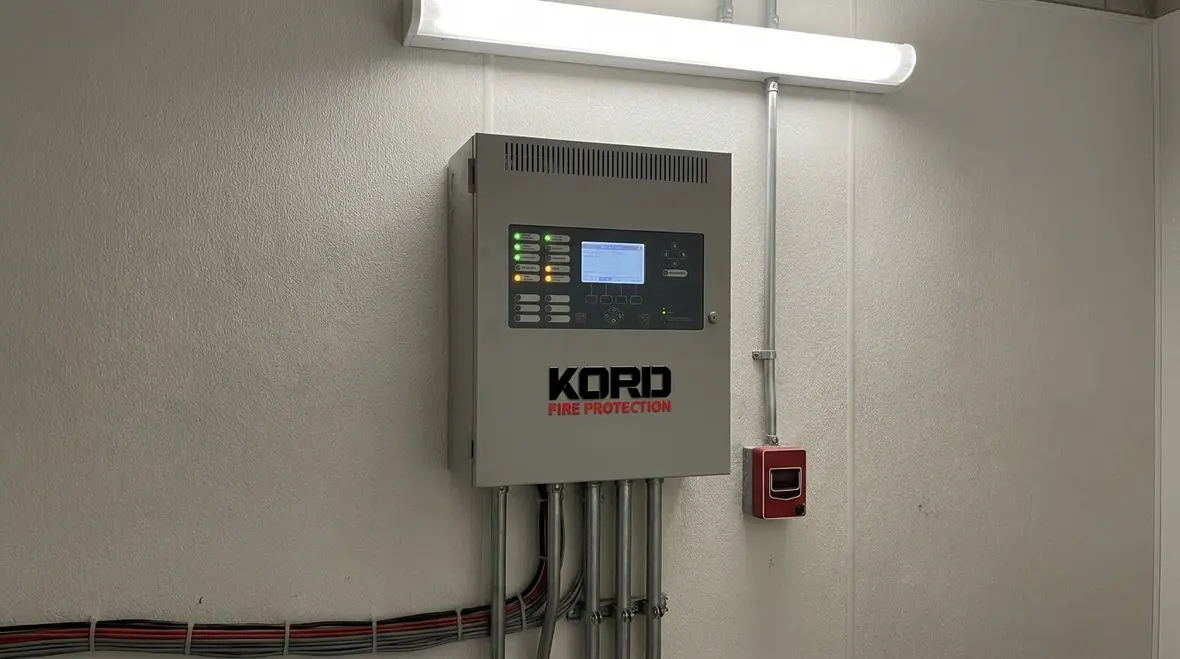
In a well run building, the fire alarm panel design does more than blink lights. It collects signals, checks device health, and then triggers the right alarms in the right order. A C-TEC fire panel sits at the center of that plan, and it ties together detection, notification, and supervision into one dependable workflow. To make it real, kord fire protection technicians often explain the process like a calm map: first identify what could go wrong, then route the response so people and property stay safer. And yes, it can feel oddly similar to planning a heist movie, except nobody gets arrested and the villain is usually “bad wiring.”
Overview of How It Works
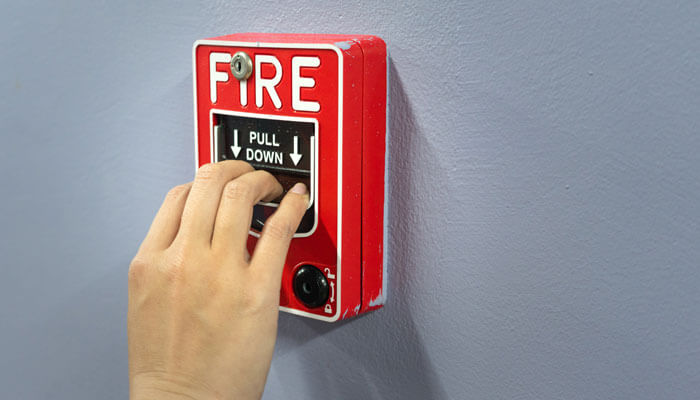
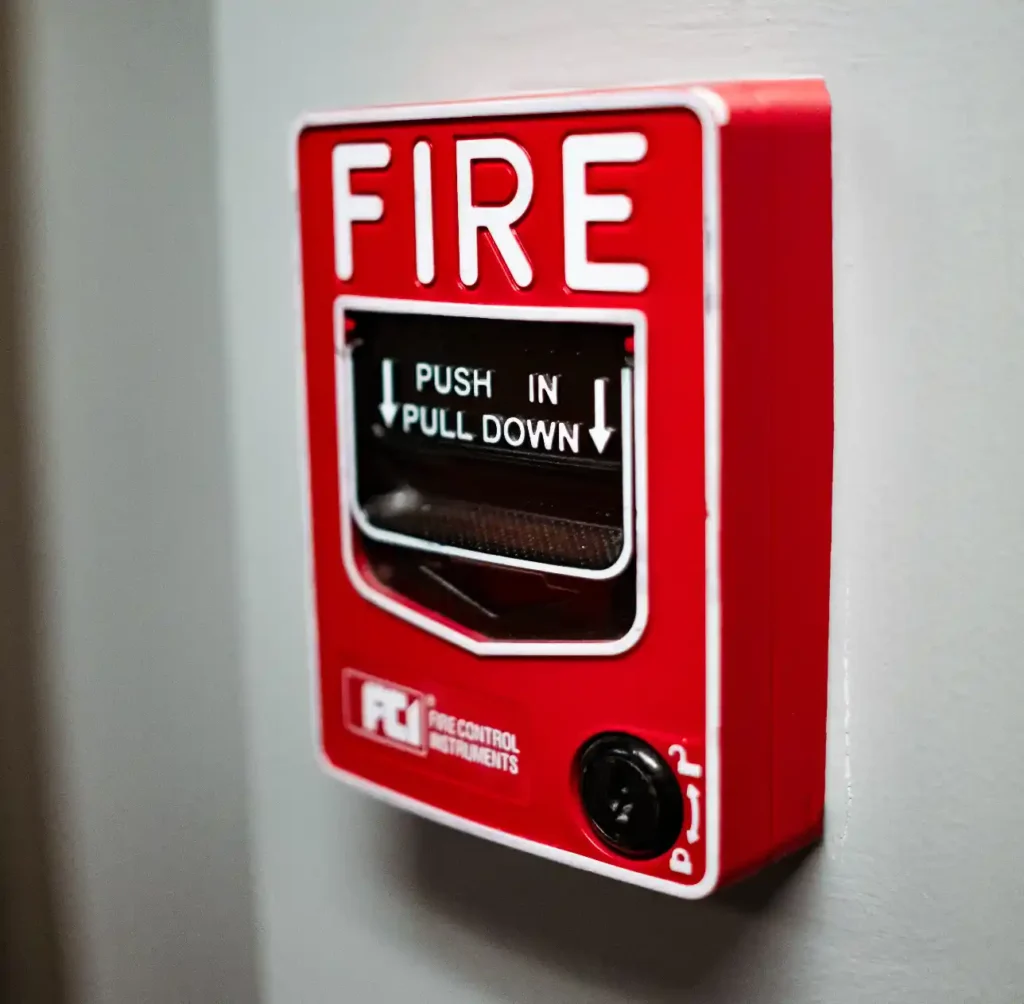
A proper C-TEC system starts with a simple idea: detect danger early, then communicate fast and clearly. First, the panel monitors fire alarm initiating devices such as smoke detectors, heat detectors, and manual pull stations. Next, it checks supervision data so it knows each device is present and functional. Then, when a device activates, the panel decides which output circuits should run based on the programmed logic.
In most alarm systems, the panel divides the job into layers. Detection identifies the issue. Signaling notifies occupants and responders. Control logic coordinates the order and timing. As a result, the fire alarm panel design becomes a set of intentional steps rather than a random set of lights and buzzers. Meanwhile, notification appliances such as horns, strobes, and voice speakers receive power and activation commands from the panel when conditions match the alarm criteria.
Additionally, modern panels support zoning and cause and effect mapping. This means the system can say, “Detector group A activated,” and then follow a predefined response pattern. For example, the control logic might activate local alarms first, then trigger additional functions if the event escalates. This is where kord fire protection technicians add value, because they help match the design to how a specific building operates, not just how a brochure describes it.
- Monitoring: Devices send status and alarms to the panel over supervised circuits.
- Decision: The panel applies programmed thresholds and logic for alarm levels.
- Notification: The panel drives output circuits for audibles, visuals, and interfaces.
- Recording: The panel stores events for investigation and service records.
Real World Use Cases That Make Sense
When teams plan fire protection, they must adapt the system to the building’s layout and occupancy. For that reason, the same panel brand can support very different scenarios. Consider a small commercial office. Designers often keep zones tight, so staff can tell which corridor has an alarm and respond faster.
Now compare that to a warehouse. Here, ceilings and open spaces can slow detection if they are not planned correctly. The design team may space detectors based on airflow, height, and expected fire behavior. Then, they coordinate notification placement so audible and visual coverage meets the standard for where people actually walk and gather.
In multi tenant facilities, the fire alarm panel design must also handle how occupants share or separate spaces. Some systems add interfaces for door releases, smoke control equipment, elevator recall, and off site reporting. In practice, kord fire protection technicians explain that the goal stays the same: the panel must trigger the right functions without causing unnecessary shutdowns. Otherwise, you get the kind of chaos that makes everyone act like they are in a low budget action film.
Scenario
- Retail storefronts with frequent tenant changes
- Warehousing with high ceilings and complex aisles
- Apartments with shared corridors and multiple notification paths
Design Focus
- Clear zoning for quick location
- Detector placement that matches airflow and fire growth
- Notification and evacuation flow that fits occupancy routes
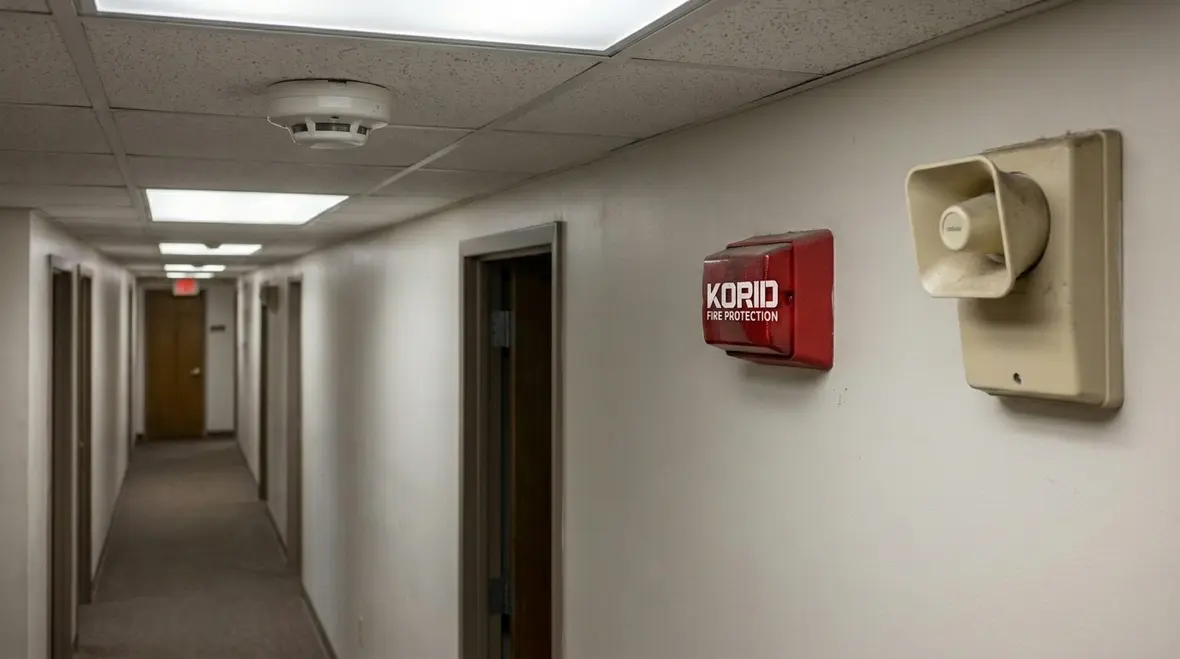
Strengths and Weak Points in Panel Design
A C-TEC fire panel earns trust when it supports disciplined system planning. One key strength is flexibility in mapping devices and outputs to the building’s needs. In addition, panels with strong supervision help teams detect wiring faults and device failures early. That early detection matters, because a system that only works during a fire is like bringing an umbrella to a hurricane after the sky already broke.
Another strength is service friendliness. The best alarm system design supports clear diagnostics, so maintenance teams can find issues without guesswork. For building owners, this can reduce downtime and help keep compliance work on schedule.
However, weak points appear when design details get rushed. If the system uses incorrect detector types or spacing, nuisance alarms can grow. If notification appliances are placed without sound and sight line planning, occupants may not hear or see alerts. Also, if interconnections are added without careful testing, the panel can behave in ways that frustrate operations. And let us be honest, nothing says “fun afternoon” like investigating a false activation that turns out to be a miswired interface from last year.
To reduce risk, the design team should verify each circuit’s load, confirm proper end of line supervision, and test all programmed functions. Moreover, they should plan for future expansion so the panel can grow with the building, not fight it.
Ongoing Maintenance Needs That Keep Systems Reliable
Maintenance turns a fire alarm panel into a living safety tool. First, routine inspections confirm that devices remain clean, positioned correctly, and within service limits. Next, technicians verify that initiating and notification circuits remain supervised and stable. Then, they test alarm functions in line with the required schedule. This approach prevents the common “it passed last time” trap.
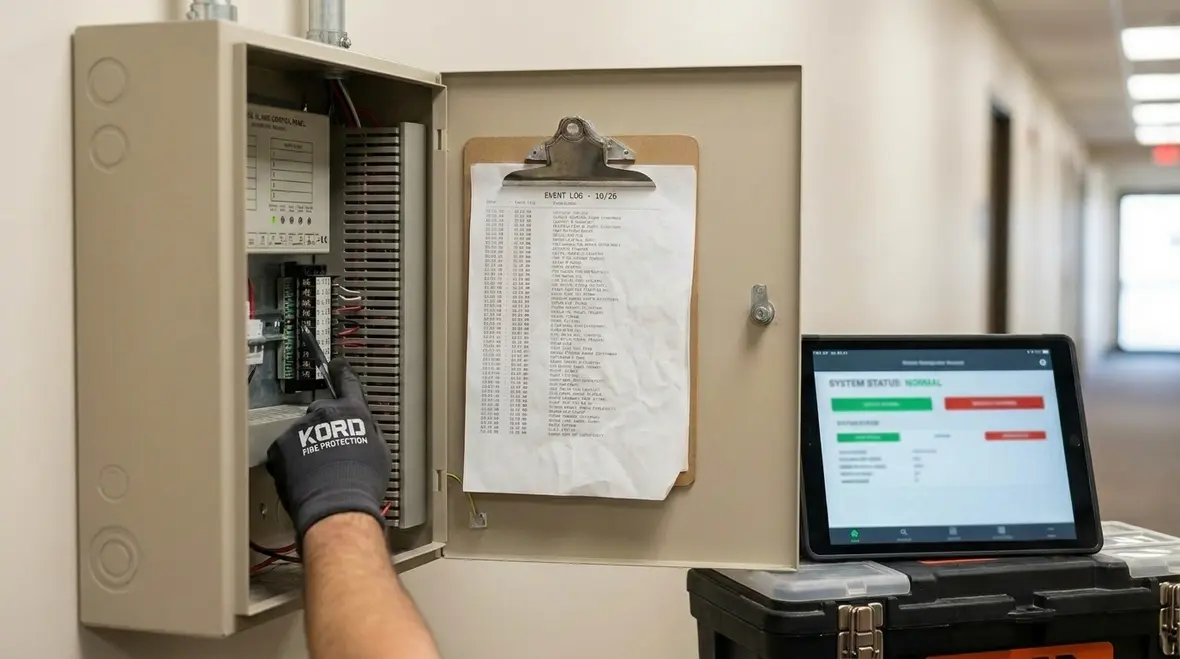
In practice, kord fire protection technicians often stress that maintenance is not just about replacing parts. It also includes reviewing event logs, checking for recurring faults, and confirming that any facility changes still match the original fire alarm panel design. If a company remodels a suite, moves storage, or changes door hardware, the design assumptions can drift. Therefore, a smart maintenance plan ties back to the building’s current risk picture.
- Visual checks of detectors, pull stations, and notification appliances
- Functional testing of alarm and fault signaling paths
- Verification of communication pathways when interfaces link to monitoring
- Cleaning and calibration where applicable based on manufacturer guidance
Additionally, technicians should update system documentation. That includes device lists, zone descriptions, and cause and effect mappings. When documentation stays current, troubleshooting gets faster and less stressful for everyone involved. And yes, it also reduces the chance of someone asking, “Wait, what does that circuit do again?” in the middle of a real job.
Relevant NFPA and Local Code Requirements
Fire alarm requirements depend on what the building is used for and where it sits, but certain themes repeat. Most jurisdictions rely on NFPA standards, then add local amendments. The most common reference for fire alarm systems includes NFPA 72, which covers inspection, testing, and maintenance as well as installation practices. In addition, many projects connect smoke detection and notification design to occupancy based rules found in other NFPA chapters and applicable building codes.
Design and installation also often account for requirements for building construction type, occupancy class, and life safety features. Furthermore, some jobs require secondary power supplies, supervisory checks, and compliance testing by qualified personnel.
Because local code interpretation can change, the safest path is for the design team to coordinate with the local authority having jurisdiction. As a result, the final fire alarm panel design aligns with both the national baseline and the local enforcement expectations. kord fire protection technicians frequently help by translating code language into clear design steps, so teams do not treat compliance like a magic ritual that only inspectors understand.
- NFPA 72: Core requirements for fire alarm systems, testing, and maintenance
- Local amendments: Jurisdiction specific revisions and enforcement details
- Occupancy rules: Requirements that drive detection and notification levels
How to Use These Systems Well From Day One
Once the C-TEC panel and the overall fire alarm panel design are installed, teams must use them with intention. First, they should train staff on what alarms mean and who responds. Then, they should set clear procedures for investigating trouble signals. Next, they should ensure monitoring and communication paths are verified so the right people receive the right alerts.
For building owners and facility managers, the best outcomes happen when the system stays aligned with the floor plan. Therefore, they should schedule a design review before renovations and document any changes. Also, they should use event logs as a performance tool, not just a stack of paperwork. When maintenance, documentation, and response plans stay connected, the system becomes faster to understand and easier to trust.
To put it simply, we can use these systems to protect lives, shorten response time, and reduce costly downtime caused by avoidable faults. And when the job gets done right, the panel acts like a steady voice in the background, guiding everyone through the moments that matter most.
FAQ: Quick Answers for Featured Snippets
Conclusion and Call to Action
A strong fire alarm panel design makes safety predictable, not mysterious. When a C-TEC fire panel supports clear zoning, supervised circuits, and well planned notifications, it helps people respond faster and reduces downtime from trouble events.
The best next step is simple: schedule a review with qualified kord fire protection technicians to confirm the design fits the building, update documentation, and map a practical maintenance plan. If you want fewer surprises and faster service, reach out now and get the system working the way it should.
Ready to make your design stay “future-proof”?
Let our team help verify your wiring, device choices, supervision settings, and cause and effect mapping—so your system behaves the way you planned when it matters most.

Know Your Weapon Before You Fight the Flame
Kord Fire Protection is your go-to when it comes to all things fire protection. For over 20 years, we’ve been serving Southern California with the quality service and equipment to keep your home or business safe at all times. Our competitive prices reflect our unwavering commitment to protecting what matters most in the event of a fire emergency. Give us a call, send an email, or use that form!

Join Our Newsletter!
Get the latest fire safety tips delivered straight to your inbox From our Newsletter.