
Wireless Fire Alarm System Operation Guide
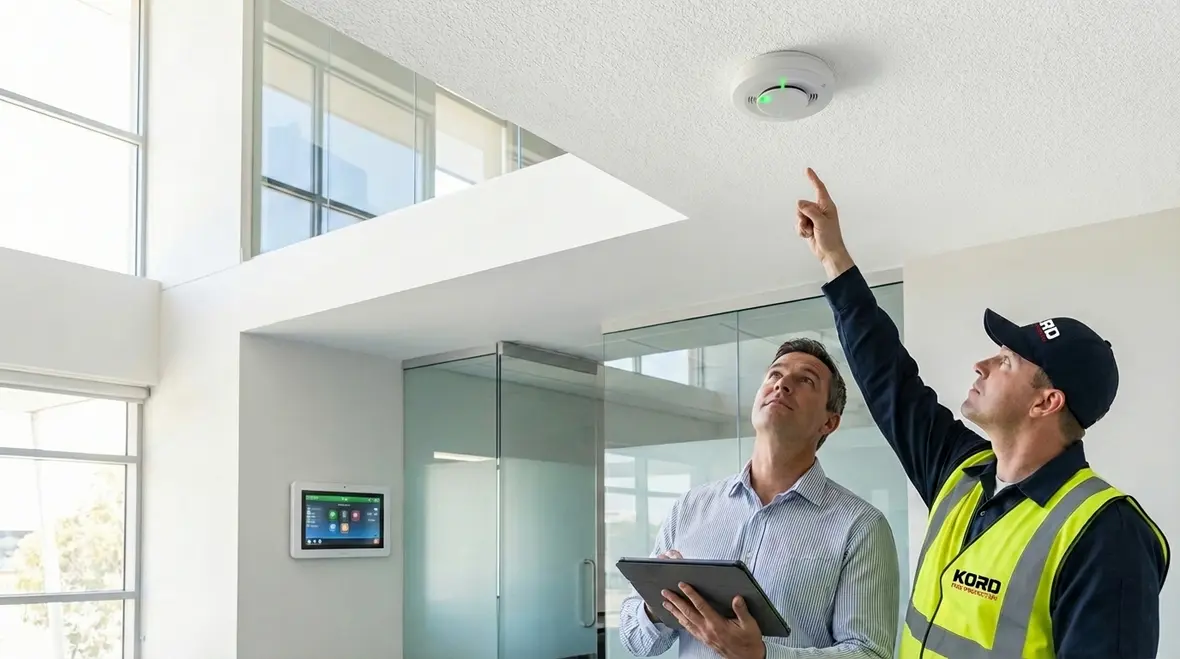
In modern facilities, safety no longer relies on a maze of copper wires hidden behind drywall. Instead, wireless fire alarm system operation uses secure radio signals, smart sensors, and intelligent control panels to detect danger in seconds. From hospitals to warehouses, these systems move quietly in the background, watching, listening, and ready to act. Kord Fire Protection technicians often explain that the real magic is not in flashy hardware, but in how each device speaks to the next without a single physical connection. The result is faster installation, flexible design, and reliable life safety protection that keeps people and property secure.
The Evolution of Fire Detection in Modern Facilities
Fire detection once depended on miles of cable and hours of labor. Electricians ran wire through ceilings and walls, often disrupting daily business. While wired systems still serve many buildings well, facilities today demand flexibility. Offices change layouts. Warehouses expand. Hospitals add new wings. Therefore, building owners seek systems that can adapt without tearing into drywall like a home renovation show gone wrong.
Wireless technology answered that call. Instead of hard connections, devices use radio frequency signals to communicate with a central control panel. Consequently, installation becomes less invasive and often faster. Kord Fire Protection technicians describe it in simple terms. Each detector acts like a trusted team member carrying a walkie talkie. When smoke or heat appears, that device speaks up immediately. The panel listens, confirms, and triggers alarms.
Moreover, modern facilities benefit from cleaner design. There are fewer cables to manage, which reduces clutter and potential damage. As buildings become smarter and more connected, wireless detection aligns naturally with that trend. It fits into the broader movement toward smart infrastructure, where systems talk to each other with precision and speed.
Where Wireless Fits Into Today’s Fire Protection Strategy
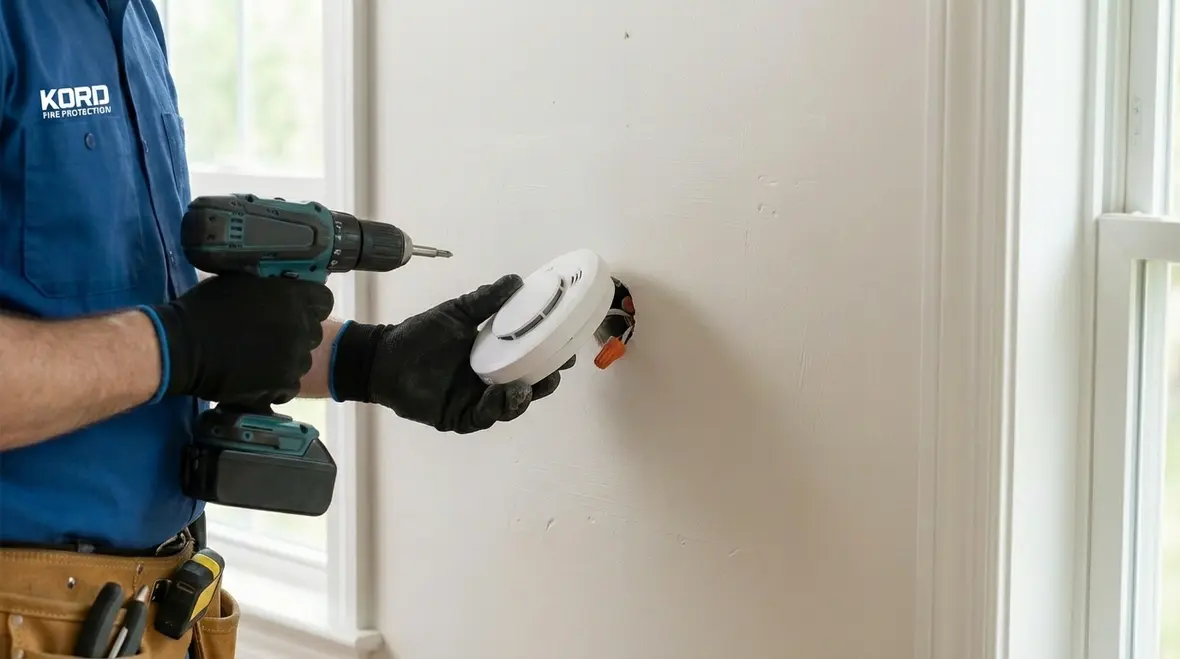
For many properties, wireless detection complements existing wired infrastructure rather than replacing it entirely. Facility managers may choose hybrid designs, using wired devices in new construction areas and wireless devices in finished or hard-to-access spaces. This balanced approach keeps costs manageable while taking advantage of wireless flexibility.
How Wireless Fire Alarm Systems Work in Modern Facilities
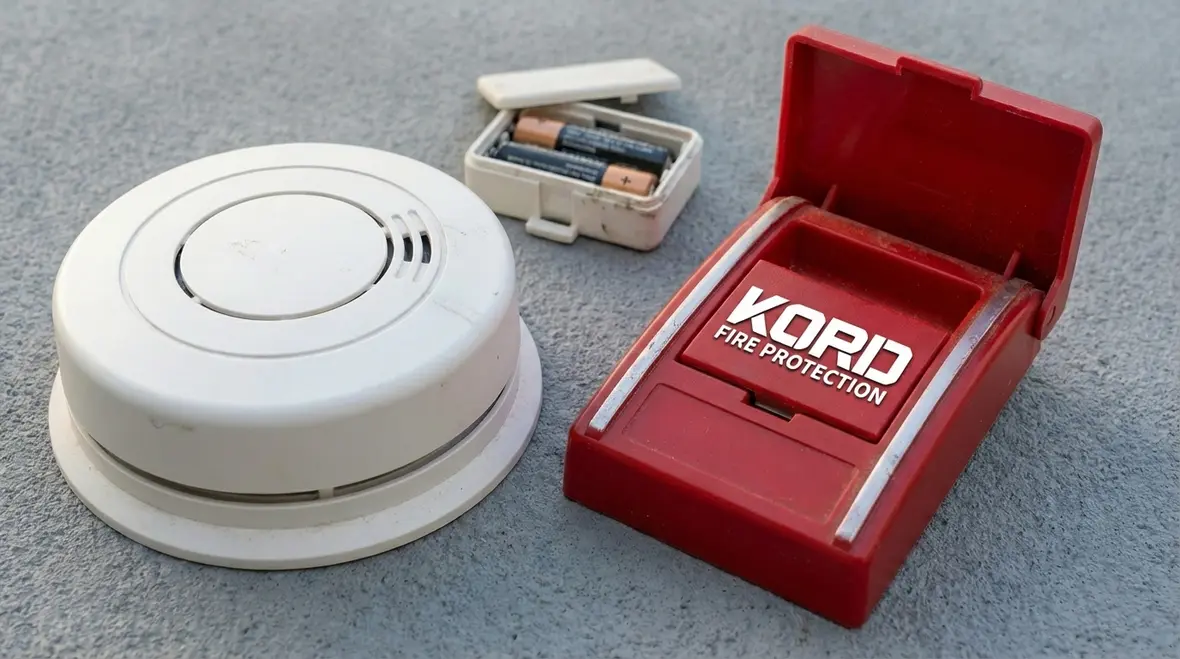
At its core, wireless fire alarm system operation depends on three primary components. First, initiating devices such as smoke detectors, heat sensors, and manual pull stations. Second, a central control panel. Third, notification appliances like horns and strobes.
However, the difference lies in communication. Each device contains a transmitter and a power source, typically long life batteries. When a sensor detects smoke particles or a rapid rise in temperature, it converts that data into a radio signal. The signal travels securely to the control panel using encrypted frequencies. Because of this encryption, interference and tampering become far less likely.
Kord Fire Protection technicians often reassure facility managers that reliability remains the top priority. The system constantly checks in with each device. If a detector fails to respond, the panel flags a trouble condition. Therefore, staff receive early warning of maintenance needs before a real emergency arises.
Additionally, many systems use mesh network technology. In a mesh network, devices relay signals through each other. So even if one path becomes blocked, the message finds another route. It is a bit like traffic rerouting during rush hour, except far less frustrating and far more efficient.
Signals, Supervision, and Smart Integration
Beyond simple alarm activation, wireless panels can share data with smart monitoring and building automation platforms. These integrations echo the same connected approach described in Kord Fire’s smart fire monitoring and data-driven safety systems, where real-time data supports better decisions and faster response.
What Happens During an Alarm Event
When smoke enters a sensing chamber, the detector reacts almost instantly. It sends a signal to the control panel identifying its exact location. Within seconds, the panel verifies the signal and activates programmed responses. These may include audible alarms, flashing strobes, elevator recall, door release, or even notification to a remote monitoring center.
Because the system is addressable, it does not simply say there is a fire somewhere in the building. Instead, it pinpoints the precise device in alarm. This detail helps first responders act quickly and reduces confusion. After all, no one wants to play hide and seek with a fire.
Furthermore, many facilities integrate their fire alarm system with building management systems. As a result, ventilation systems can shut down to slow smoke spread. Access control doors may unlock to allow safe exit. Each response follows a pre programmed sequence designed during system commissioning.
Kord Fire Protection technicians emphasize that proper programming makes all the difference. A well designed cause and effect plan ensures that the right actions occur at the right time. In emergencies, seconds matter. Therefore, clarity and precision guide every configuration.
From Local Alarms to Full Monitoring
Many facilities pair wireless detection with professional fire alarm monitoring systems. In that setup, once the panel receives and verifies a signal, it also transmits an event to a supervising station, where trained personnel notify first responders in seconds. This extra layer means the system protects people even when the building is empty.
Key Components That Power the System
Although wireless technology sounds complex, its building blocks remain straightforward. Each component serves a clear purpose.
Control Panel
Control Panel
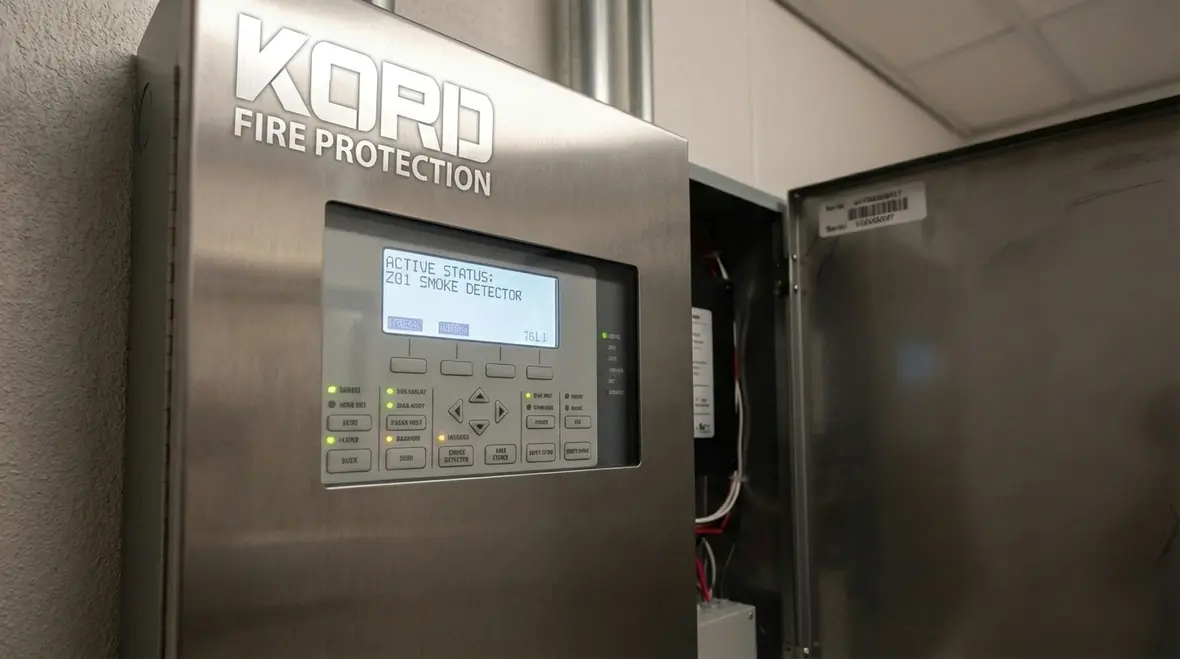
The control panel acts as the brain. It receives signals, processes data, and initiates responses. Modern panels feature digital displays that show device status, battery levels, and event history. Because of this transparency, facility managers gain better oversight.
Initiating Devices
Initiating Devices
Smoke detectors use photoelectric or ionization methods to sense particles. Heat detectors respond to temperature changes. Manual pull stations allow occupants to trigger alarms directly. Together, these devices create layered detection.
Notification Appliances
Notification Appliances
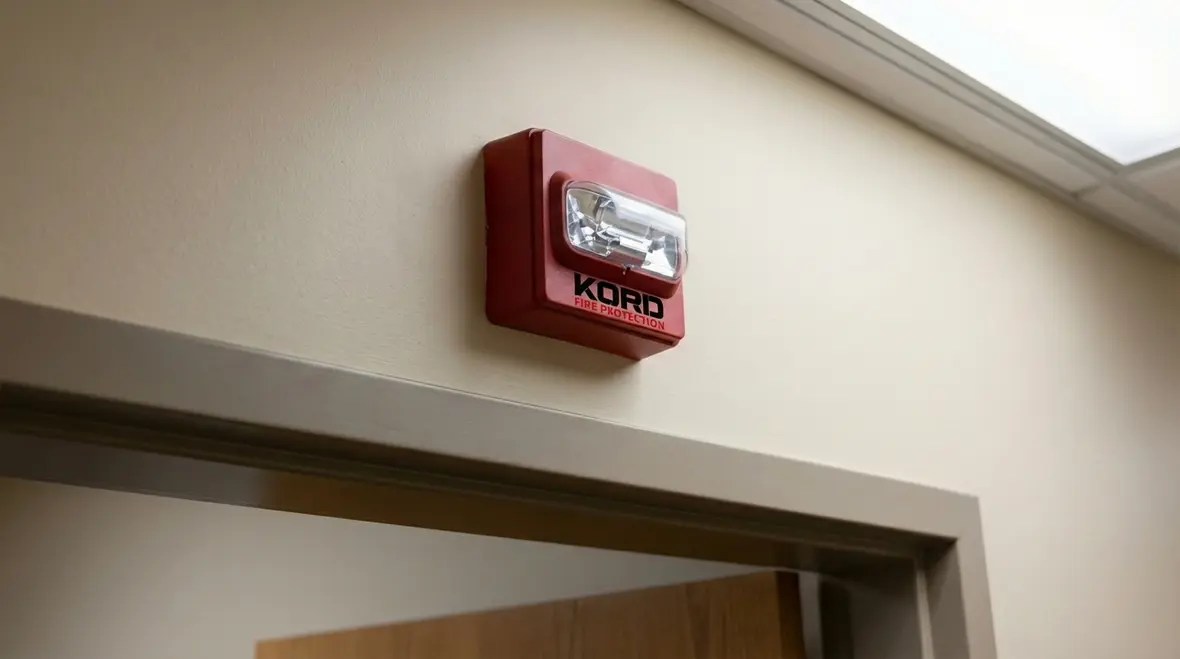
Horns, strobes, and voice evacuation speakers alert occupants. In larger facilities, voice messages provide clear instructions. Consequently, evacuation becomes orderly rather than chaotic.
Power Sources
Power Sources
Each wireless device runs on batteries designed to last several years. The panel monitors battery health continuously. When levels drop, maintenance teams receive alerts long before failure occurs.
Side by Side Comparison for Facility Managers
|
Wireless Systems Faster installation with minimal disruption Flexible device placement Ideal for historic or finished buildings Expandable without major construction Battery monitoring built into system |
Traditional Wired Systems Requires extensive cabling Fixed layout once installed Best suited for new construction Expansion may require new wiring paths Centralized power with backup batteries |
This comparison does not suggest one method replaces the other entirely. Instead, it highlights how wireless solutions meet the needs of modern, changing environments. Kord Fire Protection technicians evaluate each facility before recommending a path forward. After all, every building tells its own story.
Benefits Beyond Installation Speed
While quick installation often grabs attention, the advantages reach further. First, wireless systems reduce structural impact. Historic properties, for example, benefit greatly because installers avoid drilling through decorative surfaces. Preservation boards tend to appreciate that.
Second, scalability improves long term value. As businesses grow, they can add devices without pulling new cable. Therefore, expansion becomes less expensive and less disruptive.
Third, maintenance becomes more precise. Because each device reports its status, technicians can pinpoint issues immediately. Instead of inspecting every unit manually, they focus on specific alerts. This targeted approach saves time and supports compliance with inspection codes.
Moreover, encrypted communication enhances security. Unauthorized interference becomes extremely difficult. In a world where even refrigerators connect to the internet, safeguarding fire detection signals feels not just wise, but necessary.
Are Wireless Fire Alarm Systems Reliable Enough for Large Buildings?
Yes, when designed and installed correctly, they perform with high reliability. That said, proper planning matters. Large facilities require careful signal testing to confirm coverage. Technicians conduct site surveys to measure radio strength and identify potential obstacles such as thick concrete walls or heavy machinery.
Additionally, mesh networking strengthens performance in complex layouts. Devices support one another by relaying signals, which increases redundancy. If one pathway weakens, another compensates. This layered communication mirrors the redundancy found in wired loops.
Kord Fire Protection technicians often explain reliability using a simple image. Imagine a group of neighbors keeping watch over a street. If one person steps inside for coffee, the others still see what is happening. Likewise, the system continues to function even if one device experiences an issue.
Of course, regular inspection remains essential. Batteries must be replaced as recommended. Firmware updates may improve performance. Therefore, partnering with experienced professionals ensures ongoing dependability.
Compliance, Testing, and Professional Oversight
Fire alarm systems must meet strict codes and standards. Local authorities and national regulations dictate installation practices, testing intervals, and documentation. Consequently, facility managers cannot treat compliance as an afterthought.
Kord Fire Protection technicians guide clients through this process. They conduct acceptance testing after installation to confirm every device communicates correctly. They also schedule routine inspections to verify sensors respond within required sensitivity ranges.
Furthermore, documentation plays a key role. Inspection reports, battery replacement logs, and system updates create a clear record for authorities having jurisdiction. In the event of an audit or incident review, thorough documentation provides assurance that the system received proper care.
Because codes evolve, staying informed becomes part of responsible ownership. Professional technicians monitor regulatory changes and adjust maintenance plans accordingly. As a result, facilities remain compliant and protected.
Planning for the Future of Fire Protection
Technology rarely stands still. Today, many wireless systems integrate with cloud based monitoring platforms. Facility managers can view system status remotely through secure dashboards. This visibility supports faster decision making and proactive maintenance.
In addition, data analytics may identify patterns such as recurring trouble signals in specific areas. By studying this data, teams can address environmental factors before they escalate. It is a bit like noticing your car makes a strange noise before it breaks down on the highway. Early action prevents bigger problems.
As smart buildings become more common, wireless fire alarm system operation will likely connect even more deeply with other safety systems. However, the mission remains unchanged. Detect danger early. Alert occupants clearly. Support safe evacuation.
Kord Fire Protection technicians stress that technology alone does not create safety. Thoughtful design, skilled installation, and consistent maintenance complete the picture. When these elements align, facilities gain protection that works quietly in the background, ready when needed most.
Frequently Asked Questions
Secure Your Facility with Confidence
Modern buildings demand flexible, intelligent protection. Wireless solutions deliver speed, precision, and adaptability without sacrificing reliability. Kord Fire Protection technicians stand ready to design, install, and maintain systems tailored to each facility. When safety matters, and it always does, partnering with experienced professionals ensures protection that works quietly yet powerfully.
If you are exploring options for new systems, upgrades, or monitoring, Kord Fire’s dedicated fire alarm services team can evaluate your current setup, recommend wireless solutions, and align everything with local codes and NFPA guidelines.
Ready to move from research to action? Explore Kord Fire’s comprehensive fire alarm monitoring systems to pair your wireless detection with 24/7 response. From design and installation to ongoing inspections, the team is here to keep your facility prepared for whatever comes next.
Contact Kord Fire Protection today and give your building the confidence it deserves.
Know Your Weapon Before You Fight the Flame
Kord Fire Protection is your go-to when it comes to all things fire protection. For over 20 years, we’ve been serving Southern California with the quality service and equipment to keep your home or business safe at all times. Our competitive prices reflect our unwavering commitment to protecting what matters most in the event of a fire emergency. Give us a call, send an email, or use that form!

Join Our Newsletter!
Get the latest fire safety tips delivered straight to your inbox From our Newsletter.


