NFPA 10 Fire Extinguisher Inspection Maintenance and Recharge
Quick Answer: NFPA 10 fire extinguisher care covers inspection, maintenance, and recharging so units stay ready when needed. For industrial, retail, commercial, and facility sites, that means regular checks, fast repairs, proper recharge after use, and clear records. Kord Fire Protection can support this work, helping keep compliance tight and risk low.
Fire extinguishers are small, but they carry a very large job. NFPA 10 inspection maintenance requirements set the standard for keeping them ready, and that matters in busy workplaces where one missed fault can turn a small incident into a costly headache. In simple terms, the process includes routine inspection, scheduled maintenance, and recharging after use or discharge. Done well, it helps protect people, property, and operations, while also supporting compliance. And yes, it is less exciting than a superhero movie, but far more useful when smoke shows up uninvited.
For sites that need a hands-on partner from the start, Kord Fire’s fire extinguisher training, inspection, testing, and maintenance services fit naturally into a stronger compliance plan. If you want the broader code context behind this article, it also helps to review Kord Fire’s NFPA 10 portable fire extinguisher guidelines for added detail on selection, placement, and service expectations.
What NFPA 10 Means for Workplace Safety
NFPA 10 gives a clear path for fire extinguisher care. It explains how often units need checks, what signs of damage matter, and when service must happen. In practice, the standard helps a site know if an extinguisher is present, accessible, pressurised, and fit for use. It also supports safer decision making across warehouses, offices, retail floors, plant rooms, and loading docks.
For facilities teams, the value is simple. A good extinguisher program reduces downtime, supports site audits, and shows duty of care. Moreover, it helps staff trust the gear on the wall instead of treating it like office decor with a gauge.
Why readiness matters more than appearances
A extinguisher can look perfectly respectable while hiding problems that only show up when someone grabs it in a hurry. Pressure can drift. Seals can wear. Mounting can loosen. Labels can fade. Access can get blocked by stock, boxes, carts, or the one pallet jack that always seems to choose violence. NFPA 10 exists so those issues are found before an emergency asks the awkward question nobody wants to answer.
How to Inspect Fire Extinguishers Correctly
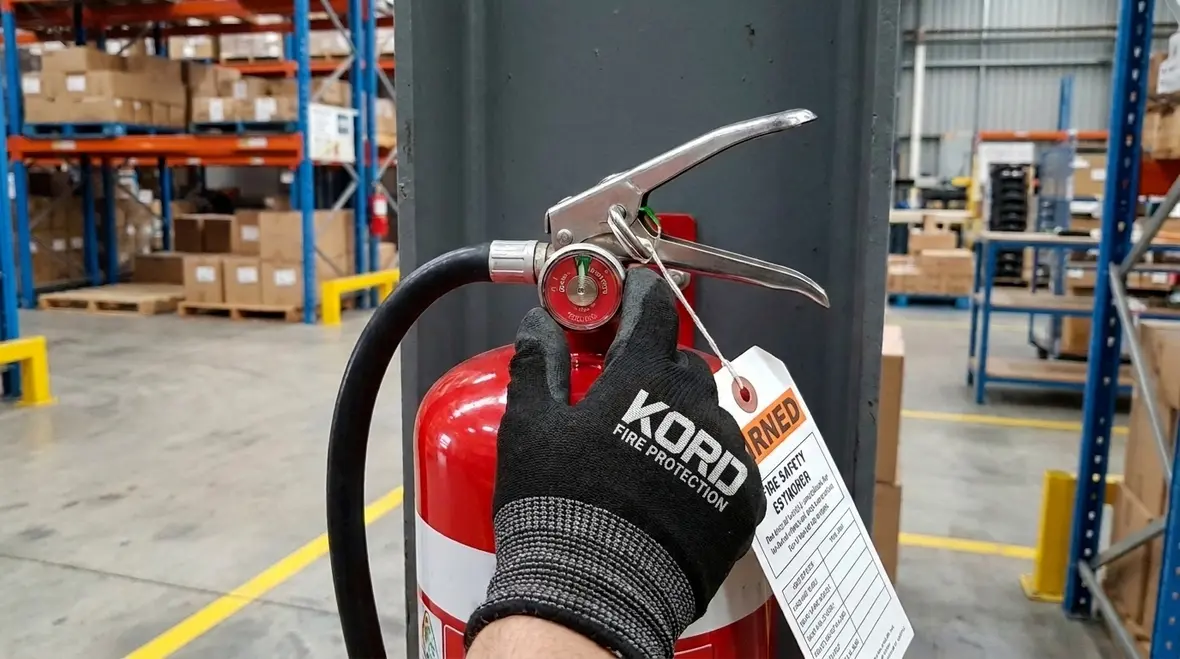
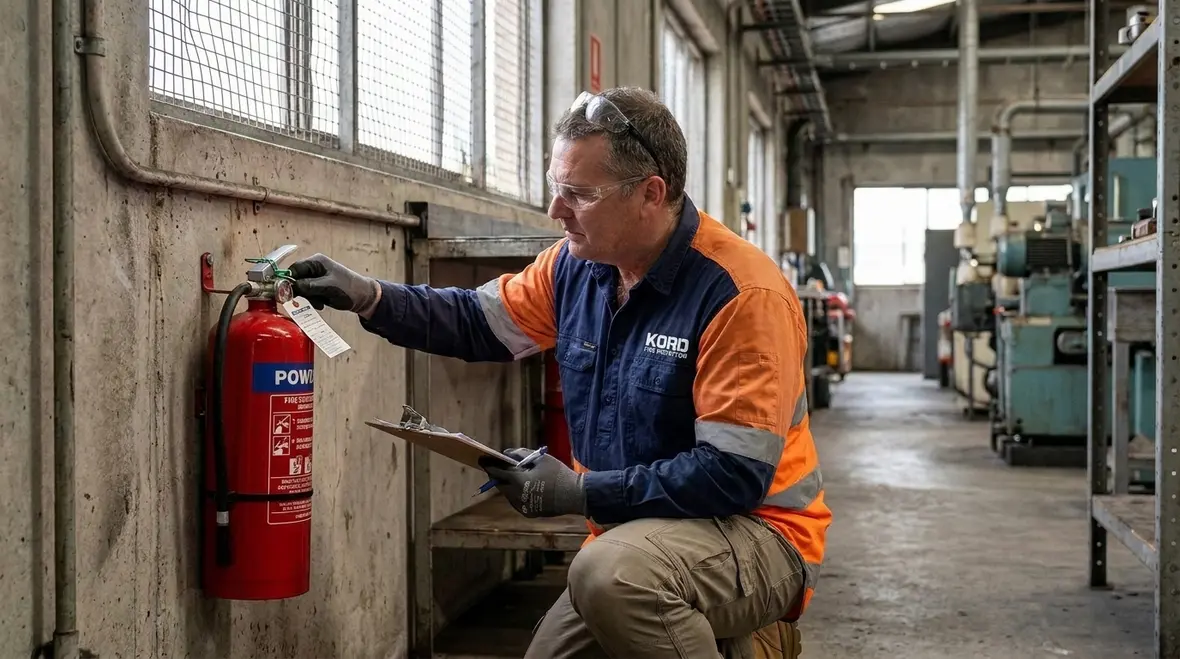
The inspection step is the first line of defence. It should look at the extinguisher from top to bottom and confirm it is ready for action. Trained staff or a fire protection provider can complete these checks, depending on site needs and the applicable schedule.
Key inspection points
- Correct placement and clear access
- Visible, legible label and operating instructions
- Secure mounting or cabinet storage
- Pressure gauge in the safe range
- No dents, corrosion, leaks, or damage
- Safety pin and seal intact
- Proper extinguisher type for the hazard area
- Service tag and records up to date
Also, the extinguisher should be easy to reach. If boxes, stock, or a wandering pallet jack block access, the unit is not truly ready. That is the kind of problem that looks small right up until it is very, very not small.
Routine checks
Routine checks focus on quick visual readiness. The goal is to confirm the unit is where it should be, accessible, tagged, and showing no obvious problem that would make it unreliable.
Maintenance
Maintenance digs deeper into condition, function, and internal parts. It is the part that finds the hidden issues an ordinary glance will never catch.
| Service Item | Purpose |
| Inspection | Confirms the extinguisher is visible, intact, and accessible |
| Maintenance | Tests the unit more deeply and corrects wear, damage, or faults |
| Recharging | Restores the extinguisher after use, discharge, or loss of pressure |
What Maintenance Includes Beyond a Visual Check
Maintenance goes deeper than a walk by glance. It can involve careful disassembly, weighing, internal checks, seal replacement, hose review, nozzle inspection, and pressure testing where needed. If a unit has damage or does not meet the standard, the technician must fix it or remove it from service.
This step matters because fire extinguishers can age quietly. They sit there all year, looking confident, while seals dry out and pressure changes in the background like a plot twist in a detective series. Regular maintenance catches those hidden issues before they become a problem.
For industrial and commercial sites, this work also helps with harsh conditions. Dust, vibration, heat, grease, and movement can all shorten extinguisher life. Therefore, maintenance must match the actual site environment, not just the calendar.
Common maintenance findings that should not be ignored
- Low pressure even when the unit looks untouched
- Damaged hoses or cracked nozzles
- Broken tamper seals or missing pins
- Corrosion beginning around the neck or base
- Unreadable instructions that make emergency use harder
- Units installed in the wrong hazard area
Those findings are not cosmetic little quirks. They are warnings that a unit may fail at the exact moment it is supposed to perform like a hero. And unlike movie heroes, extinguishers do not get dramatic comeback scenes if they fail the first time.
When Recharging Fire Extinguishers Is Required
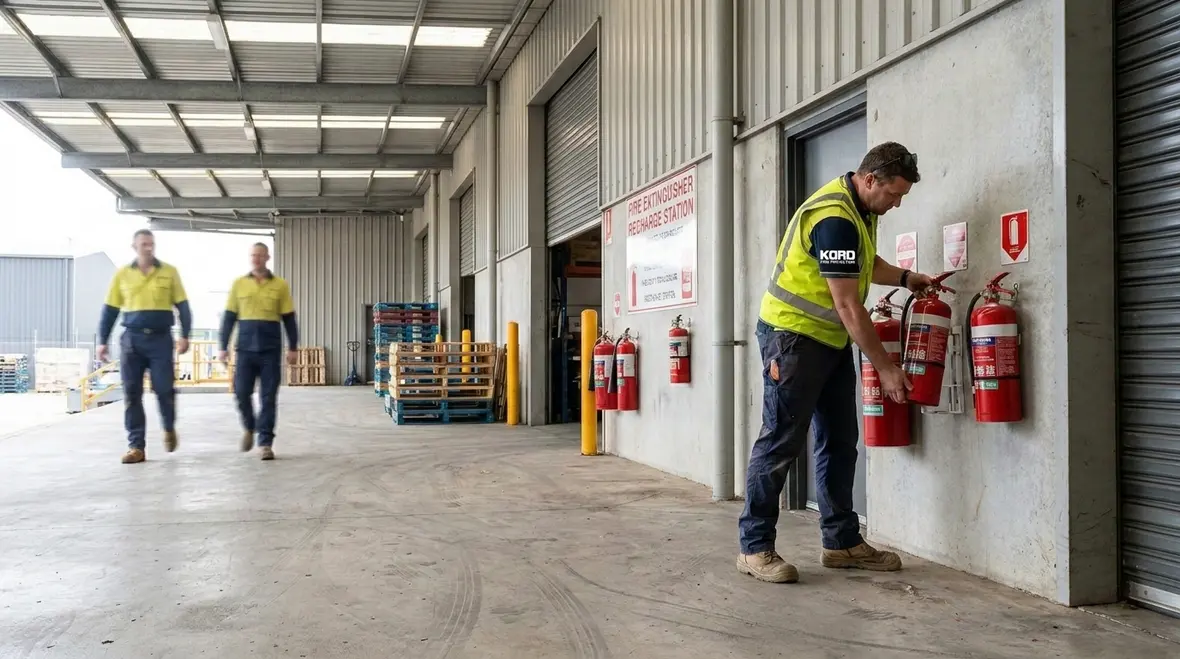
Recharging is needed after any use, even if only a small amount was discharged. It is also required if pressure drops, the contents are lost, or the unit fails inspection or maintenance checks. In many cases, a recharge goes hand in hand with an internal service so the extinguisher leaves the workshop fully ready.
Using a partially discharged extinguisher is a bad gamble. It is a little like bringing a pencil to a sword fight. Technically present, but not the best plan. A proper recharge restores the correct extinguishing agent and pressure so the unit works as intended.
Recharge, replace, or remove from service
Not every extinguisher that fails a check should go straight back into rotation after a refill. Some need repair. Some need internal service. Some need replacement altogether. The key is proper evaluation by qualified technicians who can tell the difference between a unit that needs fresh agent and one that has reached the end of the road.
That is especially true for businesses managing multiple buildings or mixed hazard areas. One poorly tracked extinguisher can create a chain of compliance issues, missed deadlines, and unnecessary risk. Nobody wants a simple service item to become the office legend that gets mentioned every budget season.
Why Kord Fire Protection Matters for Compliance and Uptime
Kord Fire Protection can become a vital partner because this work is about more than ticking boxes. It is about keeping operations moving while meeting safety duties with confidence. A reliable provider can inspect, maintain, and recharge extinguishers on schedule, while also keeping records clear for audits and site checks.
For multi site businesses, Kord Fire Protection can help create consistency across different locations. That means fewer surprises, cleaner reporting, and less risk of missed service dates. In short, the right partner helps the safety system behave like a system, not a collection of hopeful metal cylinders on a wall.
Teams that want to modernise oversight can also benefit from connected reporting and smarter tracking. Kord Fire covers that angle as well in its article on smart fire extinguisher monitoring for compliance, which pairs neatly with physical inspection and maintenance work when sites need fewer blind spots.
How Businesses Can Build a Better Extinguisher Program
A strong program starts with a register of every unit on site. Next, each extinguisher should have a clear service schedule, tagged records, and a named responsible person. Then, staff should know where units are located and how to report damage fast.
In addition, businesses should review extinguisher types against site risks. A retail store, a workshop, and a logistics depot do not face the same hazards, so the protection plan should not look the same either. That is where a careful provider adds real value, because the job must fit the building, the process, and the people.
A practical program checklist
- Create an accurate extinguisher asset register
- Match extinguisher type to the hazard in each area
- Set routine inspection and maintenance intervals
- Keep tags and records current and readable
- Train staff to report damage or discharge immediately
- Review access issues during housekeeping and audits
- Use a consistent provider if multiple sites are involved
FAQ
Conclusion
Fire extinguisher care is not glamorous, but it is vital. With proper inspection, maintenance, and recharging, sites stay safer and more compliant. Kord Fire Protection can help businesses keep units ready, records clear, and risk under control. For any industrial or commercial facility that values uptime and safety, the next step is simple: schedule expert service and keep every extinguisher ready for the moment that matters.
- Inspection confirms visible readiness
- Maintenance finds deeper faults
- Recharge is required after any use
- Records support audits and compliance
- The right provider reduces risk and downtime

Join Our Newsletter!
Get the latest fire safety tips delivered straight to your inbox From our Newsletter.