Foam Fire Suppression for Aircraft Hangars
Foam fire suppression helps protect aircraft hangars by rapidly cooling surfaces, cutting off heat, and slowing the spread of fire. In practice, aircraft hangar foam suppression systems blend carefully chosen foam concentrate with the right water flow, then deliver it to the right places fast. When a hangar stores fuel, maintenance fluids, and electrical equipment, speed matters. And so does the ability to handle both fueled fires and fire growth on nearby materials.
Now, let’s be honest, fire suppression gear is not the most exciting part of hangar operations. But when safety teams plan ahead, the system becomes a steady, boring hero. Think less action movie, more reliable crew member who shows up on time and does the job correctly. Next, this article lays out how foam systems work, how facilities plan coverage, and why kord fire protection can become a vital partner throughout the entire job.
How aircraft hangar foam systems prevent major fire growth
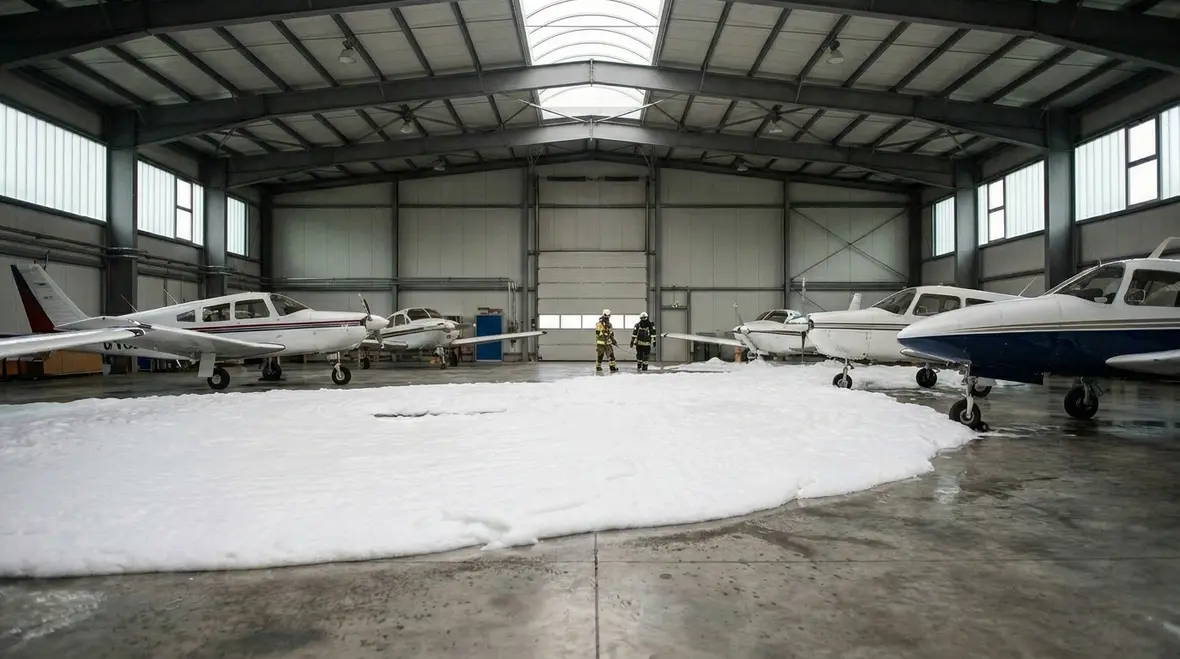
Aircraft hangar foam suppression is designed to do more than put out flames. It aims to stop the fire from spreading while protecting exposed surfaces so crews can work safely. First, the foam blanket forms a layer that helps limit oxygen contact. Then, it can suppress vapors coming from flammable liquids. At the same time, the foam and water reduce heat, which slows ignition of nearby combustibles. Kord Fire Protection’s foam suppression service page specifically notes foam is ideal for high-risk environments such as fuel storage facilities, chemical plants, and aircraft hangars. ([kordfire.com](https://kordfire.com/fire-suppression/?utm_source=openai))
However, the real advantage shows up during the awkward in between moments. Fires do not always behave politely. A jet is not a classroom demo. Therefore, the system must handle both spill type scenarios and larger, multi fuel events where burning materials compete for oxygen and space. Foam delivers a controlled approach that supports incident response while reducing the chance of re ignition. Kord’s flammable liquid foam article describes that same core function as creating a blanket over the fuel surface, cooling nearby areas, and suppressing vapors to help keep the fire out. ([kordfire.com](https://kordfire.com/foam-system-fire-protection-for-flammable-liquids/?utm_source=openai))
Most systems also aim to keep runoff under control. That matters because hangar areas often include drains, pits, and surface channels. When design teams choose the right application method, the foam concentrates and discharge setup can help manage where liquid and foam go during operation. In aircraft hangar applications, Kord also notes its systems commonly follow NFPA 409 in many cities, which reinforces the need for careful hazard-based planning rather than a one size fits all approach. ([kordfire.com](https://kordfire.com/aircraft-hanger-fire-suppression/?utm_source=openai))
Key components that make foam work in a hangar
Proportioning, piping, outlets, and controls
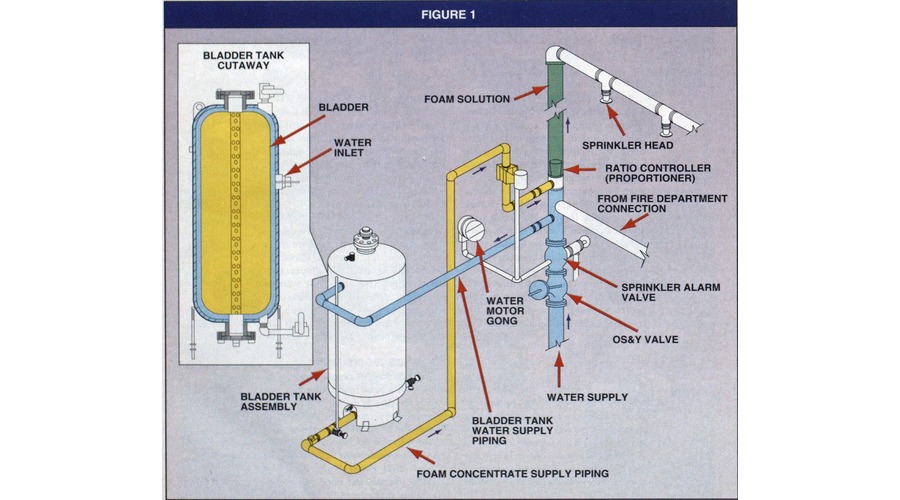
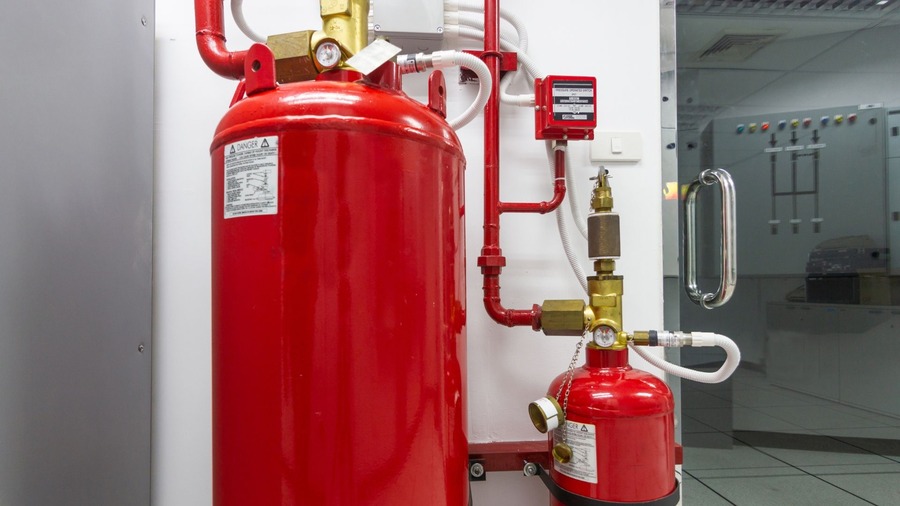
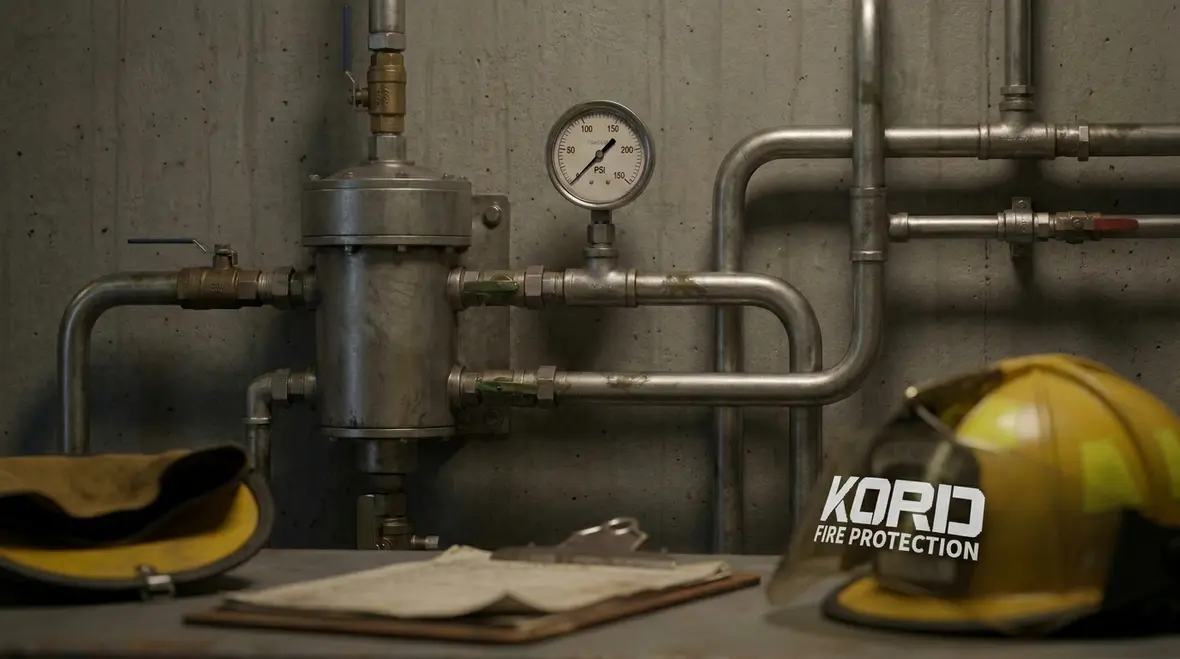
A well built foam system relies on several parts working like a team. To start, a foam proportioning unit mixes the foam concentrate and water in the correct ratio. If that ratio drifts, the foam performance drops, and nobody wants that. Next, the piping network carries the mixture to the discharge outlets. Then, the outlets apply the foam to the protected area, and the system includes controls that trigger flow based on the design approach.
In addition, hangars often include detection and alarms that coordinate with suppression. While foam systems focus on extinguishment, the facility still needs clear notification so crews act quickly. Likewise, the system should include valves, strainers, and pressure management where required. These details reduce the chances of clogged lines or inconsistent flow during a real event. Kord’s general suppression service page explains that installation and maintenance are both part of the work, and that suppression systems are typically tested and inspected on a semi annual basis. ([kordfire.com](https://kordfire.com/fire-suppression/?utm_source=openai))
Why the concentrate choice matters
Finally, the foam concentrate itself matters. Different concentrate types suit different fuel classes and temperature profiles. Therefore, design teams match foam selection to the hazards found in aircraft maintenance environments, including flammable liquids and related materials. Kord’s concentrate guide stresses that selecting the right concentrate and ensuring compatibility with equipment and hazards is critical, and its aircraft hangar page highlights the presence of dangerous fuel and chemical substances that require specialized extinguishing methods. ([kordfire.com](https://kordfire.com/foam-fire-protection-system-concentrate-guide/?utm_source=openai))
Coverage planning for aircraft fuel and maintenance hazards
Mapping the hazard before the hardware
After components, the next step involves hazard mapping. The design team identifies where flammable liquids could spill, where equipment could ignite, and how fire might travel across the hangar floor. Then, they align the discharge method with the geometry of the hangar. Large doors, ceiling height, and beam layouts all affect how foam moves.
At this stage, crews must consider real world operations. For example, maintenance bays may include carts, tool areas, and staging zones that shift over time. Even if the hangar looks the same every day, the load and layout change. Consequently, engineers often focus on protecting key zones first, including areas near fueling, drains, and known storage locations. Kord’s aircraft hangar fire suppression page emphasizes that airports and military facilities house costly equipment alongside fuel and chemical hazards, which is exactly why hazard mapping cannot be treated like a box checking exercise. ([kordfire.com](https://kordfire.com/aircraft-hanger-fire-suppression/?utm_source=openai))
Additionally, wind effects and ventilation patterns can influence application. Hangars with big openings might introduce drafts that disrupt foam blanket formation. So, designers typically plan for application rate, foam reach, and dwell time. They also define whether the system targets open floor coverage, specific bay zones, or both. Kord’s industrial foam systems article notes that high expansion foam is often used in large enclosed spaces such as aircraft hangars or warehouses, which supports the need to match system type and discharge approach to the physical space. ([kordfire.com](https://kordfire.com/industrial-foam-fire-suppression-systems-la/?utm_source=openai))
And yes, the design must also work with response flow. When firefighters arrive, they need to see foam behavior and understand what zones it protects. That clarity supports faster tactics and reduces confusion, which is valuable because time during a fire feels like it takes ten times longer than the clock says.
Installation steps that reduce risk after the system is built
Field verification, testing, and commissioning
Foam system installation should not rush past details. First, the contractor verifies hangar dimensions, slope conditions, and obstructions. Then, they confirm that piping routing avoids sharp turns, mechanical strain, and areas that could trap debris. After that, they test the proportioning unit calibration and validate pressure requirements at the outlets.
Next comes the discharge validation. Teams ensure outlets apply foam as intended, and they confirm that the hangar coverage plan translates into real coverage during functional testing. Meanwhile, electrical and control elements must meet the facility’s requirements for power reliability and emergency operation.
Also, the system must follow local fire codes and relevant standards. Even if everyone in the building hopes the system never runs, compliance is what makes it reliable when it does. To keep the job smooth, installers also coordinate with hangar operations so work schedules do not disrupt aircraft movement more than necessary. Kord’s aircraft hangar page says its hangar fire protection work commonly follows NFPA 409, and for military facilities references U.S. Air Force ETL 02-15 and UFC 4-211-01N. ([kordfire.com](https://kordfire.com/aircraft-hanger-fire-suppression/?utm_source=openai))
Finally, commissioning matters. Proper acceptance testing includes verifying alarms, flow activation, and correct concentrate ratios. If the system passes at the test stage, it stands a much better chance of performing when it matters most. If your facility also uses related water based protection, Kord’s fire sprinkler service page highlights support for inspection, maintenance, repair, and installation that can complement an overall hangar protection strategy. ([kordfire.com](https://kordfire.com/fire-sprinkler-service/?utm_source=openai))

Why kord fire protection can strengthen every phase of the job
From hazard review to long term service
Foam fire suppression systems do not succeed on hardware alone. They succeed on planning, documentation, training, and ongoing service. This is where kord fire protection can become a vital partner with this service job. They help owners connect the dots between design intent and field performance. Kord’s full fire protection services page presents the company as a single partner for sprinkler, alarm, extinguisher, and readiness support, while the foam suppression page confirms dedicated installation and maintenance for foam systems. ([kordfire.com](https://kordfire.com/full-fire-protection-services/?utm_source=openai))
For example, kord fire protection can support system review and hazard assessment so the foam approach fits the hangar’s actual risks. Then, they can coordinate installation standards, making sure details do not get lost between drawings and reality. After that, they help facilities set up inspection plans that keep the system ready, not just installed.
Furthermore, maintenance supports performance. Foam systems depend on concentrate quality, valve movement, and unobstructed flow paths. Without planned checks, performance can drift quietly over time. Meanwhile, crews need training that translates the technical operation into actions during emergencies. When kord fire protection provides that support, the hangar team can respond with clearer steps, not guesses.
In short, the system becomes part of a safety program, not a one time project. And that is how aircraft operators avoid the classic situation where everyone claps at installation, then forgets the system exists until the worst possible day. Nobody enjoys that sequel. For readers who want a closer look at related protection strategy, Kord’s article on foam system fire protection for flammable liquids gives useful context that connects directly to hangar hazards. ([kordfire.com](https://kordfire.com/foam-system-fire-protection-for-flammable-liquids/?utm_source=openai))
Testing, inspection, and maintenance for long term readiness
Keeping the system ready instead of merely installed
Once installed, aircraft hangar foam suppression requires an ongoing readiness cycle. Inspections verify that valves remain in working condition, that piping stays clear, and that control components function as expected. Technicians also check concentrate levels and verify that proportioning equipment maintains correct mixing ratios.
During routine service, the team typically reviews documentation, including prior test results and maintenance history. This helps identify trends, such as slow pressure changes, repeated minor issues, or performance variations in discharge tests. Then, corrective actions can occur before the system falls behind its design intent.
In addition, facilities should schedule tests in a way that minimizes disruption. When the hangar can keep operating safely during planned maintenance windows, it reduces cost surprises. At the same time, testing supports learning for the crew. People forget procedures over time. So, repeatable training helps crews stay confident, especially when foam discharge patterns need to be understood. Kord’s suppression service page states suppression systems should be tested and inspected on a semi annual basis, and its broader services page frames readiness and inspection support as core offerings. ([kordfire.com](https://kordfire.com/fire-suppression/?utm_source=openai))
Finally, owners should track system status through clear records. When it is time for compliance reviews, having complete logs makes the process faster and less stressful. That reduces downtime and protects the hangar schedule.
FAQ
Conclusion and next steps
Foam fire suppression for aircraft hangars protects people, aircraft, and equipment by slowing fire spread, cooling surfaces, and supporting safer response. To get reliable performance, a facility needs careful hazard planning, correct installation, and consistent testing. Then, the operational side benefits from strong partner support. kord fire protection can help owners connect design intent to real readiness, with guidance from planning through maintenance.
If a hangar team wants fewer surprises and more dependable protection, they should review Kord’s dedicated foam fire suppression systems resource if available, and reach out through the full fire protection services page to plan the next step. Those pages provide a strong starting point for aligning design, compliance, and long term service support. ([kordfire.com](https://kordfire.com/full-fire-protection-services/?utm_source=openai))

Join Our Newsletter!
Get the latest fire safety tips delivered straight to your inbox From our Newsletter.