
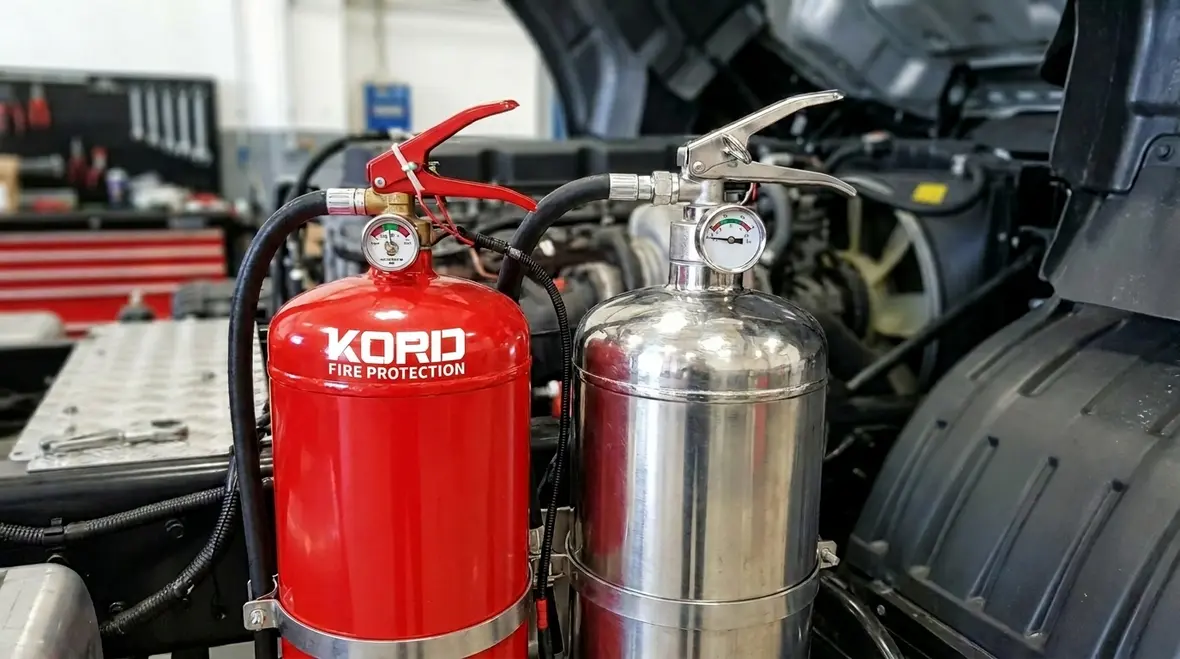
Vehicle Fire Suppression Agent Dry vs Wet Chemical Matters
Vehicle Fire Suppression Agent: Dry vs Wet Chemical, and Why It Matters
When a vehicle fire starts, seconds feel like hours, and hope feels like a marketing slogan. A vehicle fire suppression agent helps protect crews, equipment, and operations by putting out flames fast and controlling re ignition. That said, the method matters. Dry chemical and wet chemical systems both aim to stop fire in its tracks, yet they behave differently once the agent meets heat, fuel, and airflow. In this guide, vehicle owners and facility managers will see how dry chemical vs wet chemical compares in real use, why the “best” choice depends on the vehicle type and risks, and how Kord Fire Protection can become the vital partner that ties it all together for safe, code minded coverage.
How Dry Chemical Systems Work In Real Life
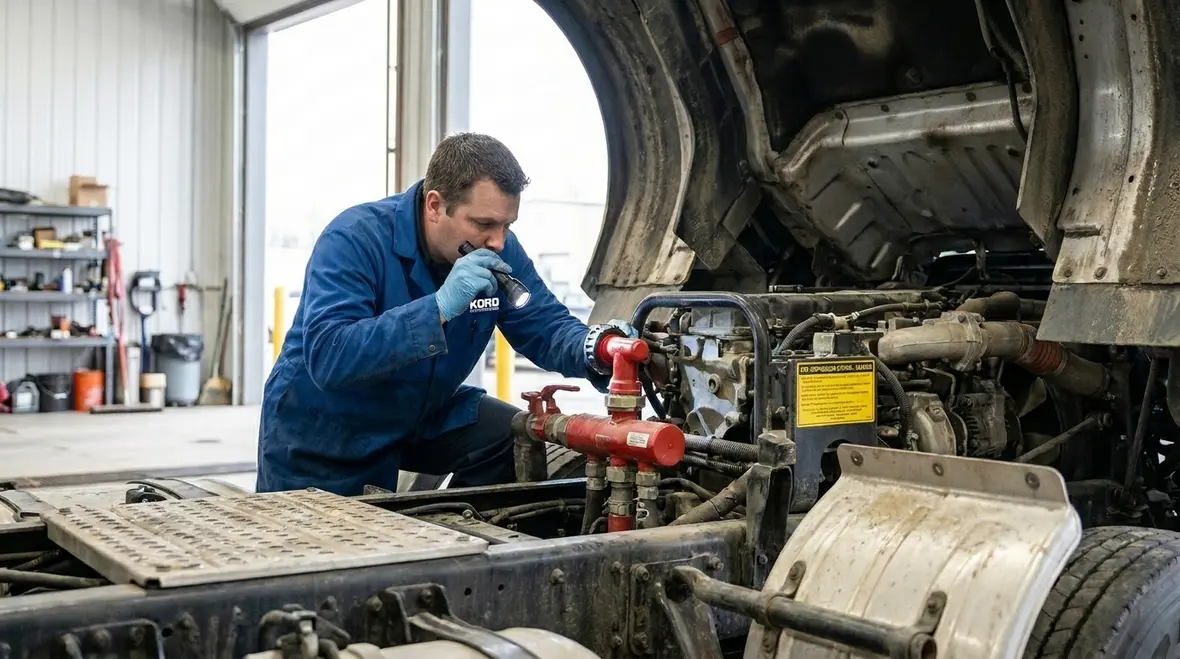
Dry chemical systems use a powder based extinguishing agent that breaks the chemical reaction in the fire. Once the system discharges, it floods the protected area with fine particles. Then the agent interrupts flame spread, which slows the fire’s ability to grow. As a result, dry chemical often excels in situations where crews need quick knockdown and where you want broad coverage across hazards.
However, dry chemical creates a cleanup job. After discharge, residue can coat surfaces, clog certain equipment areas, and force a careful inspection before the vehicle goes back into service. Therefore, facilities often choose dry chemical for fleet settings where response speed matters most, and where they can handle post event cleanup. Think of it like calling a plumber and getting the problem fixed, but also finding a small mud party in the hallway. Effective, but somebody will mop.
Why fast knockdown changes the conversation
In vehicle compartments, fire rarely behaves with the courtesy of a slow tutorial. It moves around wiring, hoses, insulation, and tight metal spaces with surprising speed. That is why dry chemical remains a strong fit for many mobile applications, particularly where immediate flame interruption carries the most value. Kord Fire notes that vehicle systems are custom designed around the specific vehicle and risk zones, and its vehicle suppression service emphasizes maintenance, testing, inspection, documentation, and 24/7 support rather than a one size fits all setup. Vehicle Fire Suppression Systems and Vehicle Fire Suppression Systems Maintenance Guide are useful companion reads if you want to see how these systems are positioned in real fleet protection planning. ([kordfire.com](https://kordfire.com/vehicle-fire-suppression-systems/?utm_source=openai))
How Wet Chemical Systems Behave Under Heat
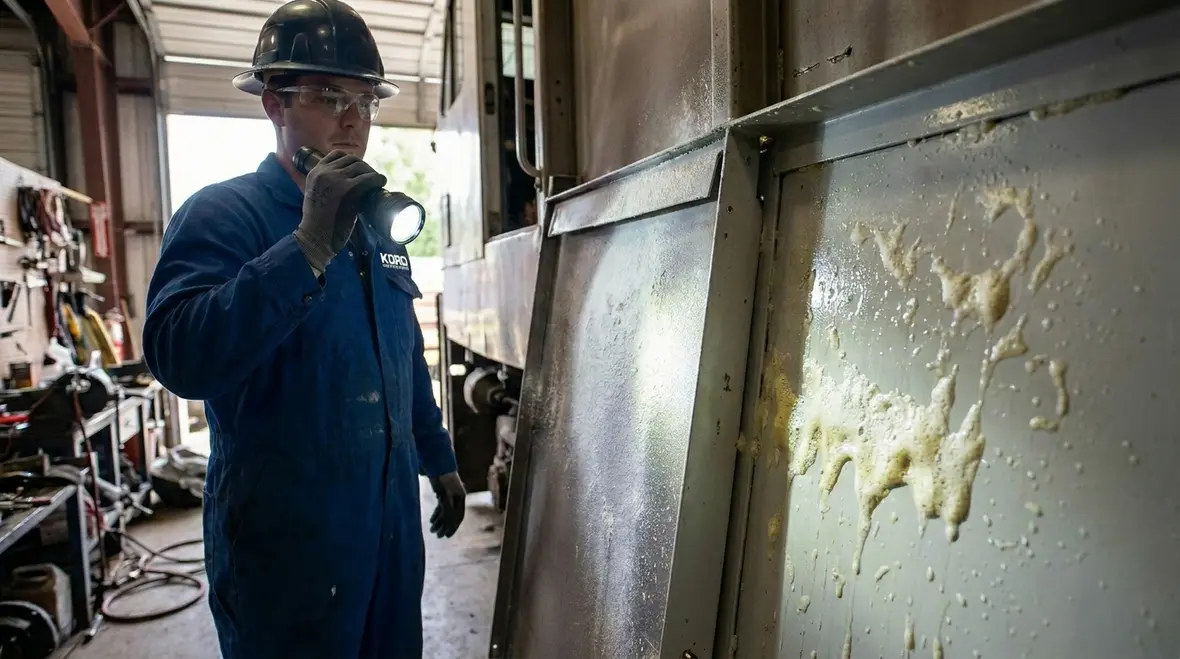
Wet chemical systems use an agent that reacts with cooking oils and certain fuels by forming a foam like blanket and cooling the surface. While dry chemical focuses on interrupting the fire chemistry, wet chemical adds a physical layer that helps prevent re ignition. This approach can be especially useful where hazards involve heated, oily, or grease like materials, or where a cooling blanket reduces the chance of flames returning.
In practice, wet chemical discharge creates a more controlled suppression pattern and can reduce the re flash risk in certain fire scenarios. As the agent contacts hot surfaces, it helps cool and smother. Consequently, some applications prefer it when the fire source sits on a surface that stays hot after initial knockdown. Still, wet chemical systems require correct maintenance and proper inspection, because the agent must remain ready and effective. If it sits wrong for too long, the system becomes a shelf ornament instead of a safety tool.
Cooling matters when the danger does not end with the first burst
This is the part many buyers underestimate. Some fires do not politely stay out after the first hit. When metal surfaces, oil coated areas, or adjacent components stay dangerously hot, the risk is not just flame spread. It is flame return. Wet chemical systems can help in those scenarios because they do more than interrupt combustion for a moment. They also address lingering heat at the surface. That does not mean wet chemical is automatically superior. It means the right answer depends on what the vehicle actually carries, where heat concentrates, and how likely a compartment is to feed a second ignition cycle.
Dry Chemical vs Wet Chemical: Key Differences That Affect Decisions
Choosing between dry chemical and wet chemical is not about picking the louder option. It is about matching the physics of the fire and the operational constraints of the site. Both systems protect vehicles, but they handle heat, coverage, residue, and re ignition risk differently.
First, response style matters. Dry chemical knocks down by interfering with the fire reaction, so it often delivers fast suppression across a range of flame behavior. Wet chemical targets surface heat and uses cooling and smothering actions, which can reduce the chance of re ignition when hot surfaces remain.
Second, cleanup and downtime matter. Dry chemical commonly leaves powder residue. Wet chemical often leaves liquid residue and foam remnants. Both require cleaning, but the time and impact can differ based on surfaces, compartments, and where the vehicle stores the hazard materials.
Third, safety coordination matters. Facilities need clear operating procedures for evacuation, response, and inspection. That means the fire suppression plan, inspection schedule, and training all work together. Otherwise, even the best vehicle fire suppression agent becomes the most expensive bottle opener imaginable.
The differences that actually affect ownership
- Suppression behavior: dry chemical emphasizes rapid interruption of flame chemistry, while wet chemical adds cooling and smothering effects.
- Residue profile: neither option disappears politely, but the cleanup type and follow up work can differ.
- Design priorities: dry systems often depend heavily on discharge pattern and airflow control, while wet systems place more emphasis on surface coverage and heat retention issues.
- Downtime planning: what happens after discharge matters almost as much as the discharge itself.
Kord Fire’s vehicle system page specifically notes that different suppression agents are selected through risk assessment and that no single approach fits every vehicle. The same source also highlights five common system components: detection sensors, a control panel, agent tanks, discharge means, and a distribution network. That reinforces the practical point here: the agent is only one piece of a complete system decision.
Where Each System Fits: Vehicle Types and Risk Scenarios
Not every fleet faces the same threats. Therefore, the right extinguishing method depends on vehicle design, fuel loads, and how components vent heat and smoke.
Dry chemical can make sense when the risk profile includes general class fire behavior in engine bays and compartments, especially where rapid knockdown helps reduce flame spread. It can also fit environments where crews expect mixed hazards and want a system that covers common fire patterns.
Wet chemical may fit better where a vehicle can involve heated oil like residues or surface hazards that stay hot. In those scenarios, a blanket and cooling effect can reduce the likelihood that the first knockdown turns into round two.
Still, the decision should not come from guesswork. Vehicle compartments vary, nozzle placement matters, and the airflow patterns in and around the vehicle change the way agents move. For that reason, an experienced partner evaluates the site and the vehicles, then designs for real conditions rather than ideal diagrams.
Examples where fit matters more than preference
Heavy equipment in mining, waste handling, forestry, construction, and transportation all carry different ignition patterns, and Kord Fire’s vehicle suppression content lists these industries among common users of vehicle fire suppression systems. That matters because an engine compartment on a haul truck, a hydraulic zone on a loader, and a high use transit vehicle do not create identical fire behavior. A system should be selected for the vehicle’s real hazard map, not because somebody likes one agent better in the abstract.
Why Kord Fire Protection Becomes the Vital Partner
Many organizations buy a system and then treat it like it is magic. Yet fire protection does not run on wishful thinking. It runs on inspection, correct agent readiness, proper installation, and documentation that fits the actual risk.
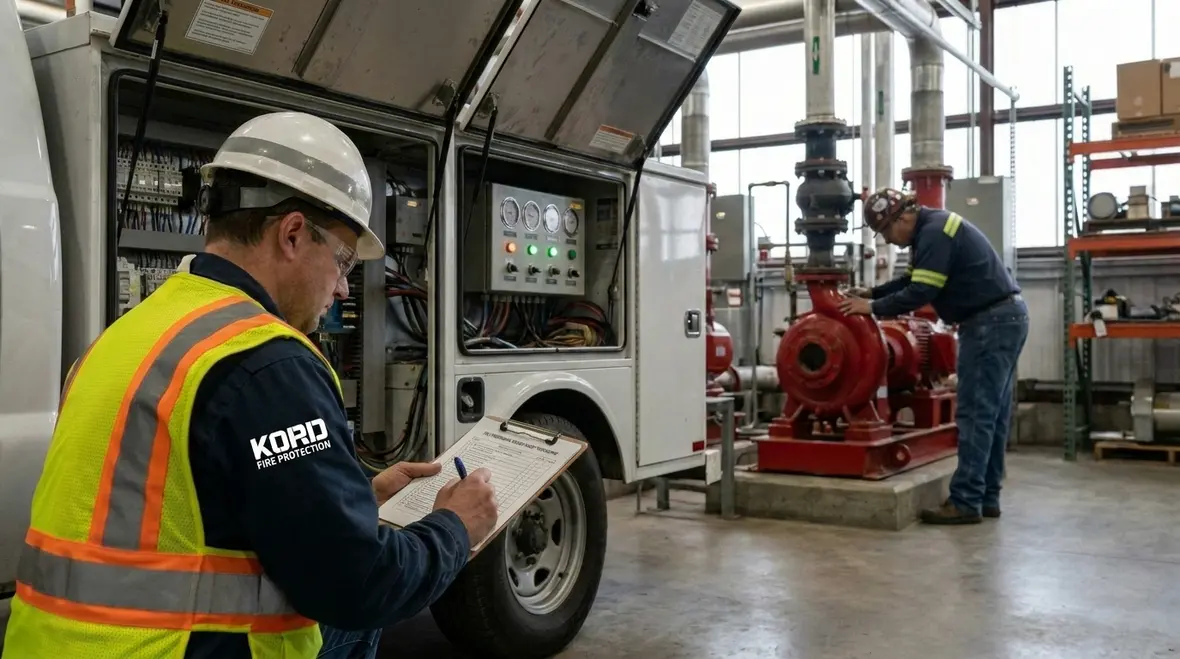
Kord Fire Protection supports this process as a vital partner by helping teams plan the full lifecycle, not just the discharge. That includes aligning system choices with vehicle hazards, verifying performance assumptions, and supporting service schedules that keep the vehicle fire suppression agent in a ready state. Additionally, they help ensure that staff understands what to do before, during, and after an incident.
In other words, Kord helps turn a component into a program. And when the program works, businesses lose less time to downtime, fewer assets get delayed due to incomplete checks, and incident response becomes more consistent. If dry chemical or wet chemical is the engine, Kord Fire Protection provides the steering wheel, the gauges, and the brakes.
Kord Fire states that its broader fire suppression services include installation and maintenance for commercial and industrial locations, with semi annual inspection and testing requirements noted on its service page. Its company page also emphasizes licensed service capabilities across suppression systems, alarms, sprinklers, pumps, and related protection categories. Taken together, that supports the idea that the value is not only the hardware but the ongoing service structure around it. For readers exploring a related system, Kord’s Dry Chemical Fire Suppression System page is a relevant internal resource.
Maintenance, Testing, and Training That Prevent Surprise Failures
A fire suppression system only earns its keep when it works on the worst day. Consequently, maintenance and training become non negotiable.
Dry chemical systems need checks for powder condition, correct pressure readings if applicable, and verified discharge pathways. Technicians should inspect nozzles, wiring, and detection logic. Then they confirm the system documentation matches the installed configuration.
Wet chemical systems need attention to agent condition, proper fluid levels, and correct handling for any foam related components. Technicians also confirm that detection devices respond correctly and that manual activation paths remain accessible.
Finally, training makes the difference between “we had a discharge” and “we had a controlled event.” Staff should know how to secure the area, coordinate response, and report what happened. As a result, the facility can restore protection faster and reduce the chance of leaving the system out of service longer than needed.
Maintenance is where good intentions either become readiness or become paperwork
Kord Fire’s maintenance guide makes the same point in plain terms: these systems are engineered safety nets that detect heat or flame and respond automatically, often within seconds, but only if their detection components, agent storage, and nozzles remain in working order. The guide also points readers to predictable hazard zones such as engine compartments, hydraulic systems, battery compartments, and fuel storage areas. That is exactly why inspections, testing, and practical operator training should never be treated like optional office decor.
Two Column Comparison: Dry vs Wet Chemical at a Glance
Dry Chemical
- Interrupts the fire reaction with powder particles
- Often supports fast knockdown across various flame behavior
- May leave powder residue that requires cleanup
- Design focuses on discharge coverage and compartment airflow
Wet Chemical
- Smothers and cools surfaces with a reactive agent
- Can reduce re ignition risk by forming a protective blanket
- May leave liquid or foam remnants that require cleanup
- Design focuses on surface contact and cooling effect
FAQ
Conclusion: Choose the Right Coverage, Then Keep It Ready
Dry chemical and wet chemical each bring strengths to vehicle fire suppression, and the better choice depends on vehicle design, hazard type, and the chance of re ignition. The smartest move is to match the system to the real environment, then maintain it like it matters, because it does. Kord Fire Protection helps organizations build a complete program that includes selection, service, and readiness planning.
If you are ready to move from uncertainty to a practical protection plan, explore Kord’s broader Fire Suppression Services page for service options or request help through its all in one Fire Suppression service hub. Both pages support inspection, testing, installation, and maintenance planning for real world fire protection needs. ([kordfire.com](https://kordfire.com/fire-suppression/?utm_source=openai))
Need fleet protection that is actually ready?
Contact Kord Fire Protection for a clear evaluation, a practical service approach, and support that helps keep your vehicles protected when it counts.

Join Our Newsletter!
Get the latest fire safety tips delivered straight to your inbox From our Newsletter.



