UL 924 Emergency Lighting Listing Explained
UL 924 and Emergency Lighting: What the Listing Covers in Simple Terms
Within the first moments of a power failure, people do not think about codes or compliance. They look for light. That is where an ul 924 emergency lighting listing steps quietly into the story. This certification confirms that emergency lighting equipment will perform when normal power disappears. It verifies that the unit has been tested for safety, endurance, and reliability under strict standards. Kord Fire Protection technicians often explain it this way: if the lights are the heroes, UL 924 is the training academy that made sure they are ready for the job.
In the sections ahead, the details unfold in plain language. No complicated jargon. No technical maze. Just clear guidance on what this listing covers, why it matters, and how it protects both buildings and the people inside them.
The Purpose Behind UL 924
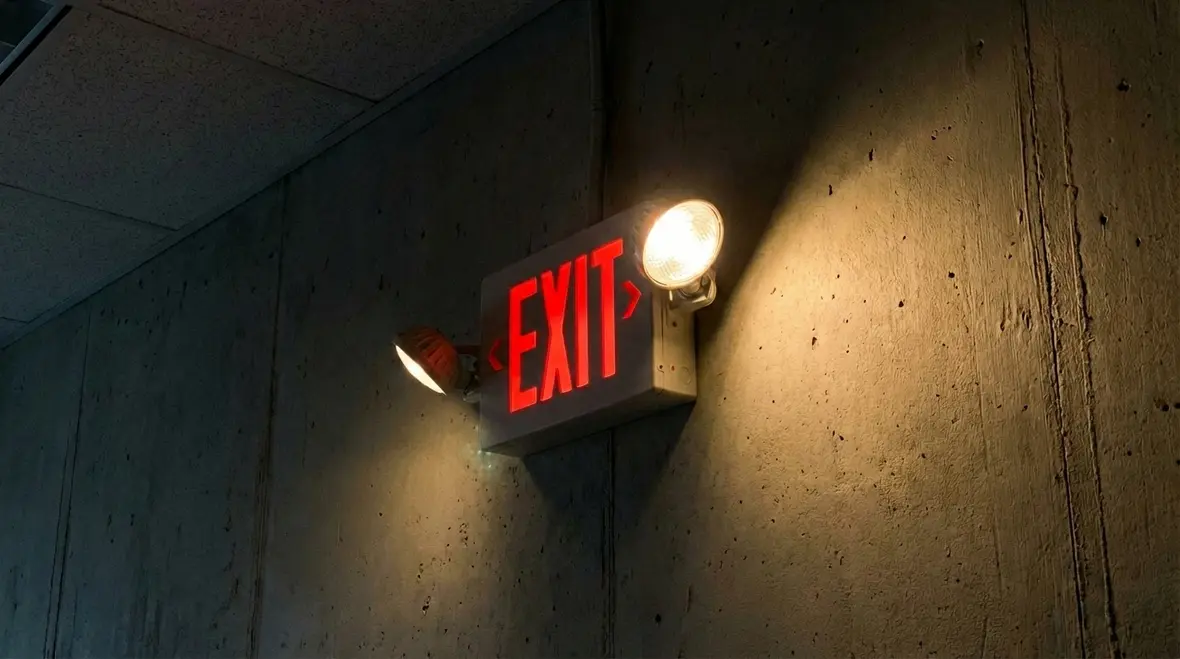
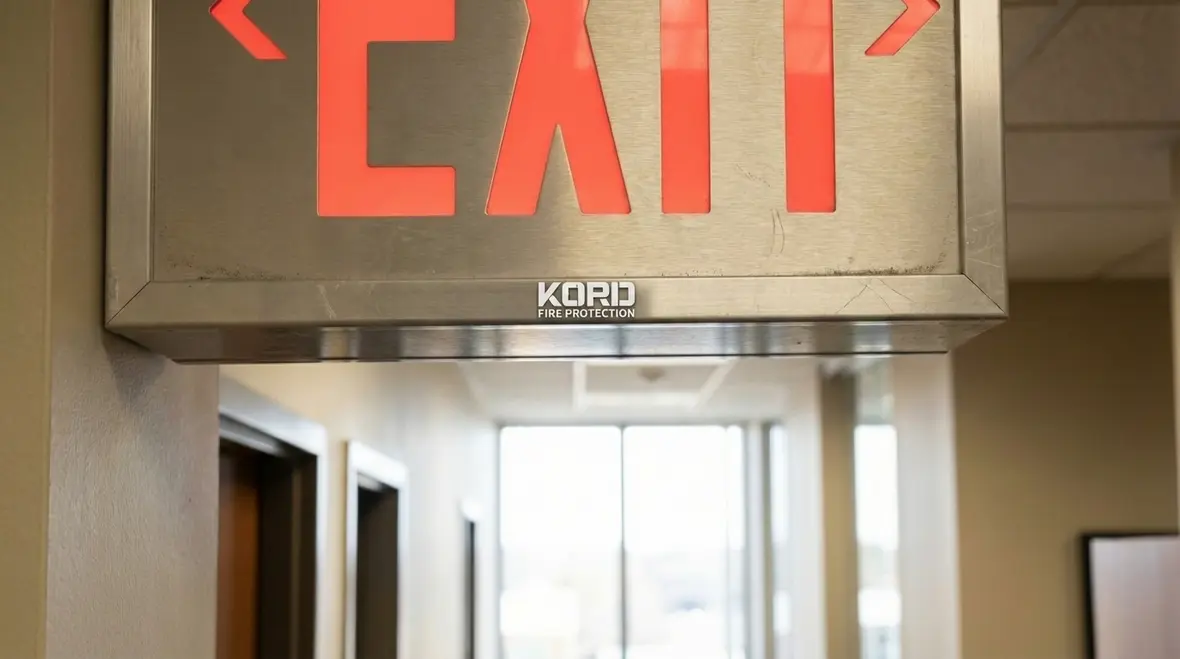
Emergency lighting does not exist for decoration. It exists for moments of urgency. Therefore, UL 924 sets performance standards for emergency lighting and power equipment used in commercial and residential buildings. The listing confirms that devices such as exit signs, emergency light units, inverters, and battery packs meet strict safety and operational requirements.
In simple terms, the standard answers one critical question. Will this equipment work when the lights go out?
However, it does more than test whether a bulb turns on. It evaluates battery duration, electrical safety, wiring integrity, temperature resistance, and overall durability. Moreover, it checks how the system responds to power interruptions and whether it switches to backup power without delay.
Kord Fire Protection technicians often compare it to a seatbelt. Drivers hope they never need it. Yet when they do, they want absolute certainty it functions as designed. Similarly, buildings rely on listed emergency lighting systems to guide occupants to safety without hesitation.
How UL 924 Supports Real-World Safety
Behind every calm evacuation is a system that did its job quietly. UL 924 helps create that calm by setting expectations for how long lights must stay on, how they handle temperature swings, and how reliably they switch over when utility power fails. In busy buildings across Los Angeles, from apartments to offices, those few seconds of dependable light often make the difference between orderly movement and confusion.
What Does the Certification Actually Test?
Many property owners ask for a breakdown that feels less like a lab report and more like a real world explanation. Fortunately, the testing process follows clear objectives.
First, engineers evaluate electrical safety. They examine wiring, insulation, and components to prevent shock or fire hazards. Next, they test performance under load. Emergency units must operate for a minimum period, typically ninety minutes, using battery power alone.
Additionally, switching time plays a major role. When utility power fails, the transition to emergency power must happen almost instantly. Delays create dangerous darkness, and darkness creates panic.
Heat resistance also receives attention. Since emergency units may operate in stairwells, parking garages, or mechanical rooms, they must tolerate varying temperatures. Furthermore, vibration and physical stress tests ensure the fixture can withstand everyday building conditions.
Finally, labeling and instructions are reviewed. Clear markings allow installers and inspectors to confirm compliance without confusion. Because of this structured evaluation, an ul 924 emergency lighting listing represents more than a sticker. It signals thorough testing from multiple angles.
Realistic Testing for Real Emergencies
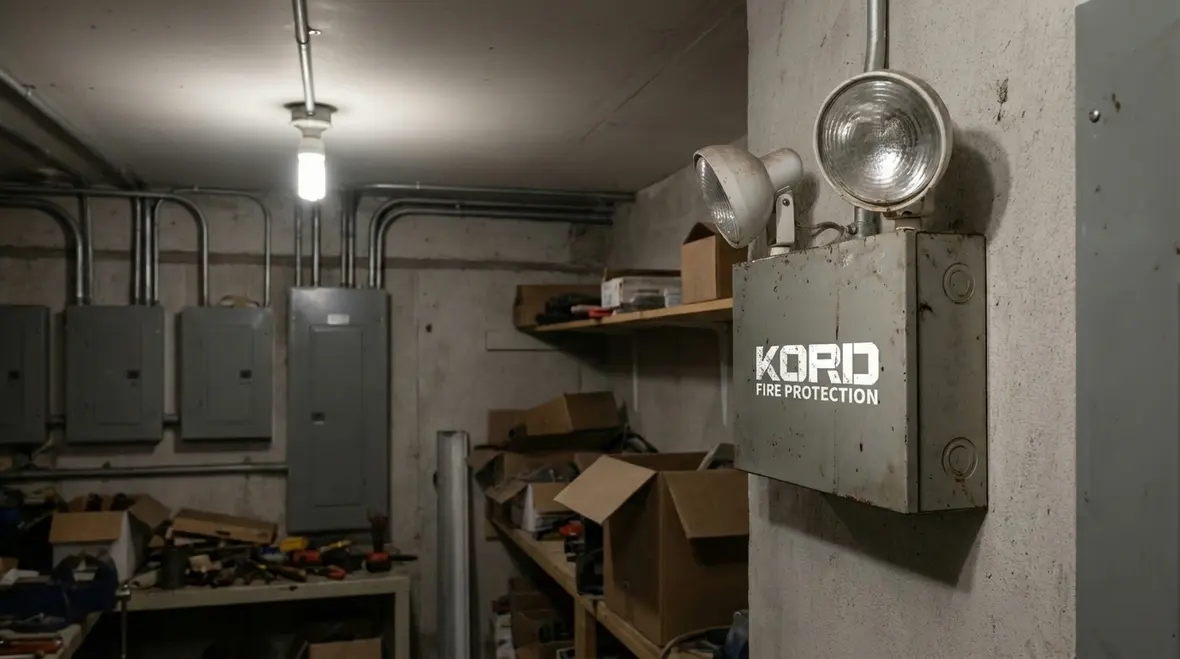
UL 924 testing simulates the conditions lights face in the field. That means power is cut abruptly, batteries are placed under load, and fixtures are exposed to the types of temperatures, vibrations, and electrical stresses they will encounter in stairwells, corridors, and equipment rooms. The goal is simple: if a product earns the listing, it should behave predictably when the building needs it most.
How Kord Fire Protection Technicians Explain It to Building Owners
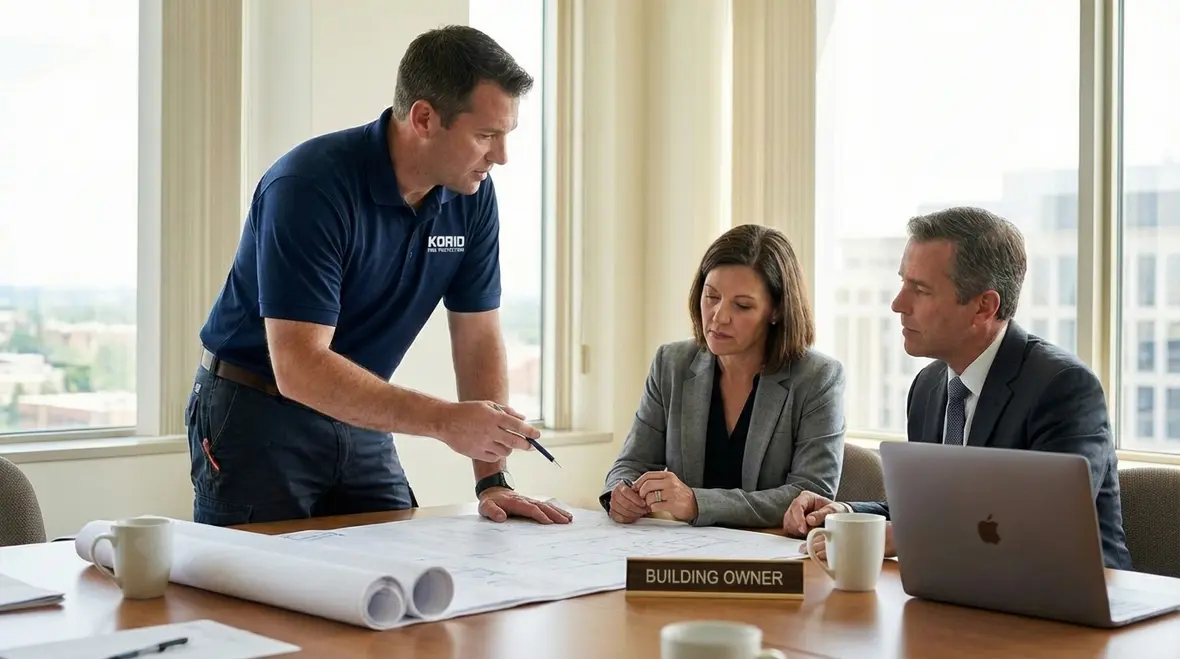
Technical standards can feel intimidating. However, Kord Fire Protection technicians translate them into plain language during consultations and inspections.
They often describe emergency lighting as a silent guardian. During normal operations, it waits patiently. When power fails, it steps forward without drama. In their words, the listing ensures that the guardian does not call in sick on the one day it is truly needed.
Moreover, technicians walk building owners through practical implications. They explain how proper installation, testing schedules, and maintenance support compliance. They also clarify that the listing applies to the equipment itself, while local codes dictate how and where it must be installed.
In addition, they emphasize documentation. Inspectors frequently request proof that installed fixtures carry proper certification. Without it, even the brightest lights may fail inspection. As one technician jokingly notes, a non listed unit in a commercial building is like bringing a flashlight to a stadium blackout. Admirable effort. Questionable strategy.
Turning Code Language Into Clear Action
Instead of reciting code sections, Kord Fire Protection technicians focus on everyday scenarios. They connect UL 924 to the way residents move through hallways, how emergency lighting complements fire alarms, and how inspection timelines fit into a property manager’s calendar. That translation helps owners see UL 924 not as a rulebook, but as a roadmap to safer evacuations and fewer surprises during annual fire inspections.
Key Components Covered Under UL 924
To understand the scope of the standard, it helps to look at the main categories of equipment it covers. The following overview presents two focused columns for clarity.
Column A: Equipment Types
- Exit signs with internal battery backup
- Emergency light fixtures with integrated batteries
- Central battery systems
- Emergency lighting inverters
- Remote lamp heads connected to backup units
Column B: What the Testing Verifies
- Safe electrical construction and insulation
- Minimum ninety minute runtime on battery
- Automatic transfer from normal to emergency power
- Protection against overheating
- Clear labeling and installation instructions
When viewed side by side, the picture becomes clear. The listing does not focus on a single bulb or battery. Instead, it evaluates entire assemblies and systems designed to provide illumination during emergencies.
Why Compliance Matters for Safety and Liability
Safety always comes first. Nevertheless, liability closely follows. If emergency lighting fails during an evacuation, the consequences can extend beyond inconvenience.
Building owners carry responsibility for maintaining safe egress paths. Therefore, installing equipment with proper certification reduces risk. It demonstrates due diligence and adherence to recognized safety benchmarks.
Furthermore, insurance providers often review fire protection systems during underwriting. Listed emergency lighting components strengthen a property’s risk profile. On the other hand, unlisted equipment may trigger red flags during inspections.
Kord Fire Protection technicians frequently remind clients that compliance is not about chasing paperwork. It is about protecting people. During a fire alarm event or sudden outage, clearly lit exit paths reduce confusion. They also prevent injuries caused by trips and falls in dark corridors.
In high occupancy spaces such as schools, offices, and healthcare facilities, that clarity can make a profound difference. Even in smaller commercial buildings, reliable emergency illumination transforms chaos into organized movement.
Connecting UL 924 to Broader Fire Protection
Emergency lighting does its best work when paired with other systems: sprinklers, alarms, and smoke control. Kord Fire Protection’s broader services help ensure that UL 924 listed lighting supports a fully integrated safety strategy, rather than operating in isolation.
For a deeper look at how different fire protection elements interact, explore resources like their article on Los Angeles apartment fire protection requirements, where emergency lighting and exit signs are key pieces of the overall safety puzzle.
How UL 924 Interacts With Building and Fire Codes
Although the ul 924 emergency lighting listing confirms product performance, it does not replace local code requirements. Instead, it works alongside them.
Building codes determine where emergency lighting must be installed. Fire codes outline inspection and testing intervals. Electrical codes address wiring methods and circuit protection. The listing ensures that the equipment used within those frameworks meets safety standards.
Consequently, compliance becomes a layered process. A fixture may carry certification, yet improper installation could still violate code. Conversely, perfect placement of a non listed unit may also result in failure during inspection.
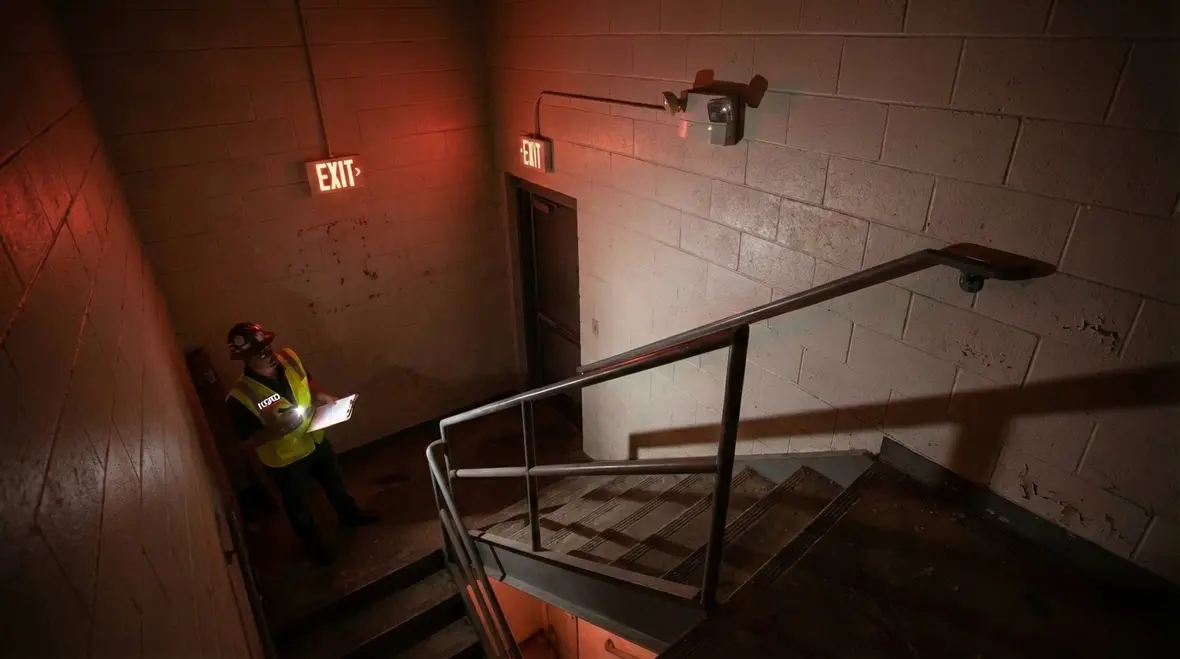
Kord Fire Protection technicians approach projects with this integrated mindset. They review plans, verify certifications, and confirm installation aligns with applicable codes. Because they understand the relationship between product standards and regulatory requirements, they help clients avoid costly corrections later.
In short, the listing provides the foundation. Code compliant installation builds the structure on top of it.
Common Misunderstandings About Emergency Lighting Listings
Despite clear standards, confusion still appears in conversations about emergency lighting.
One common myth suggests that any battery powered light qualifies as compliant. In reality, only equipment evaluated to meet UL 924 criteria carries that recognition. Decorative or consumer grade battery lights rarely meet commercial requirements.
Another misunderstanding involves duration. Some assume that a few minutes of illumination suffice. However, the standard requires sustained operation, typically for at least ninety minutes. That window allows occupants to evacuate and emergency personnel to assess conditions.
Additionally, some believe that once installed, emergency lighting requires no further attention. Yet regular testing and maintenance remain essential. Batteries degrade over time. Components age. Therefore, routine inspections verify continued readiness.
Kord Fire Protection technicians often lighten the mood by comparing neglected emergency lights to gym memberships. Everyone feels good about having them. Very few check whether they still work. The difference, of course, is that emergency lighting does not forgive neglect.
How to Verify an UL 924 Emergency Lighting Listing
Verification should feel straightforward, not mysterious. Fortunately, several practical steps help confirm compliance.
First, check the product label. Certified equipment typically displays a recognizable mark indicating evaluation under UL 924. Second, review manufacturer documentation. Specification sheets often reference the listing directly.
Third, consult installation records. Contractors should document the models installed within a building. If uncertainty remains, property owners can request confirmation from suppliers or inspection professionals.
Kord Fire Protection technicians encourage proactive verification during renovations or tenant improvements. When lighting layouts change, emergency fixtures may need adjustment. Confirming that new or relocated units maintain proper certification avoids surprises during final inspections.
Moreover, they recommend maintaining organized compliance records. In the event of an audit or inspection, clear documentation saves time and reduces stress. After all, no one enjoys scrambling for paperwork while an inspector waits.
FAQ: Quick Answers About UL 924
Conclusion: Confidence When the Lights Go Out
When darkness falls unexpectedly, preparation speaks louder than promises. An ul 924 emergency lighting listing confirms that emergency illumination systems stand ready to perform. Kord Fire Protection technicians guide building owners through compliance with clarity and care. For those seeking dependable protection, now is the time to review equipment, verify certification, and ensure every path to safety remains brightly lit when it matters most.
If you are upgrading emergency lighting, planning a remodel, or preparing for an upcoming inspection, consider pairing your UL 924 listed fixtures with a full fire protection review. Kord Fire Protection offers comprehensive fire protection services across sprinklers, alarms, suppression, and more, helping ensure that emergency lighting is just one part of a strong, code compliant safety strategy.
Schedule a consultation today to confirm that your exit signs, emergency lights, and supporting fire protection systems are ready for the next outage—not just on paper, but in practice.
Know Your Weapon Before You Fight the Flame
Kord Fire Protection is your go-to when it comes to all things fire protection. For over 20 years, we’ve been serving Southern California with the quality service and equipment to keep your home or business safe at all times. Our competitive prices reflect our unwavering commitment to protecting what matters most in the event of a fire emergency. Give us a call, send an email, or use that form!

Join Our Newsletter!
Get the latest fire safety tips delivered straight to your inbox From our Newsletter.