Tyco SimplexGrinnell systems help teams deploy integrated fire protection that works together as one clear plan. In plain terms, these integrated fire protection systems explained in the first glance are designed to connect detection, alarms, and control functions so people respond fast and the building stays safer. As this setup comes to life, kord fire protection technicians often walk owners through the logic step by step, like a calm tour guide in a world that usually runs on panic. And honestly, when smoke alarms do their job, it feels a lot less like a horror movie and more like a well run Tuesday.
What Tyco SimplexGrinnell systems do in real buildings
These fire systems coordinate multiple pieces so the whole response makes sense. Typically, they combine fire detection, notification, and control for doors, elevators, fans, and other building functions. When the right condition happens, the system sends the right message, in the right order, with clear status at the right location.
And because human beings do not always read every panel label like they are studying for a test, the system also supports organized behavior. For example, zones can guide the response team to where the trouble is, while control points help manage smoke spread. As a result, decision making becomes faster and less chaotic.
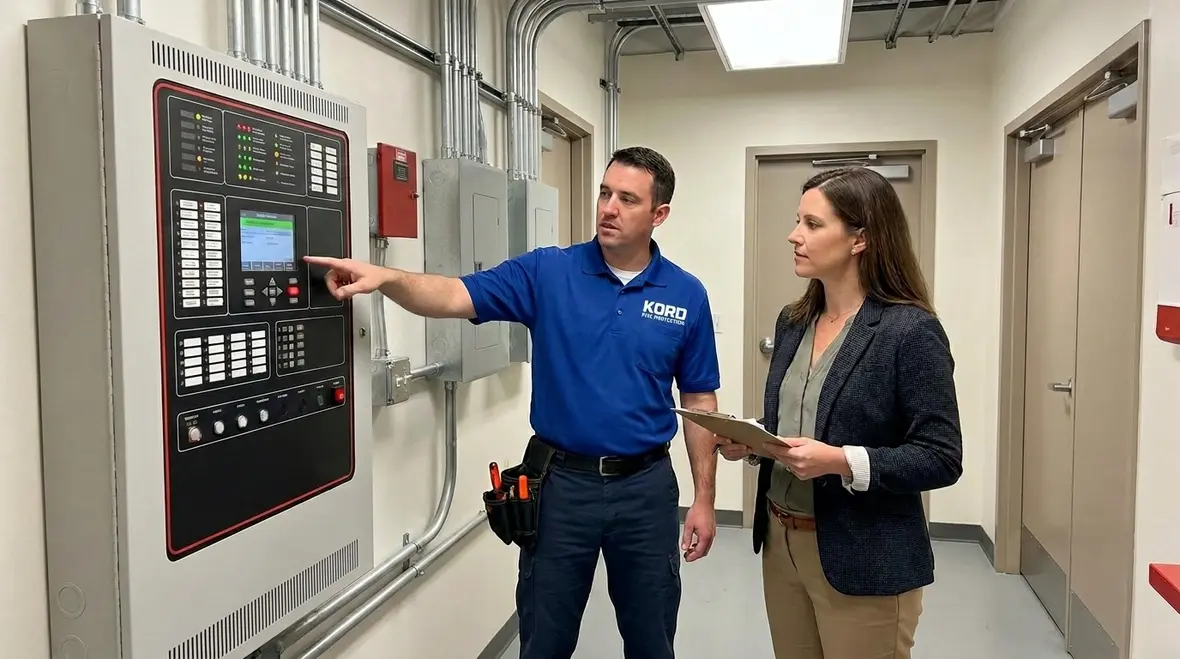
In practice, kord fire protection technicians explain the flow during start up and service visits. They help occupants understand what to expect, what the tones mean, and why certain actions happen automatically. That coaching matters, because the smartest system still depends on people reacting the right way when the alarm sounds.
System Operation
At the core, the system watches for fire signs, confirms the alarm condition, and then triggers notification and control. First, initiating devices such as smoke detectors, heat detectors, or manual pull stations report a signal to the control panel. Next, the panel evaluates the signal based on programming and defined rules. After that, it activates alarms and communicates status information to building staff and monitoring services when used.
Integrated fire protection systems explained like this are not just about making noise. They also support orderly building actions. For instance, the system can release smoke control components, manage door hold open devices, and trigger fan shutdown or activation. Therefore, the system can reduce the chance that smoke spreads faster than people can evacuate.
To keep everything reliable, the system also performs supervision. It monitors wiring paths, trouble conditions, and device health. So, if something fails, staff learns about it early rather than discovering it after the fact, which would be like finding out the smoke detector battery is dead during a thunderstorm.
Typical Applications
These systems fit many building types. They work especially well where different fire functions must coordinate cleanly. Common applications include high rise facilities, schools, hospitals, commercial office buildings, retail centers, warehouses, and mixed use properties.
For example, in a hospital or care facility, response time and safe movement matter. The system can support staged notifications and targeted control actions. Meanwhile, in office buildings, it helps manage evacuation routing and signals to security or facility teams.
In industrial spaces and larger warehouses, heat and smoke detection strategies must match the environment. Therefore, the system programming and device selection matter a lot. Kord fire protection technicians frequently review these details during inspections, because the same device type does not always perform the same way across different airflow patterns and ceiling heights.
Advantages and Limitations
When designed and installed correctly, Tyco SimplexGrinnell systems offer clear benefits. First, coordinated operation improves the quality of the response. Instead of scattered alarms, the building receives one structured set of actions that match the situation. Second, supervision helps teams detect issues before they become emergencies.
Third, integrated fire protection systems explained in design documents allow owners to plan for risk. They can map alarm zones, control sequences, and monitoring routes. That planning supports budgeting and helps reduce surprises.
Now, limitations exist, because real life always adds fine print. The system depends on correct device selection and proper programming. If someone changes occupancy or renovations without updating the fire plan, performance can suffer. Also, any complex system needs good service. Skipping maintenance turns a safety feature into a guess.
In addition, notification and control actions can vary by local requirements and building design. So, staff must not assume that every sequence works the same way in every facility. Kord fire protection technicians often stress this point, and they say it with the patience of someone who has explained it before, and will explain it again because safety does not care about sarcasm.
Inspection and Maintenance
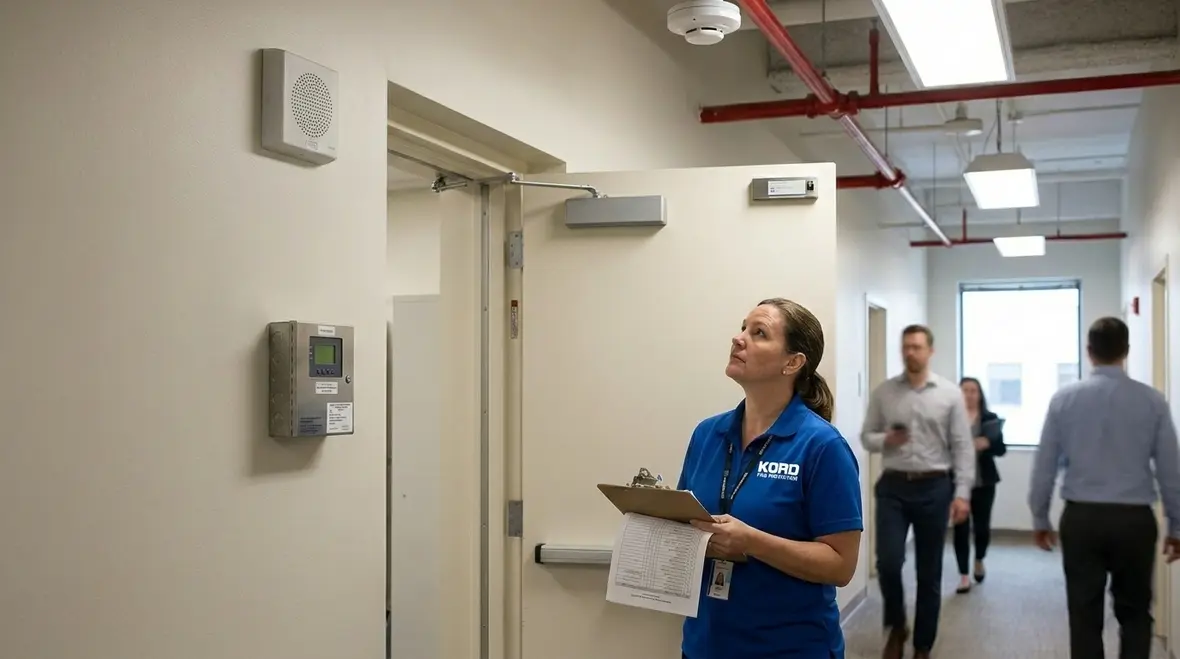
Inspections and maintenance keep the system dependable. A sound plan covers routine checks, functional tests, and device level verification. It also includes documentation updates after any changes.
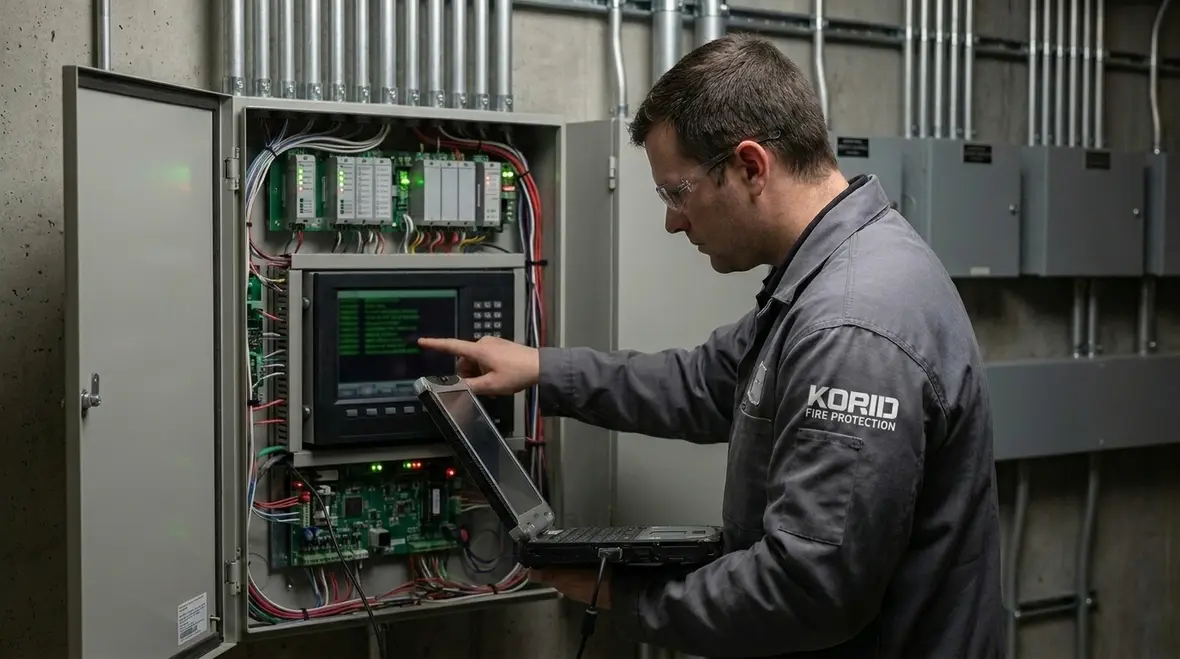
Common inspection tasks include verifying device status, checking control panel events, and inspecting wiring and connectors for wear. Testing may include alarm verification, detector sensitivity checks when used, and functional tests of notification and releasing control circuits. If the building uses monitored circuits, teams also confirm communication paths to monitoring centers.
Preventive maintenance also includes cleaning where allowed, checking battery health, and reviewing trouble logs. Even small problems can create delayed response, and that delay can matter. So, when the system shows a trouble condition, staff should treat it as a priority item.
To support this, kord fire protection technicians often conduct site visits that go beyond ticking boxes. They confirm that the system still matches the building layout and the approved fire plan. Then they educate the team on what each status message means. That education reduces confusion later, especially during drills when alarms should feel predictable, not like a random pop quiz.
Code and Compliance Considerations
Fire protection systems operate under standards that many authorities having jurisdiction follow. These standards typically include requirements for system design, installation methods, testing, supervision, and record keeping. Owners and facility managers should treat code compliance as part of the system life, not just a one time installation step.
In most cases, teams reference installation and inspection standards, plus building and life safety codes that shape how fire alarm and related controls work. Jurisdictions may require specific documentation, permit steps, testing intervals, and reporting formats. Therefore, a compliance checklist should match the building type and the local authority requirements.
Also, when renovations occur, the system must reflect the new occupancy. That includes device placement changes, revised zone mapping, and updated control sequences when needed. If changes happen without updating documentation, the system may still function, but it may not support the intended safety strategy.
To keep things straight, many teams use approved shop drawings and as built records. Kord fire protection technicians help review these documents against site conditions during service and closeout. That approach protects the owner, supports inspection readiness, and avoids the classic issue of “we thought it was updated.” In safety work, “thought” is not a technical term.
How integrated systems reduce downtime and confusion
One practical benefit shows up during building operations. When an integrated design works well, it reduces the number of times staff must handle multiple unrelated systems in a crisis. Instead of chasing separate panels or calling different vendors to interpret alarms, the response is guided by one coordinated system status.
Furthermore, integrated fire protection systems explained through clear labeling and zone design help trained staff understand what happens and why. Then, during maintenance windows, service teams can test functions in an organized way and document results. This helps reduce prolonged shutdowns, and it lowers the chance of repeated disruptive tests.
To make this real, kord fire protection technicians often schedule testing to match building routines. For example, they may plan testing during off peak hours, coordinate with building management, and confirm that notification coverage stays within approved limits. That is how you avoid turning a routine test into a building wide surprise party, and nobody wants that kind of party.
FAQ
Conclusion and call to action
Tyco SimplexGrinnell systems can bring real order to fire response when they connect detection, notification, and control as one plan. Yet the value shows up only when the system matches the building and stays maintained. Kord fire protection technicians help owners understand operation, verify performance, and keep documentation aligned with code expectations.
If this safety plan needs a review, schedule an inspection and walk through the integrated fire protection systems explained in your facility. Then you can move forward with confidence, not guesswork.
Related next step: If your site includes liquid-hazard risks, foam systems can be part of a complete protection strategy.
Know Your Weapon Before You Fight the Flame
Kord Fire Protection is your go-to when it comes to all things fire protection. For over 20 years, we’ve been serving Southern California with the quality service and equipment to keep your home or business safe at all times. Our competitive prices reflect our unwavering commitment to protecting what matters most in the event of a fire emergency. Give us a call, send an email, or use that form!

Join Our Newsletter!
Get the latest fire safety tips delivered straight to your inbox From our Newsletter.
Tyco SimplexGrinnell Integrated Fire Protection Systems Explained
Tyco SimplexGrinnell systems help teams deploy integrated fire protection that works together as one clear plan. In plain terms, these integrated fire protection systems explained in the first glance are designed to connect detection, alarms, and control functions so people respond fast and the building stays safer. As this setup comes to life, kord fire protection technicians often walk owners through the logic step by step, like a calm tour guide in a world that usually runs on panic. And honestly, when smoke alarms do their job, it feels a lot less like a horror movie and more like a well run Tuesday.
What Tyco SimplexGrinnell systems do in real buildings
These fire systems coordinate multiple pieces so the whole response makes sense. Typically, they combine fire detection, notification, and control for doors, elevators, fans, and other building functions. When the right condition happens, the system sends the right message, in the right order, with clear status at the right location.
And because human beings do not always read every panel label like they are studying for a test, the system also supports organized behavior. For example, zones can guide the response team to where the trouble is, while control points help manage smoke spread. As a result, decision making becomes faster and less chaotic.
In practice, kord fire protection technicians explain the flow during start up and service visits. They help occupants understand what to expect, what the tones mean, and why certain actions happen automatically. That coaching matters, because the smartest system still depends on people reacting the right way when the alarm sounds.
System Operation
At the core, the system watches for fire signs, confirms the alarm condition, and then triggers notification and control. First, initiating devices such as smoke detectors, heat detectors, or manual pull stations report a signal to the control panel. Next, the panel evaluates the signal based on programming and defined rules. After that, it activates alarms and communicates status information to building staff and monitoring services when used.
Integrated fire protection systems explained like this are not just about making noise. They also support orderly building actions. For instance, the system can release smoke control components, manage door hold open devices, and trigger fan shutdown or activation. Therefore, the system can reduce the chance that smoke spreads faster than people can evacuate.
To keep everything reliable, the system also performs supervision. It monitors wiring paths, trouble conditions, and device health. So, if something fails, staff learns about it early rather than discovering it after the fact, which would be like finding out the smoke detector battery is dead during a thunderstorm.
Typical Applications
These systems fit many building types. They work especially well where different fire functions must coordinate cleanly. Common applications include high rise facilities, schools, hospitals, commercial office buildings, retail centers, warehouses, and mixed use properties.
For example, in a hospital or care facility, response time and safe movement matter. The system can support staged notifications and targeted control actions. Meanwhile, in office buildings, it helps manage evacuation routing and signals to security or facility teams.
In industrial spaces and larger warehouses, heat and smoke detection strategies must match the environment. Therefore, the system programming and device selection matter a lot. Kord fire protection technicians frequently review these details during inspections, because the same device type does not always perform the same way across different airflow patterns and ceiling heights.
Advantages and Limitations
When designed and installed correctly, Tyco SimplexGrinnell systems offer clear benefits. First, coordinated operation improves the quality of the response. Instead of scattered alarms, the building receives one structured set of actions that match the situation. Second, supervision helps teams detect issues before they become emergencies.
Third, integrated fire protection systems explained in design documents allow owners to plan for risk. They can map alarm zones, control sequences, and monitoring routes. That planning supports budgeting and helps reduce surprises.
Now, limitations exist, because real life always adds fine print. The system depends on correct device selection and proper programming. If someone changes occupancy or renovations without updating the fire plan, performance can suffer. Also, any complex system needs good service. Skipping maintenance turns a safety feature into a guess.
In addition, notification and control actions can vary by local requirements and building design. So, staff must not assume that every sequence works the same way in every facility. Kord fire protection technicians often stress this point, and they say it with the patience of someone who has explained it before, and will explain it again because safety does not care about sarcasm.
Inspection and Maintenance
Inspections and maintenance keep the system dependable. A sound plan covers routine checks, functional tests, and device level verification. It also includes documentation updates after any changes.
Common inspection tasks include verifying device status, checking control panel events, and inspecting wiring and connectors for wear. Testing may include alarm verification, detector sensitivity checks when used, and functional tests of notification and releasing control circuits. If the building uses monitored circuits, teams also confirm communication paths to monitoring centers.
Preventive maintenance also includes cleaning where allowed, checking battery health, and reviewing trouble logs. Even small problems can create delayed response, and that delay can matter. So, when the system shows a trouble condition, staff should treat it as a priority item.
To support this, kord fire protection technicians often conduct site visits that go beyond ticking boxes. They confirm that the system still matches the building layout and the approved fire plan. Then they educate the team on what each status message means. That education reduces confusion later, especially during drills when alarms should feel predictable, not like a random pop quiz.
Code and Compliance Considerations
Fire protection systems operate under standards that many authorities having jurisdiction follow. These standards typically include requirements for system design, installation methods, testing, supervision, and record keeping. Owners and facility managers should treat code compliance as part of the system life, not just a one time installation step.
In most cases, teams reference installation and inspection standards, plus building and life safety codes that shape how fire alarm and related controls work. Jurisdictions may require specific documentation, permit steps, testing intervals, and reporting formats. Therefore, a compliance checklist should match the building type and the local authority requirements.
Also, when renovations occur, the system must reflect the new occupancy. That includes device placement changes, revised zone mapping, and updated control sequences when needed. If changes happen without updating documentation, the system may still function, but it may not support the intended safety strategy.
To keep things straight, many teams use approved shop drawings and as built records. Kord fire protection technicians help review these documents against site conditions during service and closeout. That approach protects the owner, supports inspection readiness, and avoids the classic issue of “we thought it was updated.” In safety work, “thought” is not a technical term.
How integrated systems reduce downtime and confusion
One practical benefit shows up during building operations. When an integrated design works well, it reduces the number of times staff must handle multiple unrelated systems in a crisis. Instead of chasing separate panels or calling different vendors to interpret alarms, the response is guided by one coordinated system status.
Furthermore, integrated fire protection systems explained through clear labeling and zone design help trained staff understand what happens and why. Then, during maintenance windows, service teams can test functions in an organized way and document results. This helps reduce prolonged shutdowns, and it lowers the chance of repeated disruptive tests.
To make this real, kord fire protection technicians often schedule testing to match building routines. For example, they may plan testing during off peak hours, coordinate with building management, and confirm that notification coverage stays within approved limits. That is how you avoid turning a routine test into a building wide surprise party, and nobody wants that kind of party.
FAQ
Conclusion and call to action
Tyco SimplexGrinnell systems can bring real order to fire response when they connect detection, notification, and control as one plan. Yet the value shows up only when the system matches the building and stays maintained. Kord fire protection technicians help owners understand operation, verify performance, and keep documentation aligned with code expectations.
If this safety plan needs a review, schedule an inspection and walk through the integrated fire protection systems explained in your facility. Then you can move forward with confidence, not guesswork.
Related next step: If your site includes liquid-hazard risks, foam systems can be part of a complete protection strategy.
Know Your Weapon Before You Fight the Flame
Kord Fire Protection is your go-to when it comes to all things fire protection. For over 20 years, we’ve been serving Southern California with the quality service and equipment to keep your home or business safe at all times. Our competitive prices reflect our unwavering commitment to protecting what matters most in the event of a fire emergency. Give us a call, send an email, or use that form!
Join Our Newsletter!
Get the latest fire safety tips delivered straight to your inbox From our Newsletter.
Tyco SimplexGrinnell Integrated Fire Protection Systems Explained
Tyco SimplexGrinnell systems help teams deploy integrated fire protection that works together as one clear plan. In plain terms, these integrated fire protection systems explained in the first glance are designed to connect detection, alarms, and control functions so people respond fast and the building stays safer. As this setup comes to life, kord fire protection technicians often walk owners through the logic step by step, like a calm tour guide in a world that usually runs on panic. And honestly, when smoke alarms do their job, it feels a lot less like a horror movie and more like a well run Tuesday.
What Tyco SimplexGrinnell systems do in real buildings
These fire systems coordinate multiple pieces so the whole response makes sense. Typically, they combine fire detection, notification, and control for doors, elevators, fans, and other building functions. When the right condition happens, the system sends the right message, in the right order, with clear status at the right location.
And because human beings do not always read every panel label like they are studying for a test, the system also supports organized behavior. For example, zones can guide the response team to where the trouble is, while control points help manage smoke spread. As a result, decision making becomes faster and less chaotic.
In practice, kord fire protection technicians explain the flow during start up and service visits. They help occupants understand what to expect, what the tones mean, and why certain actions happen automatically. That coaching matters, because the smartest system still depends on people reacting the right way when the alarm sounds.
System Operation
At the core, the system watches for fire signs, confirms the alarm condition, and then triggers notification and control. First, initiating devices such as smoke detectors, heat detectors, or manual pull stations report a signal to the control panel. Next, the panel evaluates the signal based on programming and defined rules. After that, it activates alarms and communicates status information to building staff and monitoring services when used.
Integrated fire protection systems explained like this are not just about making noise. They also support orderly building actions. For instance, the system can release smoke control components, manage door hold open devices, and trigger fan shutdown or activation. Therefore, the system can reduce the chance that smoke spreads faster than people can evacuate.
To keep everything reliable, the system also performs supervision. It monitors wiring paths, trouble conditions, and device health. So, if something fails, staff learns about it early rather than discovering it after the fact, which would be like finding out the smoke detector battery is dead during a thunderstorm.
Typical Applications
These systems fit many building types. They work especially well where different fire functions must coordinate cleanly. Common applications include high rise facilities, schools, hospitals, commercial office buildings, retail centers, warehouses, and mixed use properties.
For example, in a hospital or care facility, response time and safe movement matter. The system can support staged notifications and targeted control actions. Meanwhile, in office buildings, it helps manage evacuation routing and signals to security or facility teams.
In industrial spaces and larger warehouses, heat and smoke detection strategies must match the environment. Therefore, the system programming and device selection matter a lot. Kord fire protection technicians frequently review these details during inspections, because the same device type does not always perform the same way across different airflow patterns and ceiling heights.
Advantages and Limitations
When designed and installed correctly, Tyco SimplexGrinnell systems offer clear benefits. First, coordinated operation improves the quality of the response. Instead of scattered alarms, the building receives one structured set of actions that match the situation. Second, supervision helps teams detect issues before they become emergencies.
Third, integrated fire protection systems explained in design documents allow owners to plan for risk. They can map alarm zones, control sequences, and monitoring routes. That planning supports budgeting and helps reduce surprises.
Now, limitations exist, because real life always adds fine print. The system depends on correct device selection and proper programming. If someone changes occupancy or renovations without updating the fire plan, performance can suffer. Also, any complex system needs good service. Skipping maintenance turns a safety feature into a guess.
In addition, notification and control actions can vary by local requirements and building design. So, staff must not assume that every sequence works the same way in every facility. Kord fire protection technicians often stress this point, and they say it with the patience of someone who has explained it before, and will explain it again because safety does not care about sarcasm.
Inspection and Maintenance
Inspections and maintenance keep the system dependable. A sound plan covers routine checks, functional tests, and device level verification. It also includes documentation updates after any changes.
Common inspection tasks include verifying device status, checking control panel events, and inspecting wiring and connectors for wear. Testing may include alarm verification, detector sensitivity checks when used, and functional tests of notification and releasing control circuits. If the building uses monitored circuits, teams also confirm communication paths to monitoring centers.
Preventive maintenance also includes cleaning where allowed, checking battery health, and reviewing trouble logs. Even small problems can create delayed response, and that delay can matter. So, when the system shows a trouble condition, staff should treat it as a priority item.
To support this, kord fire protection technicians often conduct site visits that go beyond ticking boxes. They confirm that the system still matches the building layout and the approved fire plan. Then they educate the team on what each status message means. That education reduces confusion later, especially during drills when alarms should feel predictable, not like a random pop quiz.
Code and Compliance Considerations
Fire protection systems operate under standards that many authorities having jurisdiction follow. These standards typically include requirements for system design, installation methods, testing, supervision, and record keeping. Owners and facility managers should treat code compliance as part of the system life, not just a one time installation step.
In most cases, teams reference installation and inspection standards, plus building and life safety codes that shape how fire alarm and related controls work. Jurisdictions may require specific documentation, permit steps, testing intervals, and reporting formats. Therefore, a compliance checklist should match the building type and the local authority requirements.
Also, when renovations occur, the system must reflect the new occupancy. That includes device placement changes, revised zone mapping, and updated control sequences when needed. If changes happen without updating documentation, the system may still function, but it may not support the intended safety strategy.
To keep things straight, many teams use approved shop drawings and as built records. Kord fire protection technicians help review these documents against site conditions during service and closeout. That approach protects the owner, supports inspection readiness, and avoids the classic issue of “we thought it was updated.” In safety work, “thought” is not a technical term.
How integrated systems reduce downtime and confusion
One practical benefit shows up during building operations. When an integrated design works well, it reduces the number of times staff must handle multiple unrelated systems in a crisis. Instead of chasing separate panels or calling different vendors to interpret alarms, the response is guided by one coordinated system status.
Furthermore, integrated fire protection systems explained through clear labeling and zone design help trained staff understand what happens and why. Then, during maintenance windows, service teams can test functions in an organized way and document results. This helps reduce prolonged shutdowns, and it lowers the chance of repeated disruptive tests.
To make this real, kord fire protection technicians often schedule testing to match building routines. For example, they may plan testing during off peak hours, coordinate with building management, and confirm that notification coverage stays within approved limits. That is how you avoid turning a routine test into a building wide surprise party, and nobody wants that kind of party.
FAQ
Conclusion and call to action
Tyco SimplexGrinnell systems can bring real order to fire response when they connect detection, notification, and control as one plan. Yet the value shows up only when the system matches the building and stays maintained. Kord fire protection technicians help owners understand operation, verify performance, and keep documentation aligned with code expectations.
If this safety plan needs a review, schedule an inspection and walk through the integrated fire protection systems explained in your facility. Then you can move forward with confidence, not guesswork.
Related next step: If your site includes liquid-hazard risks, foam systems can be part of a complete protection strategy.
Know Your Weapon Before You Fight the Flame
Kord Fire Protection is your go-to when it comes to all things fire protection. For over 20 years, we’ve been serving Southern California with the quality service and equipment to keep your home or business safe at all times. Our competitive prices reflect our unwavering commitment to protecting what matters most in the event of a fire emergency. Give us a call, send an email, or use that form!
Join Our Newsletter!
Get the latest fire safety tips delivered straight to your inbox From our Newsletter.