Zurn Fire Protection Systems and Plumbing Connection
Zurn Fire Protection Systems and the Plumbing Connection
When a building uses plumbing and fire protection systems integration, the project stops being “just pipes” and becomes a coordinated life safety plan. Water lines, drainage routes, sprinkler supply, standpipe connections, and fire pump tie-ins all share the same real estate, the same rooms, and often the same ceiling spaces. Therefore, plumbing contractors and fire protection teams must work as one unit. Zurn Fire Protection Systems often sit right in the middle of that overlap, because fittings, valves, drains, and system components influence both day to day operation and emergency performance.
And yes, a properly coordinated design can feel as smooth as a late season sitcom finale. But skipped details? That is the equivalent of forgetting your line at the worst possible moment. Kord Fire Protection technicians explain that the overlap matters because fire protection does not live in a vacuum. It depends on water, pressure, and controls that plumbing systems help deliver.
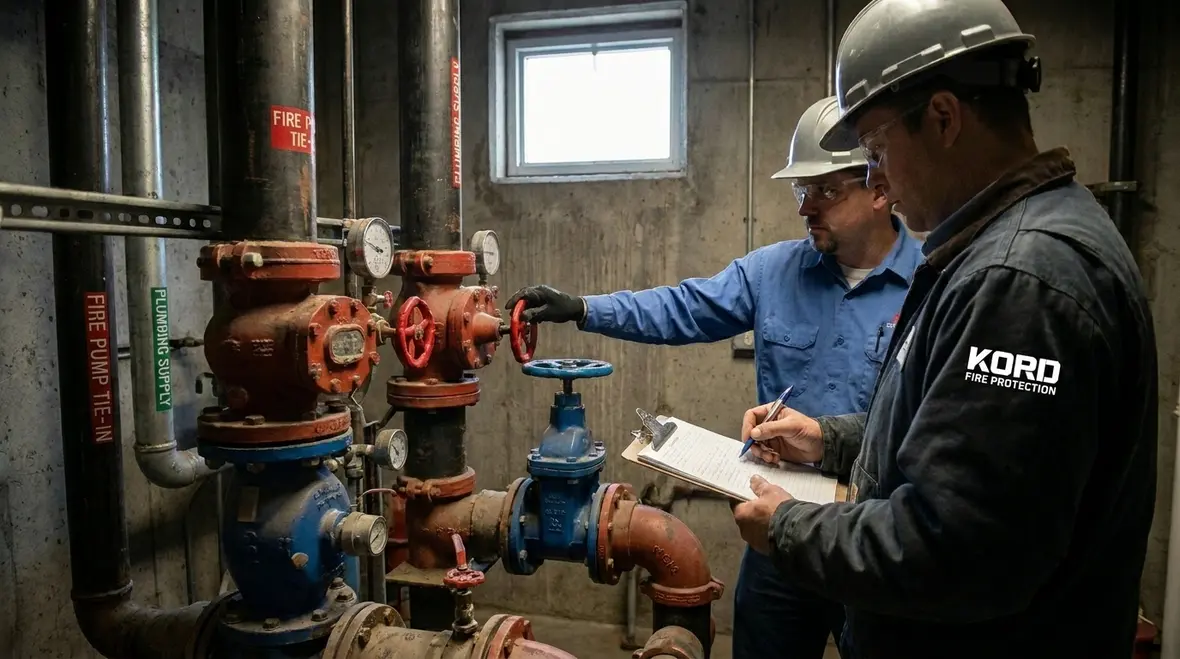
System Operation: How the Water Moves
Zurn fire protection hardware supports sprinkler systems, standpipes, hydrants, and related control devices. At the same time, plumbing systems handle domestic water, drainage, and mechanical room operations that can affect pressure, airflow, and maintenance access. Consequently, the systems overlap in three key ways: supply paths, valve control, and monitoring.
First, supply paths matter. A fire sprinkler system needs reliable water flow and stable pressure. Meanwhile, domestic water demand, makeup lines, and pressure reducing valves can shift conditions during peak building use. Therefore, designers and field teams must confirm that the fire system stays within its required range, even when plumbing loads change.
Second, valve control matters. Fire valves, tamper switches, check valves, and backflow devices must align with plumbing service valves and isolation plans. In practice, a valve that works fine for a sink can cause a fire impairment if it is installed without the right coordination or labeling.
Third, monitoring matters. Fire systems often tie into alarms, supervisory signals, and building control. In addition, plumbing systems can produce nuisance alarms when flow or pressure signals get misread. Kord Fire Protection technicians typically walk teams through how signals behave during testing and what “normal” looks like, so the system responds quickly without confusion.
Typical Applications for Zurn Components
Most projects use these systems where buildings need both everyday plumbing performance and dependable fire protection. Typical applications include:
- Commercial offices and mixed use buildings with sprinkler systems and domestic plumbing in shared service areas
- Healthcare and long term care facilities where water supply stability and emergency response are strict
- Warehouses and distribution centers that use standpipes, hydrants, and large flow requirements
- Apartment complexes with backflow prevention, fire risers, and consistent monitoring
- Schools and public facilities where inspection readiness and access routes must stay clear
In each case, the overlap shows up in the details. Pipe routing decisions affect sprinkler spacing and drain configuration. Drainage plans affect maintenance access to sprinkler valves. Even the location of a backflow device can influence how technicians reach the control components during inspection.
To keep it simple, plumbing supports the building’s normal rhythm, and fire protection systems integration supports the building’s emergency rhythm. Both rhythms must line up, or someone ends up doing “emergency plumbing Olympics,” and nobody wants that event.
Advantages and Limitations of the Overlap
Plumbing and fire protection systems coordination offers clear benefits, but it also creates real constraints. When Zurn Fire Protection Systems are installed with correct planning, owners gain reliability, faster response times, and less downtime during maintenance.
Advantages
- Better system stability when supply design accounts for both domestic demand and emergency flow needs
- Improved maintainability when access routes and isolation valves match the inspection plan
- Reduced rework because coordinated layouts reduce clashes between piping trades
- Clearer documentation when valve schedules and test procedures reflect the full network
Limitations
- Higher coordination effort during design reviews and submittal approvals
- More strict labeling needs so valves are not swapped in the field like they are interchangeable parts
- Access conflicts where ductwork, electrical, and sprinkler mains compete for ceiling space
- Potential pressure interactions if pressure reducing or backflow components are not selected correctly
In other words, integration makes the system smarter, but it does not make decisions optional. Kord Fire Protection technicians often point out that field shortcuts create delays later, because repairs during inspections rarely feel like a fun puzzle. They usually feel like finding out the wrong part is already installed in your ceiling. Not dramatic, just deeply annoying.
Inspection and Maintenance That Actually Works
Inspection is where the overlap becomes either a strength or a headache. Zurn fire protection devices typically require periodic checks, and plumbing components in shared areas must also support safe access and correct operation. To keep things efficient, technicians use a planned approach that follows how water and signals behave during routine testing.
What inspection teams typically verify
- Valve position, tamper switches, and supervisory signals function as designed
- Backflow preventers and related plumbing devices meet the required performance standards
- Drain and test connections allow safe discharge without blocking life safety equipment
- Pressure readings stay within acceptable tolerances during test conditions
- Labels, charts, and as built drawings match the installed layout
Maintenance practices that prevent trouble
- Coordinate lockout and isolation procedures so fire valves do not get left in the wrong state
- Protect components during construction so debris does not clog alarms, drains, or fittings
- Schedule checks when building use is low to avoid nuisance disruptions
- Document changes promptly, especially when plumbing modifications affect the fire system network
Importantly, inspection is not only about “looking.” It also includes functional testing and verification of system response. Therefore, Kord Fire Protection technicians explain how to interpret results so the team does not treat every abnormal reading like an emergency siren. Sometimes the system is just telling you it needs a parameter adjustment, not a full replacement.
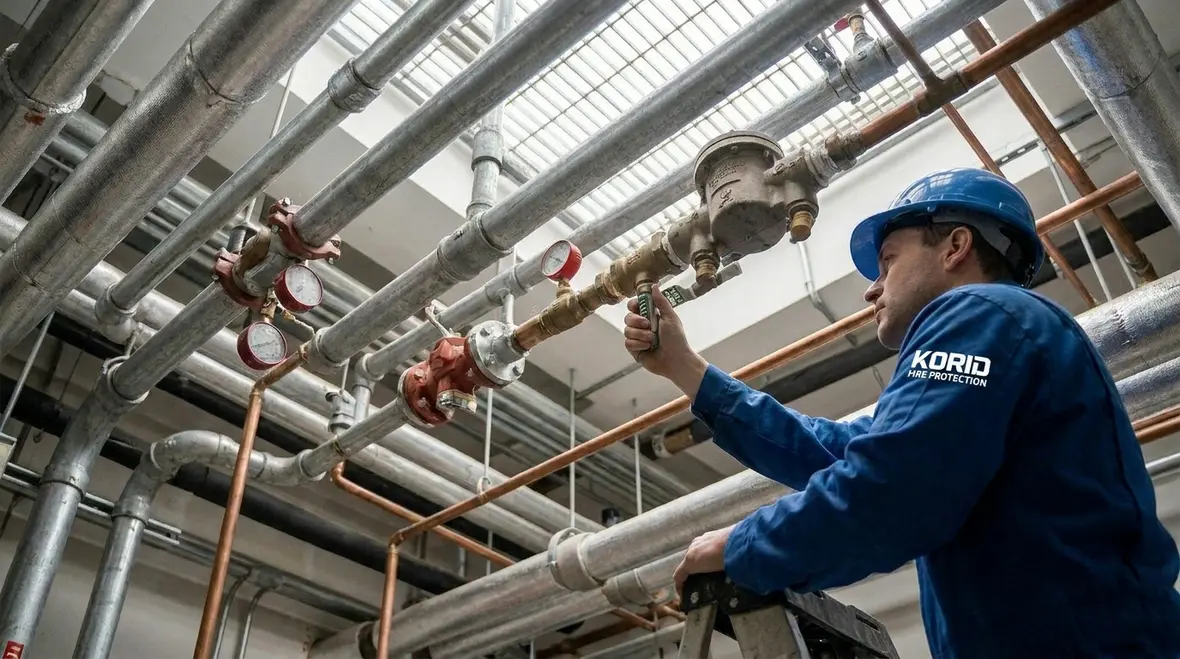
Code and Compliance Considerations in Shared Piping Areas
Fire protection and plumbing must follow the same universe of safety rules, but they do not follow the rules in identical ways. Consequently, compliance requires careful coordination of local codes, national standards, and project specifications. Zurn Fire Protection Systems are commonly specified to match recognized design and installation practices, yet the best protection still depends on correct layout and documented performance.
In shared piping areas, teams focus on several compliance points:
- Proper installation of valves, check devices, and backflow components
- Correct identification of fire valves and control sections to prevent accidental misoperation
- Required testing procedures carried out under the right conditions, with results logged
- Material compatibility to avoid corrosion or damage that can limit flow
- Access and clearances so inspectors and maintenance staff can reach components safely
When plumbing systems change, compliance can shift too. A plumbing reroute or new domestic pressure regulator might influence pressures that fire protection systems rely on. Therefore, the integration process should treat modifications as part of the life safety system, not as a separate “plumbing only” item.
As Kord Fire Protection technicians put it, codes are not here to slow the project down. They are here to keep the system honest. The building should perform during the worst day, not the best day.
Coordinating Trades for Real Projects
The best design does not just draw lines on paper. Instead, it builds a workflow where plumbing and fire teams share assumptions early and confirm them often. That is how teams avoid clashes that lead to costly rework.
A practical coordination sequence
- Hold an early coordination meeting between plumbing, fire protection, and design teams
- Review valve locations, riser rooms, access routes, and test discharge paths
- Verify pressure assumptions and confirm how domestic loads might affect fire supply
- Assign responsibilities for labeling, documentation, and as built updates
- Conduct a pre inspection walk through before handoff so gaps show up early
Then, once the system is running, the team maintains coordination through change control. If plumbing work impacts the fire network, technicians need to know right away. As a result, the entire building keeps its safety posture.
And if anyone jokes that coordination is “just paperwork,” they are joking the way a smoke detector jokes. It will still do the job, but only after it triggers.
FAQ: Zurn and Fire Protection in Plumbing Spaces
Call to Action: Secure the Overlap Before It Costs You
Buildings run on dependable water, and fire protection depends on that same water under stress. Therefore, owners and project teams should coordinate plumbing and fire protection systems integration from design through maintenance, not after the fact. Kord Fire Protection technicians bring practical experience to help confirm valve placement, testing readiness, and compliance in shared spaces. If Zurn Fire Protection Systems are on the project, schedule a coordination and inspection plan now, so the building stays calm when it matters most. Contact a qualified team to review your layout and next steps.
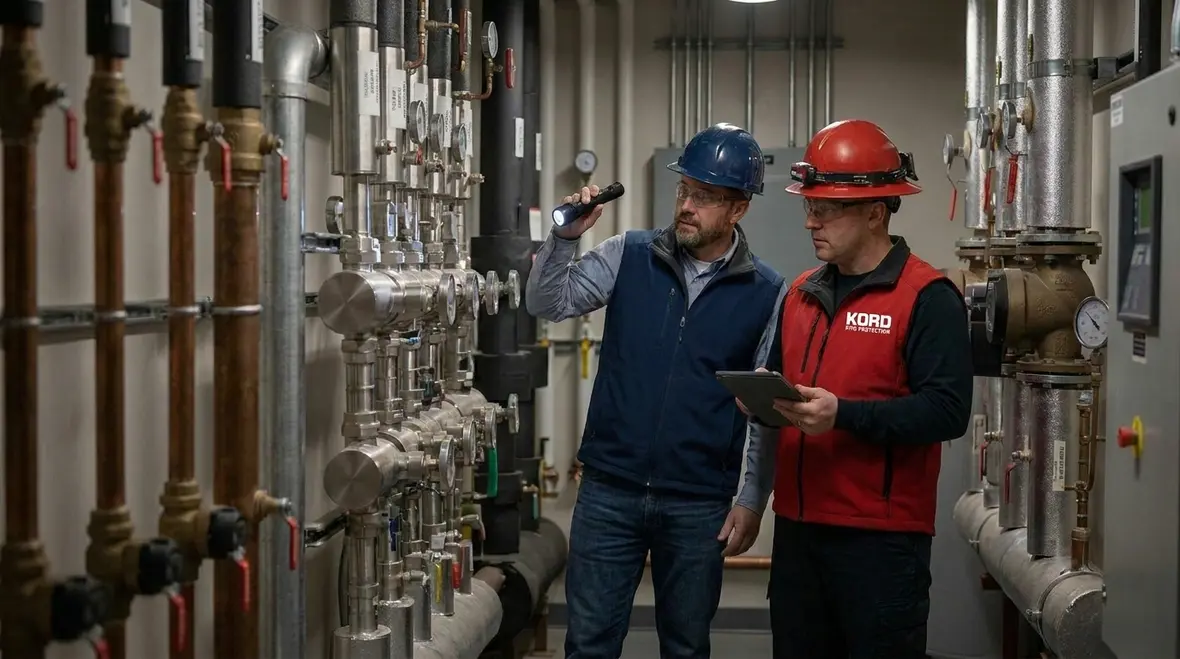
Next Step: Coordinate the System Network
If you are working on shared piping areas, make sure the overlap is designed, labeled, and tested as one life safety system. Then keep it coordinated through change control so inspections do not turn into a surprise scavenger hunt.
The calm building is the coordinated building. When plumbing and fire protection systems integration are treated as one plan, inspections feel predictable, and performance stays reliable.
Ready to align valve placement, access routes, and testing readiness? Bring the overlap to the forefront before it becomes a “wait, that is the wrong part” moment.
Know Your Weapon Before You Fight the Flame
Kord Fire Protection is your go-to when it comes to all things fire protection. For over 20 years, we’ve been serving Southern California with the quality service and equipment to keep your home or business safe at all times. Our competitive prices reflect our unwavering commitment to protecting what matters most in the event of a fire emergency. Give us a call, send an email, or use that form!

Join Our Newsletter!
Get the latest fire safety tips delivered straight to your inbox From our Newsletter.