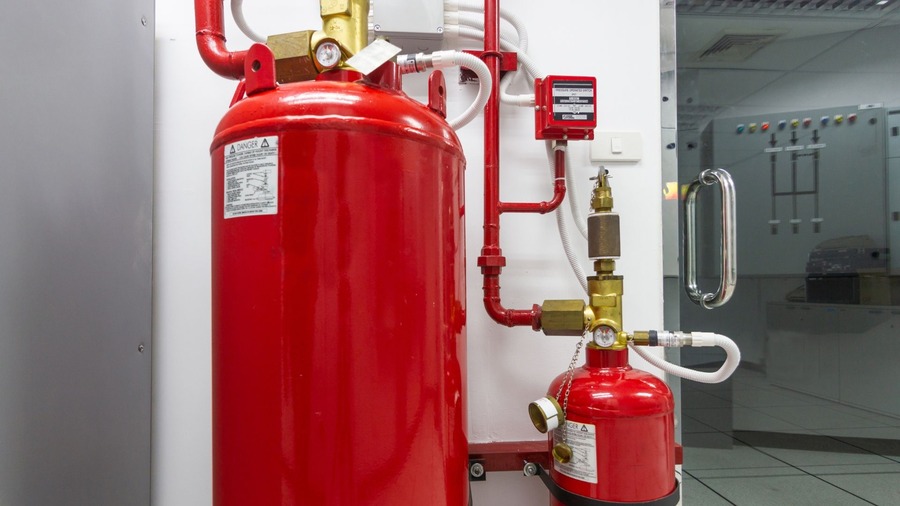
Minimax Viking Fire Protection Systems applications have earned their place in both everyday commercial safety and high-stakes industrial risk. And because the world does not stand still, these fire systems show up in more places than most people realize, from ports and warehouses to data centers and municipal facilities. In this article, a clear view emerges: how these systems operate, where they fit best, what they do well, what they require to stay reliable, and how teams verify compliance. Along the way, Kord Fire Protection technicians explain key points in plain language, like a calm guide through a museum exhibit where the lights never flicker. (If the lights flicker, that is not the museum. That is the alarm doing its job.)
Minimax Viking Fire Protection Systems applications: how the system actually works
When a fire starts, seconds matter, and a dependable fire system must respond in a predictable way. Minimax Viking fire protection systems applications typically rely on a coordinated chain: detection, control, and action. First, detectors watch for heat, smoke, or other fire signals based on the design. Next, the control equipment interprets the signal and triggers the right response. Then, the system activates the intended protection method, which may include sprinklers, pre action logic, or other specialized hazard controls depending on the site design.
Importantly, these systems do not just “activate.” They follow a programmed sequence, so one alarm does not cause chaos across the entire building. Instead, the design focuses attention where the risk actually exists. This reduces nuisance events and helps responders understand the scene faster. As Kord Fire Protection technicians explain, good design makes the system behave like a well run orchestra: each component plays its part, and nobody hits the cymbals during the quiet section.
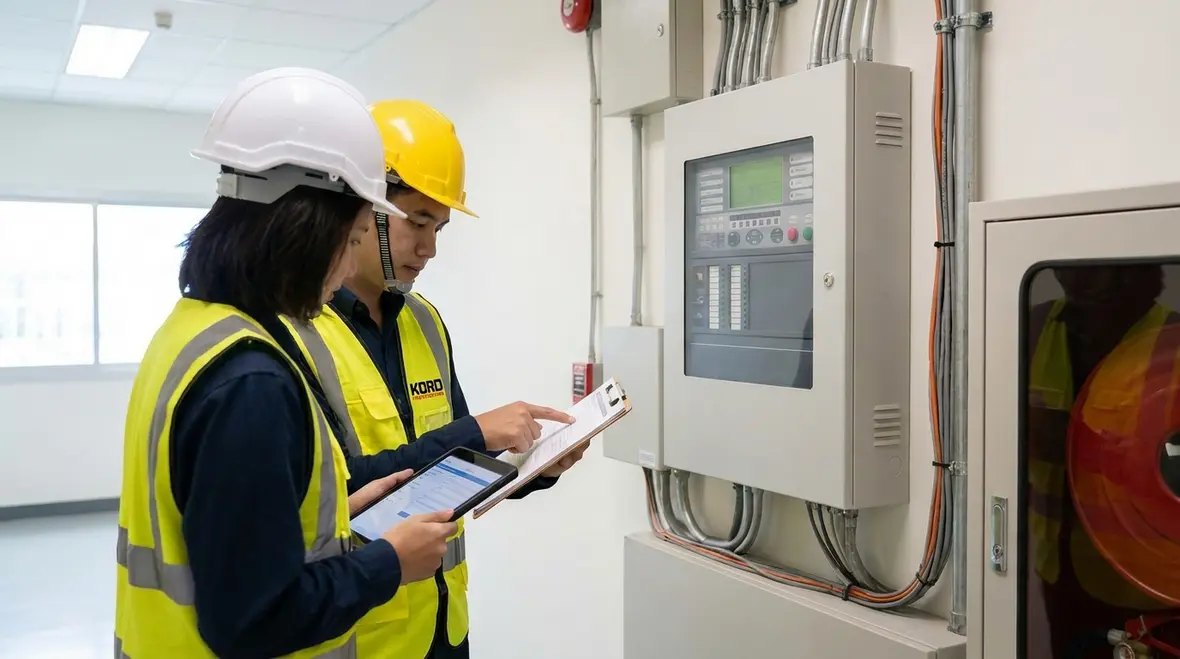
System Operation → Typical Applications
To understand typical applications, it helps to understand how the system handles different fire scenarios. For instance, in spaces with normal occupancy, the system prioritizes fast warning and safe evacuation support. In industrial zones, the system also considers how fire spreads around machinery, stored materials, and ventilation patterns.
Typical Applications
- Industrial manufacturing: where fast detection and targeted suppression reduce downtime and protect critical assets.
- Logistics and warehousing: where storage height and rack layout require careful zoning and stable water or agent delivery.
- Marine and port facilities: where hazards vary and protection plans must account for environmental conditions.
- Commercial buildings: where integration with alarms, evacuation plans, and building management systems supports real world safety.
- Critical infrastructure: where continuity of operations matters and response times must stay tight.
- Regional energy and utilities: where hazard classification guides what method the system uses and how it stays monitored.
And yes, global applications mean the system may face different climates, electrical standards, and operating schedules. Still, the core idea stays steady: detection must be reliable, the control logic must match the site risk, and the activation must follow the design intent every time.
Minimax Viking setup in the real world: advantages and limitations
Now we move from what the system can do to what it should be expected to do, because reality always adds a footnote. Minimax Viking fire protection systems applications often bring strong benefits, especially when projects include good design and skilled installation. However, like any safety system, it also has boundaries, and those boundaries matter.
Advantages
- Coordinated detection and response: the system aims for fast, consistent activation instead of random behavior.
- Scalable design: teams can match protection to risk level, occupancy, and building layout.
- Clear zoning: responders can locate the likely origin area faster.
- Operational discipline: with proper programming and testing, the system reduces repeat nuisance trips and keeps readiness high.
- Global fit: the core technology supports projects across regions, when paired with local code requirements.
Limitations
- Design must match occupancy: if the hazard classification is wrong, the system may protect less effectively than intended.
- Space and routing impact performance: ceilings, obstructions, and ductwork can change how detection behaves.
- Maintenance drives reliability: without inspection and timely servicing, even the best system loses confidence.
- Environmental factors matter: dust, corrosion, and temperature swings can affect components if the site is harsh.
In other words, the system performs best when it gets the respect it earns. Like a good espresso machine, it will work wonderfully, until someone tries to run it on vibes alone.
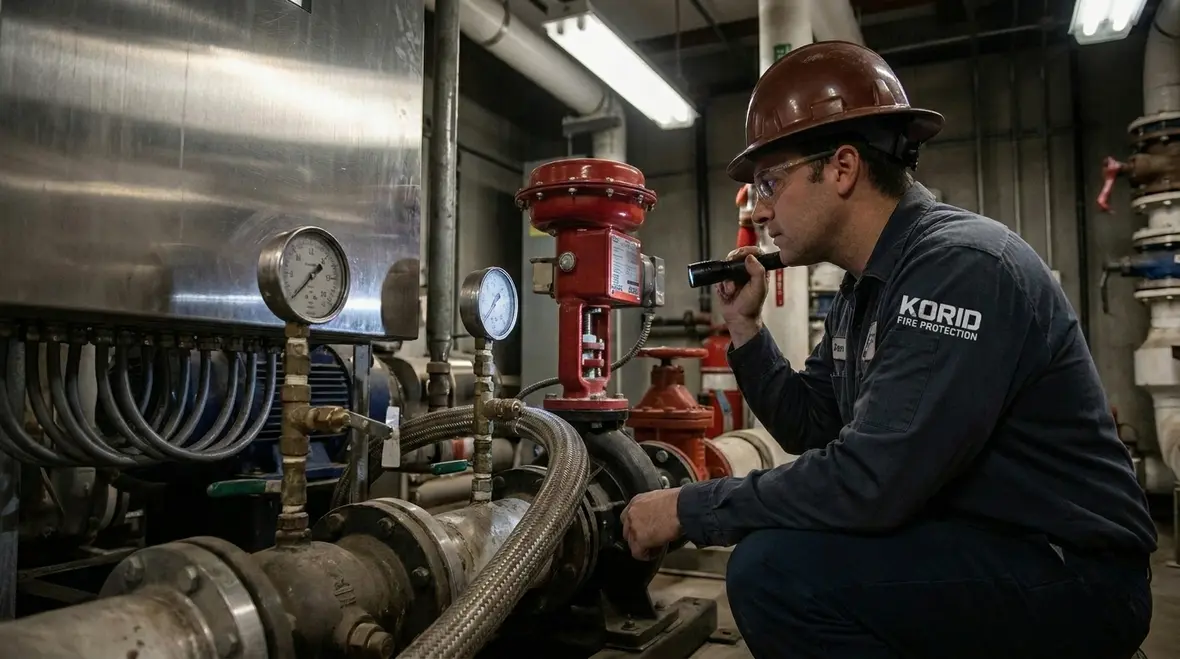
Inspection and Maintenance
Inspection and maintenance prevent small issues from turning into big failures. While the exact schedule depends on the system type and local rules, the process usually includes visual checks, functional testing, and verification of key components. Kord Fire Protection technicians often stress that maintenance is not a box to tick. It is a continuous read on whether the system still matches the building.
Common maintenance actions
- Detector verification: checking device status, cleaning where allowed, and confirming alarm response behavior.
- Control panel checks: verifying power supplies, trouble signals, and correct monitoring states.
- Water supply readiness: testing pumps, checking pressure readings, and confirming the arrangement stays within design limits.
- Inspection of valves and actuators: ensuring no binding, leaks, or improper positions exist.
- Records review: confirming past tests, calibration notes, and any repairs stay documented.
Also, building changes force re-evaluation. When a warehouse expands, racks move, or a tenant remodel changes ceiling heights, the detection plan may require adjustments. That is where ongoing service teams earn their keep. They do not simply “maintain.” They keep the system aligned with the way the building actually works today.
Inspection routines and system health: what teams verify
Some organizations want a simple snapshot. Others want deep proof. Either way, a healthy inspection program ties back to measurable outcomes, not guesswork. For that reason, teams often use a structured approach that looks at readiness, documentation, and response behavior.
| System Health Check | What It Confirms |
|---|---|
| Alarm and trouble monitoring review | Panels report device status correctly, and signals route to the right teams. |
| Actuation readiness checks | Initiation logic and activation components can perform as designed. |
| Water supply or agent system checks | Availability and performance match the design assumptions. |
| Field device condition assessment | Components stay clear of damage, blockage, or improper placement. |
And when technicians document results, owners gain decision clarity. Instead of wondering if a system “seems fine,” they can see what passed, what needs attention, and when the next test should happen. Yes, it is thrilling, in the way tax compliance is thrilling. Still, it prevents expensive surprises.
Code and Compliance Considerations
Fire safety does not operate on one universal rule set. Code requirements vary by location, building type, and risk category, and the design must match those rules. When projects use Minimax Viking fire protection systems applications, teams ensure the system meets local standards for detection, control logic, installation practices, and testing procedures.
Compliance also requires proper documentation. Inspectors and authorities having jurisdiction typically expect installation records, testing reports, and a maintenance history that shows consistent upkeep. If a system includes engineered features, those features require verification that they stay within approved parameters.
Just as important, contractors coordinate with fire alarm integration, emergency procedures, and building management where applicable. This prevents one system from contradicting another, because nothing ruins a day faster than an evacuation plan that does not match the alarm behavior.
Quick related read
If you are mapping your system to code expectations, you may also find this helpful: Regulation 4, Class 2 Standpipe.
FAQs for fire system buyers and facility managers
Conclusion: plan, verify, and protect with confidence
Minimax Viking fire protection systems applications succeed when design, installation, and service work as one team. Facility managers should demand clear zoning, documented testing, and inspection routines that keep the system aligned with the current building layout. Then, when Kord Fire Protection technicians support commissioning and ongoing service, the system stays ready for the real moment, not just the test date.
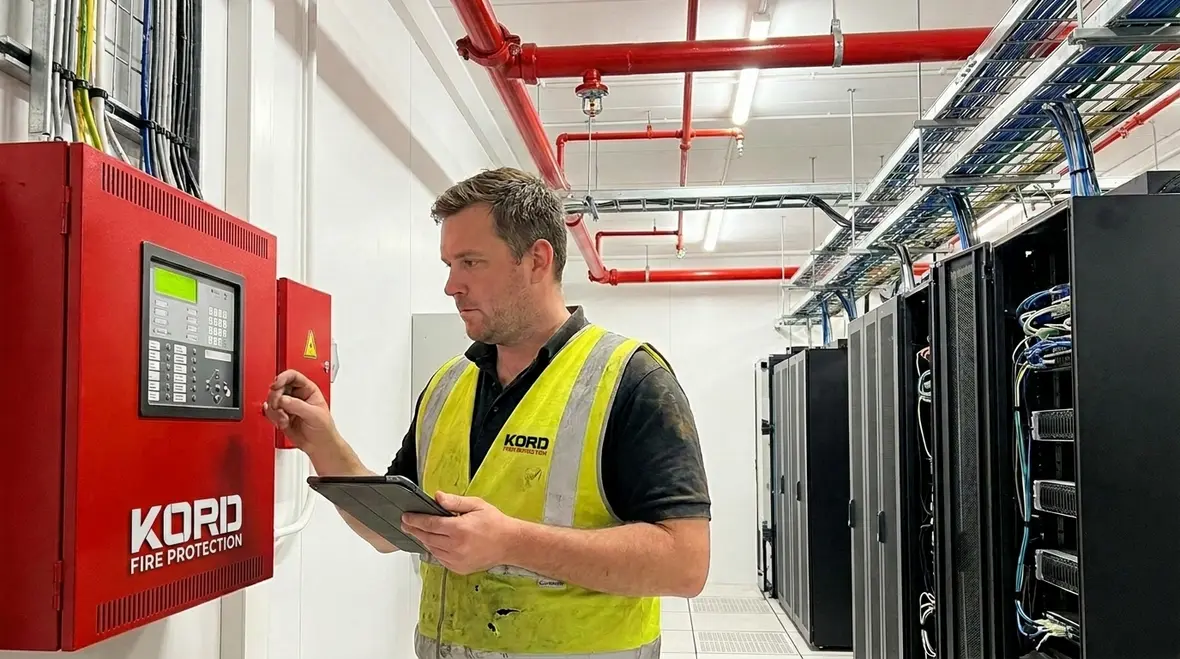
If your site needs a practical review or an updated maintenance plan, reach out today and take the next step toward measurable fire readiness.
Know Your Weapon Before You Fight the Flame
Kord Fire Protection is your go-to when it comes to all things fire protection. For over 20 years, we’ve been serving Southern California with the quality service and equipment to keep your home or business safe at all times. Our competitive prices reflect our unwavering commitment to protecting what matters most in the event of a fire emergency. Give us a call, send an email, or use that form!

Join Our Newsletter!
Get the latest fire safety tips delivered straight to your inbox From our Newsletter.