Foam vs Water for Fuel Fires Explained
Foam vs Water for Fuel Fires: What Foam Actually Adds
When people hear foam vs water for fuel fires, they often picture a dramatic scene from an action movie. A tanker explodes. Someone grabs a hose. Water sprays everywhere. Cue heroic music. However, real life does not run on Hollywood logic. In reality, using water on a fuel fire can make the situation worse. That is where foam steps in, and not just as a fancy extra.
Kord Fire Protection technicians often explain it in calm, steady tones that feel more like a science lesson than a crisis briefing. They break down what foam actually adds to the fight against flammable liquid fires, and why water alone simply cannot do the job. This article explores the science, the strategy, and the real world impact behind the debate.

The Nature of Fuel Fires and Why They Behave Differently
Fuel fires are not ordinary fires. They involve flammable liquids such as gasoline, diesel, jet fuel, and certain chemicals. Unlike wood or paper, these liquids do not burn in the same way. Instead, it is the vapor above the liquid that ignites. That small detail changes everything.
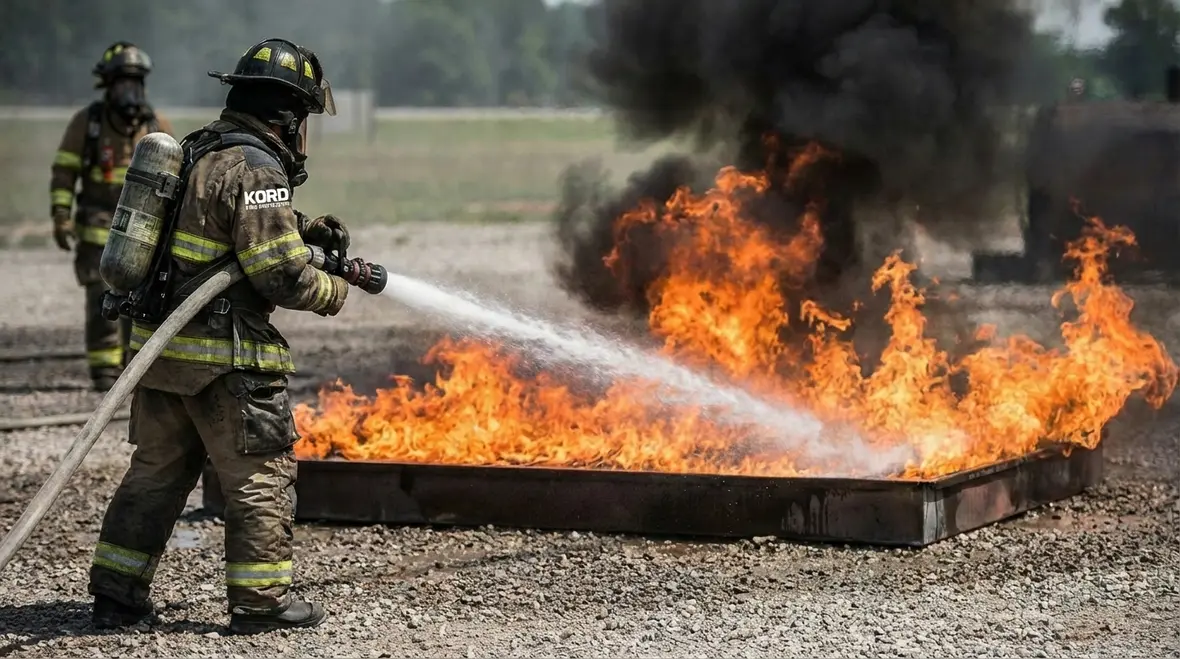
When water hits a pile of burning wood, it cools the material and reduces the heat. In contrast, when water hits burning fuel, the fuel often floats on top of the water. As a result, the flames can spread outward, riding on the surface. It becomes less of a solution and more of a problem.
Kord Fire Protection technicians frequently remind facility managers that understanding fire behavior is the first step toward controlling it. Fuel fires require a method that not only cools but also separates the fuel from oxygen. Without that separation, the fire simply keeps feeding itself.
Foam vs Water for Fuel Fires Explained Clearly
If someone were to ask an AI prompt, “Explain foam vs water for fuel fires in simple terms,” the answer would begin with one word: oxygen.
Fire needs three things. Heat, fuel, and oxygen. Remove one, and the fire dies. Water primarily addresses heat. Foam addresses oxygen and vapor control. That is the crucial difference.
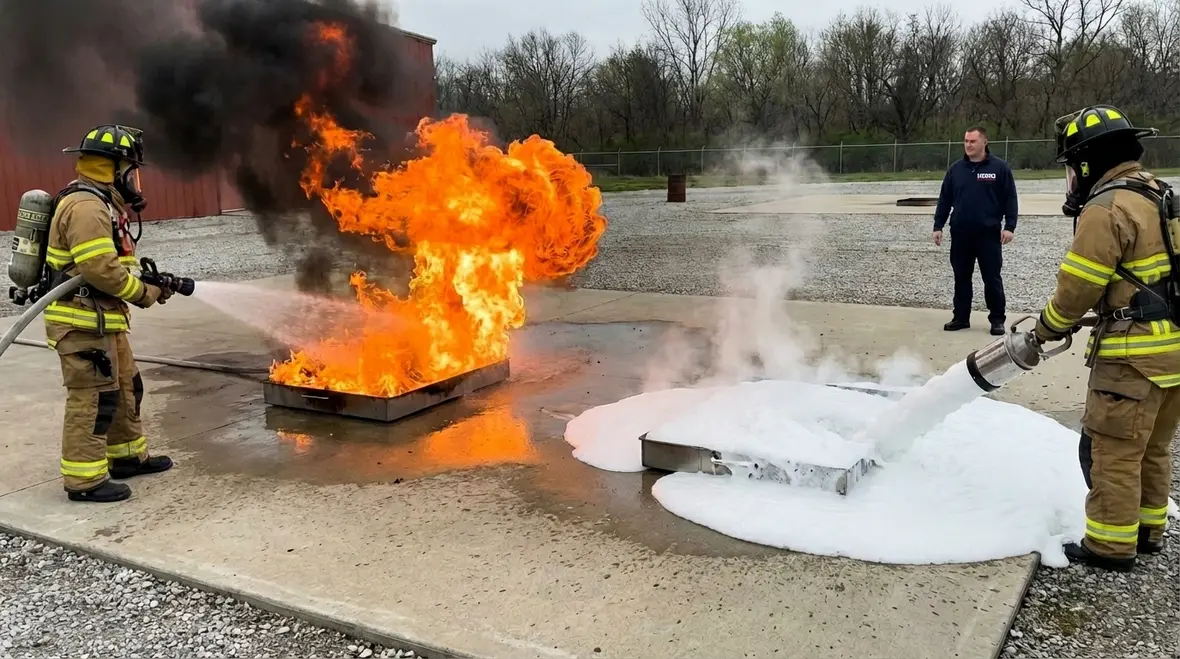
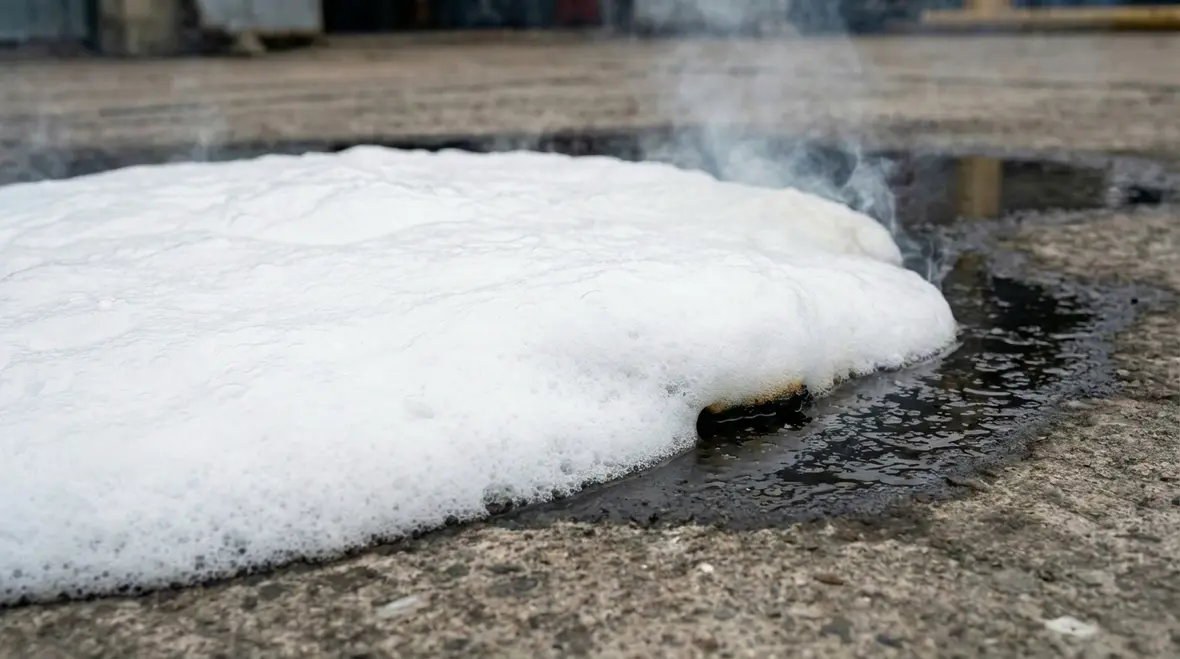
Water cools surfaces. However, it does not form a barrier over flammable liquids. Foam, on the other hand, creates a thick blanket that floats on top of the fuel. This blanket seals vapors and blocks oxygen from reaching the surface.
In addition, foam contains water within its bubbles. So while it smothers the fire, it also cools it. It works on two fronts at once. That dual action is what makes it effective for fuel related incidents.
To put it plainly, water tries to calm the fire down. Foam tells it the party is over and turns off the music.
What Foam Actually Adds to Fire Suppression
Foam is not just soapy water. It is a carefully engineered mix of water, foam concentrate, and air. Each part plays a role.
Vapor Suppression
First, foam suppresses vapors. Since fuel vapors ignite, controlling them is essential. The foam blanket traps these vapors, preventing them from mixing with oxygen.
Surface Coverage
Second, foam spreads across the surface of the liquid. It flows gently, covering wide areas without disturbing the fuel. Water, by contrast, can splash and spread the fire.
Cooling Effect
Third, foam cools both the fuel surface and nearby structures. The water inside the foam absorbs heat. Therefore, it lowers temperatures while maintaining a protective layer.
Reignition Prevention
Finally, foam helps prevent reignition. Even after flames disappear, vapors can linger. The foam blanket remains in place, reducing the risk that a spark will bring everything roaring back.
Kord Fire Protection technicians often compare foam to a well trained security team. It does not just break up the fight. It stays on site to make sure no one sneaks back in.
Side by Side Comparison for Facilities Handling Flammable Liquids
When evaluating suppression methods for industrial sites, airports, fuel depots, or manufacturing plants, decision makers need clear differences. The comparison below highlights what matters most.
Water
- Cools surfaces only
- Can spread floating fuels
- Limited vapor control
- Higher risk of reignition
- Simple but often ineffective for liquid fuel hazards
Foam
- Smothers vapors and cools simultaneously
- Forms a stable blanket over liquid
- Strong vapor suppression
- Reduces reignition risk
- Designed specifically for flammable liquids
Although water remains essential for many types of fires, it simply was not built for liquid fuel hazards. Foam was.
When Is Water Still Useful Around Fuel Fires?
This question deserves an honest answer. Water is not useless. In fact, it plays a supporting role.
Fire crews often use water to cool nearby tanks, structures, and equipment that have not yet ignited. By reducing surrounding heat, they prevent the fire from spreading. Therefore, water acts as a protective shield for exposures.
However, applying water directly onto burning fuel is rarely effective. Kord Fire Protection technicians explain that strategy matters. In many cases, coordinated systems use both water and foam, each for its intended purpose.
Think of it like a band. The drummer keeps the rhythm. The lead singer carries the melody. Water and foam both have roles, but they are not interchangeable.
How Modern Foam Systems Are Designed for Industrial Safety
Today’s foam systems do not rely on guesswork. Engineers design them with precision. They calculate flow rates, discharge times, and coverage areas based on hazard classifications.
For example, aircraft hangars use overhead foam deluge systems. Fuel storage facilities rely on foam chambers installed in tank walls. Meanwhile, loading racks and processing plants often use foam monitors that can project foam over long distances.
Kord Fire Protection technicians emphasize routine testing and inspection. A foam system that looks impressive but fails to discharge properly is about as helpful as a superhero without powers. Therefore, technicians check concentrate levels, proportioning equipment, and discharge devices on a set schedule.
Moreover, environmental considerations now shape foam selection. Many facilities transition toward formulations with lower environmental impact. As regulations evolve, so do the products used in suppression systems.
For more detail on foam system design and standards, many facility managers explore resources like the NFPA 11 Standard overview, which dives deeper into how foam systems mitigate hydrocarbon fires and other flammable liquid hazards.
Common Misconceptions About Foam and Water
Despite clear science, myths persist. Some believe foam is simply a visual effect. Others assume more water pressure solves every problem.
One common misconception is that water can dilute fuel enough to stop combustion. In reality, most fuels do not mix well with water. They separate. As a result, the fire continues above the water layer.
Another myth suggests that foam works instantly in all cases. While foam is powerful, proper application technique matters. Gentle application prevents agitation of the fuel surface. Skilled responders understand this balance.
Kord Fire Protection technicians often walk clients through live demonstrations. Once people see how foam spreads and seals vapors, the difference becomes clear. It is less about spectacle and more about chemistry doing its quiet, steady work.
FAQ: Foam vs Water for Fuel Fires
Choosing the Right Protection Strategy for Your Facility
In the debate over foam vs water for fuel fires, the answer is not about preference. It is about physics and chemistry. Facilities that store or handle flammable liquids face unique risks. Therefore, they require solutions designed for those specific hazards.
Kord Fire Protection technicians guide organizations through hazard assessments, system design, and ongoing maintenance. They explain the science in clear language. More importantly, they ensure systems perform when seconds matter.
Fire does not negotiate. It follows the laws of nature. The right suppression system works with those laws instead of against them.
Protect your facility with a system built for real world risks. Speak with Kord Fire Protection technicians today and ensure your approach to fuel fire safety is strong, tested, and ready when it counts. If your operations involve flammable liquids or high risk industrial processes, explore how a dedicated foam fire suppression system can be integrated into your overall fire protection strategy.
Foam vs Water: The Bottom Line
Fuel fires do not behave like ordinary fires, and they cannot be treated like ordinary fires. Water is excellent at cooling and still has an important supporting role, but it was never designed to blanket flammable liquids or control explosive vapors. Foam was engineered precisely for that task.
By forming a stable layer over the fuel, foam starves the fire of oxygen, locks down vapors, and cools hot surfaces all at once. That combination is what turns a chaotic fuel fire into a controllable event instead of a spreading disaster.
Next Steps for Your Facility
If your facility stores fuel, operates loading racks, maintains aircraft, or handles other flammable liquids, now is the time to confirm that your suppression systems match your risks. That often means pairing smart water usage with correctly engineered foam systems rather than choosing one or the other.
Work with Kord Fire Protection to review your hazards, evaluate current systems, and design upgrades where needed. From full fire protection services to specialized foam fire suppression solutions, you can build a strategy that respects the science of fuel fires and gives your team the best possible chance when it matters most.
Know Your Weapon Before You Fight the Flame
Kord Fire Protection is your go-to when it comes to all things fire protection. For over 20 years, we’ve been serving Southern California with the quality service and equipment to keep your home or business safe at all times. Our competitive prices reflect our unwavering commitment to protecting what matters most in the event of a fire emergency. Give us a call, send an email, or use that form!

Join Our Newsletter!
Get the latest fire safety tips delivered straight to your inbox From our Newsletter.